By Jon Gould-Knight, December 22, 2025
TL;DR
- When I am touring with you, I’m paying attention to the windows thinking about your comfort and future investments.
- Vinyl windows are almost always best, Aluminum frame windows ought to be replaced eventually, and Wood frame windows depend greatly on how well they are cared for.
- Always look for double pane windows: This is where you get those energy savings and comfort
- A broken window seal can cause unsightly fogging but it is typically only cosmetic and easier to deal with than poor frames.
When we walk into a house together, I’m not just checking the bedrooms and the roof line. I’m also judging the windows and their frames. The windows can indicate how updated a home really is, the quality of those updates, as well as how expensive it might be to heat or cool.
Let me walk you through what I’m looking for when I make my judgements
Vinyl vs Aluminum: The First Clue
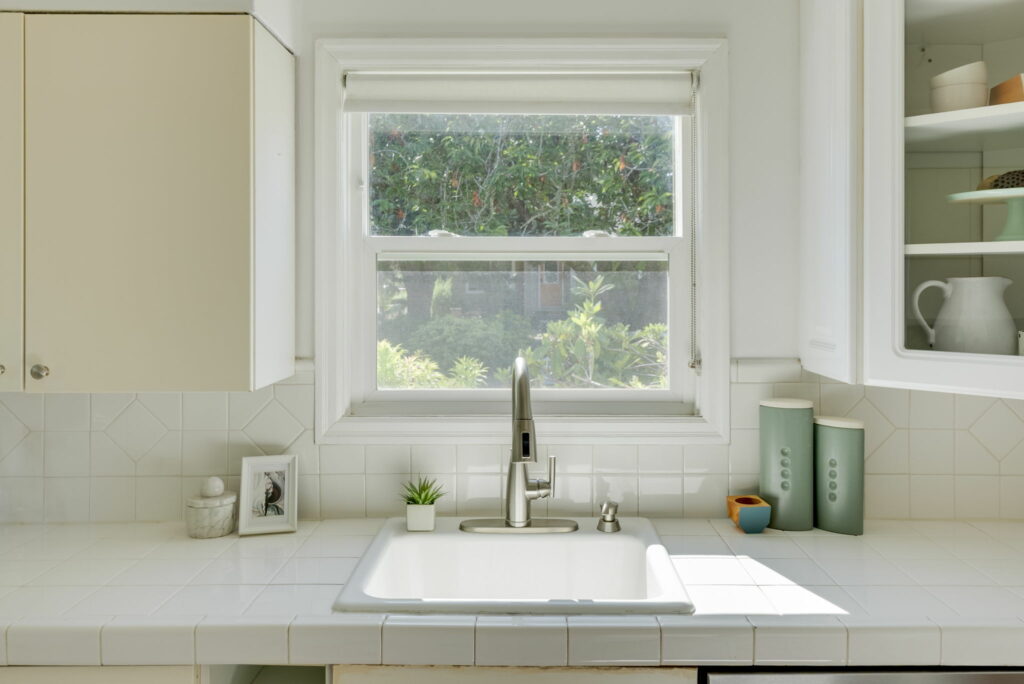
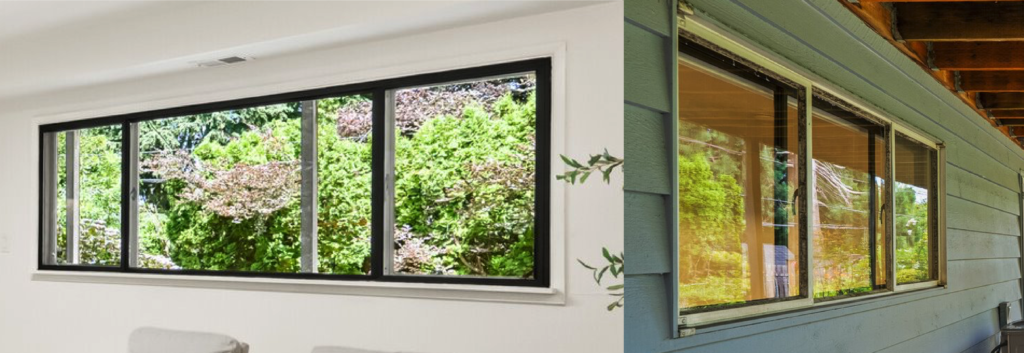
Ideally we are seeing double pane vinyl windows throughout the home. A vinyl window refers to frames made from polyvinyl chloride (PVC) which is essentially a durable plastic. They are known for being low-maintenance, energy efficient, and resistant to rot and pests. Vinyl plastics are strong while also being flexible enough to adapt to extreme heat and cold, and are quite resistant to moisture. Most likely you will see the standard white vinyl frame windows though they can come in other colors.
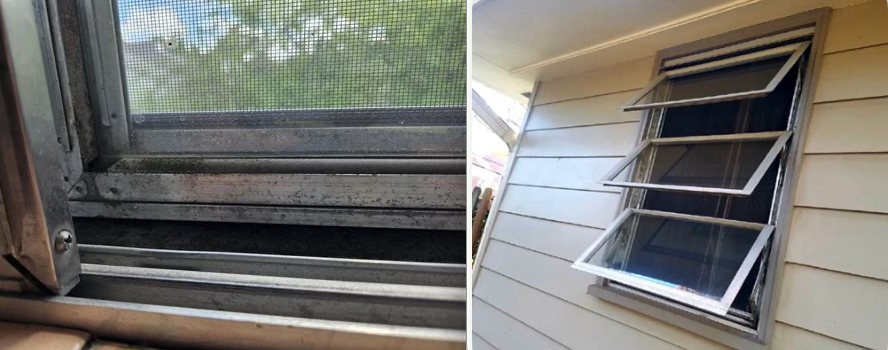
Aluminum windows, on the other hand, tell a different story. They were very common decades ago but they are notoriously drafty and can make the room feel colder in the winter and hotter in the summer since the metal conducts heat and cold and emits it out into the room. They also tend to sweat and collect condensation, which can eventually affect the surrounding trim. Aluminum doesn’t make the home unlivable by any means or red flag an inspection report, but they can be a huge upgrade for the home (with a significant price tag).
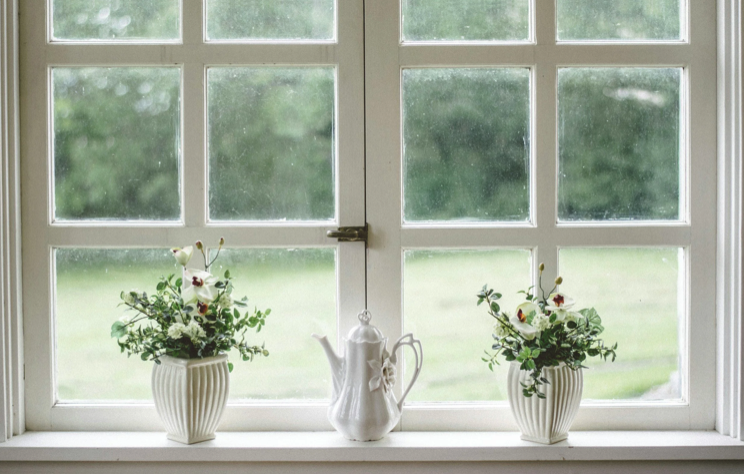
Wood windows are a bit of a wild card. They were the original frames on many an old home and if they have been well cared for they can be beautiful and functional. However, they are much more commonly single pane which lose a fair amount of energy efficiency and if they are not well looked after or of high quality, they can rot around the frame and degrade faster than vinyl or aluminum.
Single-Pane vs Double-Pane: The Biggest Factor
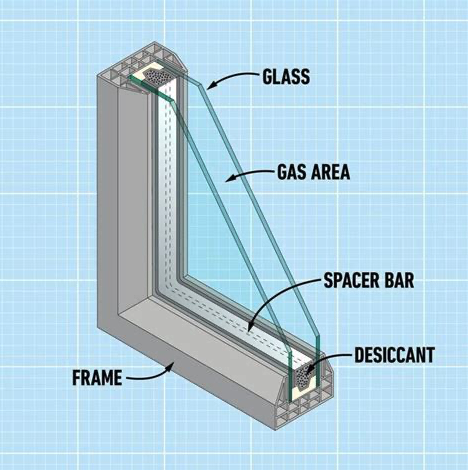
Double-pane windows are the modern standard. They sandwich gas (usually argon) between two pieces of glass to help insulate the home better. It keeps the warmth inside in winter and the heat outside in summer. Most homes that have been updated or built in recent decades will have double-pane windows somewhere, even if not throughout.
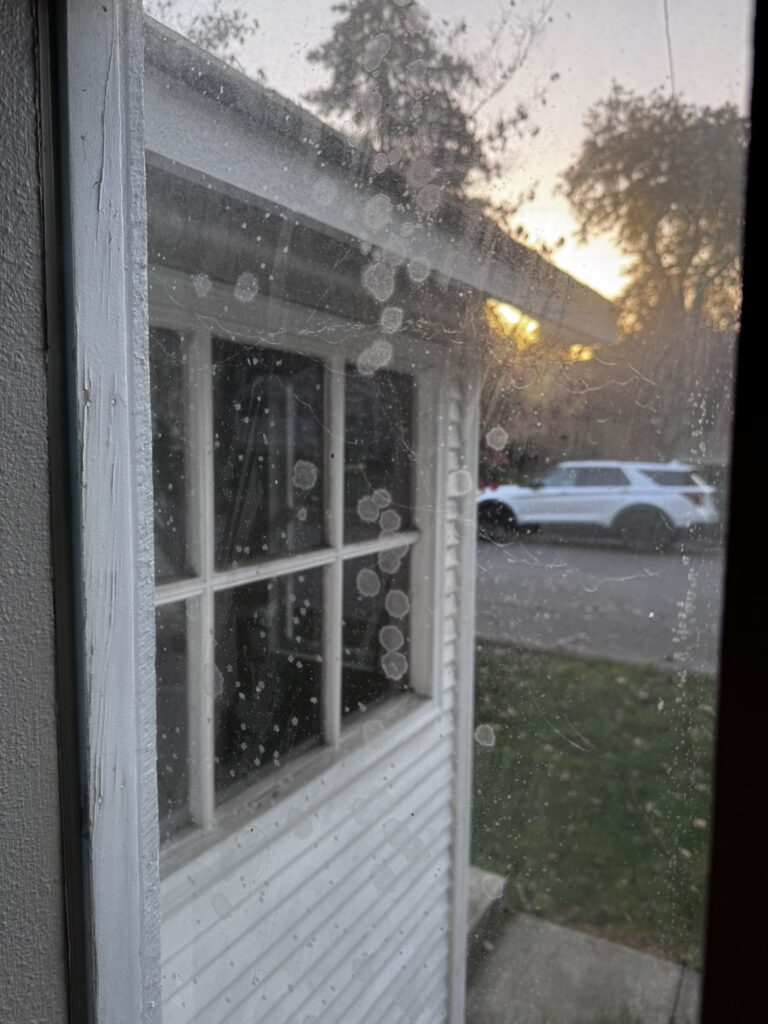
Every once in a while, though, I’ll see an attempt to DIY the double pane. That’s when someone took an original single-pane wood window and stuck a second single-pane aluminum window on top of it, usually on the exterior. Technically two panes… but don’t be fooled, this is a cheap substitute. They don’t provide the insulation that true sealed double-pane windows do. You can identify this setup because the panes have quite a bit of space between them and the two frames look mismatched and unrelated, like they came from different eras… because they did.
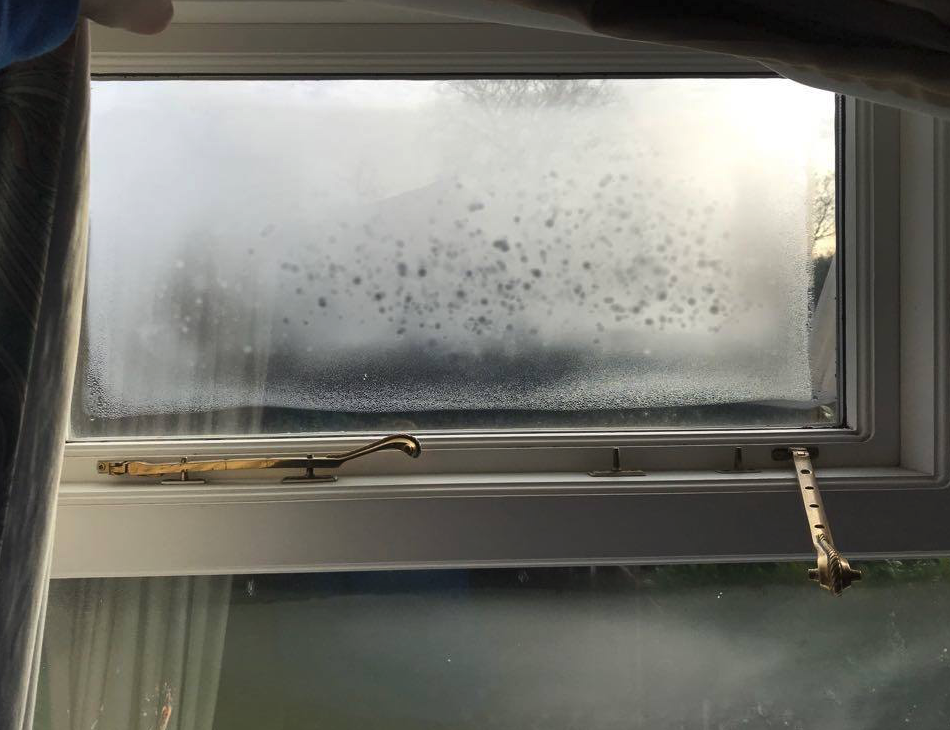
What does it mean when the windows are foggy?
You’ll see it if you look for it, it is quite common. It will look like a chilly day with condensation on the window even if it is warm and sunny outside. This means that the seal has failed. When that happens, the argon gas leaks out from in between the panes. Condensation then can build up in between the panes and result in these types of stains. In most cases, this is considered a cosmetic defect as it doesn’t affect the energy loss too significantly. So don’t be afraid! Though if there is a beautiful view outside a window with a broken seal it can be quite a bummer.
So where does this leave you?
A “bad” window is rarely a reason to walk away from a home you love. It’s more about understanding what you’re buying into. Single-pane aluminum windows throughout a house will affect comfort, utility bills, and the future value of your home which may mean a bigger investment later to get them replaced. Fogged double-pane windows are mostly an eyesore. Wood windows with soft or crumbling trim are a sign of moisture, which is something we should pay attention to, because moisture almost always hints at a bigger story.
I take all these pieces and fold them into the bigger picture of the home’s age, condition, and long-term costs. Sometimes a seller has already upgraded half the windows and left the other half for the next owner, which is totally normal. Sometimes the windows tell me the seller took shortcuts. Sometimes they tell me the home has been meticulously cared for. Each story is different. And if you’re unsure whether something is a minor annoyance or something worth negotiating, ask me! We’ll look at it together. That’s what I’m there for, to help you read the story the house is telling, one window at a time.


Jon Gould-Knight
Broker | OR & WA
He/Him
Hello! I’m a heart-centered real estate agent based in Vancouver, serving folks throughout the Portland Metro area. My goal is to help you find more than just a house—I want to help you find a home that truly feels like yours. I believe the home-buying journey should feel empowering, exciting, and tailored to your unique needs, and I’m here to make that happen. Whether you’re a first-time buyer or an experienced buyer/seller who has been burned by non-empathetic or pushy brokers, I’m committed to guiding you every step of the way with honesty, clear communication, and creative problem-solving.
I’ve wanted to work for Living Room Realty ever since I first dipped my toes into real estate nearly a decade ago. The branding & overall vibe have always aligned with my design passion. After a career detour into 3D design and animation pulled me out of the Portland Metro Area for the past 7 years, I’m back in real estate and getting the opportunity to join my first brokerage crush!
My clients have described me as patient, proactive, and thorough—always ready to answer questions, explain the unexpected, and go the extra mile (sometimes literally!).
I have a passion for craft food and drink as I roast my own coffee, eat the spiciest food I can get my hands on, and I even used to host a haunted beer tour through various breweries in downtown Portland. In my down time I love to hang out with my wife, Kit, and our pets Minerva the pug and Dumbledore the cat. I’m also a huge film, stand-up, and theater fan, with a background in both graphic design and theater arts. Fun fact: I’ve even been an extra on Grimm and Portlandia!
Let’s get together for a coffee or tea soon!
Read More