By Constance Rigney, December 30, 2025

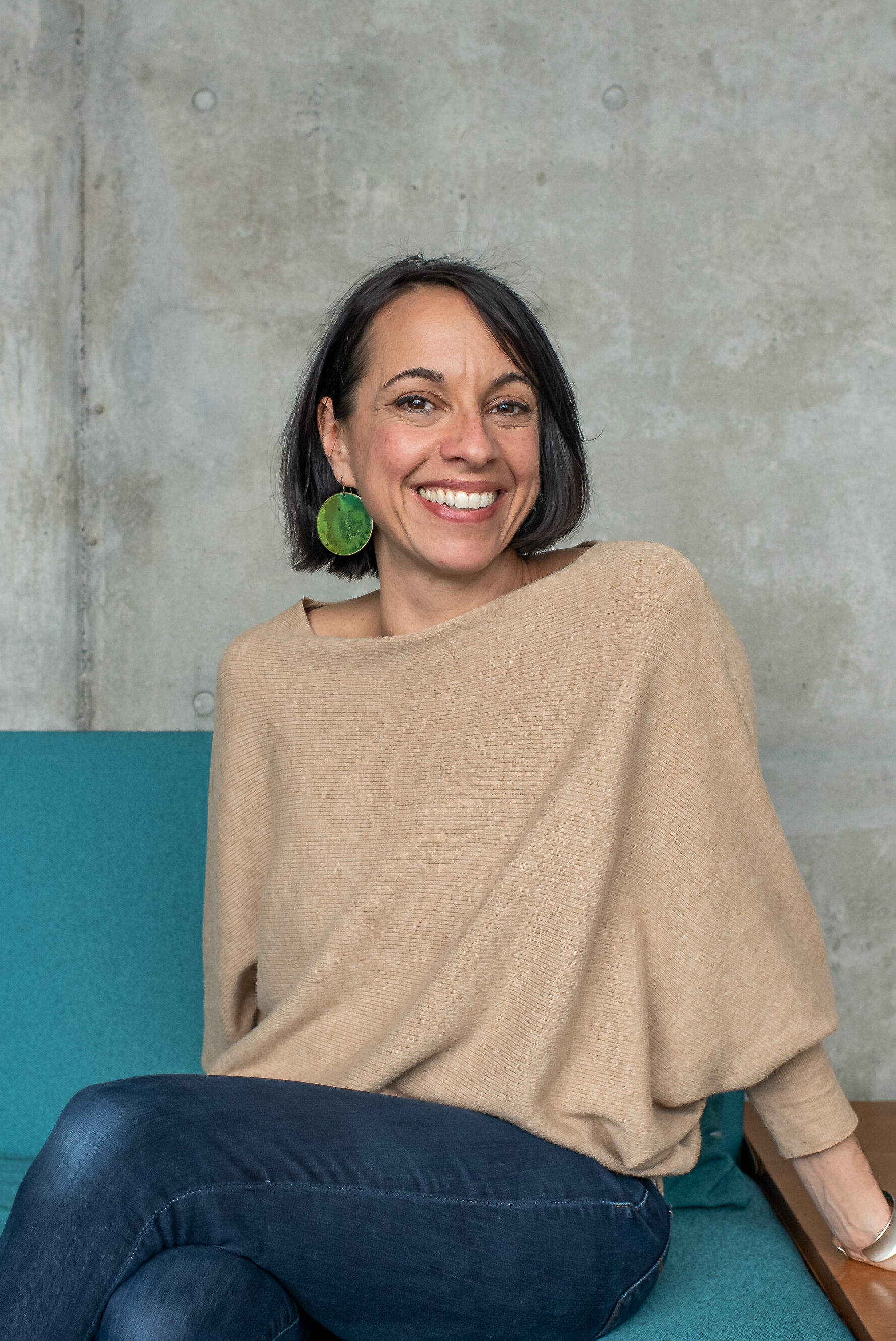
Constance Rigney
Broker | OR & WA
She/Her
What I love about the field of real estate is that essentially, it’s about dreams and possibilities. It’s about finding a space that can support the life you are envisioning and crafting.
Whether purchasing your first home, dialing in your next investment property, or selling your home, my goal as your agent is to be your ally and advocate, to work diligently and creatively to help you through the process. What distinguishes me from other REALTORS®? My style in both real estate, and the rest of life, is down to earth and humorous; my spirit warm and enthusiastic. Being flexible, thorough, ethical, and a topnotch communicator are the cornerstones of my business. I am a dedicated worker and won’t stop until I get the job done! I grew up on the East Coast, but my sense of adventure brought me to Oregon, where I found a richness of community, and a great love for the wondrous natural environment of the Northwest. I spent ten years in this city as a practitioner of Acupuncture and Chinese herbal medicine, all the while learning about Portland’s neighborhoods, and hidden gems, through the stories of the fascinating people that call this lovely city home. Joyfully part of a dream team, I’m currently partnered with Matt Guy, wonderful human and long time real estate whiz. We work expeditiously to successfully help our clients turn their vision into reality. In my free time you might find me living the VW Van life with my dreamy husband, Scott, and firecracker daughter Roslyn; soaking up the beauty of the Pacific Northwest, supporting local non-profits, or celebrating Portland’s local music scene.