Fasten Your Seatbelts: My Experience on Portland’s Fair Housing Bus Tour

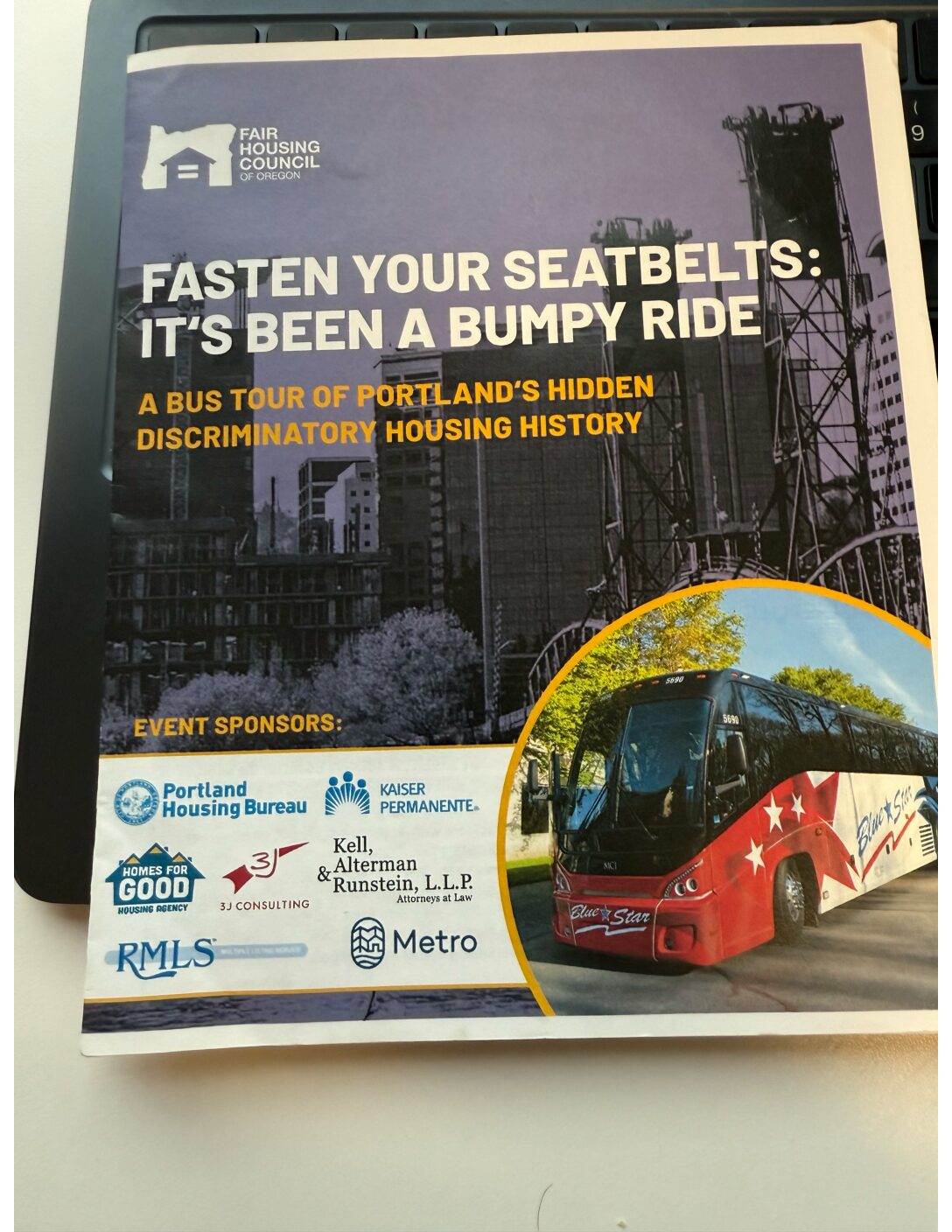
I recently joined the Fair Housing Bus Tour Portland, hosted by the Fair Housing Council of Oregon. This powerful tour explores Portland’s history of housing discrimination and the communities that fought for fairness and inclusion.

Portland’s hidden housing history—stories about exclusion, resilience, and progress.

It was more than an educational experience. It was emotional. I left with a deeper understanding of how Oregon’s past still shapes our neighborhoods today.

Beginning at the Dr. Martin Luther King Jr. Statue 🏛️

Our first stop on the Fair Housing Bus Tour Portland was the Dr. Martin Luther King Jr. statue outside the Oregon Convention Center. The monument depicts three figures: Dr. King, an immigrant worker, and a child. Together, they represent courage, unity, and the hope for equality.

Standing before the statue, I thought about the people who came to Oregon searching for opportunity. Many immigrants, workers, and families were met with laws that excluded them instead of welcoming them. Early Oregonians argued that housing was a “personal transaction” and that government shouldn’t interfere. Sadly, that belief created space for systemic housing discrimination that lasted generations.

From Albina to Montavilla: A City Divided 🏙️

Next, the Fair Housing Bus Tour Portland visited neighborhoods that were once separate towns — Albina, Montavilla, and others. Each area has a story of growth, loss, and resilience.

Albina once served as the heart of Portland’s Black community. Williams Avenue buzzed with Black-owned businesses, music venues, and cultural pride. By the 1990s, Albina’s population was about 75% Black. By 2020, it had dropped to 25%. Many families were pushed east to Gresham and East Portland, where sidewalks, grocery stores, and public services remain scarce.

Portland’s transformation tells a difficult truth. It’s now considered one of the most gentrified cities in the nation. Understanding how that happened is crucial if we want to build a more inclusive city.

The Bigger Picture: Land, Power, and Policy 🌎

The Fair Housing Bus Tour Portland also explained how government policy shaped who could own land. The Donation Land Act of 1850 gave white settlers millions of acres of Native land. Later, the Dawes Severalty Act of 1887forced Native families into individual ownership, which led to widespread land loss.

Even in the 1900s, injustice continued. Between the 1930s and 1960s, less than 2% of FHA loans went to nonwhite families. These policies prevented homeownership for thousands and deepened racial wealth gaps that still exist today.

The Golden West Hotel: A Symbol of Community and Pride 🏨

Another memorable stop on the Fair Housing Bus Tour Portland was the Golden West Hotel, once the largest Black-owned hotel on the West Coast. Located near Union Station, it gave Black travelers a safe place to stay during segregation.

The building still stands today, owned by Central City Concern, but its legacy runs deeper. Nearby stood Mount Olivet Baptist Church, which the Ku Klux Klan pushed to move out of downtown. These stories revealed how racism wasn’t only social — it was systemic and deliberate.

Hard Truths and Lessons Learned ⚖️

The tour continued to uncover painful chapters of history. At the Portland Expo Center, we learned it was once used as a Japanese American assembly center during World War II. Families, two-thirds of whom were U.S. citizens, were held there before being sent to internment camps.

We also discussed Portland’s Red Squad, a police unit that targeted activists, and the Silver Shirts, a local hate group modeled after Nazi Germany’s brownshirts. These facts were hard to hear but necessary to confront.

Hearing these stories, I was reminded of one quote from our guide:

“Every accusation is a confession.”
It spoke to the hypocrisy of discrimination — how fear often projects itself outward, targeting others to mask its own insecurity.

Connecting the Past to the Present 🌾

The Fair Housing Bus Tour Portland also highlighted how inequity reached beyond the city. During the 1970s, small family farms collapsed as big agriculture took over. Whether in rural or urban Oregon, communities with less power lost the most.

Writer William Faulkner once said, “The past isn’t even past.” After this tour, that quote felt more real than ever. Portland’s history lives in its streets, its housing, and its policies.

Why You Should Take This Tour ✊

This tour changed how I see my city. It connected history, policy, and humanity in a way that reading alone cannot. Whether you’re a local resident, a student, a business owner, or part of a community organization, this experience is worth taking.

Go as an individual or bring your company, team, or group. The conversations that follow will inspire awareness, empathy, and change.

Final Reflection

The Fair Housing Bus Tour Portland isn’t just about the past — it’s about our responsibility now. Learning these stories helps us understand why equity and fair housing matter today.

If you live in Oregon, I encourage you to take the tour. It will challenge you, inform you, and move you to think differently about what “home” truly means.

Contact me today! To read more about my expertise in East Portland check out my blog

Navigating Your Home Purchase: Who’s Who in a Real Estate Deal

Understanding the Key Players in Your Home Buying Journey

Buying a home involves several key players, each with a unique role. In this blog post, I’ll walk you through the major roles in a real estate transaction, what they do, and how they help ensure a smooth process. Whether you’re a first-time buyer or an experienced investor, understanding these roles will give you the confidence to navigate your home buying journey.

The Real Estate Agent: Your Project Manager

First and foremost is your real estate agent. Think of your agent as the project manager of your home buying process. Their job is to guide you from start to finish. Here’s what you can expect from your real estate agent:

  • Scheduling Tours: Arranging viewings for properties you’re interested in.
  • Determining Comps and Offer Strategy: Helping you understand the market value and craft a competitive offer.
  • Negotiating Deals: Working to get you the best terms possible.
  • Scheduling Inspections: Coordinating necessary inspections to ensure the property is in good condition.
  • Connecting with Contractors: Providing referrals for any needed repairs or renovations.
  • Resource Direction: Guiding you to tax or legal professionals as needed.

The Lender: Securing Your Mortgage

Next is the lender, who plays a crucial role in securing the financing for your home. They will:

  • Pre-Approval Process: Help determine how much you can borrow and identify suitable loan programs.
  • Document Collection: Request necessary documents to process your loan application.
  • Loan Processing: Guide you through the steps to secure your mortgage, providing clarity on your financial obligations.

It’s essential to work with a lender who communicates effectively and who you can trust. Poor communication can jeopardize your transaction.

The Escrow Officer or Title Company: Ensuring Neutrality

The escrow officer or title company acts as a neutral third party in the transaction. Their responsibilities include:

  • Holding Earnest Money: Managing the deposit you make when your offer is accepted.
  • Facilitating the Closing: Ensuring all paperwork is completed and funds are distributed correctly.
  • Providing Title Insurance: Protecting you against any title disputes.

Home Inspectors: Assessing Property Condition

Home inspectors are like the primary care doctors for your new home. They meticulously examine the property to identify any potential issues. Key tasks include:

  • Detailed Inspections: Checking structural integrity, plumbing, electrical systems, and more.
  • Referrals to Specialists: Suggesting further inspections if they find potential problems.

The Appraiser: Determining Home Value

Appraisers assess the value of the home to ensure the lender is not over-lending. They are a neutral third party and you won’t have much direct contact with them. Their role is crucial for:

  • Valuation: Ensuring the home’s value justifies the loan amount.
  • Risk Mitigation: Protecting the lender from overextending credit.

The Insurance Agent: Securing Home Insurance

Home insurance is mandatory when buying a home. An insurance agent will:

  • Policy Selection: Help you choose the right insurance policy for your home.
  • Bundling Options: Provide options to bundle home insurance with other policies for discounts.

Other Key Players

Additional roles that may come into play include:

  • Transaction Coordinators: Assist with paperwork and ensure everything runs smoothly.
  • Home Warranty Providers: Offer warranties to cover potential mechanical issues.
  • Contractors: Provide estimates and complete any necessary repairs or upgrades.

Conclusion

Understanding the roles of these key players in a real estate transaction can help you navigate the process with confidence. If you have any questions about buying a home or need more personalized advice, feel free to reach out to me. Connect with me on YouTube, Instagram, or Facebook.

For a more detailed consultation or to get started on your home buying journey, schedule a free strategy session here. You can also access my Free Buyer’s Guide to help you through every step of the process here.
When Can I Move In? Understanding Possession Dates in Real Estate

One of the most common questions buyers ask is, “When can I move in?” The answer depends on the possession date in your real estate contract. This date determines when you officially take ownership of your new home and can start moving in. Let’s explore three main scenarios for possession dates, helping you understand what to expect and how to plan your move.

1. Possession on the Closing Date

The most straightforward scenario is when your possession date matches the closing date. On this day, you sign all necessary documents, and the property becomes yours. Once your name registers with the title, you officially own the home and can start moving in immediately. This scenario is ideal for many buyers because it allows you to move in as soon as the deal closes.

2. Possession After the Closing Date

Sometimes, sellers need extra time in the property after the sale is finalized. In these cases, the possession date will be set for a few days or weeks after the closing date. For example, if your closing date is January 15th, you might agree to give the sellers two more weeks to move out. During this period, you own the property, but the sellers remain in the home, often paying you rent until they leave. This arrangement, known as a “rent-back” agreement, is common when sellers need more time to relocate.

3. Early Occupancy Before Closing

A less common scenario involves moving into the property before the closing date. While convenient, this option comes with risks. If the transaction falls through, you may have to move out before the deal completes, causing major inconvenience. Additionally, you will likely need to pay rent to the seller for the time spent in the home before closing. Early occupancy is typically reserved for special circumstances and requires careful consideration.

Planning Your Move-In Day

If your possession date is on the closing date, planning your move carefully is essential. Typically, you can expect to receive the keys to your new home by 3 PM, but it’s safer to aim for a 5 PM move-in. The exact time depends on when the title records. I will keep in close contact with the title company and update you promptly. If there’s a chance to get in earlier, I’ll notify you as soon as possible.

Have Questions? I’m Here to Help!

Understanding possession dates is crucial for a smooth transition into your new home. If you have any questions about buying a home or need more personalized advice, feel free to reach out to me. Connect with me on YouTube, Instagram, or Facebook.

For a more detailed consultation or to get started on your home buying journey, schedule a free strategy session here. You can also access my Free Buyer’s Guide to help you through every step of the process here.
The Growing Opportunity of Midterm Rentals

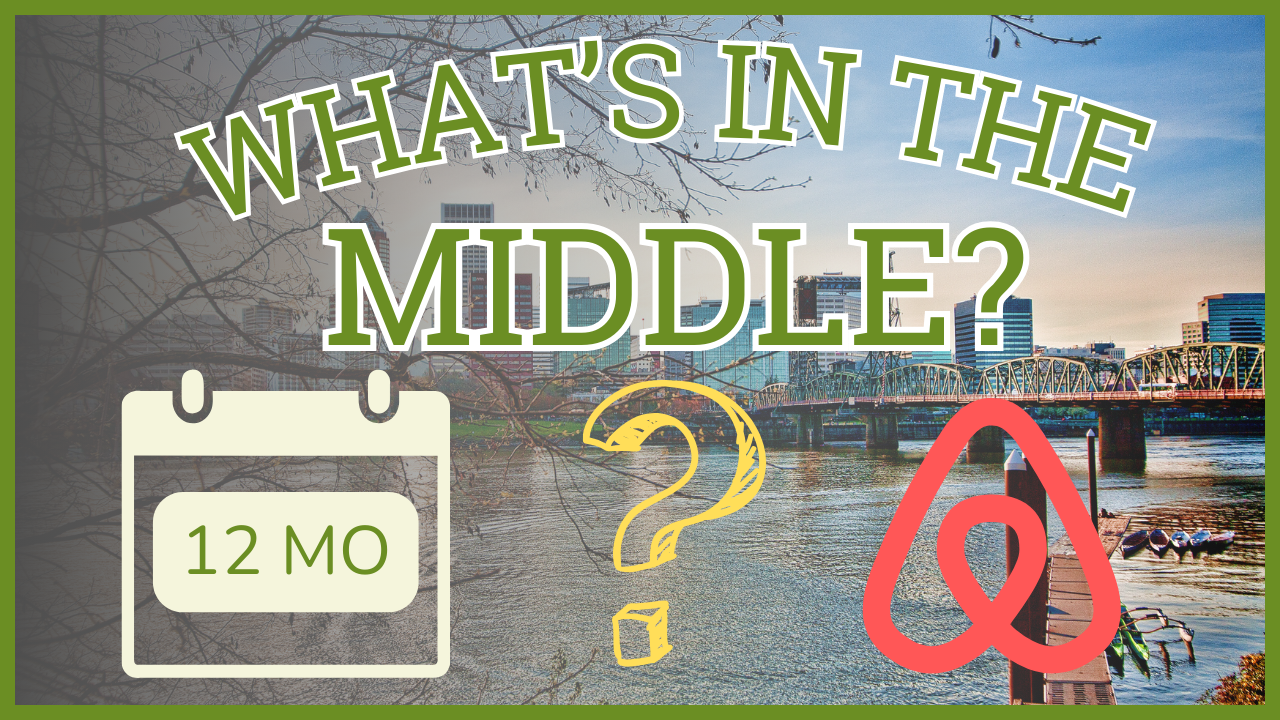
Midterm rentals are properties rented for more than 30 days but less than a year. They are gaining attention as a smart investment strategy for homeowners and investors. These rentals have become more popular in recent years because they can bring in good money, even in today’s challenging housing market.

What Are Midterm Rentals?

Midterm rentals fall between short-term rentals (like Airbnb) and long-term rentals (leases for a year or more). These properties are rented for months at a time, often to people who need a temporary place to stay but not for just a few days. Midterm rentals became even more popular during the pandemic when many cities put rules on short-term rentals.

Who Stays in Midterm Rentals?

Midterm rentals work well for:

  • Traveling Medical Staff: Nurses and healthcare workers often need a place to stay for a few months while working in different cities.
  • Workers on Temporary Projects: Construction workers, consultants, and other professionals who travel for work prefer staying in midterm rentals over hotels.
  • Families Trying Out a New City: People who want to move but aren’t ready to buy a home might rent a place for a few months to see if they like the area.

Why Invest in Midterm Rentals?

Midterm rentals can make more money than long-term rentals. This is because people staying for a few months often pay more than those who sign a year-long lease. Plus, midterm renters are usually professionals or families, so they tend to take better care of the home.

Unlike short-term rentals, midterm rentals don’t come with as many rules and regulations. This makes them easier to manage. Since people are staying longer, there are also fewer cleanings and turnovers, which saves time and money.

What Types of Homes Are Best?

Homes with 1-2 bedrooms are often the best fit for midterm rentals. This is because most midterm renters are single travelers, couples, or small families. A two-bedroom home where one room can be used as an office is also popular. Midterm renters look for places that are comfortable and well-kept, but the home doesn’t need to be fancy.

Where Should You Invest?

The best places for midterm rentals are cities or towns with:

  • Hospitals and Medical Centers: Traveling nurses and healthcare staff often need nearby housing.
  • Big Companies and Construction Projects: Workers coming in for temporary projects look for midterm rentals instead of hotels.
  • Areas with Few Hotels: If there aren’t many hotels or the hotels are too expensive, people will prefer midterm rentals.

Examples of Good Markets: Cities like Seattle and Nashville are popular, but smaller towns and rural areas with business hubs can be great options too. Check if there’s demand by looking at how many hotels or other rental options are in the area.

Is Now a Good Time to Start?

Yes! The midterm rental market is still growing and not as crowded as short-term rentals like Airbnb. Experts say it’s like how short-term rentals were in 2012, which was a great time to get started. By investing in midterm rentals now, you can build experience and get ahead as more people find out about this type of rental.

Tips for Starting:

  • Research Your Market: Know who will be renting and why. This could be medical workers, business travelers, or families.
  • Start Locally: If you live in or near a city with a big hospital or major companies, consider starting there. You already know the area, which helps with setting prices and marketing.

Ready to Explore Midterm Rental Options in Portland?

If you’re interested in exploring midterm rental opportunities in Portland, I’d love to help! Whether you’re looking to invest or simply learn more, I can guide you through the process. Schedule a time to chat with me using my link, and let’s discuss your goals and options.

What You Need to Know About HOAs: A Homebuyer’s Guide

What is an HOA?

An HOA, or Homeowners Association, is an organization in a subdivision, planned community, or condominium building that makes and enforces rules for the properties and residents. When you purchase a property within an HOA’s jurisdiction, you automatically become a member and are required to pay dues, commonly known as HOA fees. These fees contribute to the upkeep and maintenance of common areas and sometimes cover utilities like water, sewer, and trash.

The Benefits and Drawbacks of HOAs

Benefits:

  • Reduced Risk Profile: By joining a larger group of homeowners, you’re contributing to the maintenance and exterior updates, which can reduce your individual risk.
  • Community Standards: HOAs help maintain property values by enforcing community standards and ensuring properties are well-maintained.

Drawbacks:

  • Cost: HOA fees can range from as low as $60 to over $500+ per month, depending on the age of the property, size of unit, and the reserve funds available for repairs and maintenance.
  • Control: You may have less control over certain aspects of your property, as the HOA will have rules and regulations that you must follow.

What Do HOAs Cover?

HOAs typically cover the maintenance of common areas, which can include landscaping, pools, and recreational centers. They may also cover certain utilities, though this can vary. For example, in the Mountain Park area, there are separate HOAs for specific building complexes and an overarching HOA for the entire area, providing amenities like a pool and a rec center.

Special Assessments

Special assessments are additional fees that can arise when the HOA’s reserve funds are insufficient to cover major repairs or improvements. These assessments are usually paid on top of your regular HOA fees and can significantly impact your budget. It’s crucial to be aware of potential special assessments, especially if the property is older and may require more extensive maintenance.

HOA Transfer Fees

When purchasing a property with an HOA, be prepared for an HOA transfer fee, typically ranging from $200 to $1,000. This fee can vary widely depending on the specific HOA.

Reviewing HOA Documents

In Oregon, there isn’t a large governing body overseeing HOAs, so it’s essential to thoroughly review all HOA documents. Here are the five key documents you need to examine:

  1. Reserve Study: This document details the HOA’s reserve funds and planned improvements.
  2. Financial Reports: Ensure the HOA is financially stable and can cover future expenses without needing special assessments.
  3. Meeting Minutes: Understand ongoing and upcoming issues, potential rule changes, and financial health.
  4. Governing Documents: These include the rules and regulations, such as pet policies and property use restrictions.
  5. Insurance Certificate: Verify that the HOA has adequate insurance coverage.

Getting Expert Help

While reviewing these documents, consider hiring a company like CID Analytics. They offer a service similar to a home inspection but for HOAs, providing a detailed report on the HOA’s health and potential issues. This service costs around $600 and takes about five business days to complete.

Conclusion

Understanding the role and impact of an HOA is crucial when buying a home. By reviewing the necessary documents and considering both the benefits and drawbacks, you can make an informed decision that suits your needs and lifestyle.

For personalized advice, you can schedule a free strategy session here. Also, check out my Free Buyer’s Guide to help you navigate the home buying process.

Watch the full video on Understanding HOAs: What Every Homebuyer Needs to Know.

Connect with me on YouTube, Instagram, or Facebook!


Top 5 Benefits of Owning a Home

🏡 Top 5 Benefits of Owning a Home + Future Real Estate Trends in Oregon & Washington

If you’ve ever considered buying a home, you’ve likely wondered whether it’s really worth it. The good news: homeownership offers many advantages that can make it one of the best long-term investments you’ll ever make. In regions like Oregon and Washington—known for their strong economies, natural beauty, and growing communities—the outlook for homeowners is especially positive. Let’s break down the top five benefits and look ahead at what the next 10 years may hold for this market.


✅ 1. Build Equity & Wealth Over Time

Every mortgage payment increases your ownership stake. Instead of paying rent to a landlord, you’re building equity—your share of the home’s value. Over time, homes tend to appreciate, which grows your wealth.

✅ 2. Predictable Monthly Costs

Fixed-rate mortgages offer consistent monthly payments. That means no more surprise rent increases. Predictability gives you control over your finances and long-term planning.

✅ 3. Tax Benefits

Homeowners may deduct mortgage interest and property taxes, reducing taxable income. This makes homeownership more affordable at tax time. (Always consult a tax professional.)

✅ 4. Personal Freedom

When you own, you can truly make your house a home. Remodel the kitchen, plant fruit trees, or create a home office. Ownership gives you the freedom to live how you want—without a landlord’s restrictions.

✅ 5. Stability & Community Roots

Buying often leads to long-term residence. That means deeper neighborhood ties, better school planning, and a stronger sense of belonging. In the Pacific Northwest, where community connection matters, this is a major benefit.


🔮 Future Trends in Oregon & Washington Housing Markets

🏙️ Price History & 10-Year Market Outlook in Oregon & Washington

📉 Past 10 Years (2014–2024)

Over the last decade, home prices in the Pacific Northwest have seen remarkable growth:

  • Portland, OR: From 2014 to 2019, Portland’s median home price surged by 45%, and by 2024, homes were consistently listing around $550,000. According to Zillow, the median price hovered around $391,000 in 2018 and has continued to climb.

  • Seattle, WA: Seattle saw explosive growth with prices rising over 100% between 2012 and 2022. The median home price exceeded $900,000 at its peak in mid-2022 before cooling slightly to about $765,000 in 2024.

  • Vancouver, WA: Vancouver has benefited from Portland metro growth while offering slightly more affordable homes. The median home price in 2014 was around $230,000. By 2024, that figure had more than doubled to about $500,000, according to Redfin.

🔮 Next 10 Years (2024–2034)

Looking forward, market predictions point to continued—though slower—growth across the region:

  • Portland, OR: Realtor.com projects Portland could become a “million-dollar market” by 2033, with median prices reaching over $1,051,000. This is based on its historic 2014–2019 growth trajectory.

  • Seattle, WA: While Seattle has seen a short-term dip, Zillow forecasts a modest 1.5% increase over the next year. Long-term, steady tech sector growth and urban demand will likely keep Seattle among the nation’s top-valued markets.

  • Vancouver, WA: Growth here is expected to continue as Portland buyers seek affordability across the Columbia River. While specific 10-year projections are less publicized, the city’s strategic location, new development, and strong school districts suggest values will rise steadily.

Nationally, Fannie Mae predicts home prices will grow by about 3.8% in 2025, easing to 3.6% in 2026, with the West Coast expected to see slightly below-average appreciation due to already high price baselines.

🛠️ Policy & Development

Both states have introduced zoning reforms to fight housing shortages. Oregon now allows more multi-unit buildings in formerly single-family zones. Portland’s Residential Infill Project enables up to four units per lot, helping add “missing middle” housing.

These changes are expected to boost supply over the next decade, gradually easing pressure on buyers.


🌲 Why the Pacific Northwest is a Smart Buy

Oregon and Washington continue to attract new residents thanks to:

  • Expanding job markets in tech, healthcare, and green energy

  • Outdoor access to forests, coastline, and national parks

  • Top-rated schools and universities

  • Strong local food, art, and innovation cultures

These regional strengths support long-term property value, especially in high-demand areas like the Portland metro, Vancouver, Bend, Seattle, and Spokane.


📈 What to Expect in the Next 10 Years

Experts predict moderate appreciation, increased construction, and more accessible homeownership thanks to local and state housing policy changes. While the market may cool slightly in the short term, long-term trends remain positive—especially in desirable, high-growth areas.


🗝️ Final Thoughts

Buying a home is about more than just square footage—it’s about stability, freedom, and investing in your future. And in Oregon and Washington, that investment is looking strong. Whether you’re a first-time buyer or planning a move, the time to explore your options is now.

Want help creating a custom buying or selling strategy in this changing market?
Let’s connect! 

https://www.livingroomre.com/agents/jessicaward/

Jessica Ward Knows Outer NE Portland

Jessica Ward Knows Outer NE Portland

Looking for a real estate agent in Outer NE Portland? Look no further! My name is Jessica Ward, and I’m proud to serve the neighborhoods of Parkrose, Parkrose Heights, Argay Terrace, Maywood Park, Russell, Hazelwood, and Wilkes.

I’ve lived here for years and even attended Parkrose High School. I know every corner — from the quiet residential streets to the busy local spots. My deep roots and local expertise help me guide buyers and sellers through every step of the Outer NE Portland real estate market with confidence.

My First Transaction: Listing in Russell

One of my proudest moments was my first-ever listing in the Russell neighborhood.
With careful planning and strong marketing, that home went from active to pending in just 3 days!

That experience taught me how powerful preparation and communication can be. Since then, I’ve dedicated myself to giving every client the same high level of personal attention. There’s nothing quite like helping someone move forward in the community I call home.

Local Knowledge You Can Trust

Parkrose Pride
As a Parkrose High School alum, I share a special connection to this community. I know its people, its rhythm, and its character.

Insider Tips
Because I’ve lived in and around these neighborhoods, I can tell you more than just where the houses are. I can tell you where to:

  • Find the freshest produce at local farms like Rossi, Spade & Kindess farm

  • Enjoy a quiet beach day on the Columbia River

  • Take a quick hike in the Gorge and still be home for lunch

  • Score the best deals at Costco or transform your home with a trip to IKEA

Community Connections
Over the years, I’ve built lasting relationships with neighbors, small businesses, and local organizations. Staying involved helps me stay informed — about market trends, community events, and neighborhood growth.

The Homes of Outer NE Portland

Each neighborhood in Outer NE Portland has its own look, feel, and history.

Parkrose & Parkrose Heights
These areas grew rapidly in the 1950s–1970s. You’ll see many mid-century ranches, cozy bungalows, and tree-lined streets. Their easy freeway access and close proximity to the airport make them especially convenient for commuters.

Argay Terrace
Most homes here were built in the 1960s and 1970s. Expect larger lots, split-level homes, and distinctive Pacific Northwest architecture. Many homeowners take great pride in maintaining and updating their properties.

Maywood Park
Developed in the 1930s, Maywood Park is known for its mature trees and historic charm. This “city within a city” was incorporated to preserve its unique neighborhood character.
👉 Learn more at cityofmaywoodpark.com.

Russell
Russell offers a quiet, suburban atmosphere with ranch, split-level, and two-story homes built mainly in the late 1900s. Its peaceful streets and variety of home sizes make it great for families.

Hazelwood & Wilkes
These neighborhoods expanded in the 1950s and 1960s, with some newer builds mixed in. You’ll find an affordable mix of classic ranches and modern townhomes, perfect for first-time buyers and investors alike.

This blend of history, charm, and variety makes Outer NE Portland one of the city’s most appealing areas to call home.


Ready to Buy or Sell in Outer NE Portland?

If you’re ready to buy or sell in Outer NE Portland, I’d love to help.
My lived experience, market knowledge, and community connections give you a real advantage — whether you’re purchasing your first home, moving up, or downsizing.

Let’s talk about your goals, your timing, and how we can make it all work.
Let my first listing in Russell inspire your next real estate success story!

👉 Learn more about me at Living Room Realty