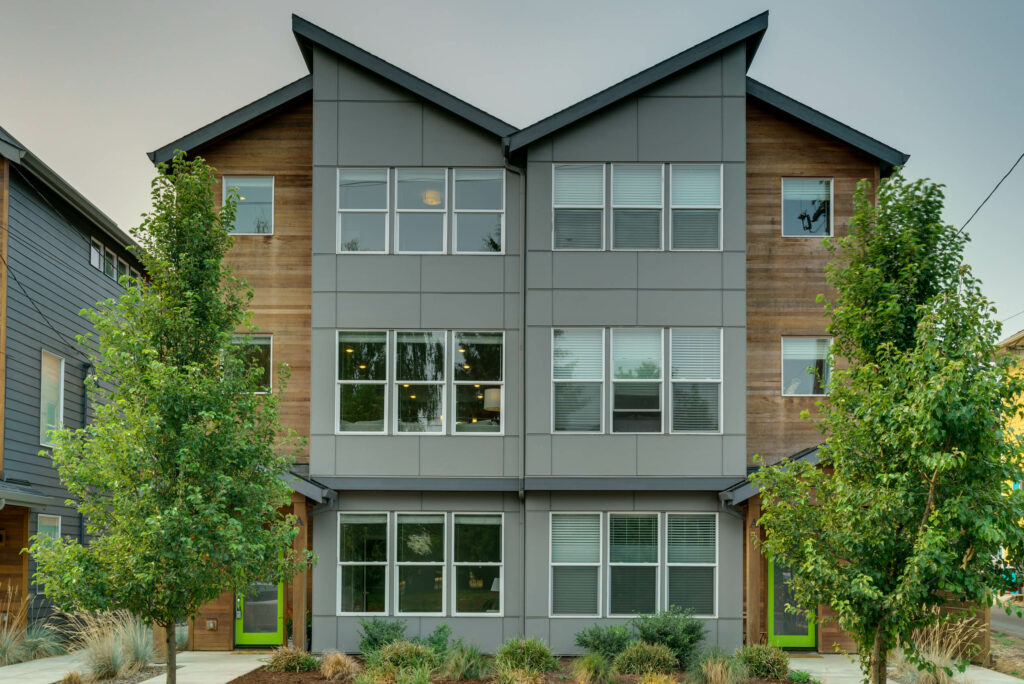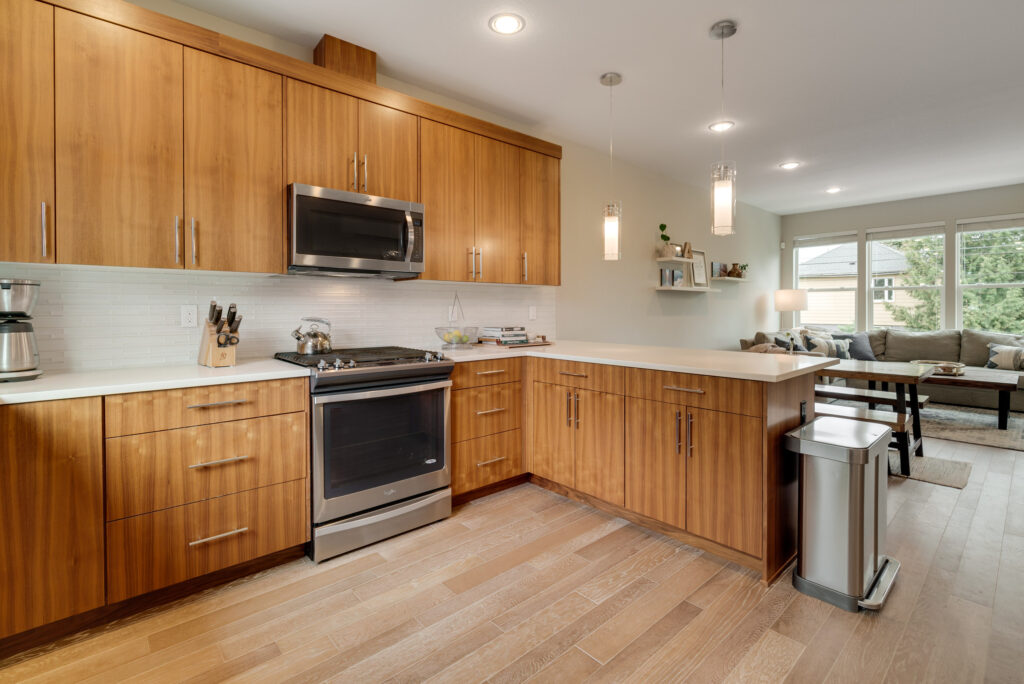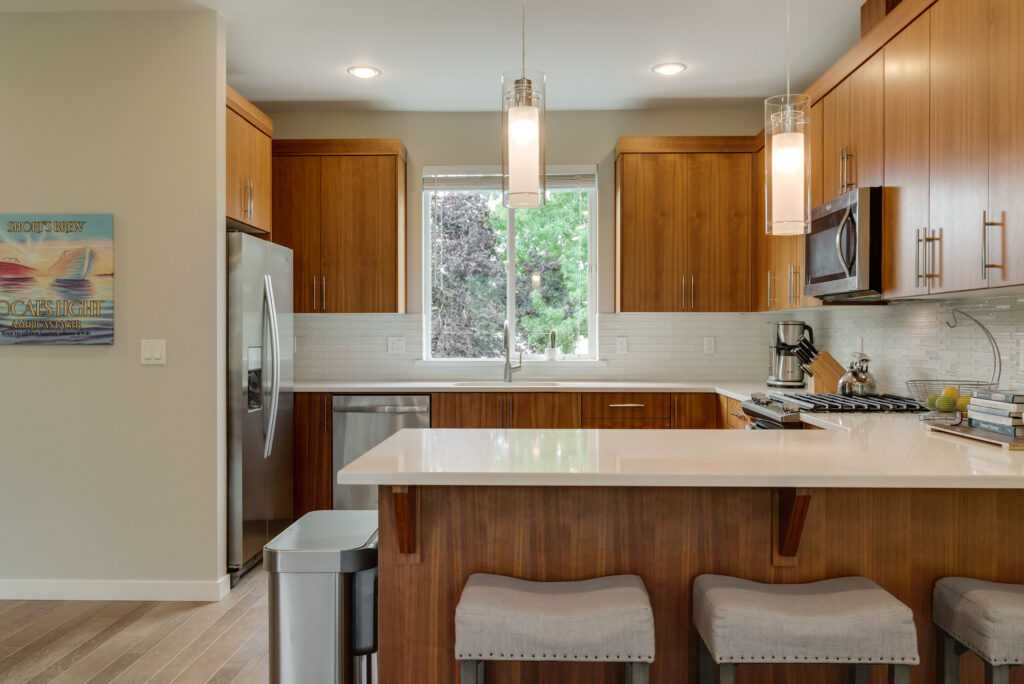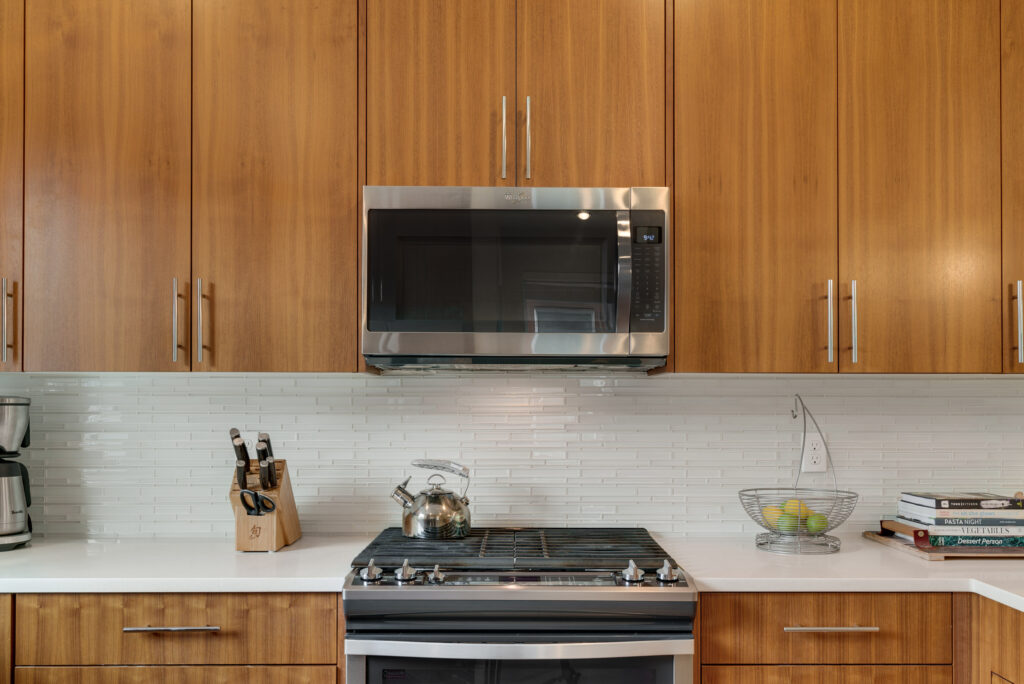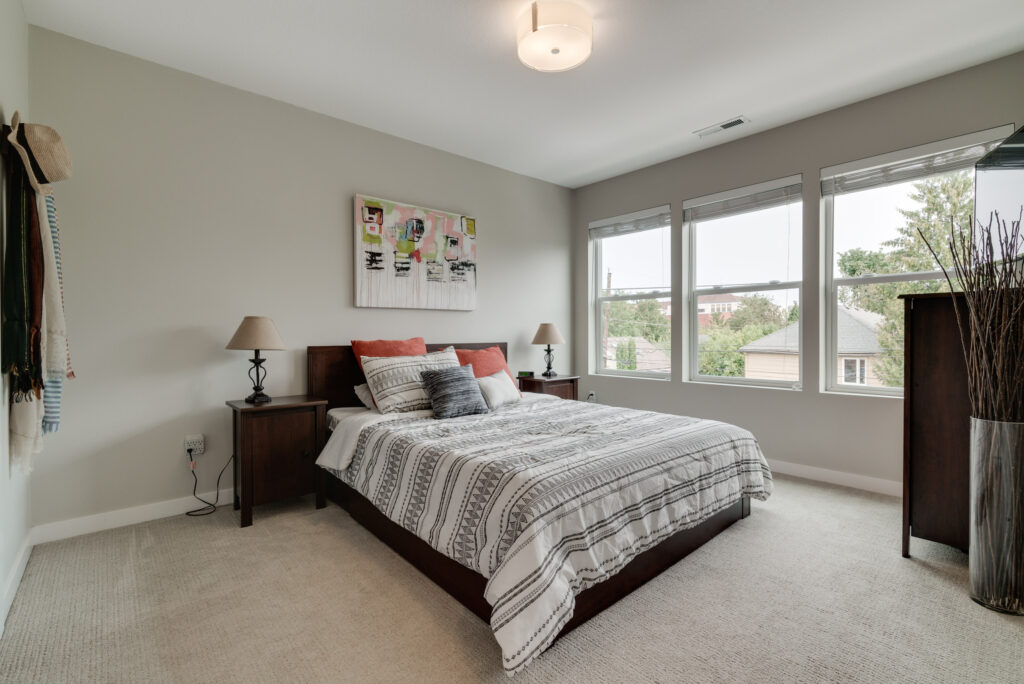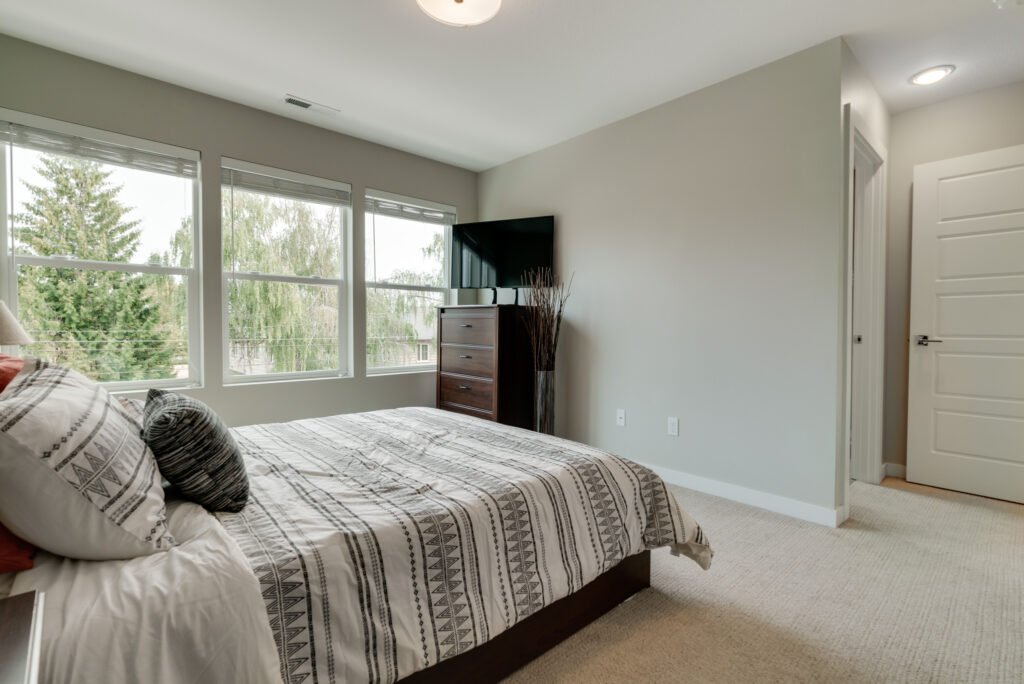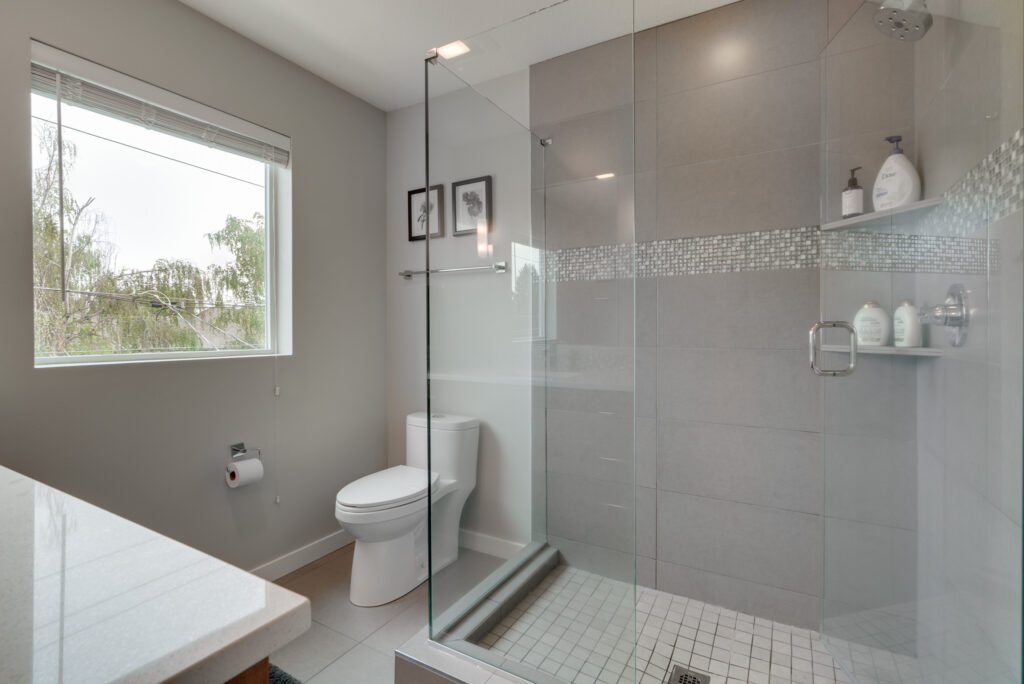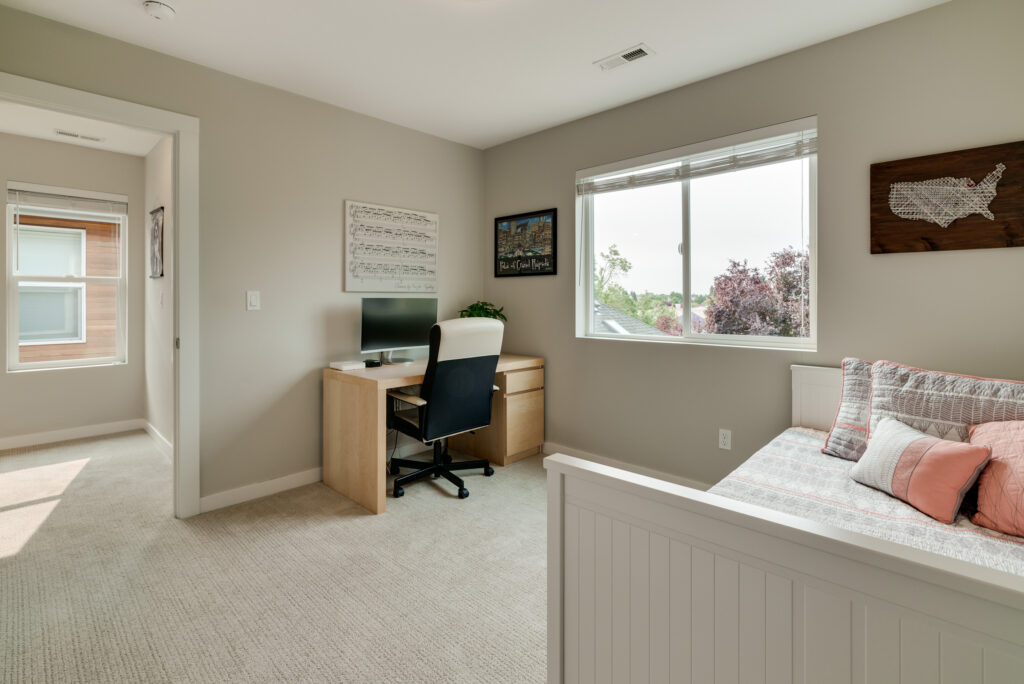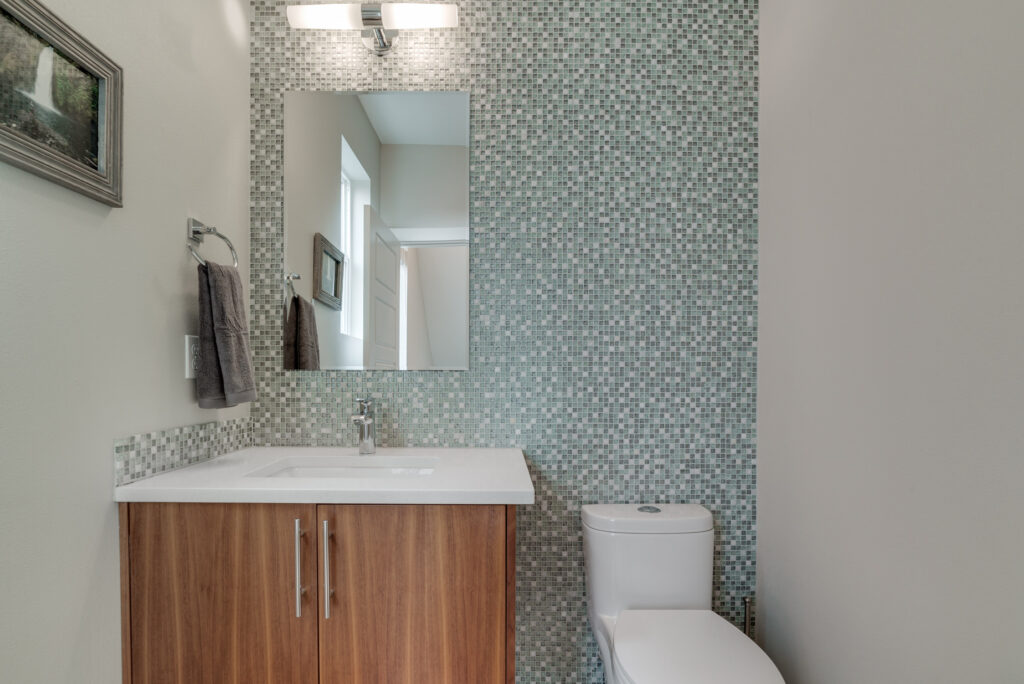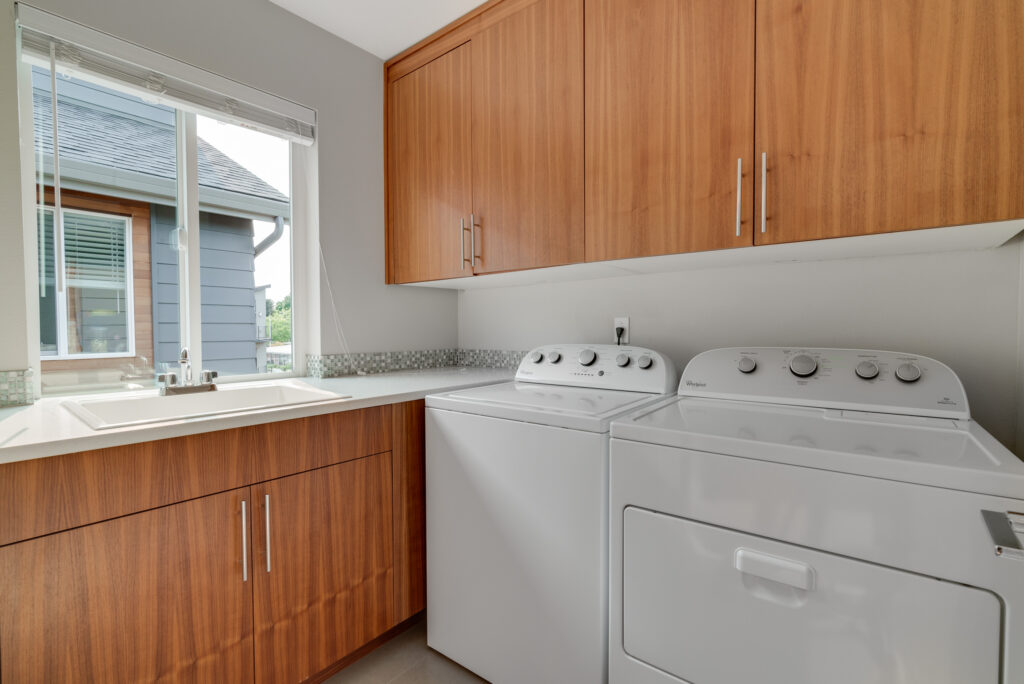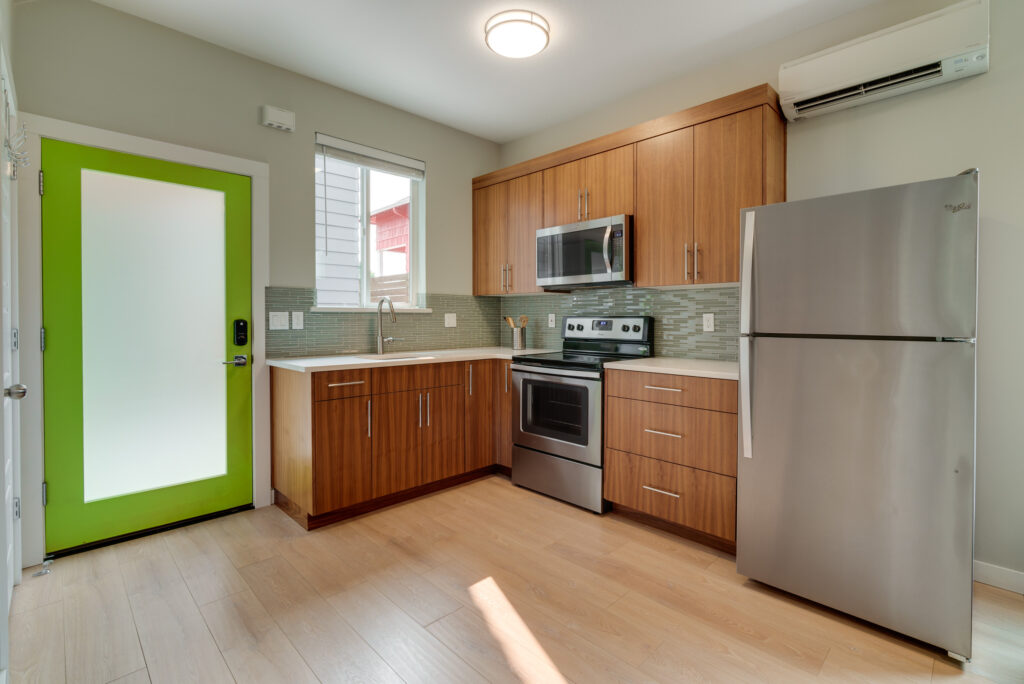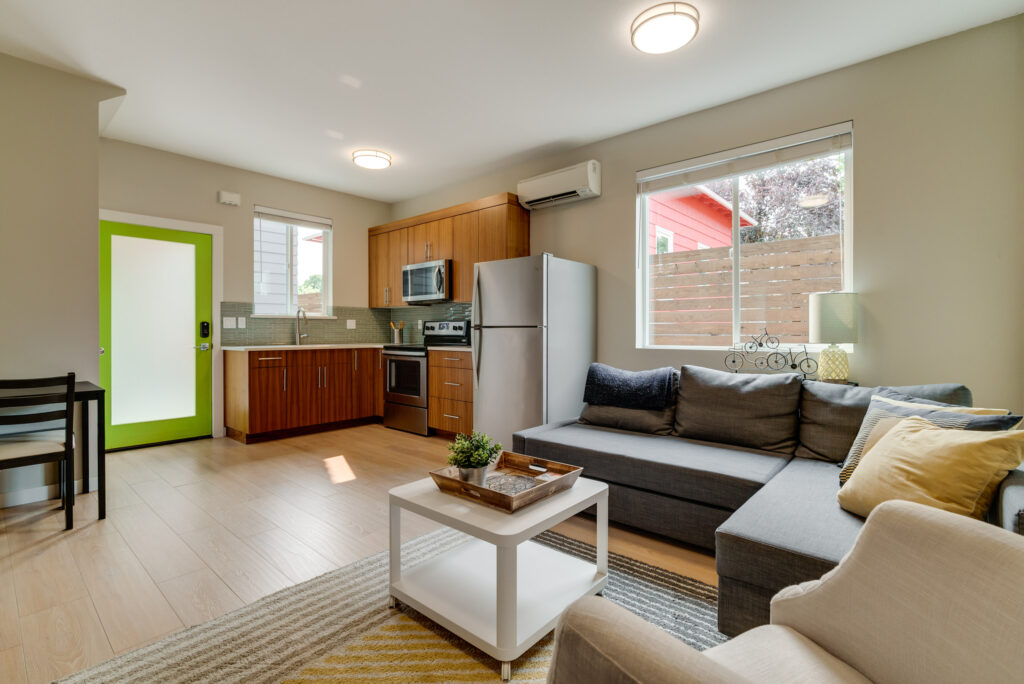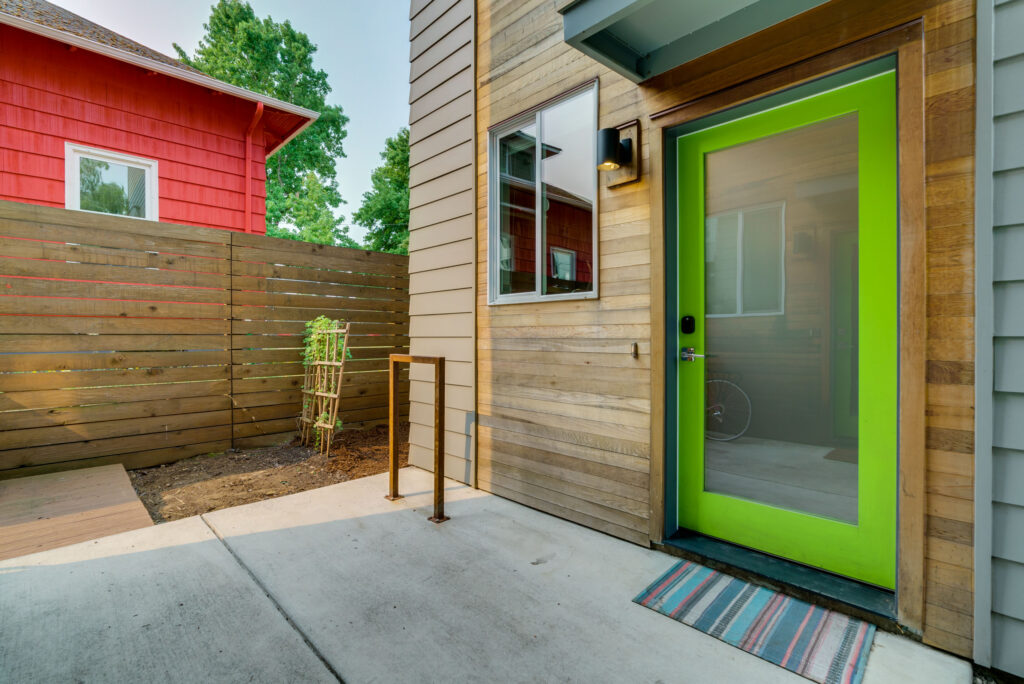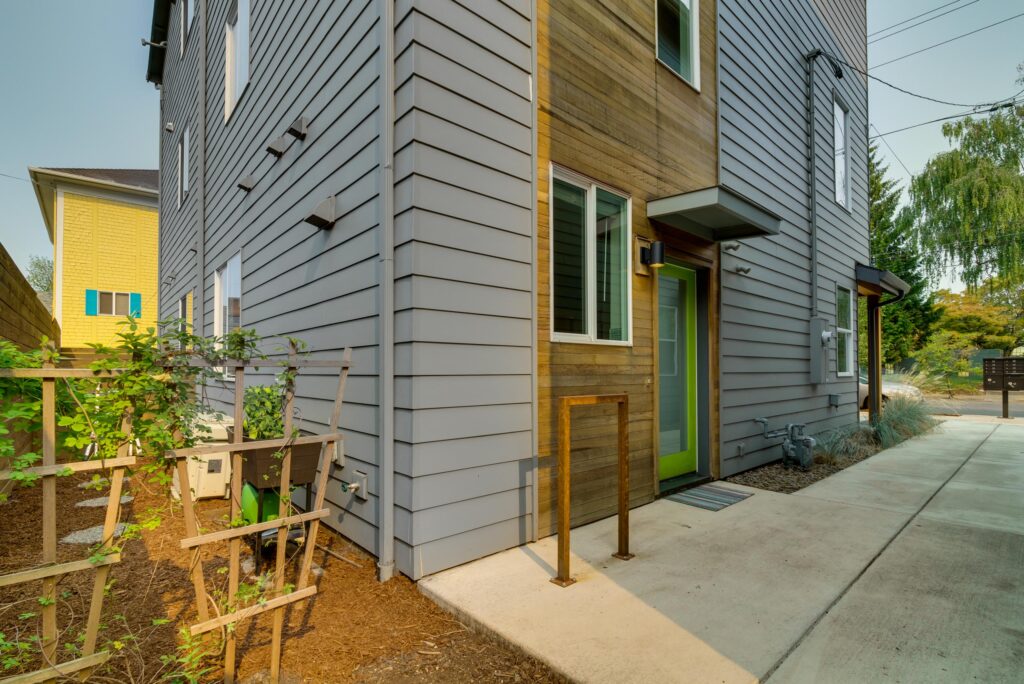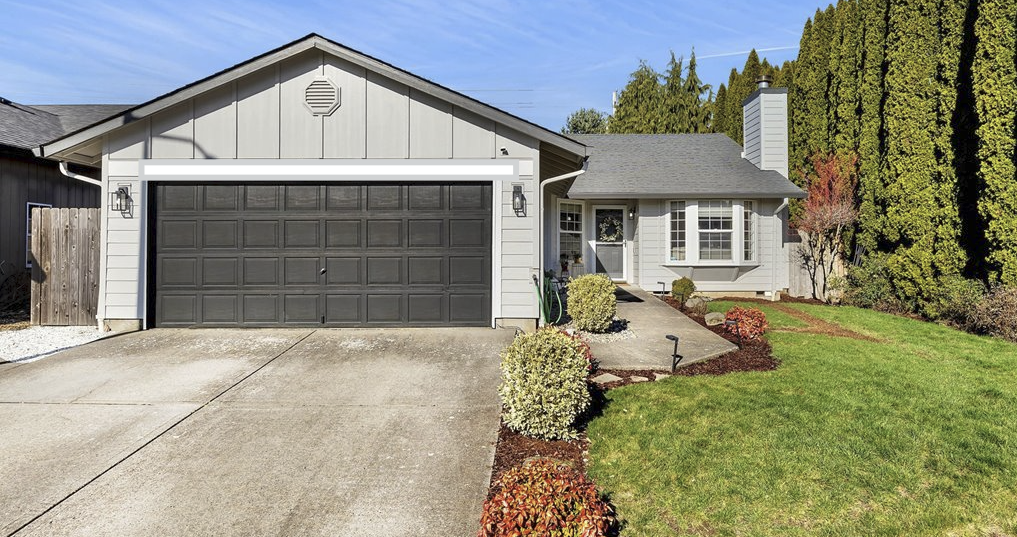
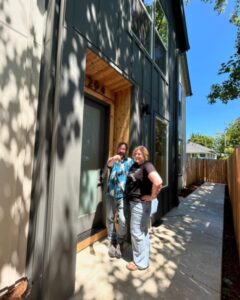
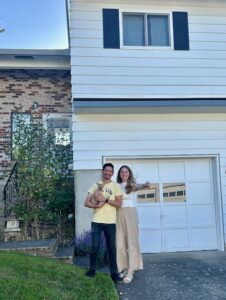
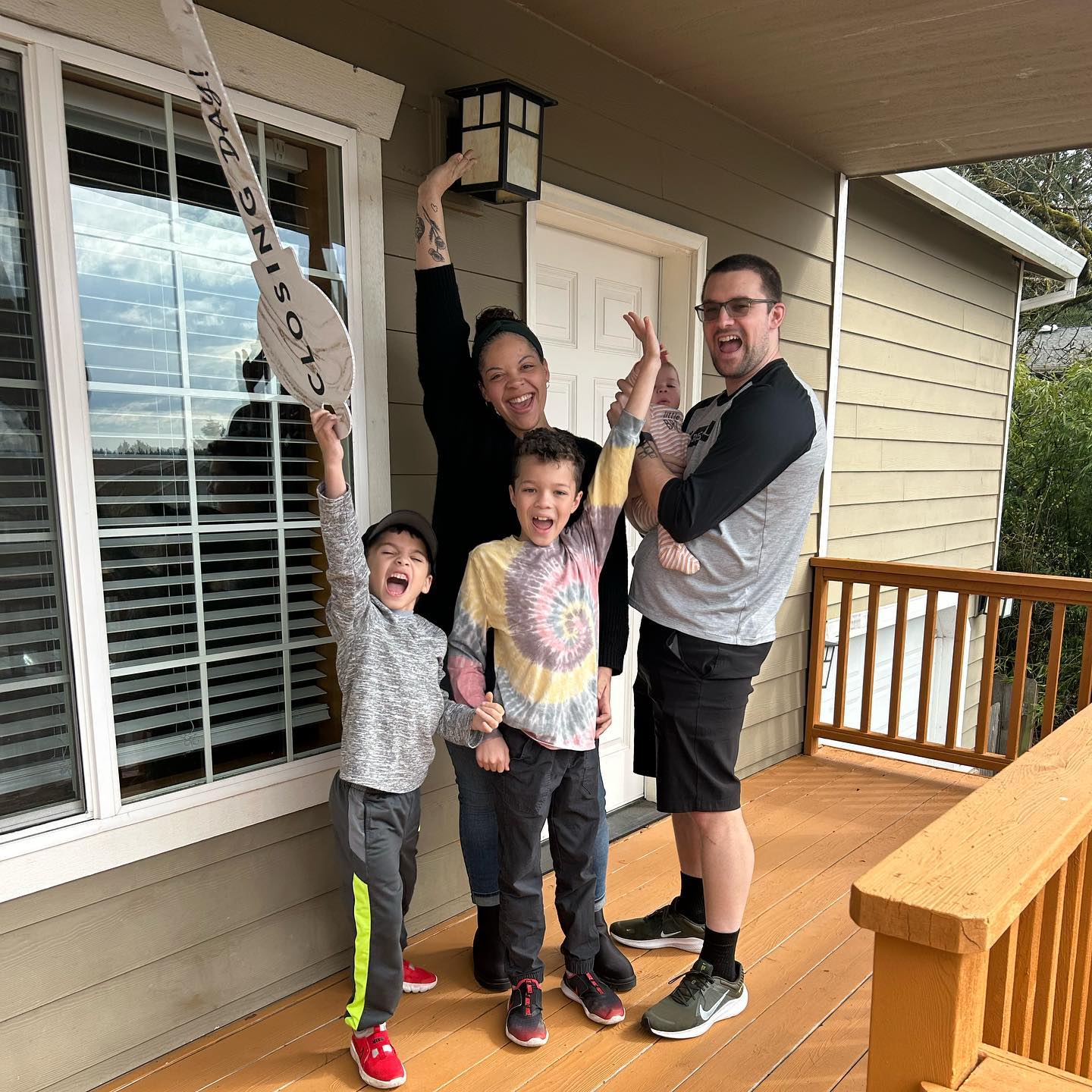
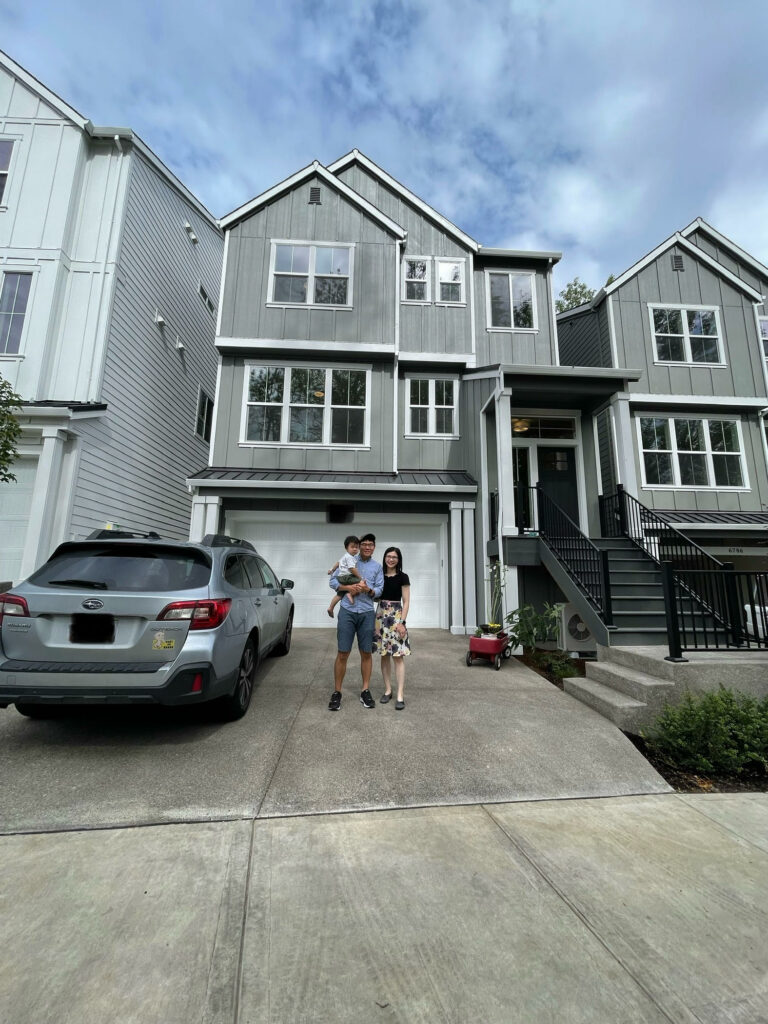
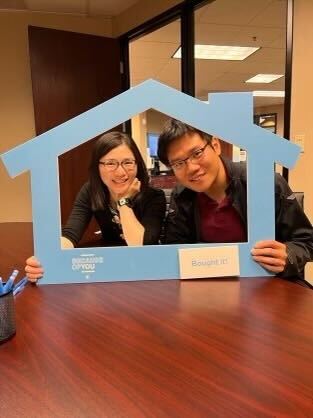
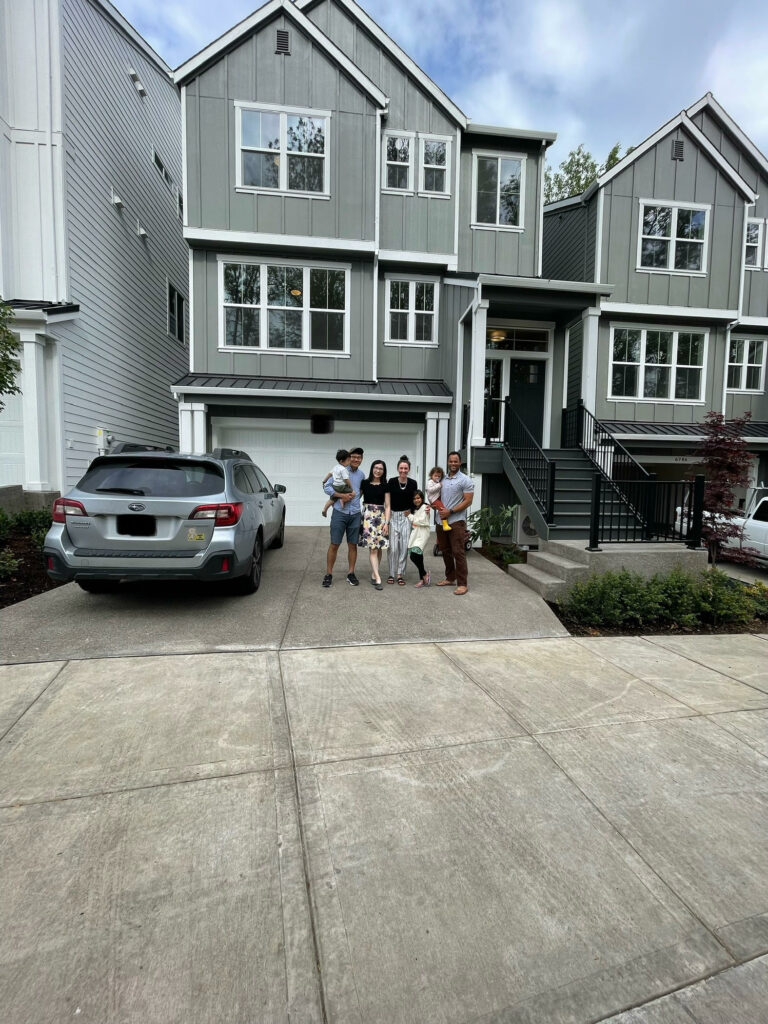
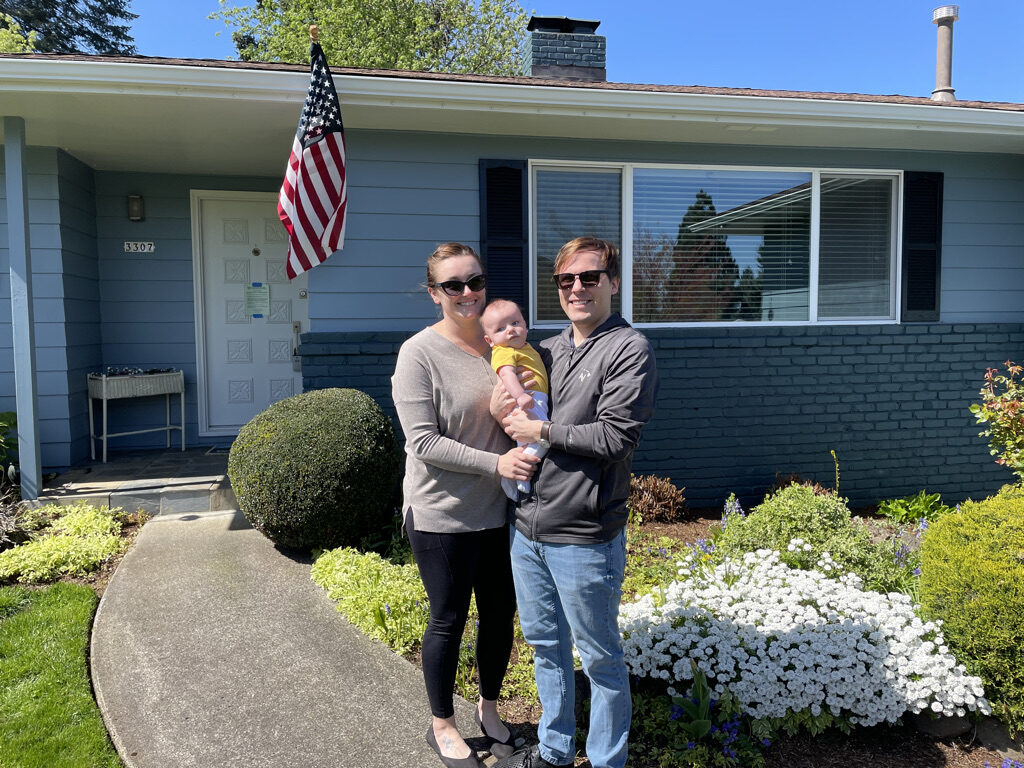
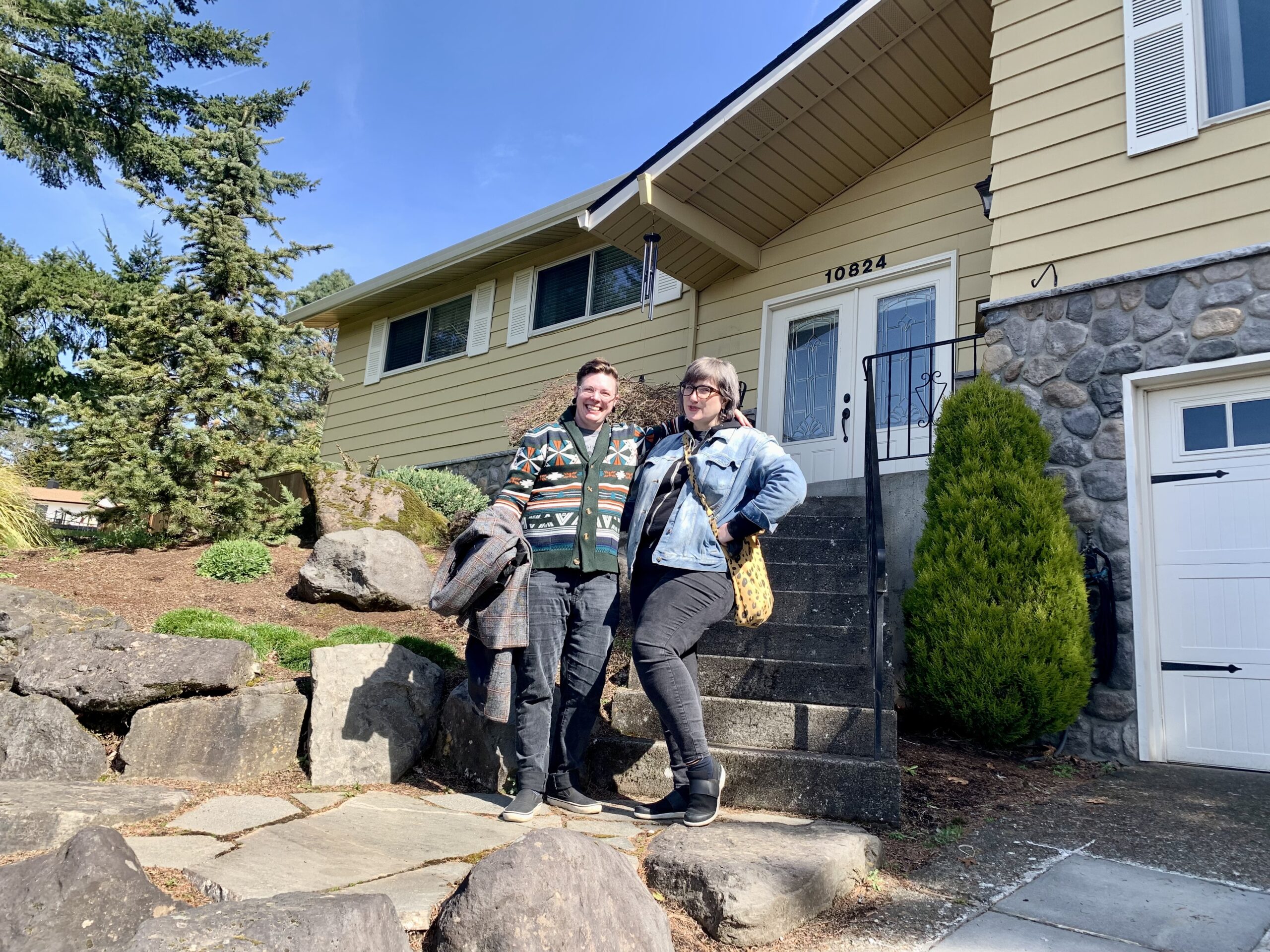
Congratulations to Brianna & Ramon on Their New Home!
I met Brianna and Ramon a couple of years ago during a first-time homebuyer class. The goal of that class was simple—give people the tools they needed so they’d be ready whenever the time came. They took that information to heart, even knowing the timing wasn’t right yet, and stayed focused on their long-term dream of homeownership.
From Preparation to Pre-Approval
Fast forward to earlier this year… not only were they pre-approved, but they also qualified for down payment program. Let’s go!!! About a week later, Brianna and I met to learn more about what she and Ramon needed in a home. It didn’t take long to see who they were at their core—hardworking, kind, and completely devoted to their family. They had raised five children and, with their youngest graduating high school in the next year, it was time to consider a home for just the two of them.
The Home Search Begins
These two meant business! Within a week, we were out touring homes. One of my favorite parts of touring is hearing how clients imagine themselves in a space—it tells me so much about how they live and what matters most to them. Between busy work schedules, basketball games and all the things that come with raising a family (seriously—super parents!), we saw a lot of homes… Some were beautiful, some were surprising, and one very memorable one will forever be known as “the urinal house”.
Navigating a Competitive Market
They started their search during the beginning of the year, which also meant a lot of competition from anxious buyers. We wrote multiple offers that didn’t get accepted (and yes, even got ghosted a time or two). It wasn’t easy, but what stood out to me most was their mindset. Brianna would always say, “I guess that wasn’t our house.” And she was right.
The One That Was Meant to Be
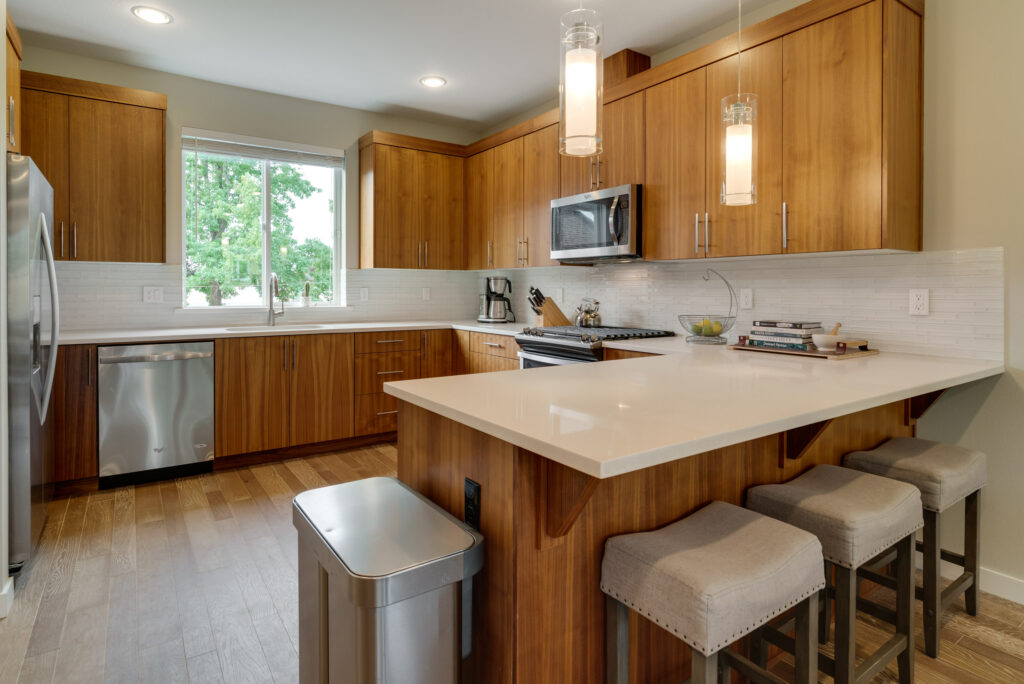
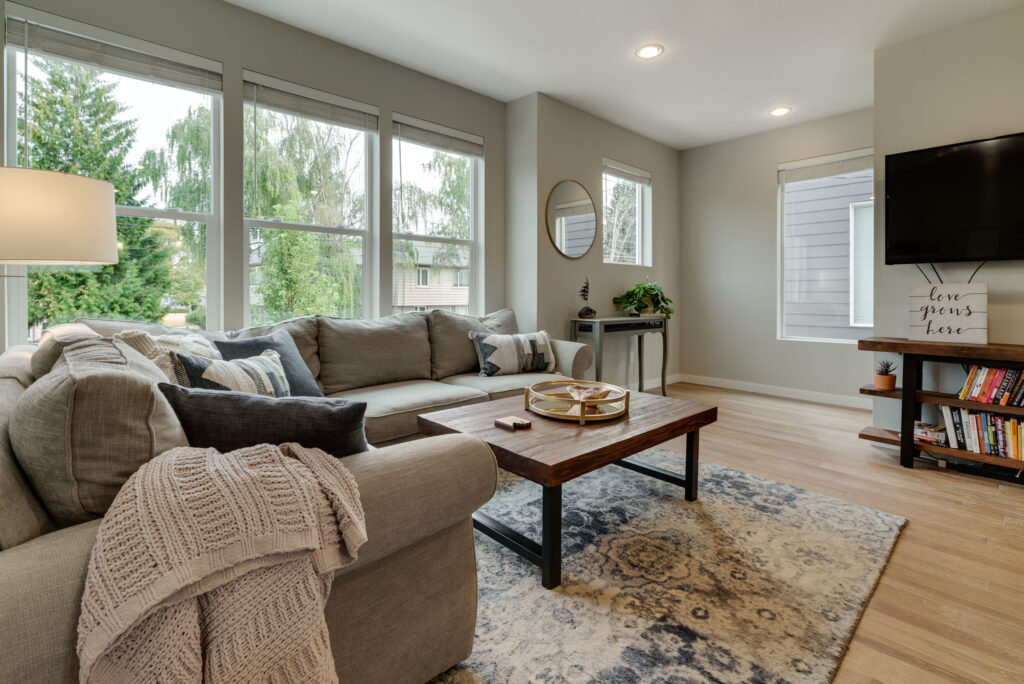
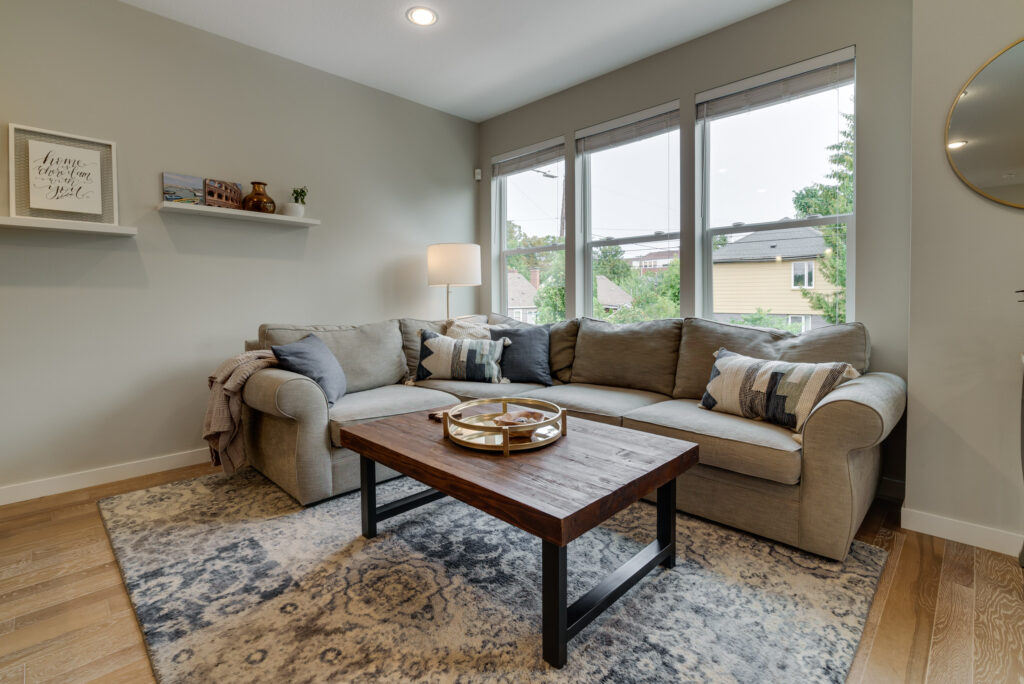
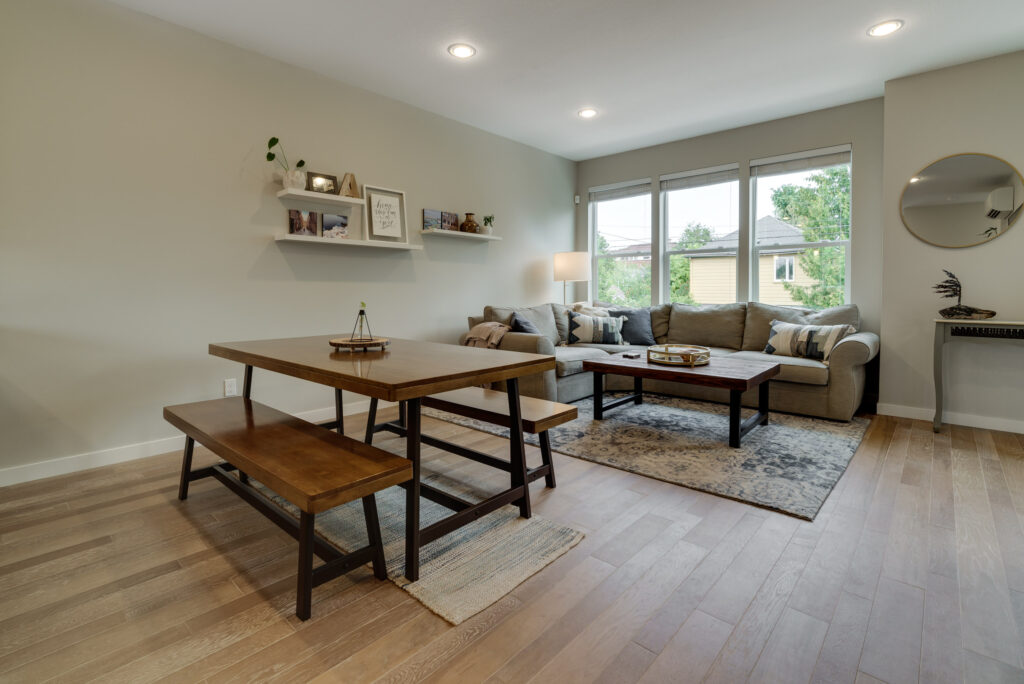
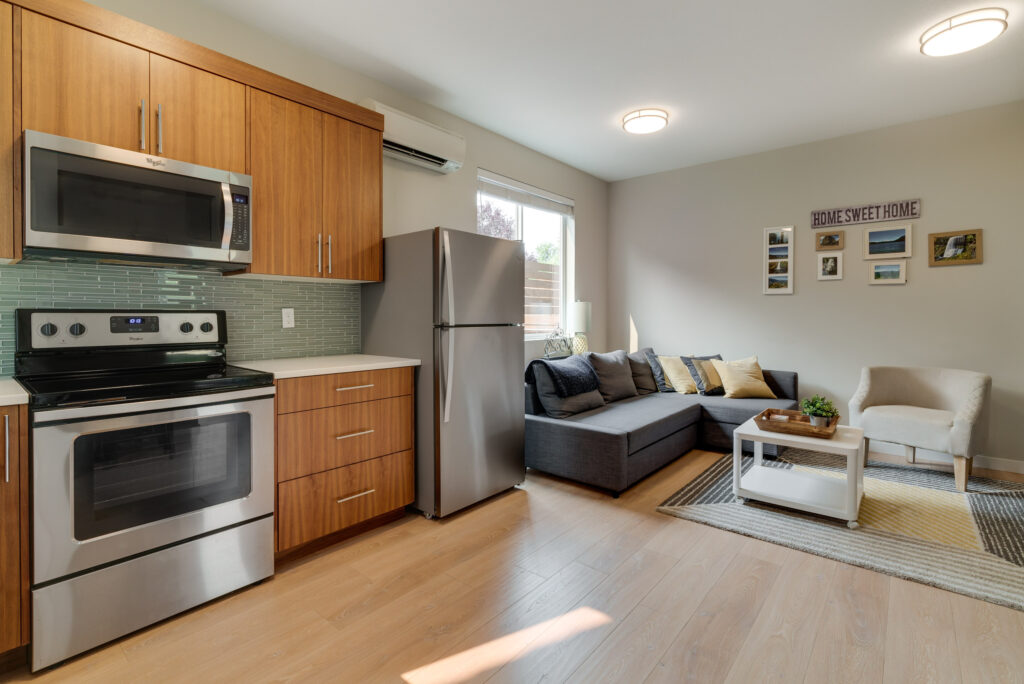
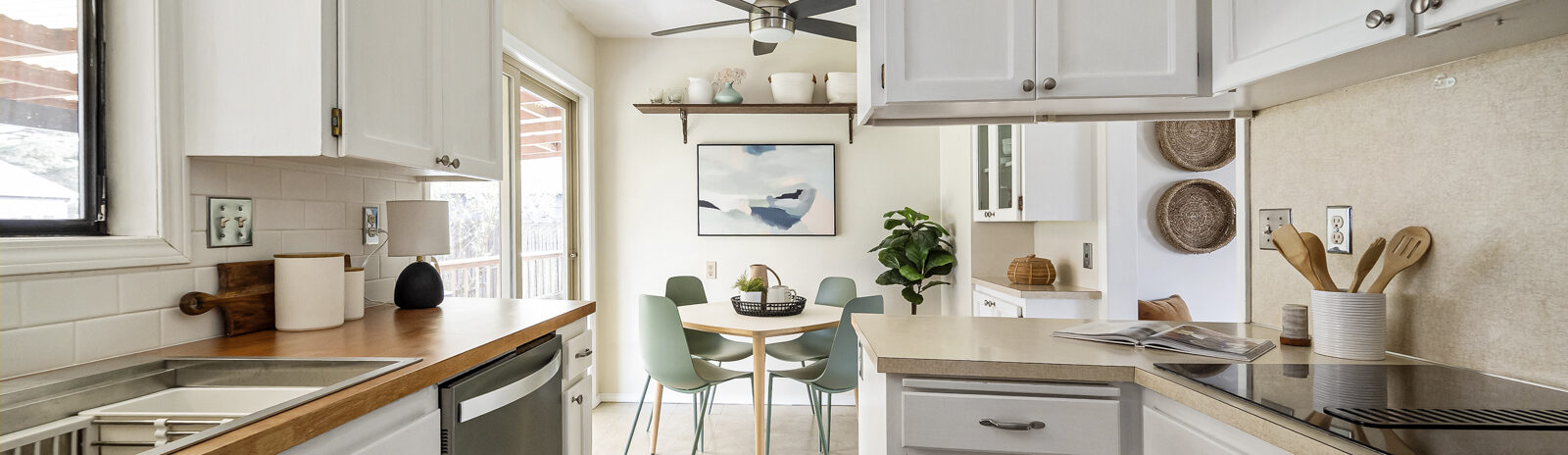
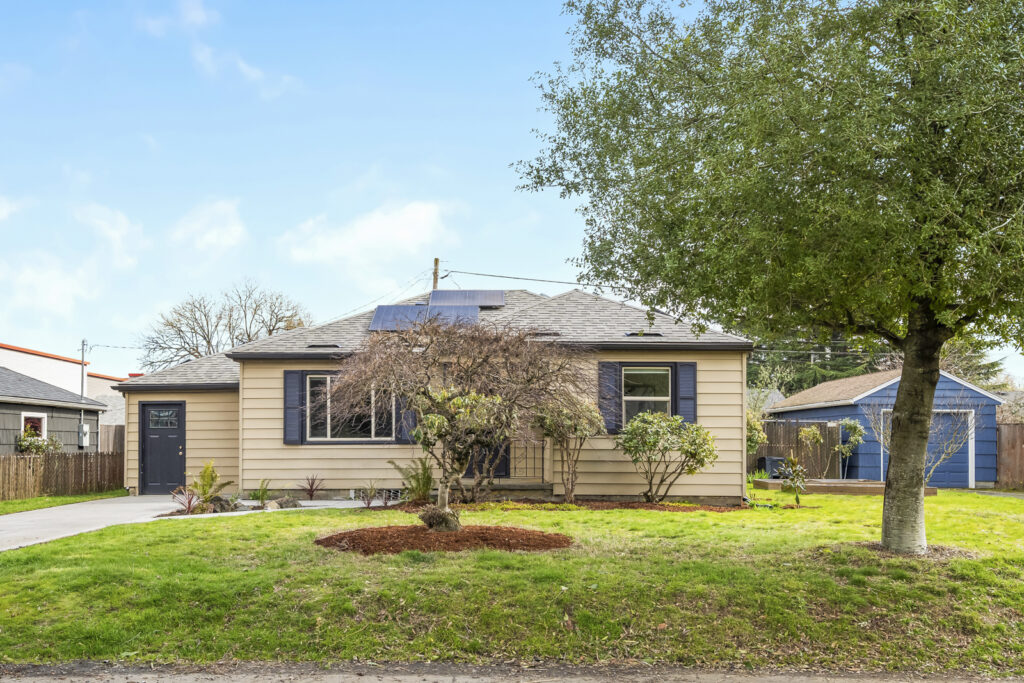
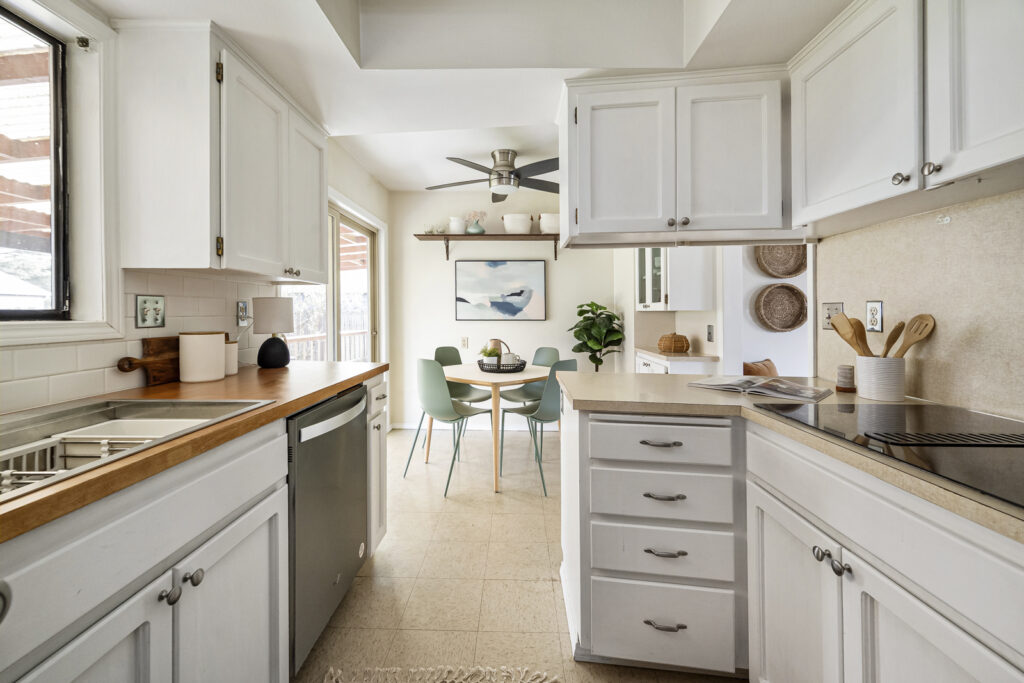
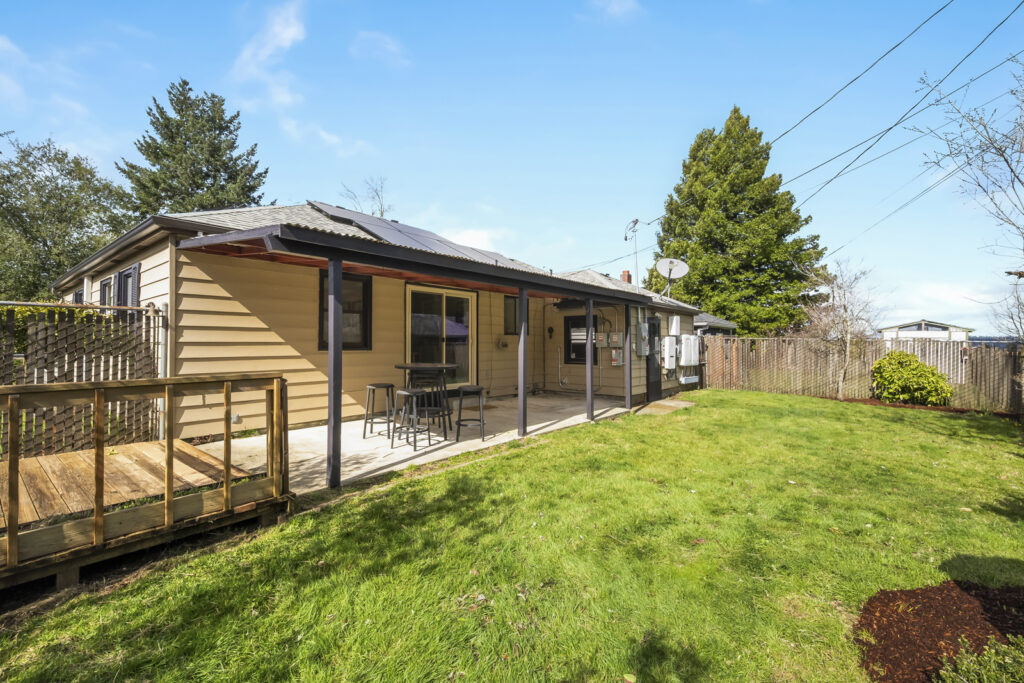
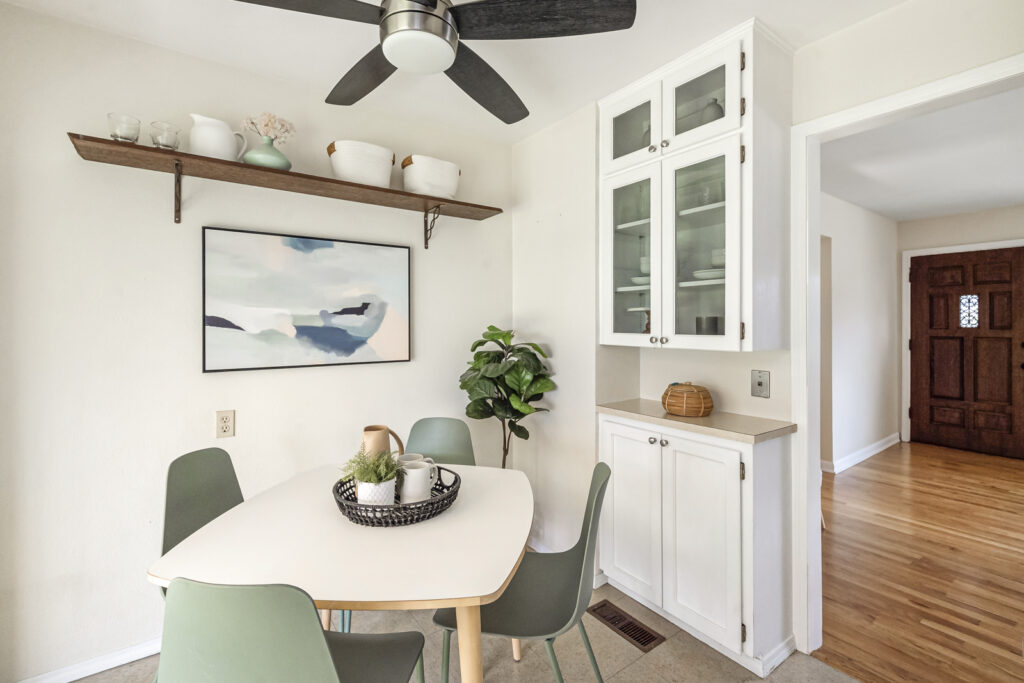
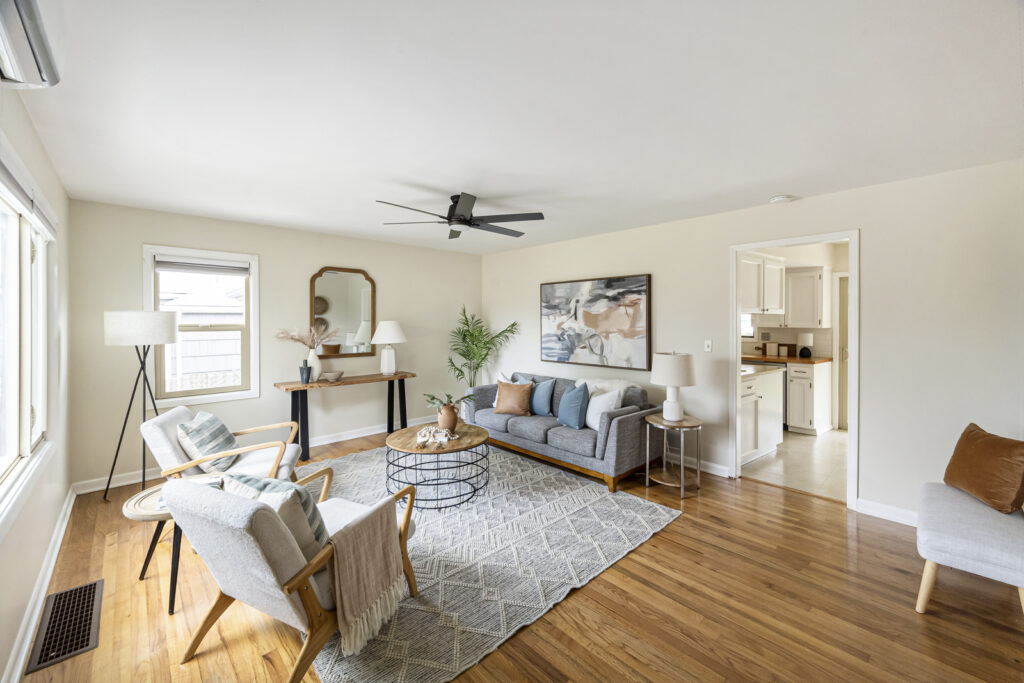
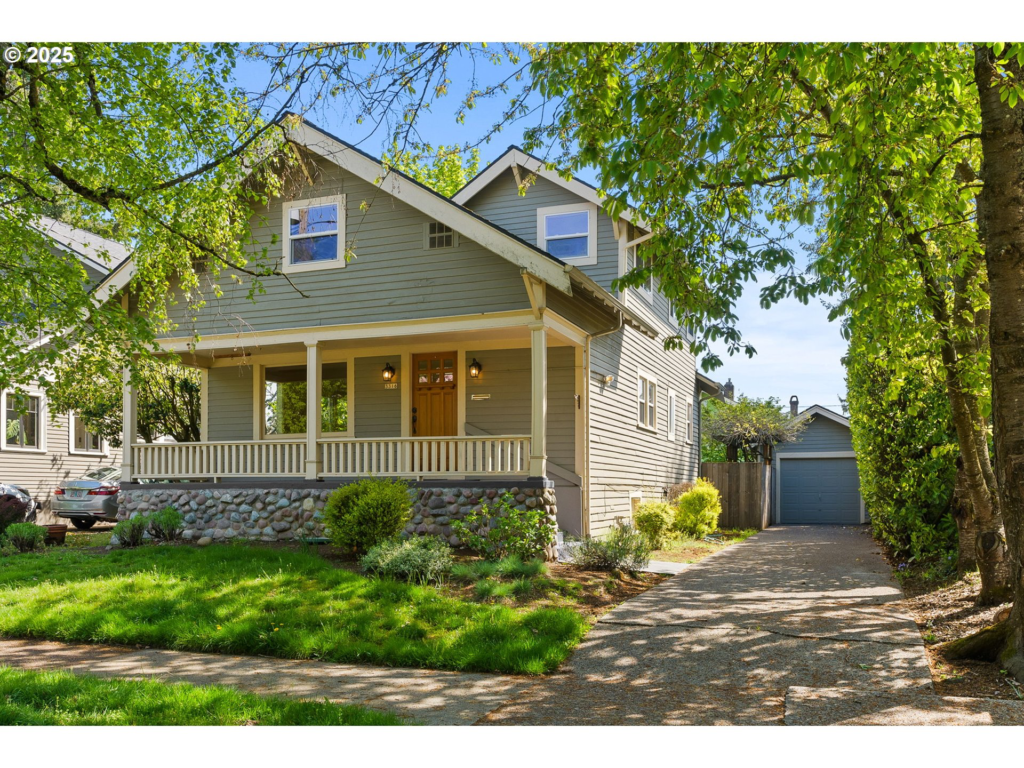
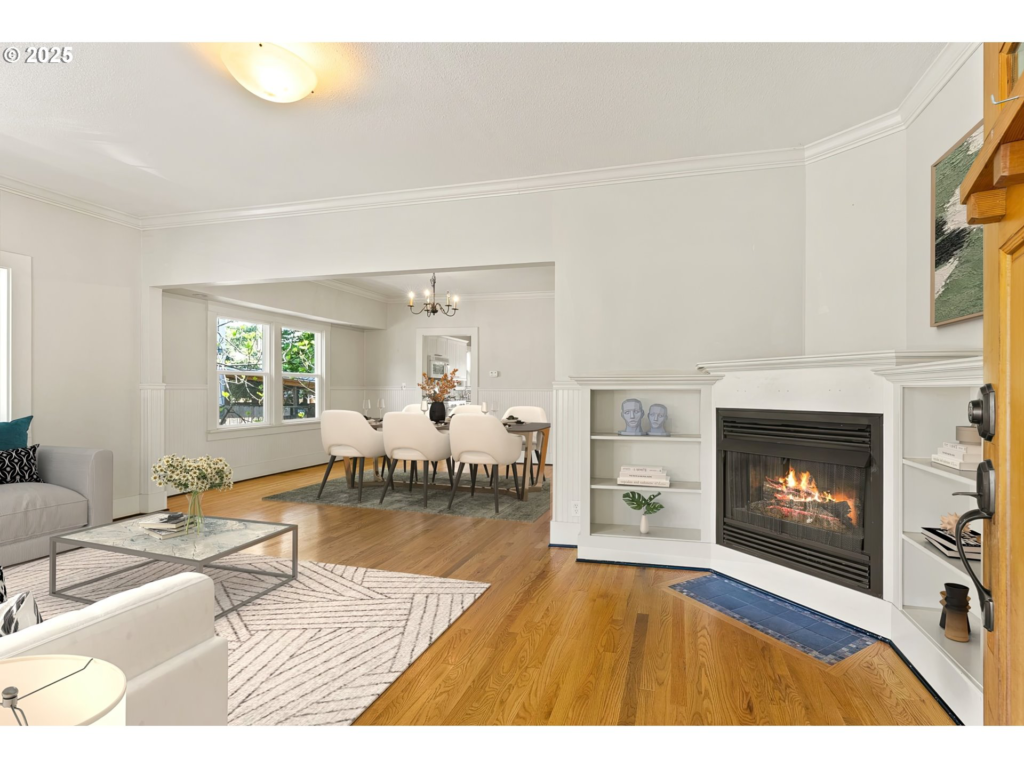
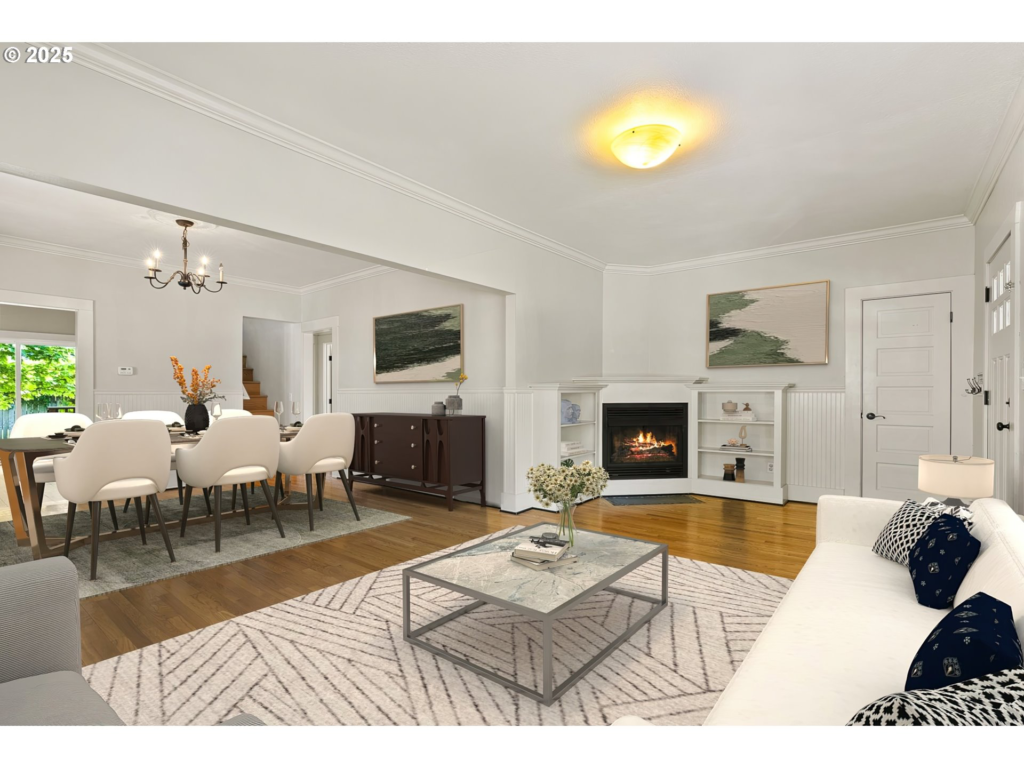
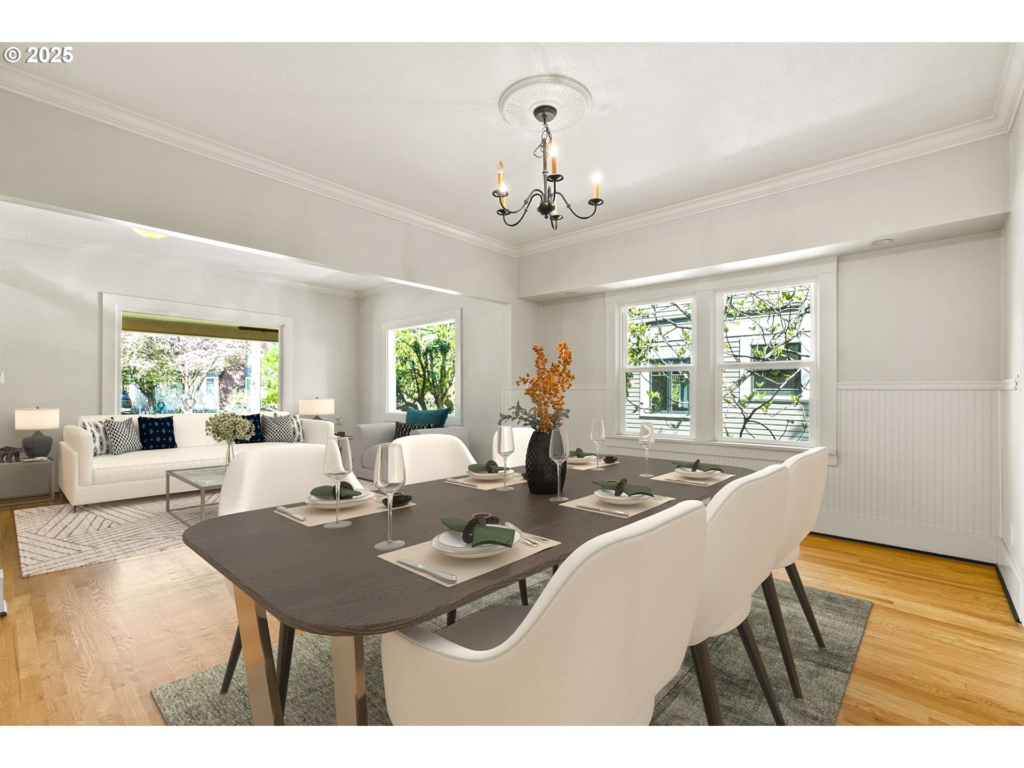
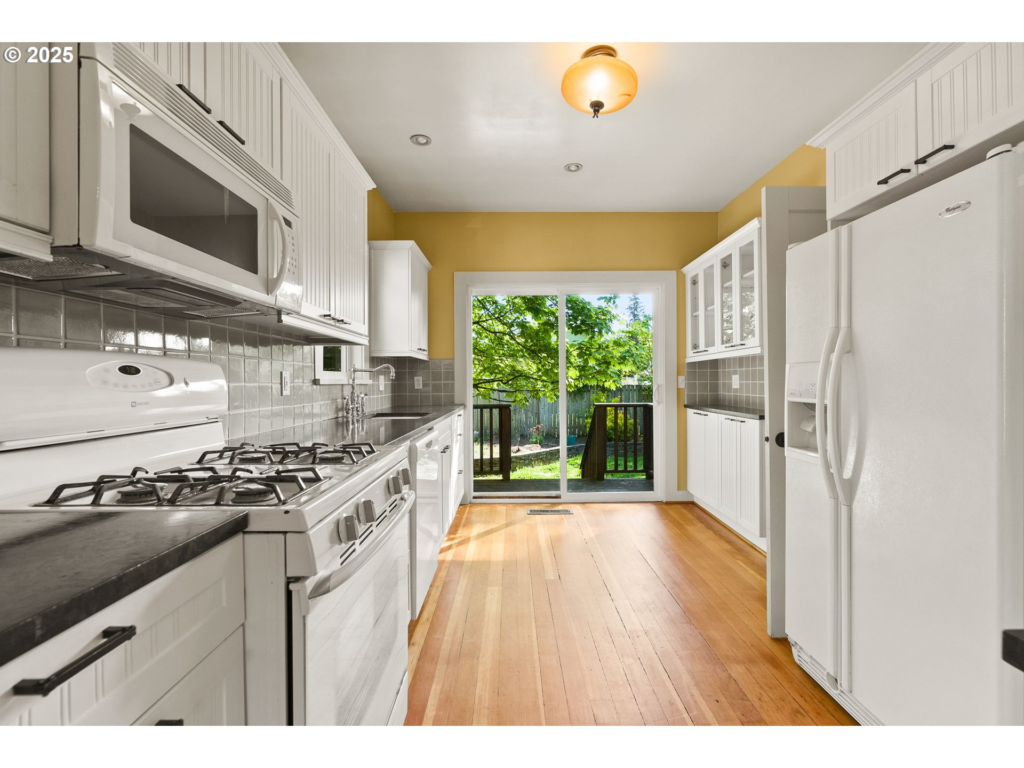
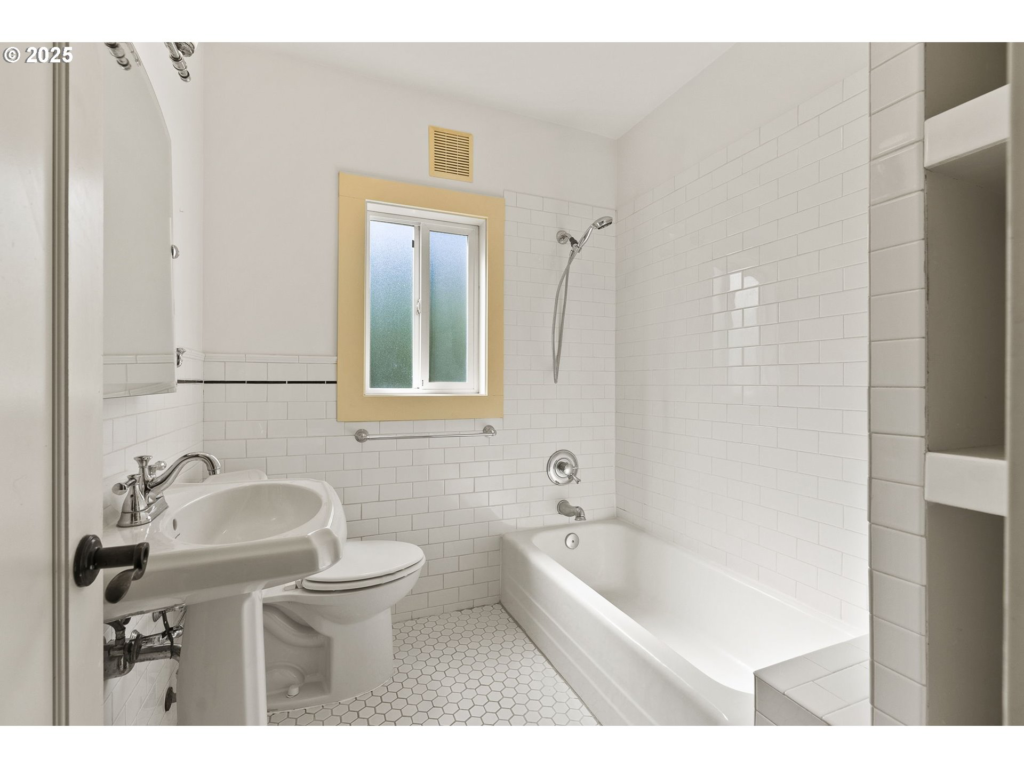
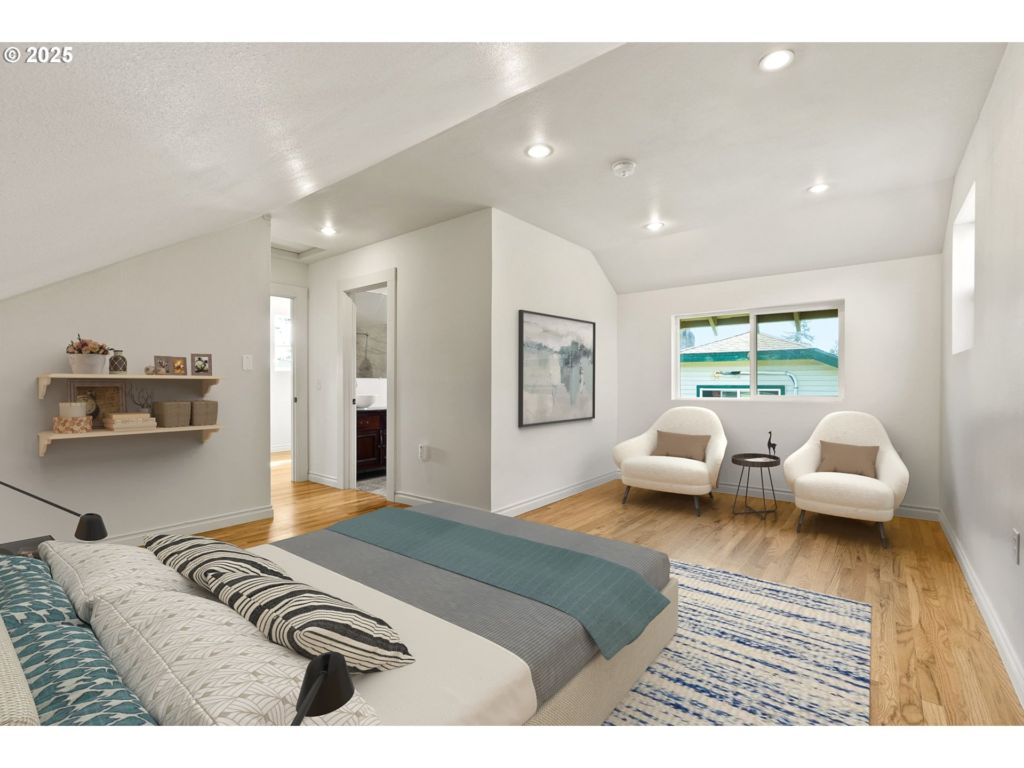
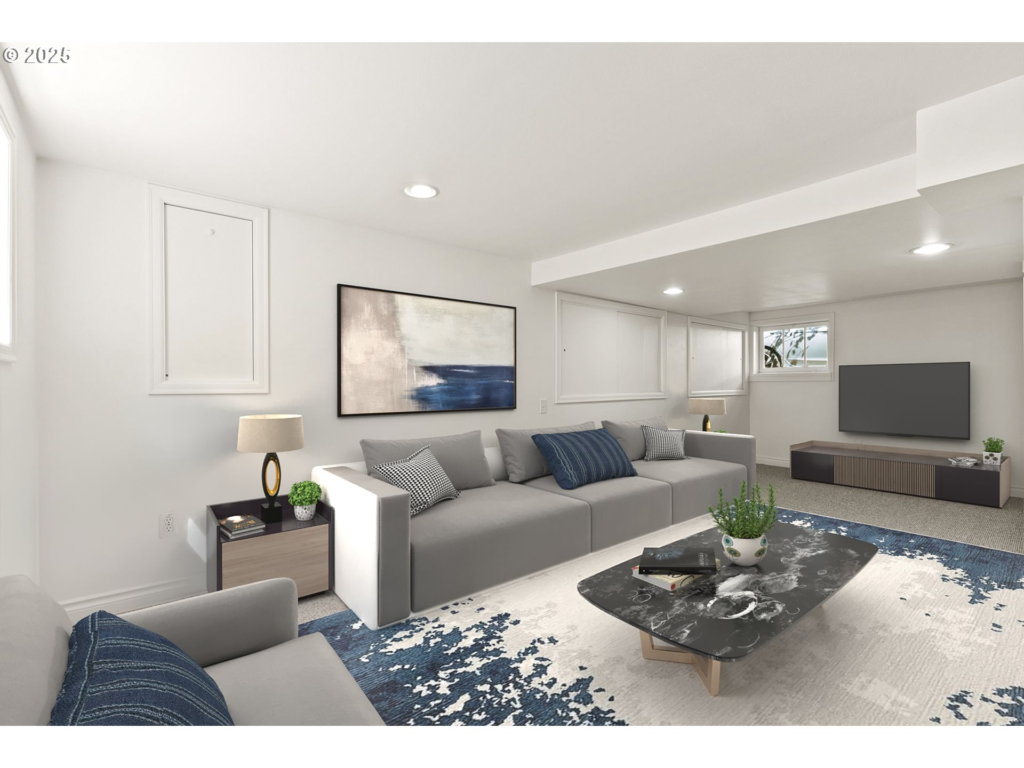
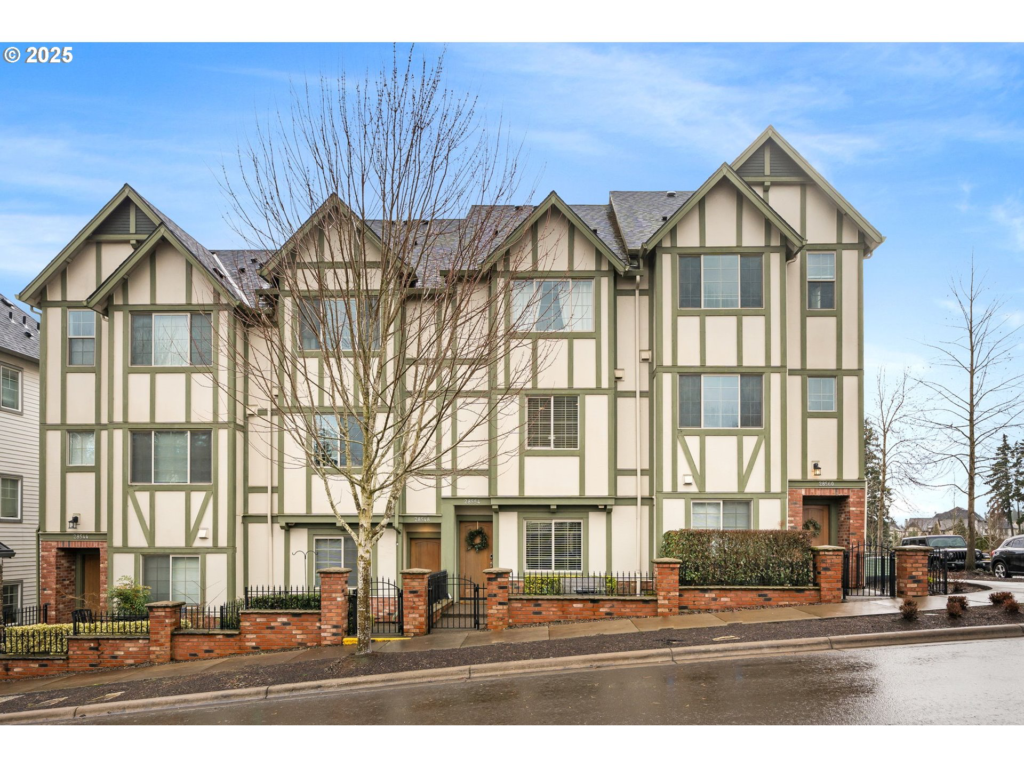
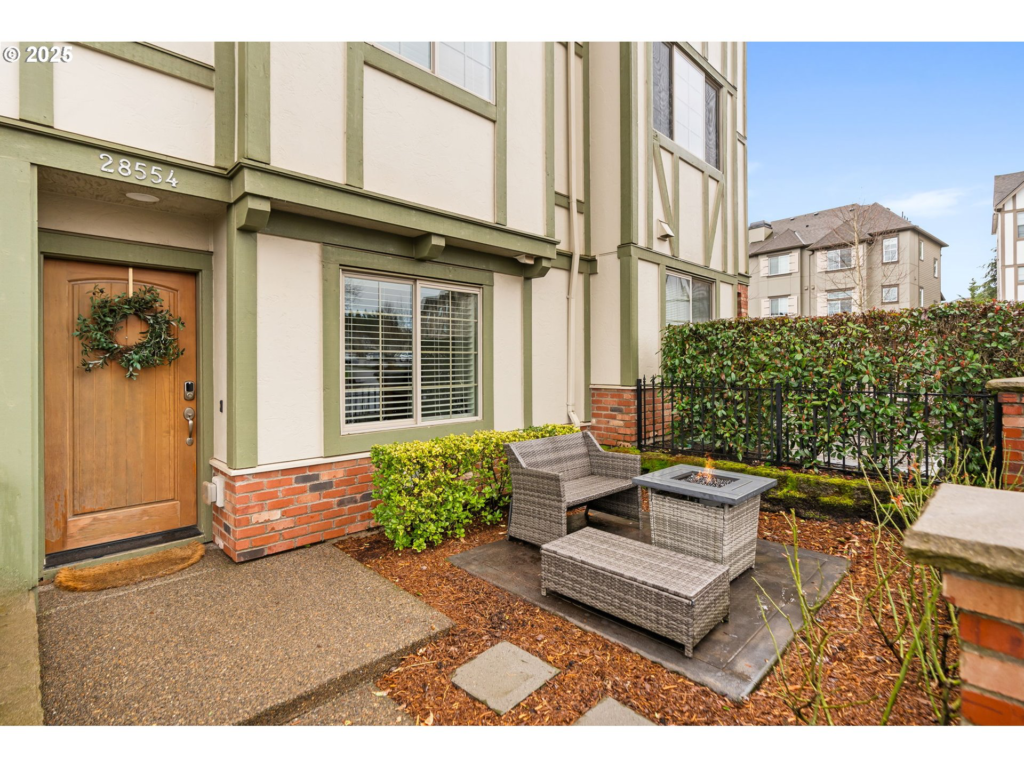
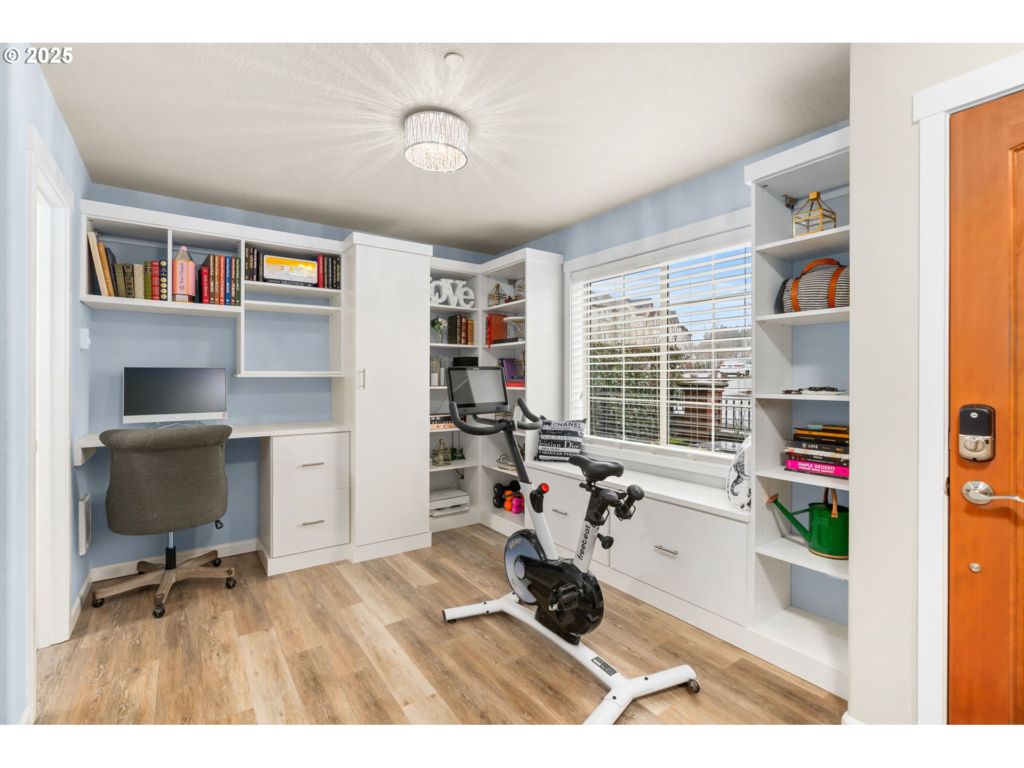
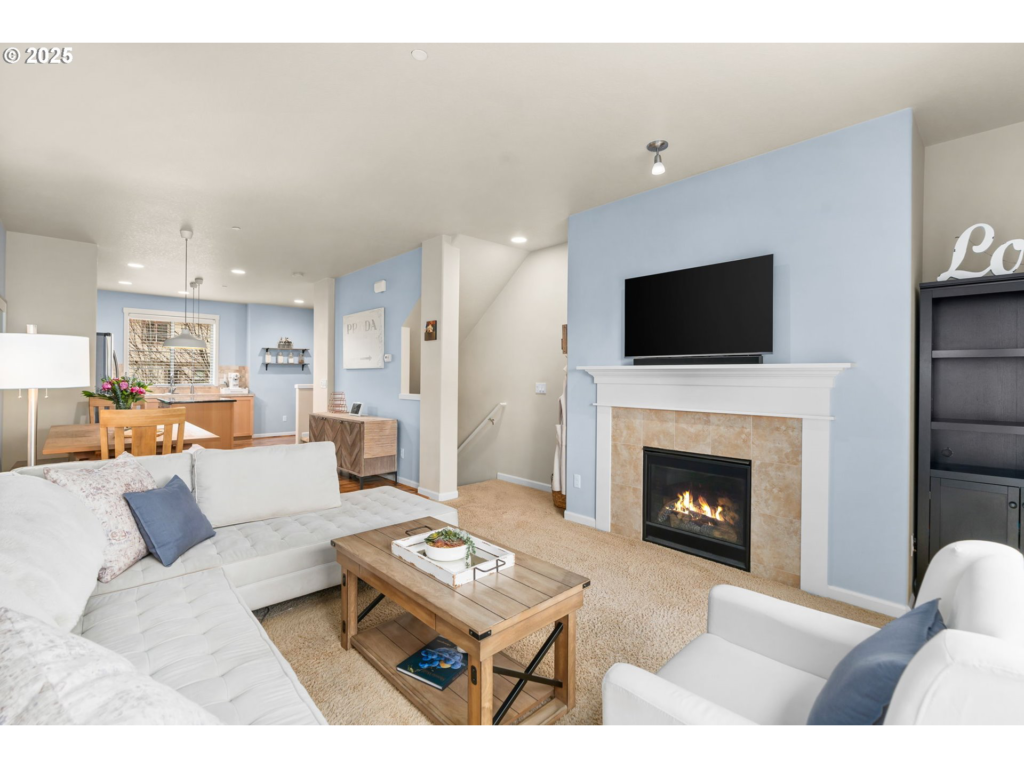
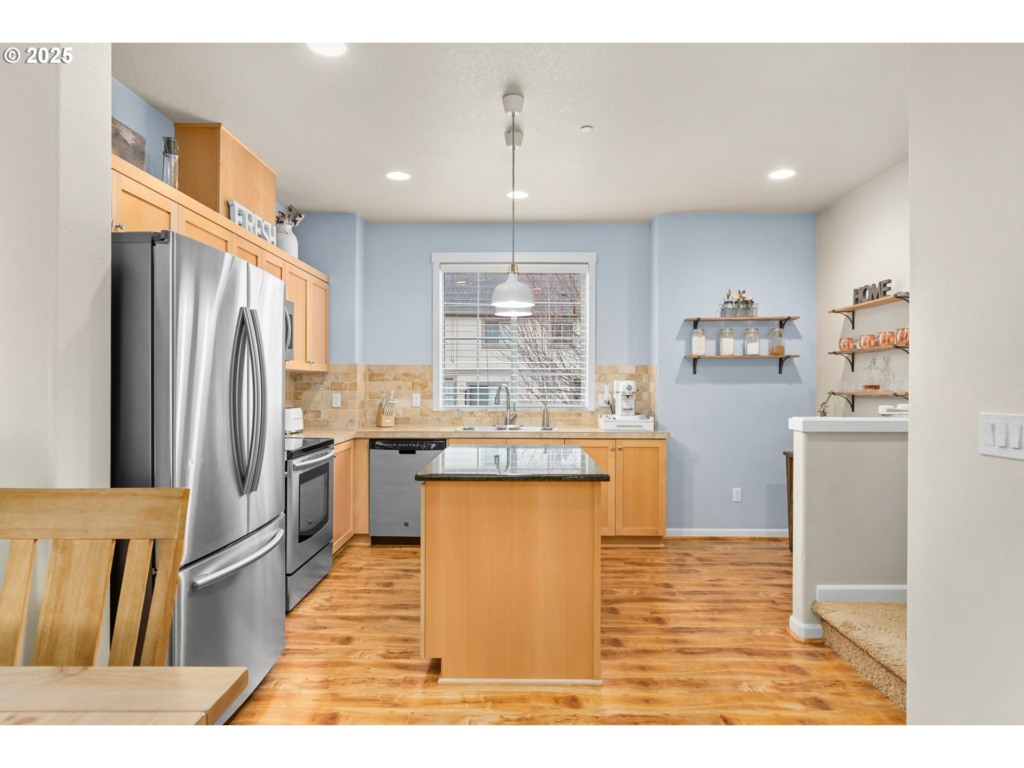
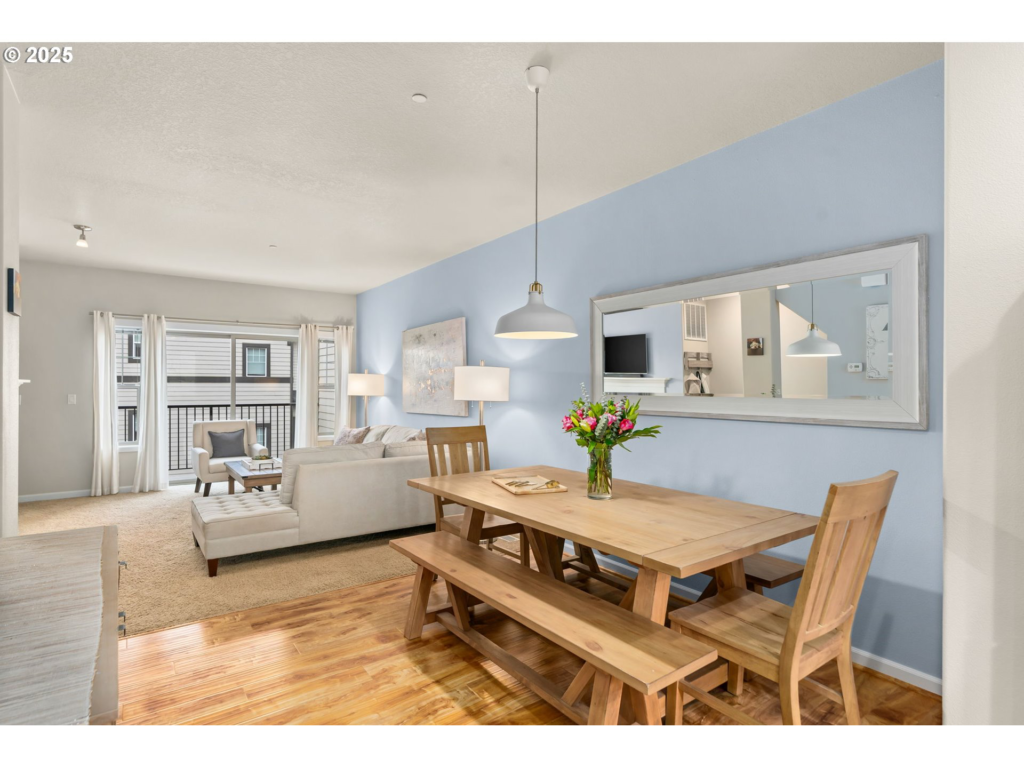
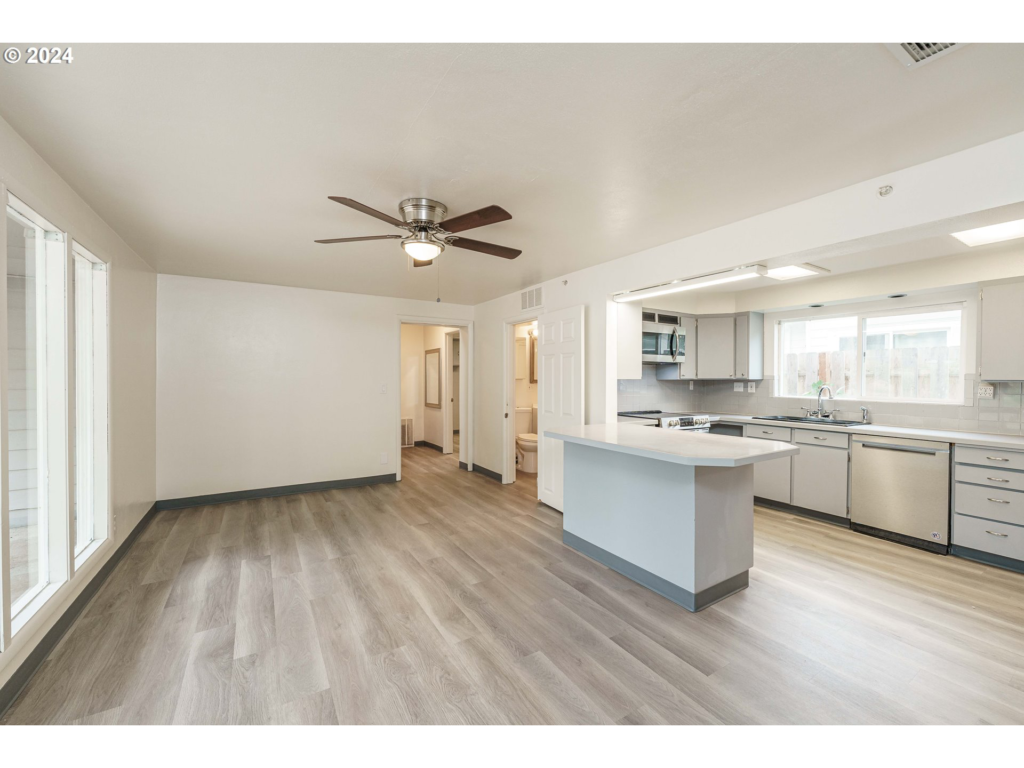
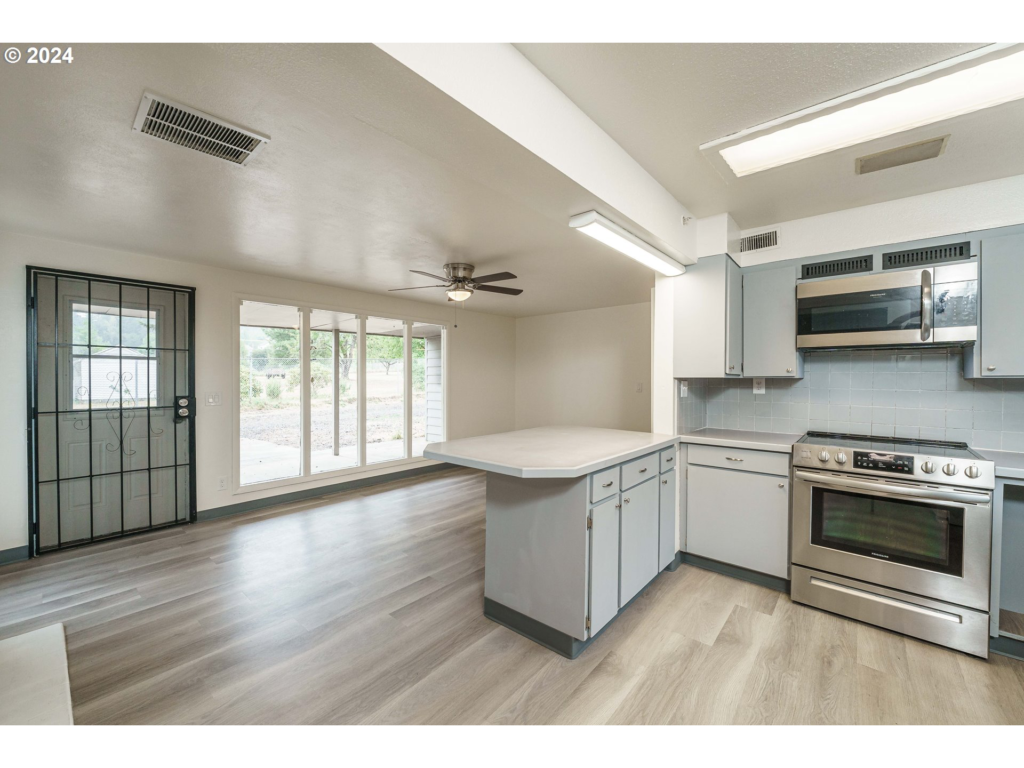
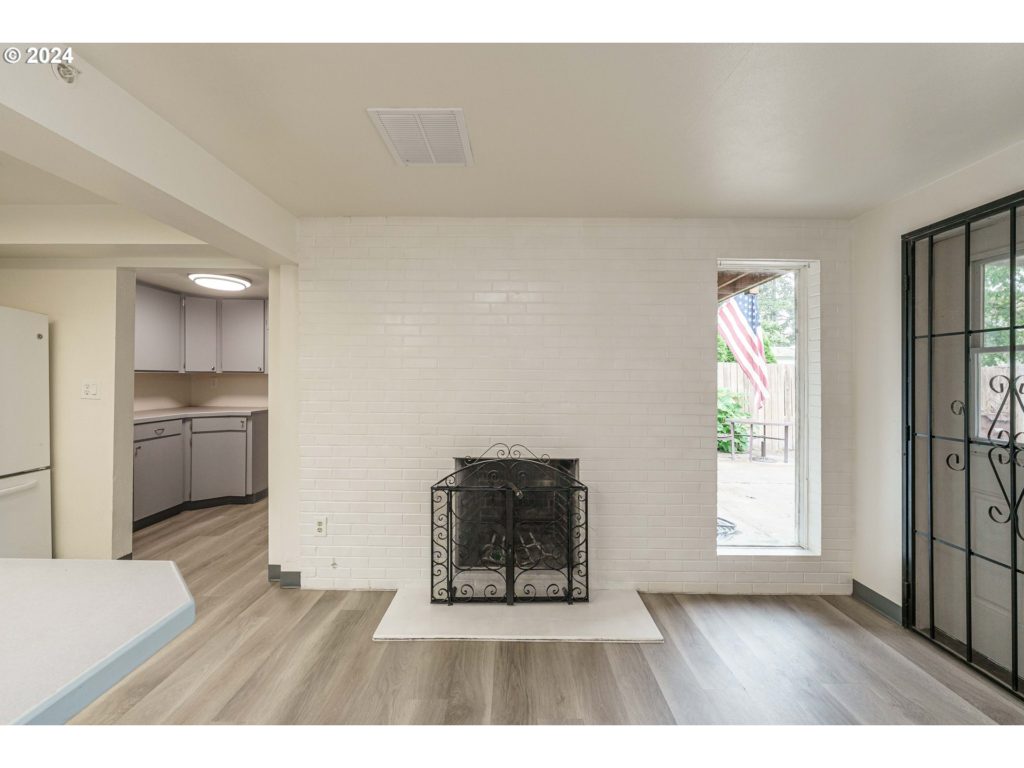
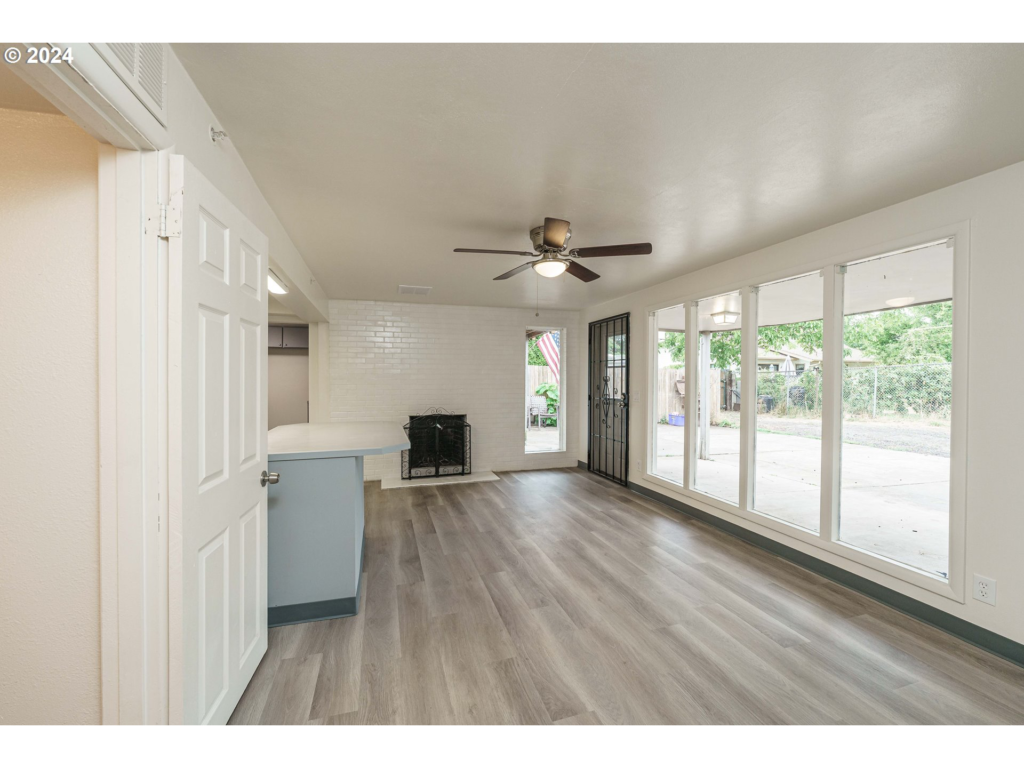
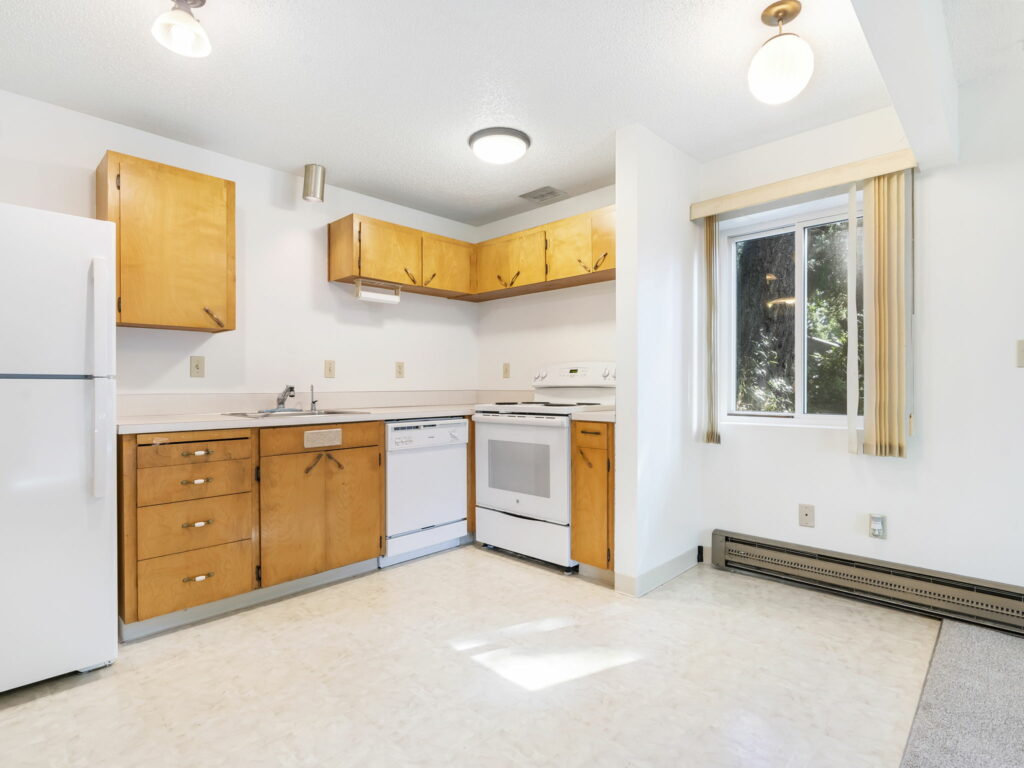
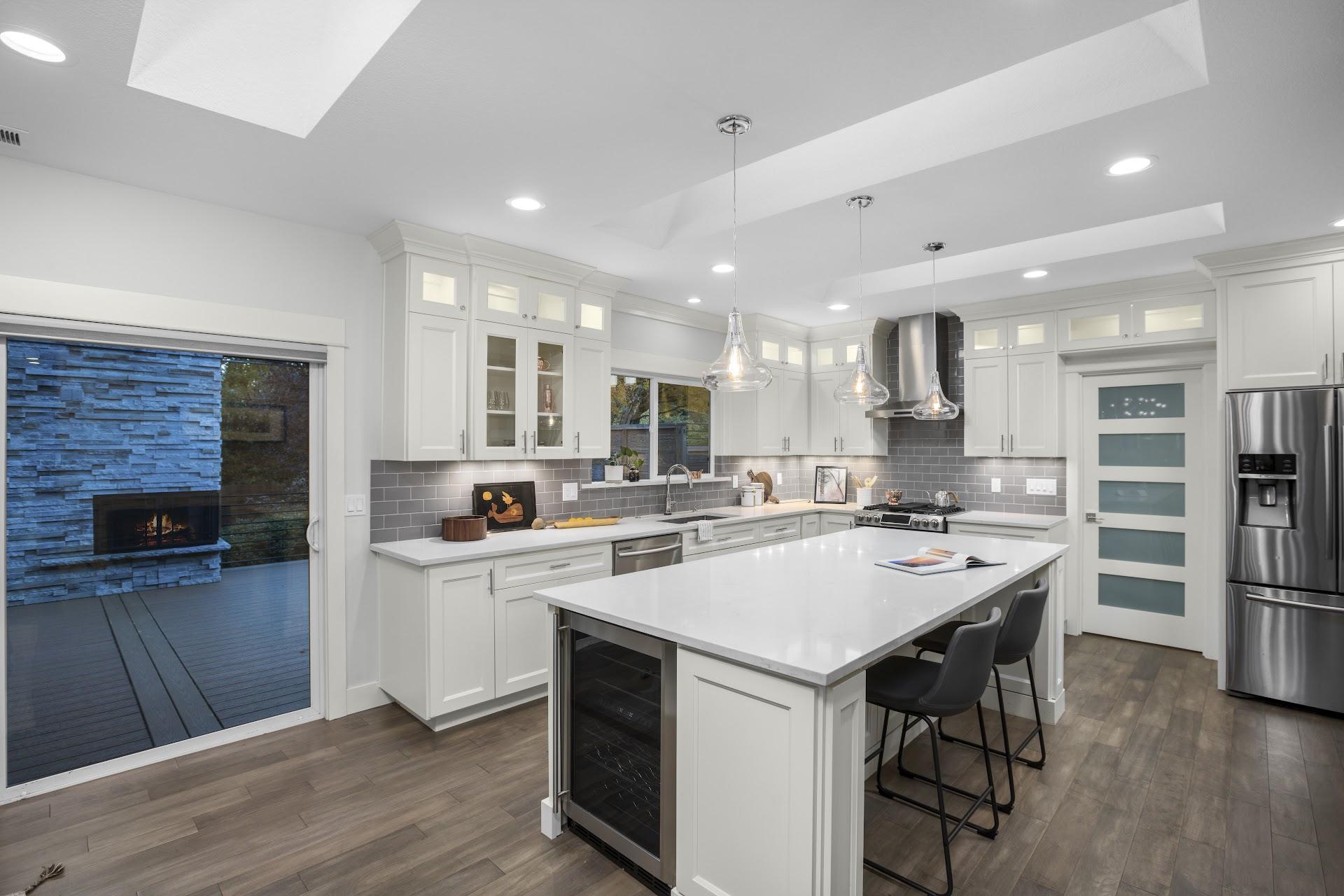
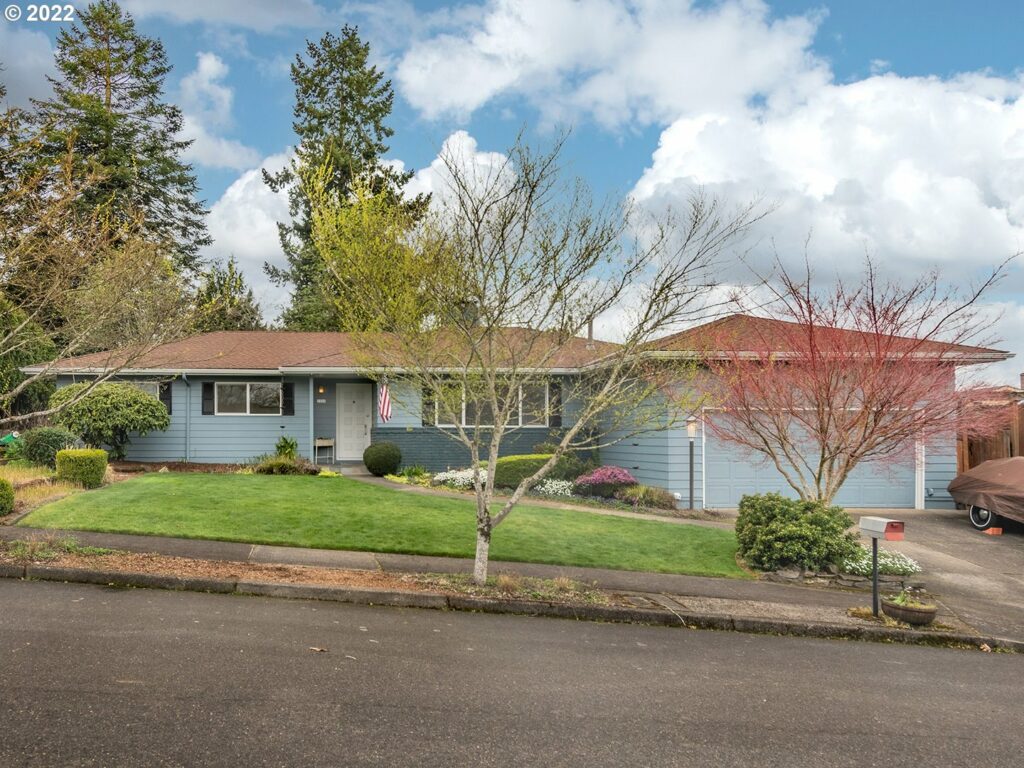
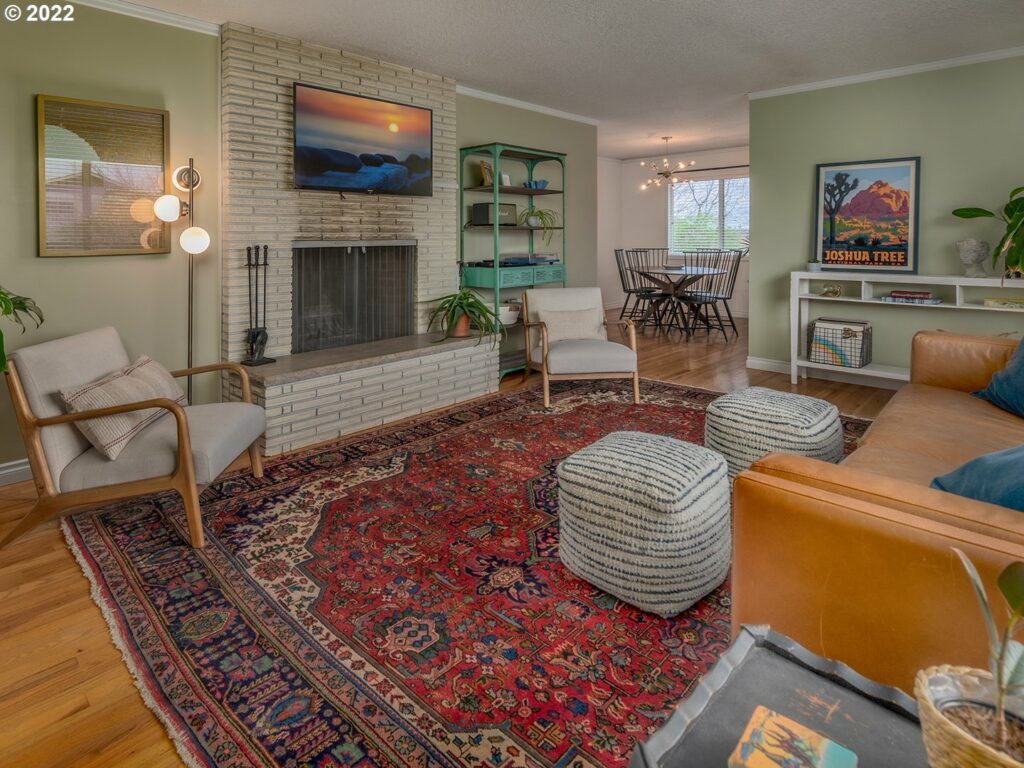
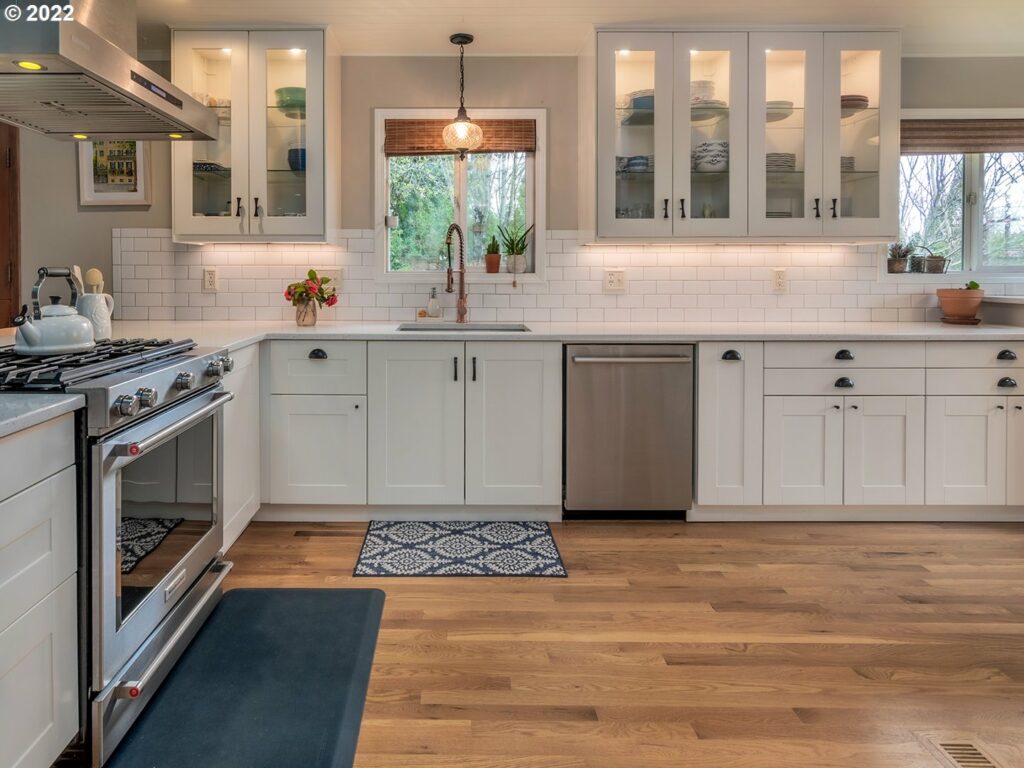
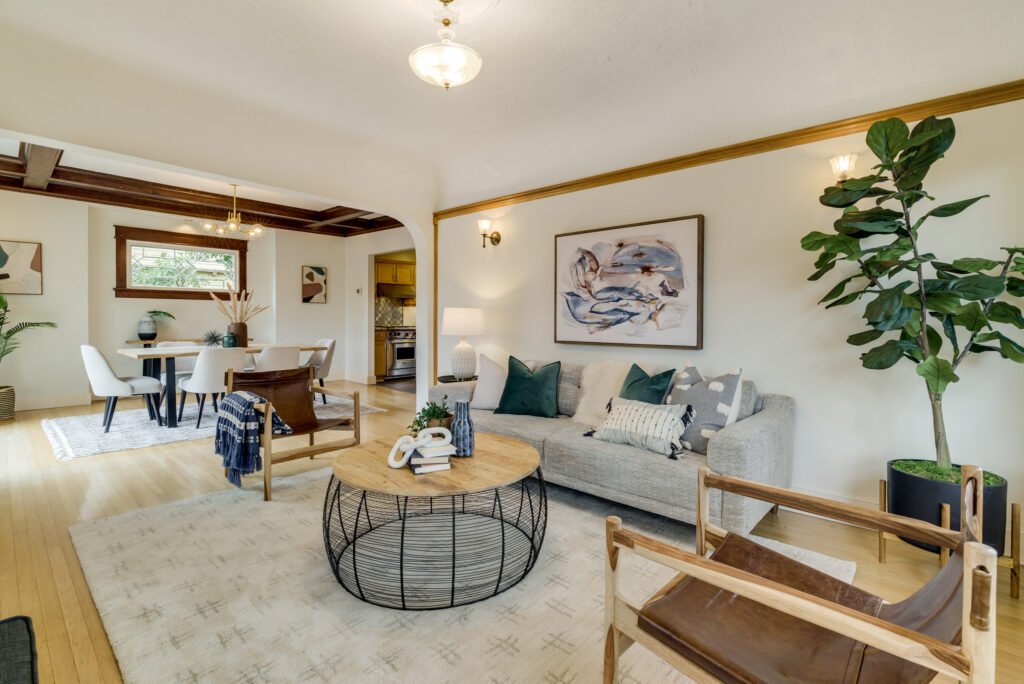
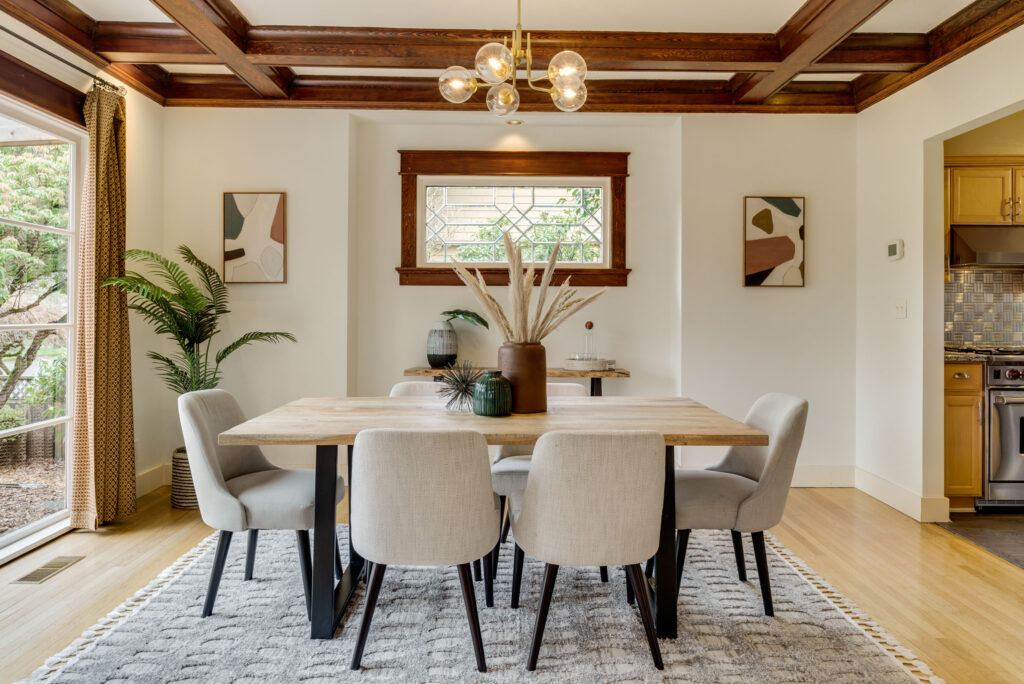
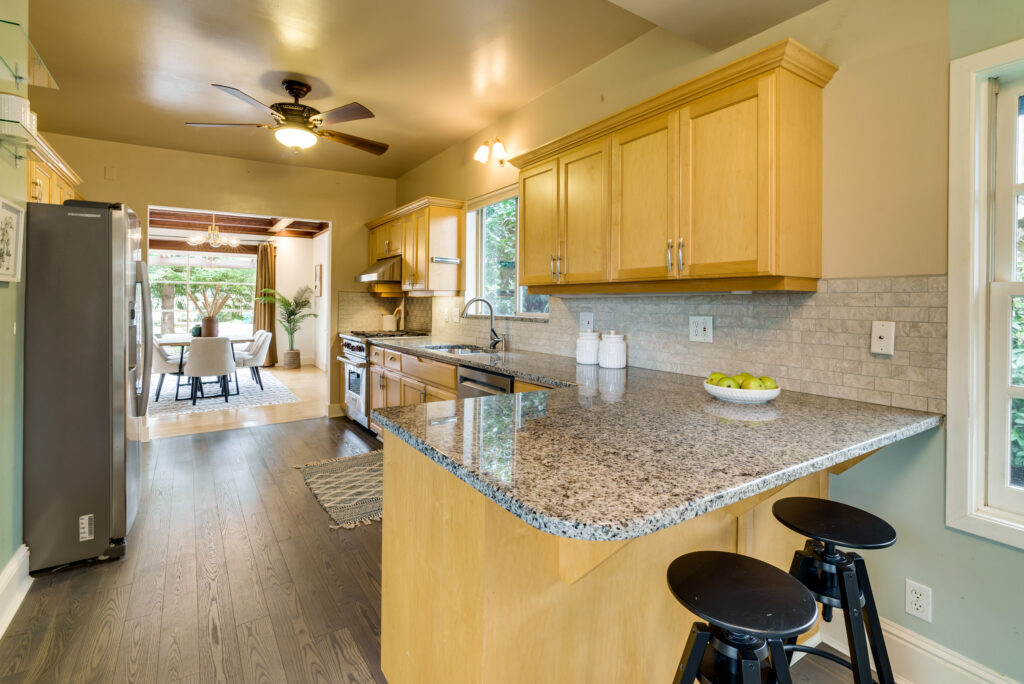
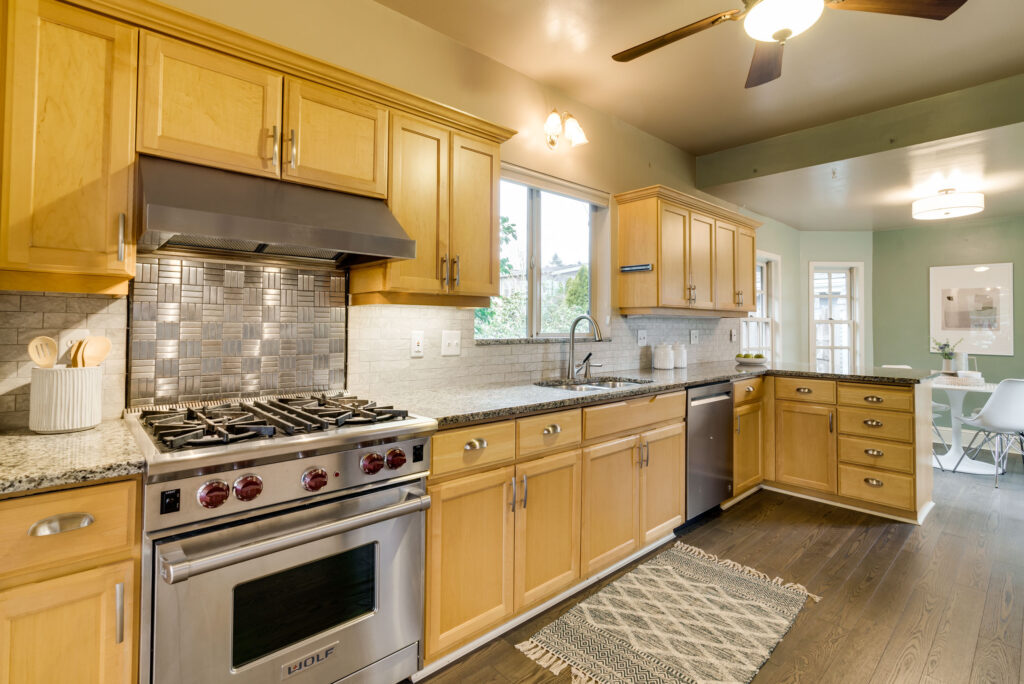
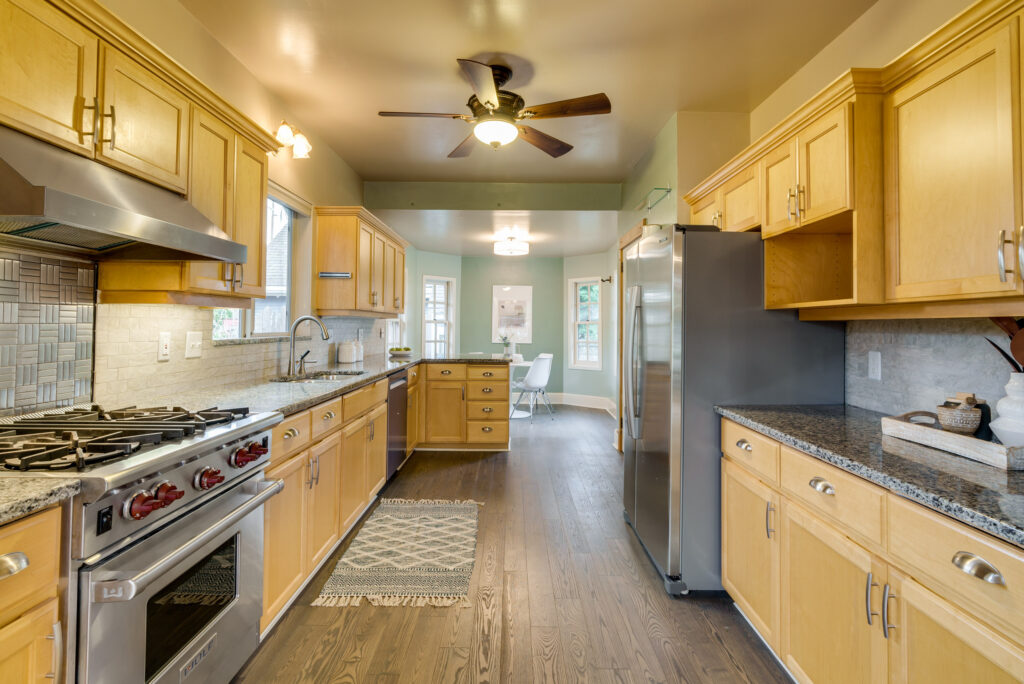
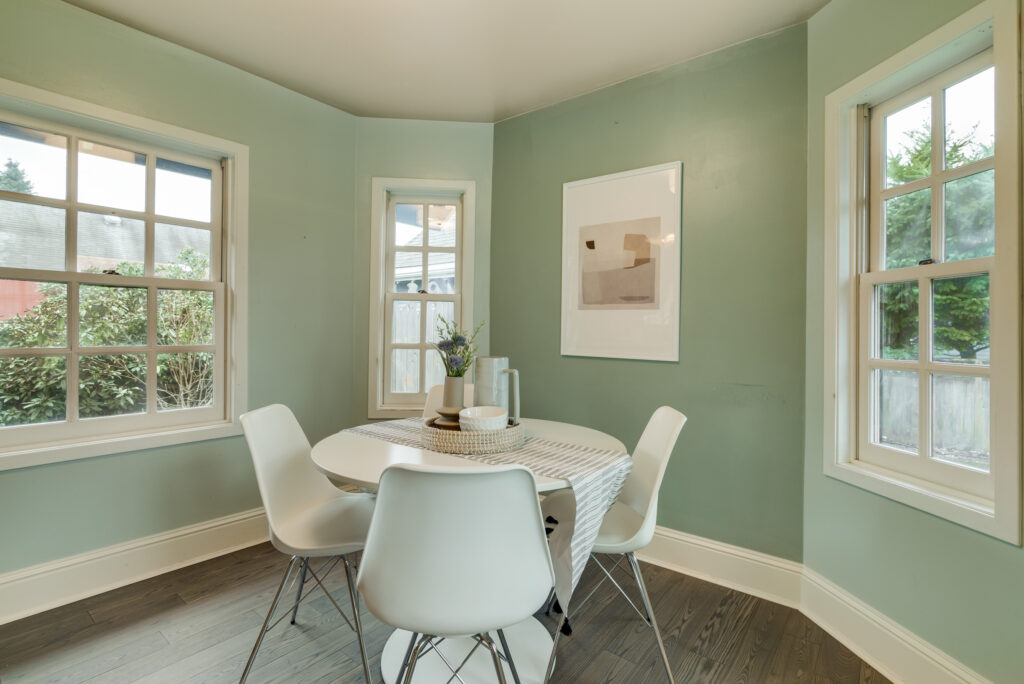
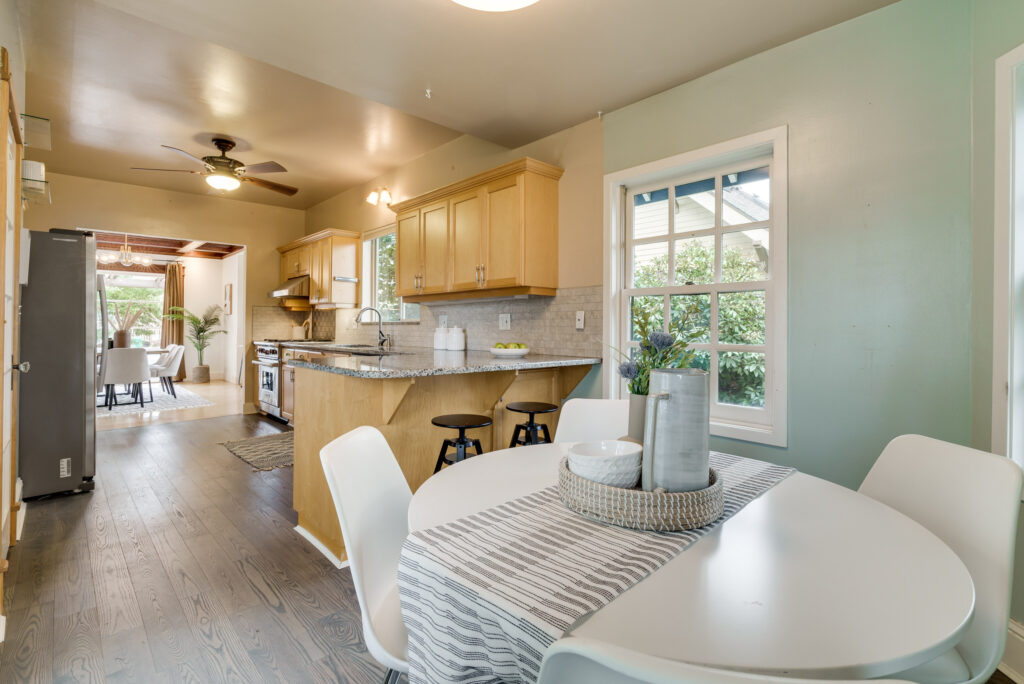
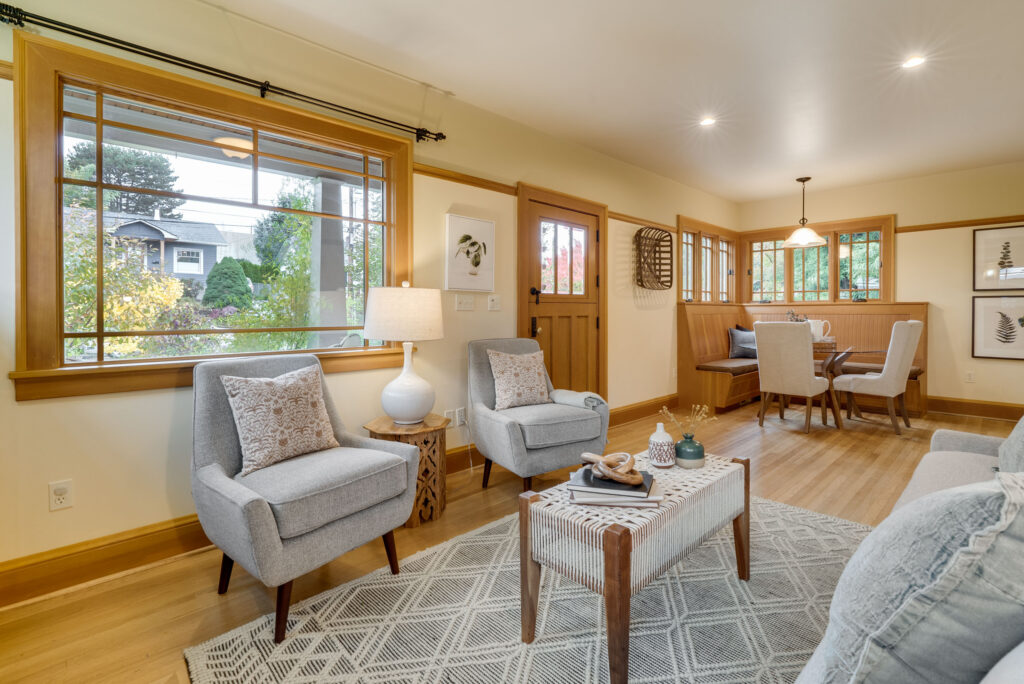
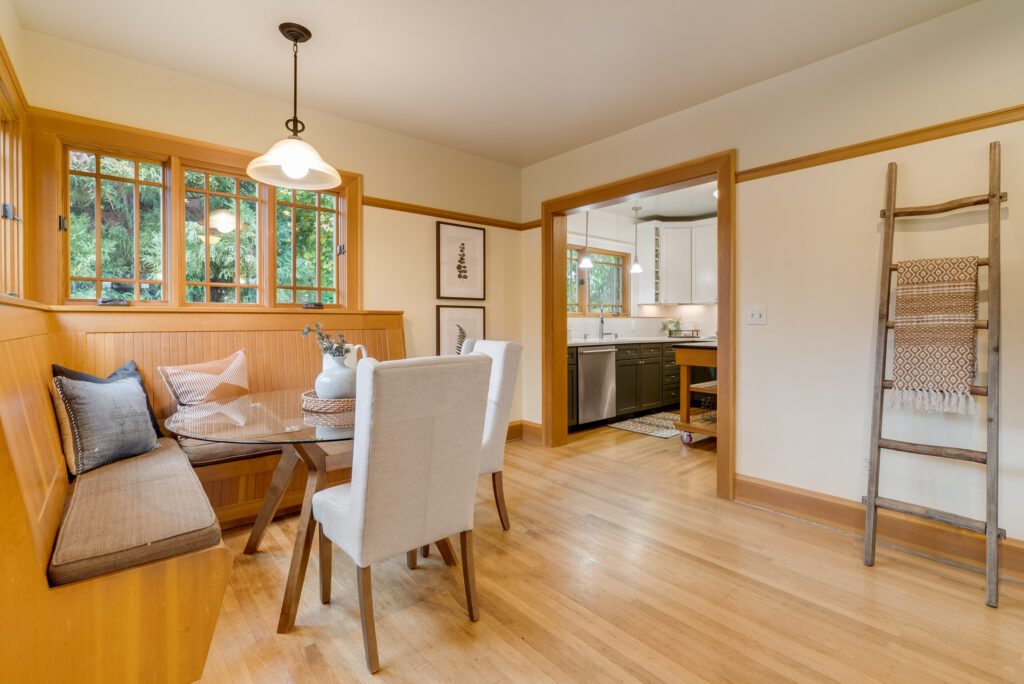
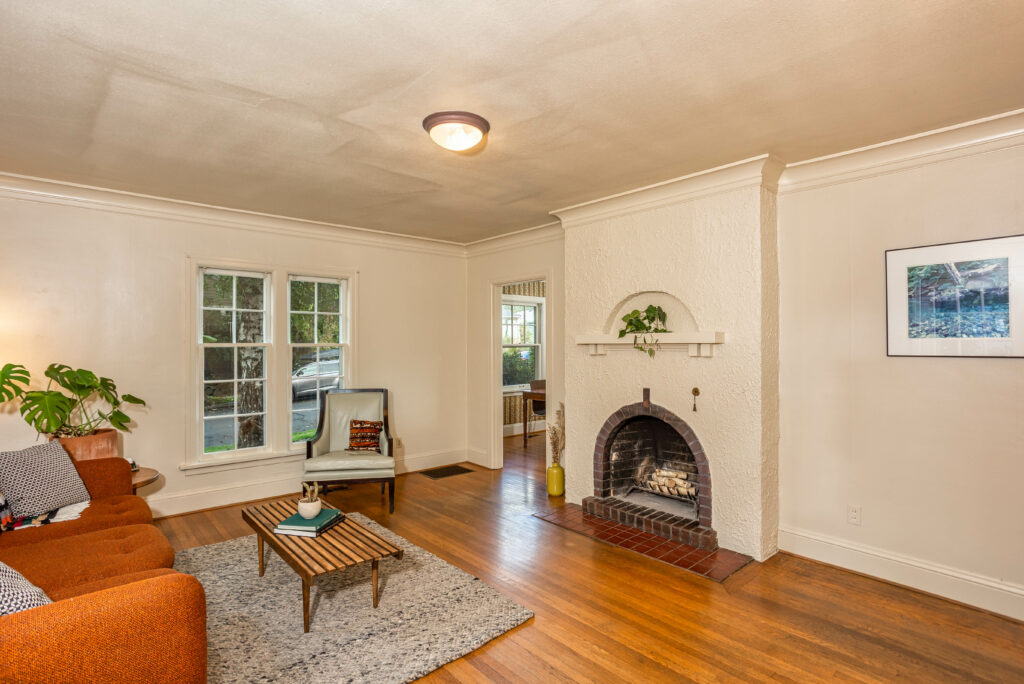
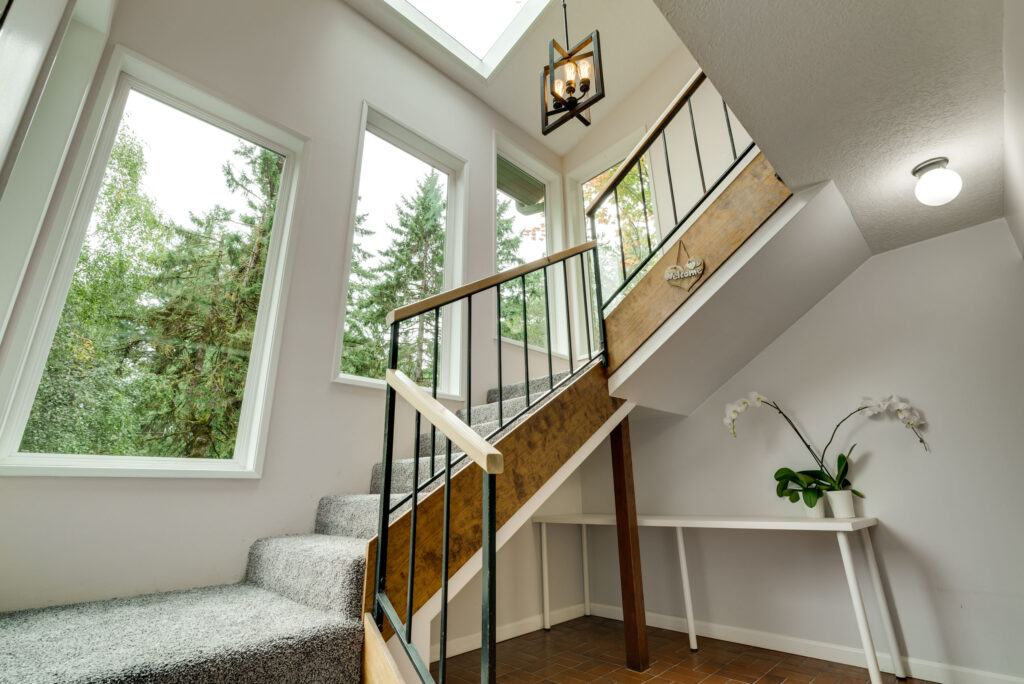
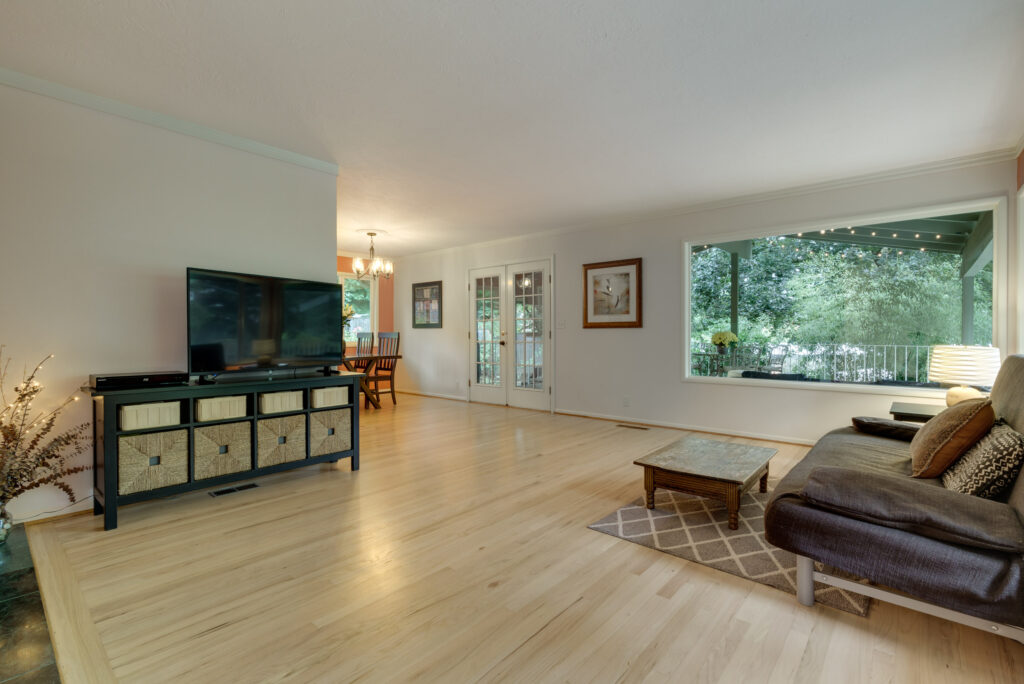
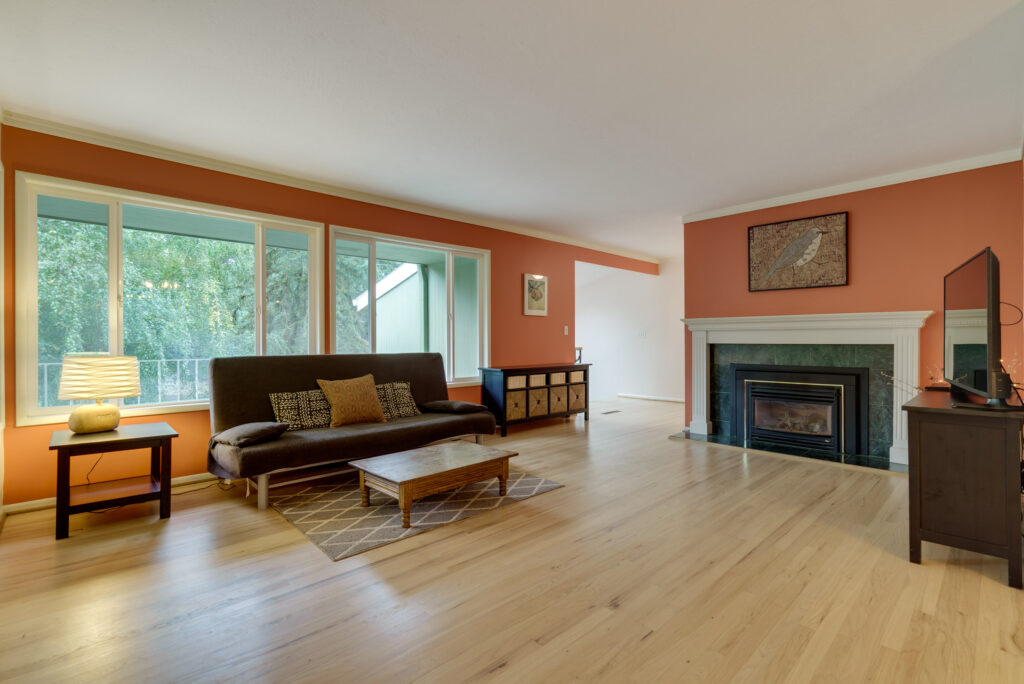
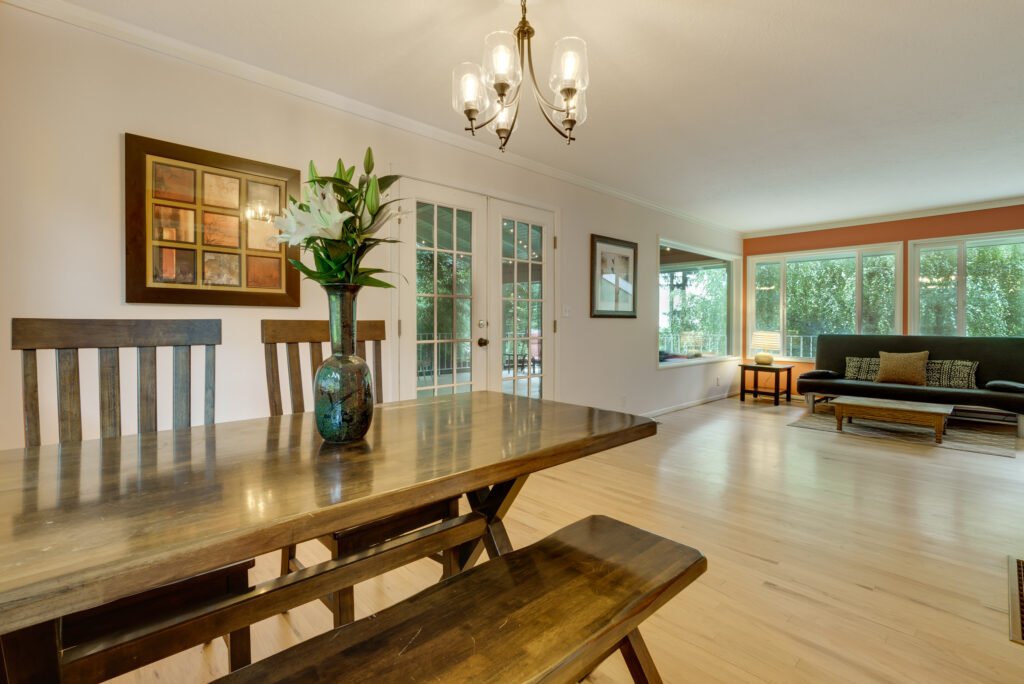
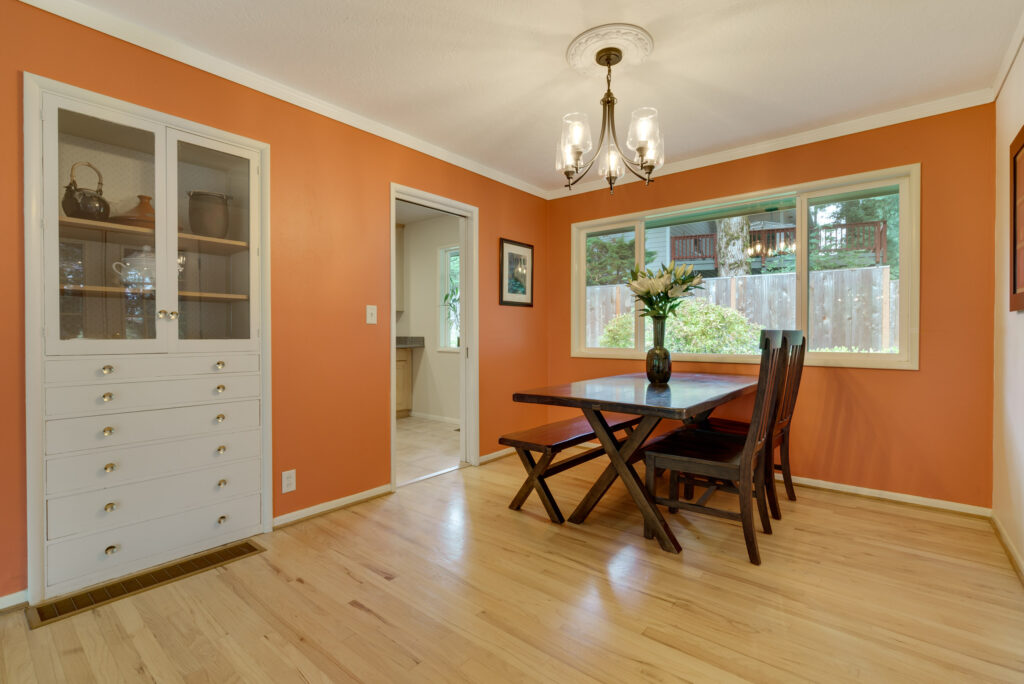
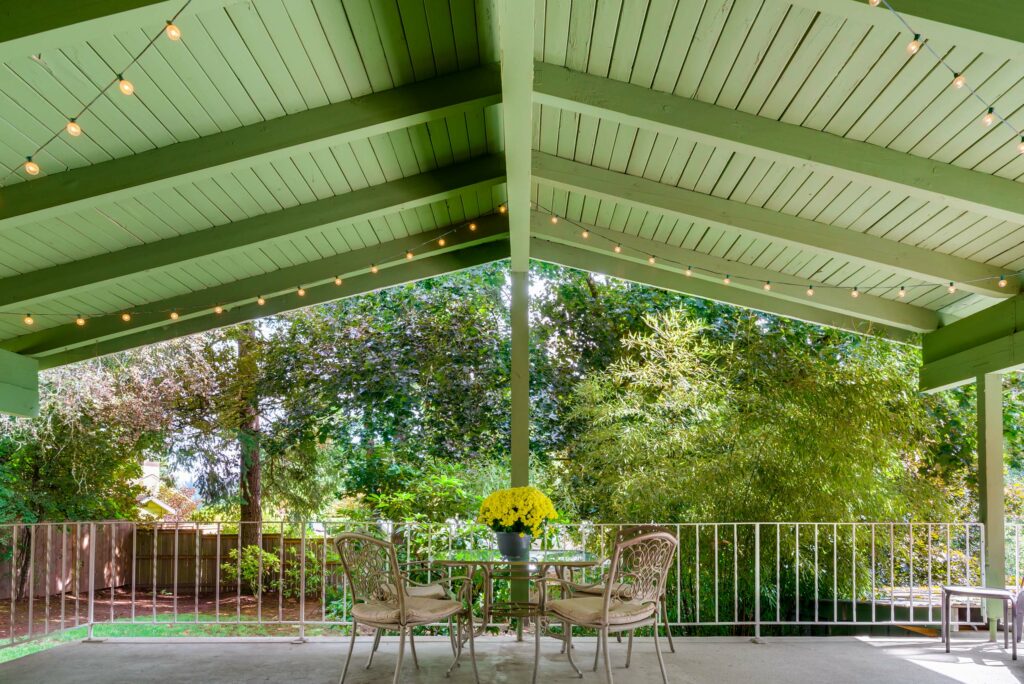
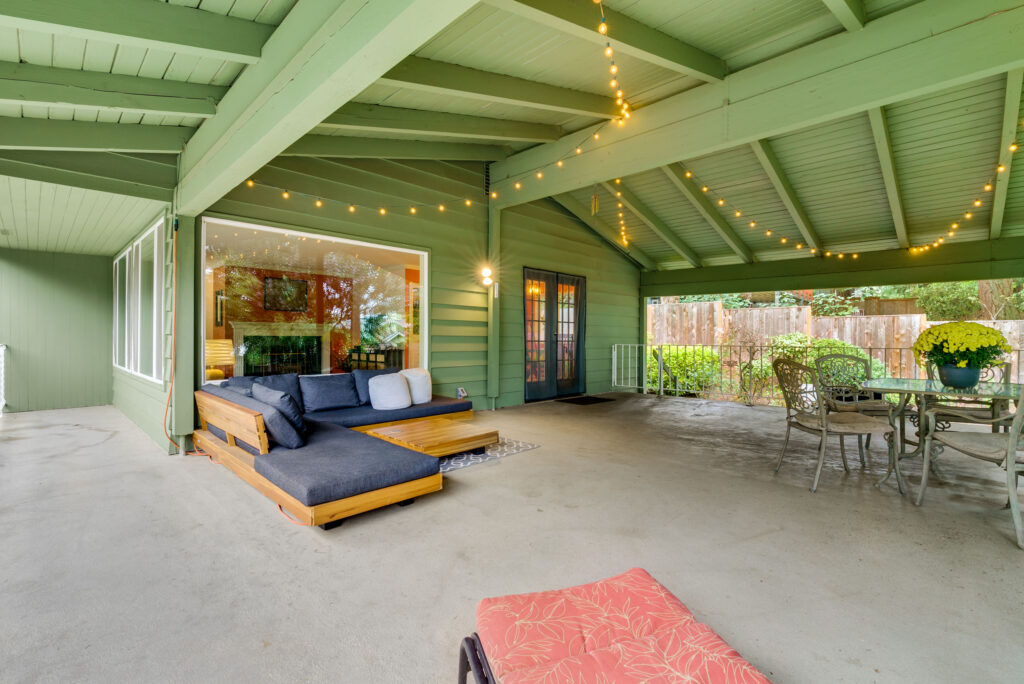
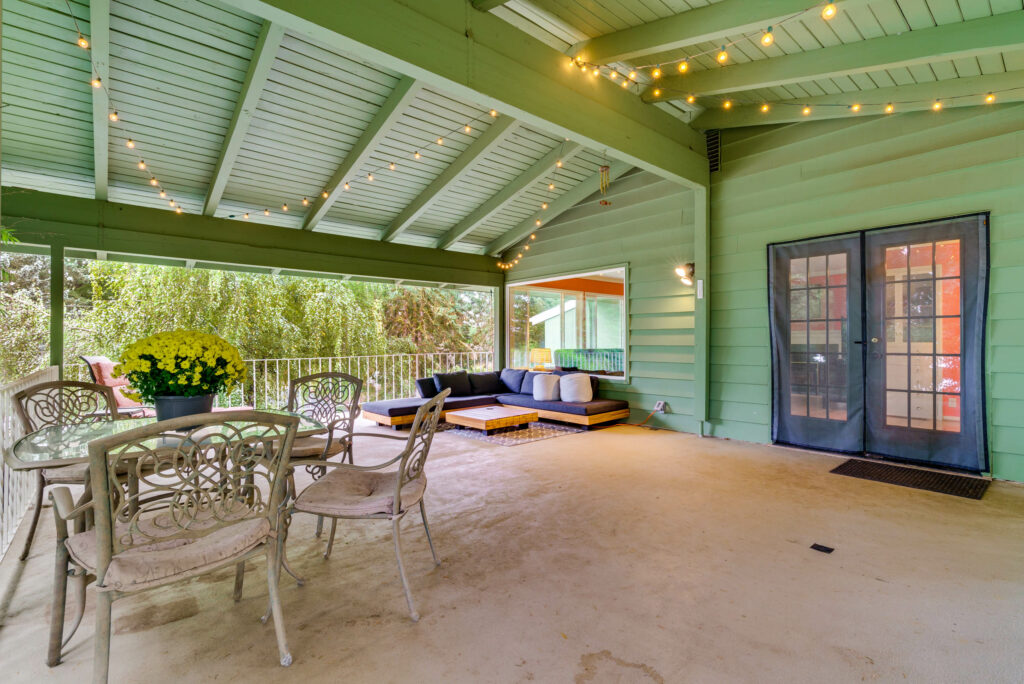
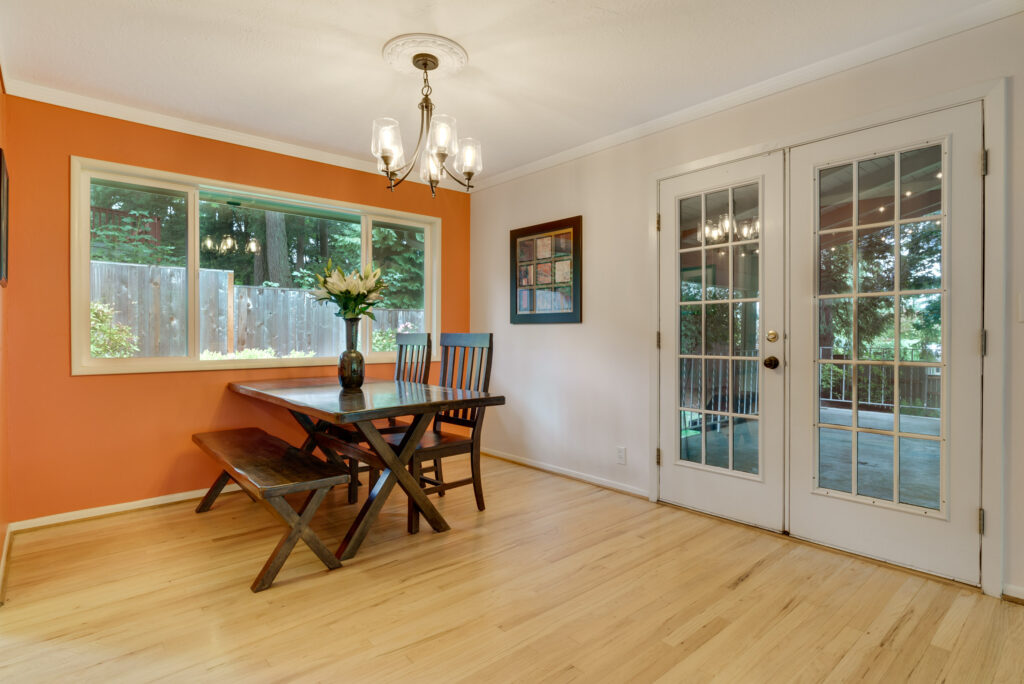
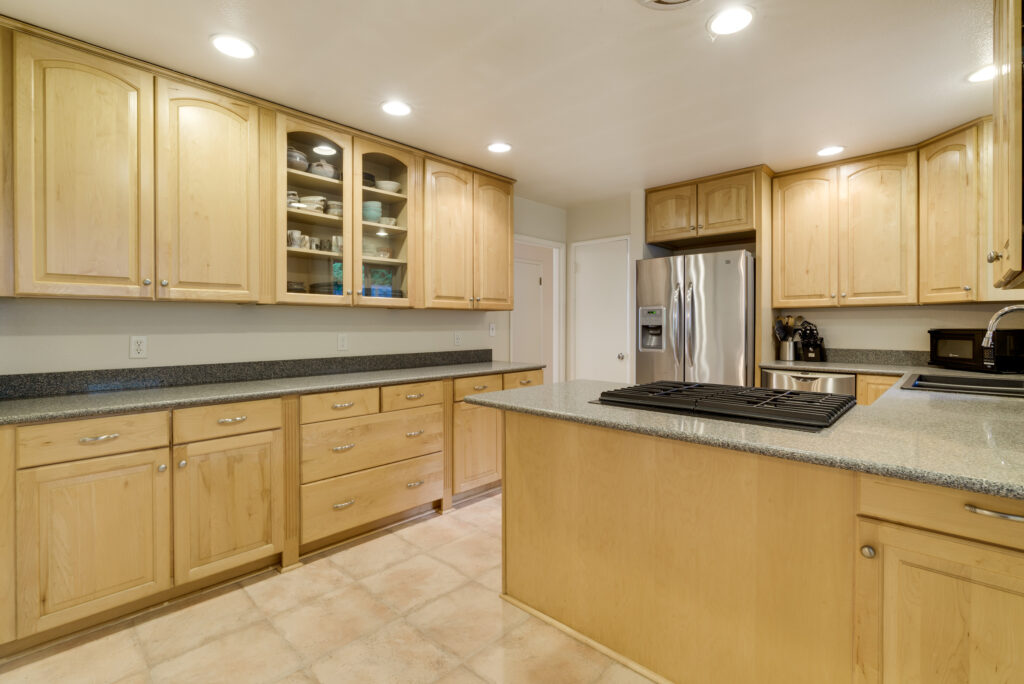
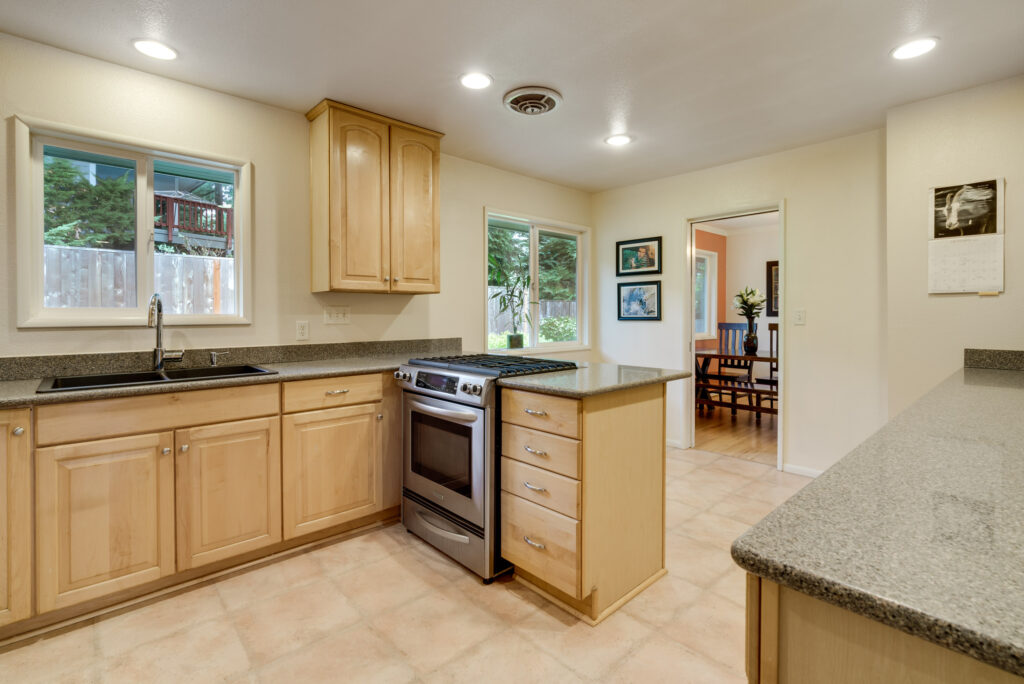
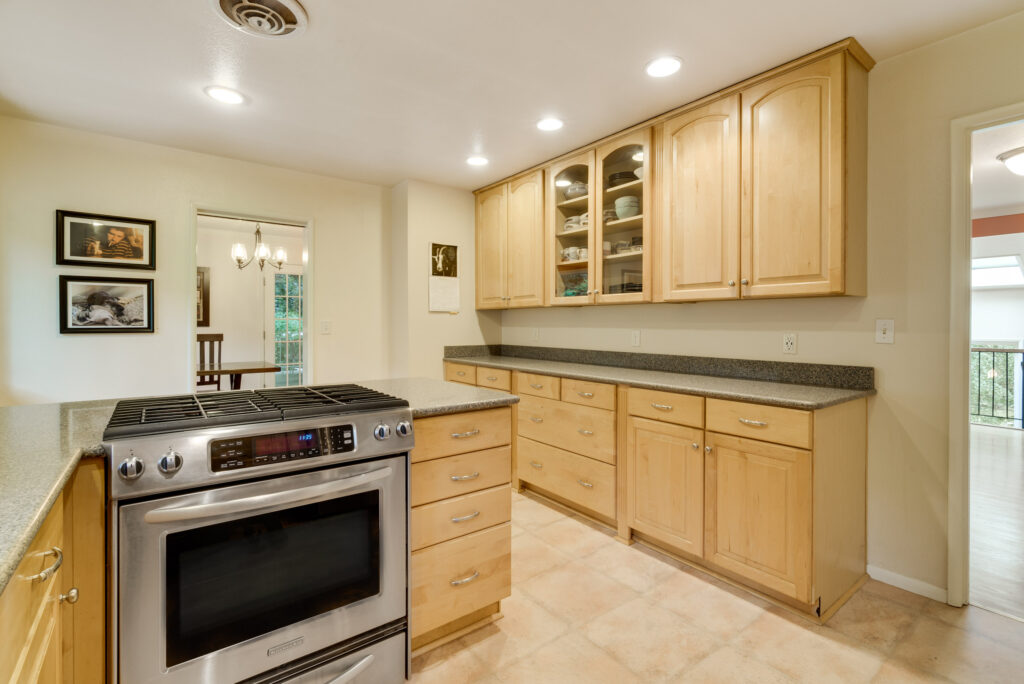
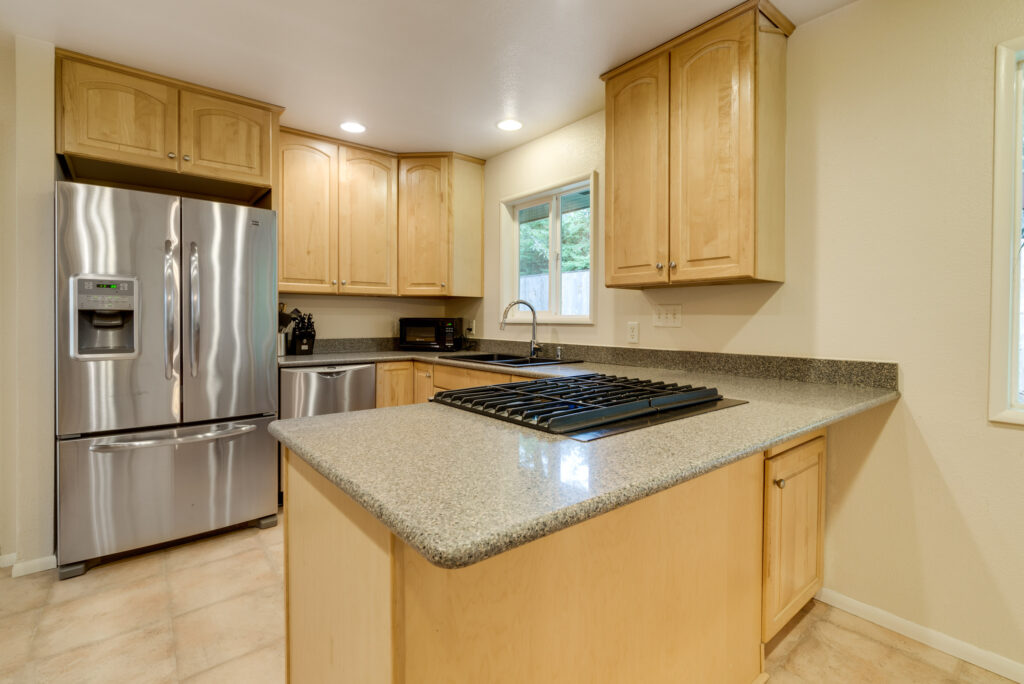
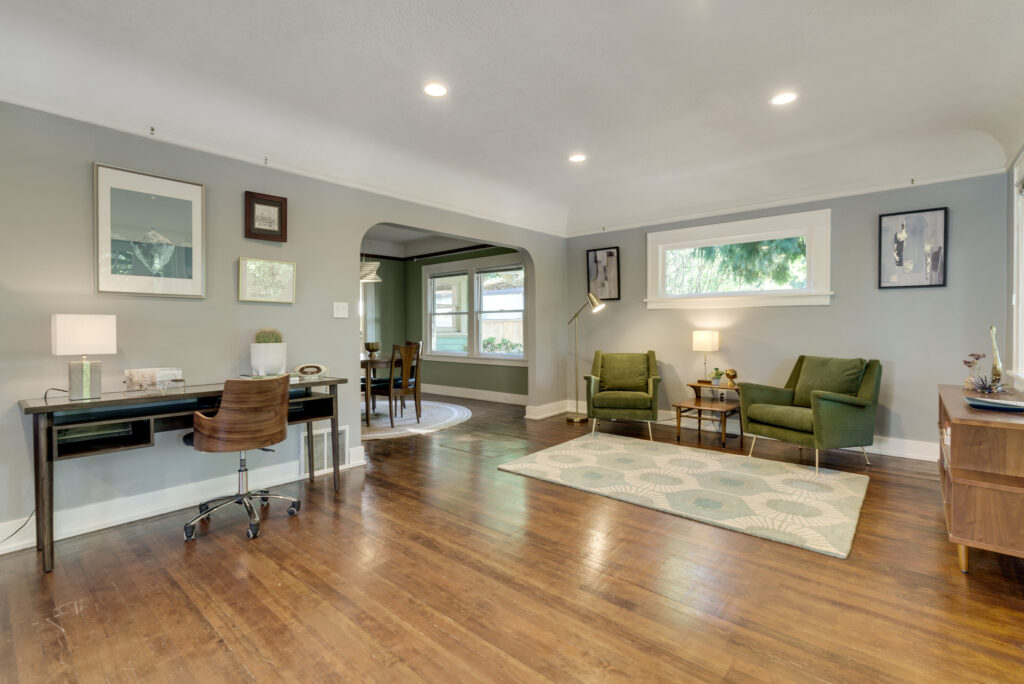
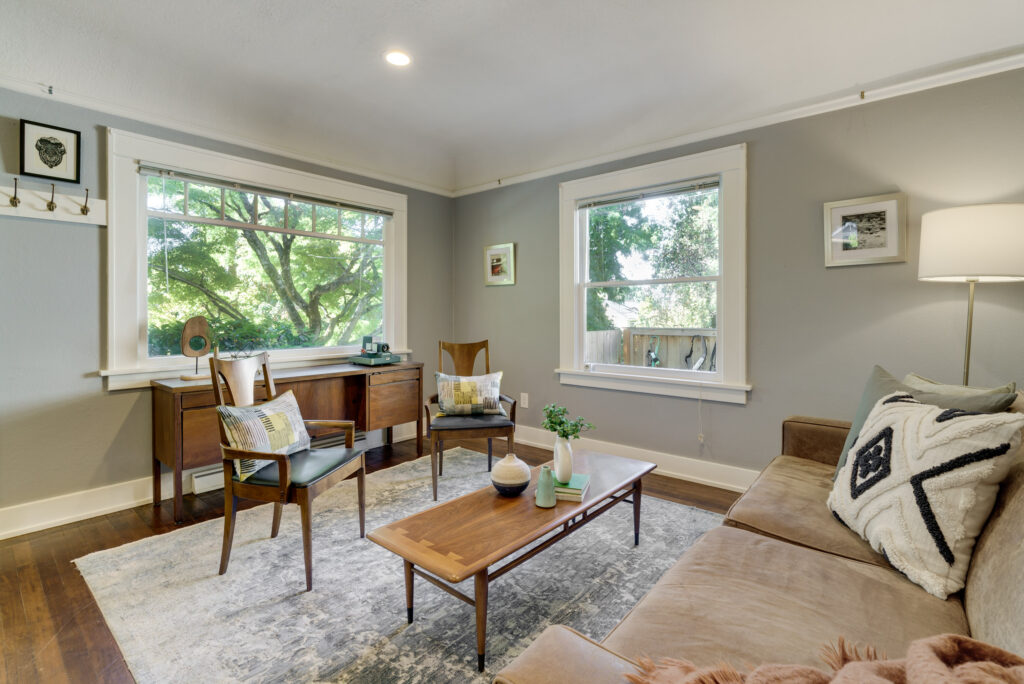
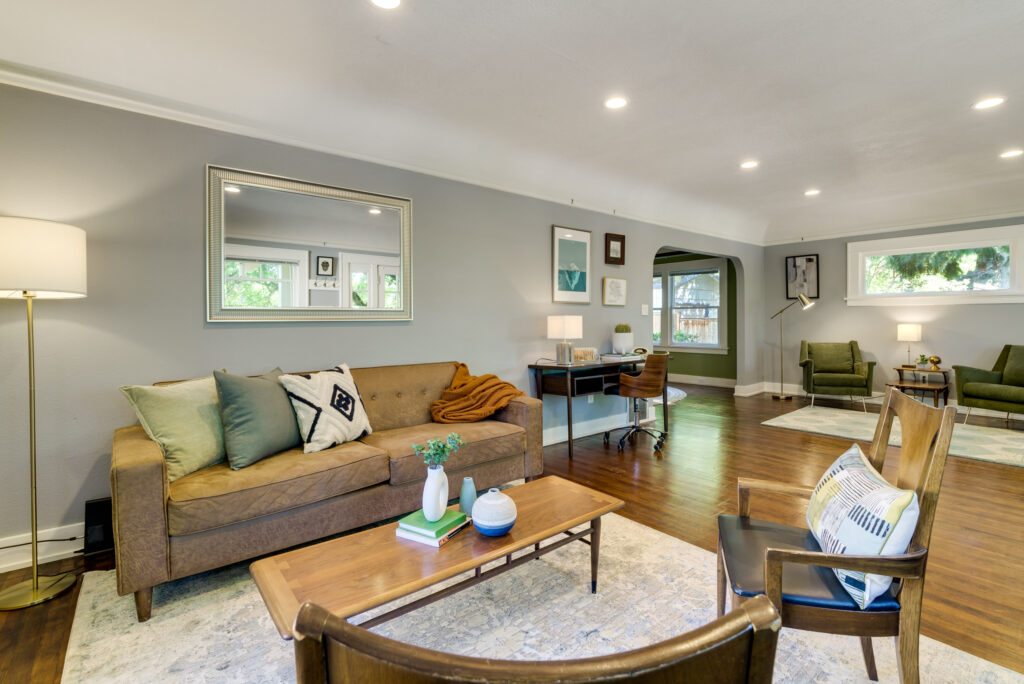
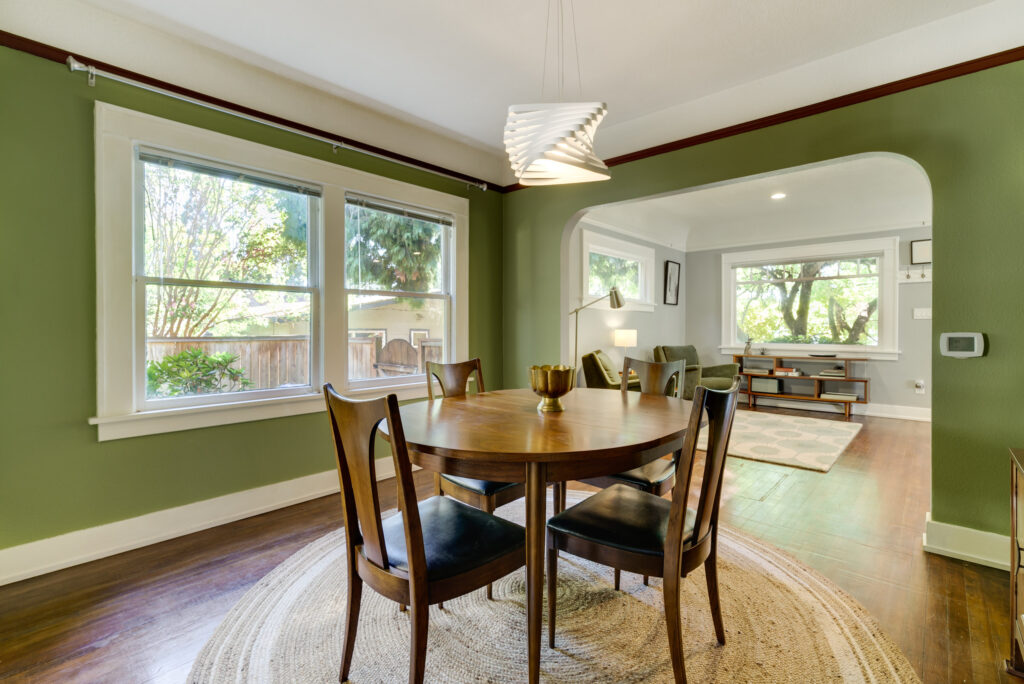
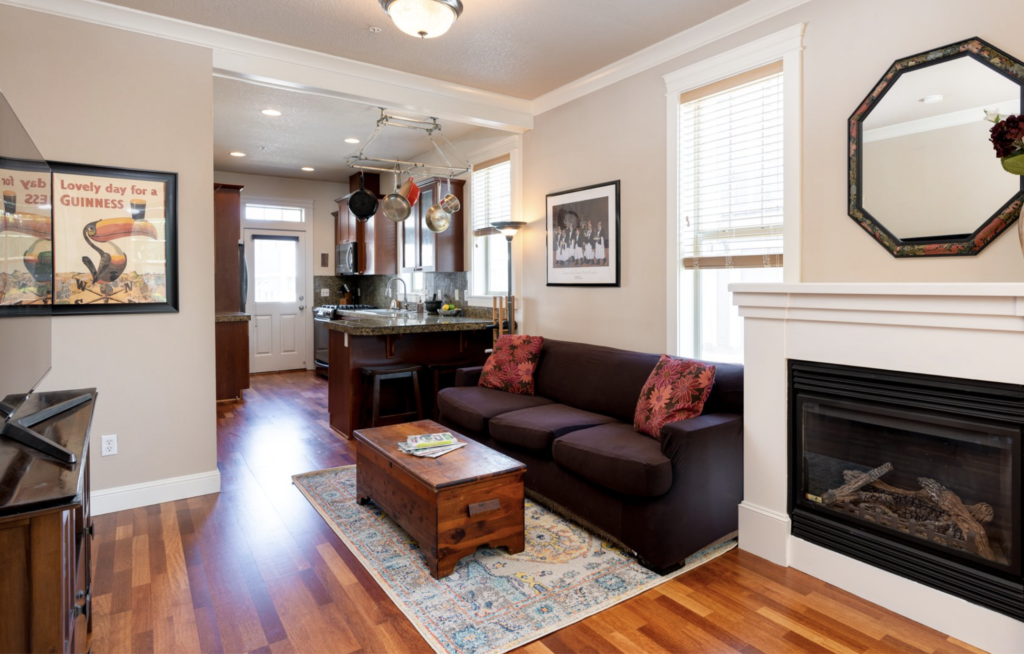
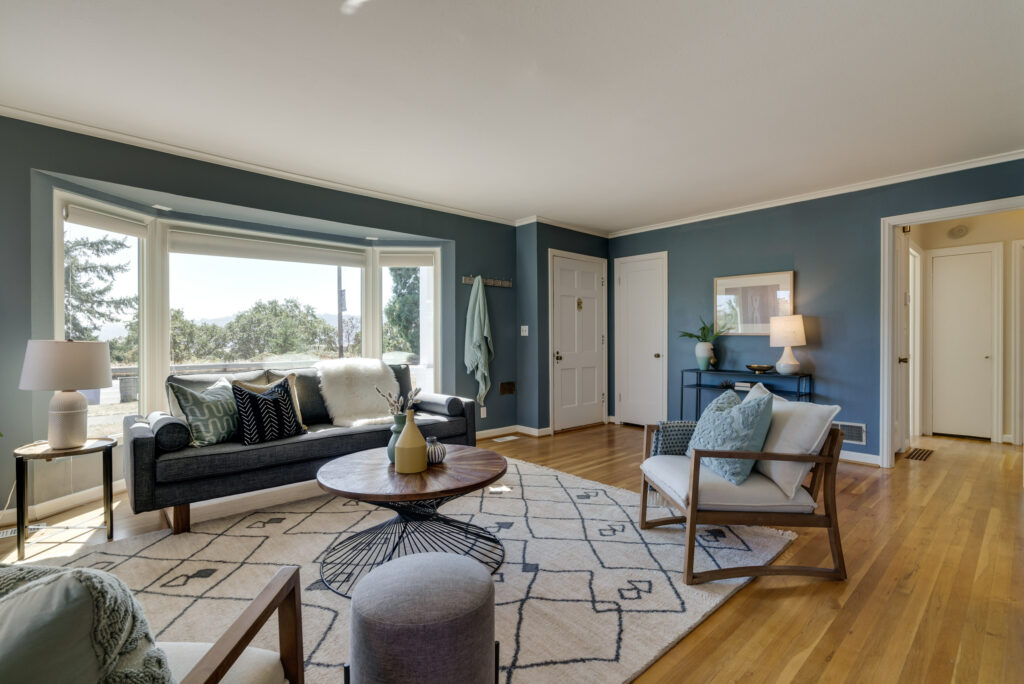
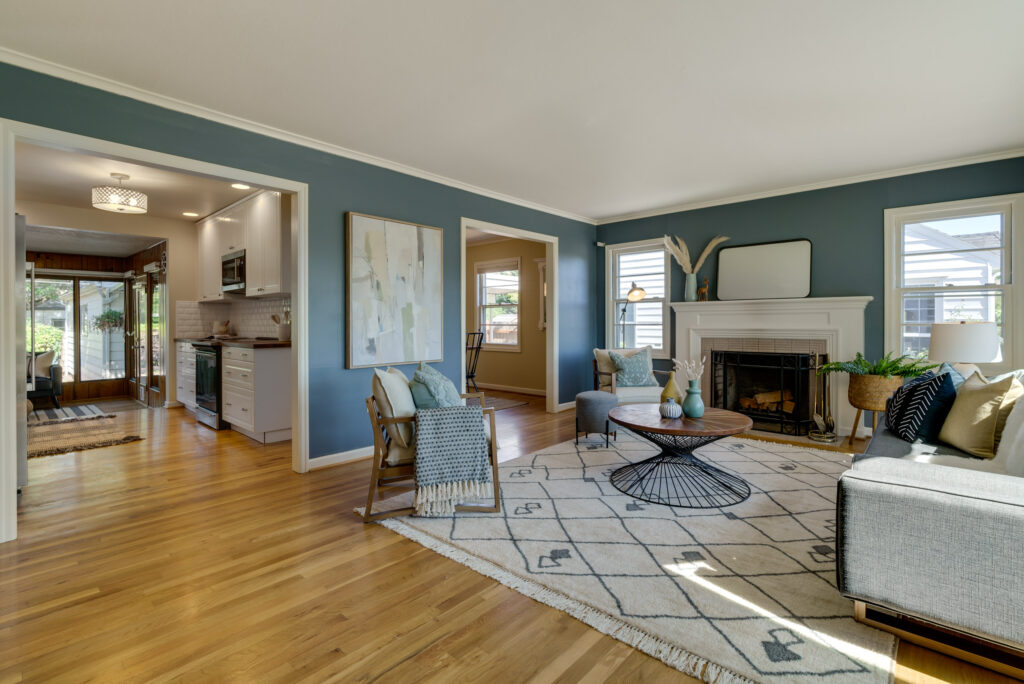
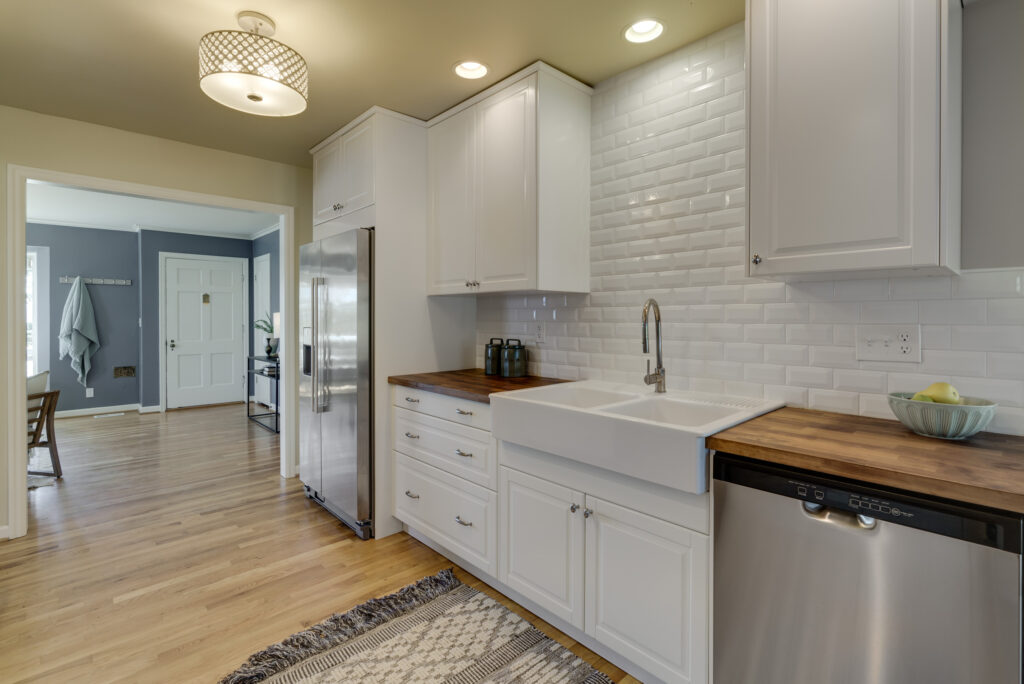
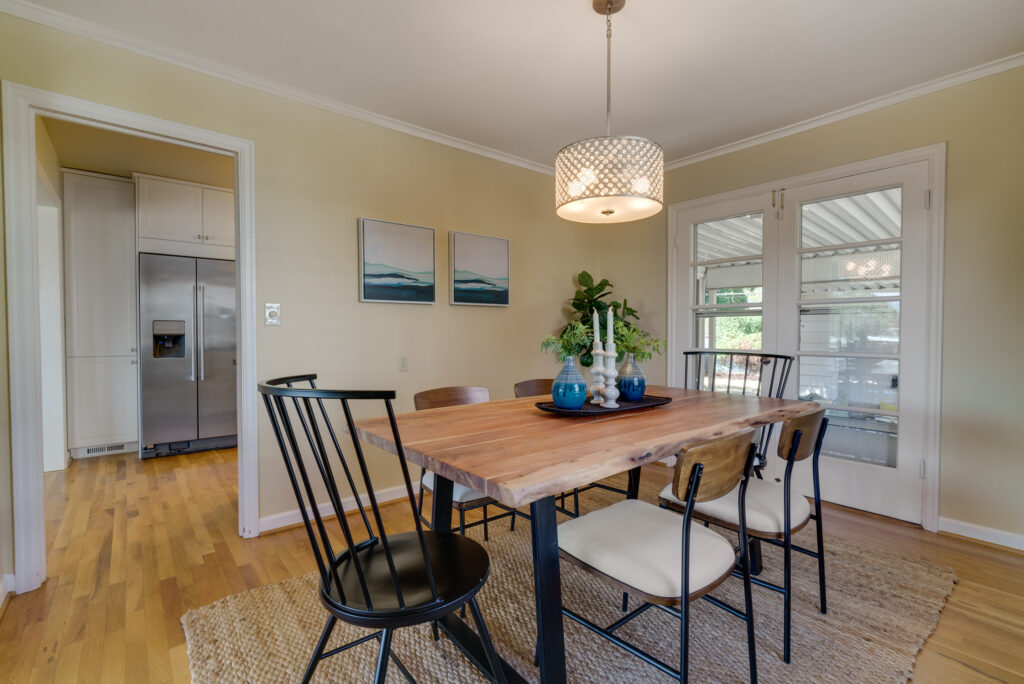
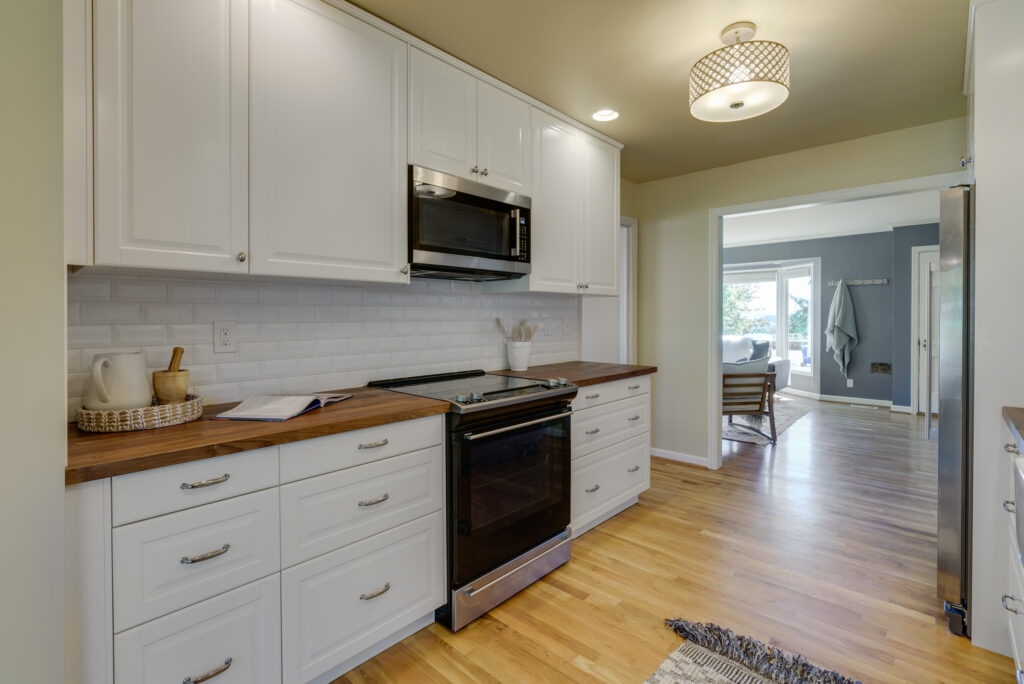
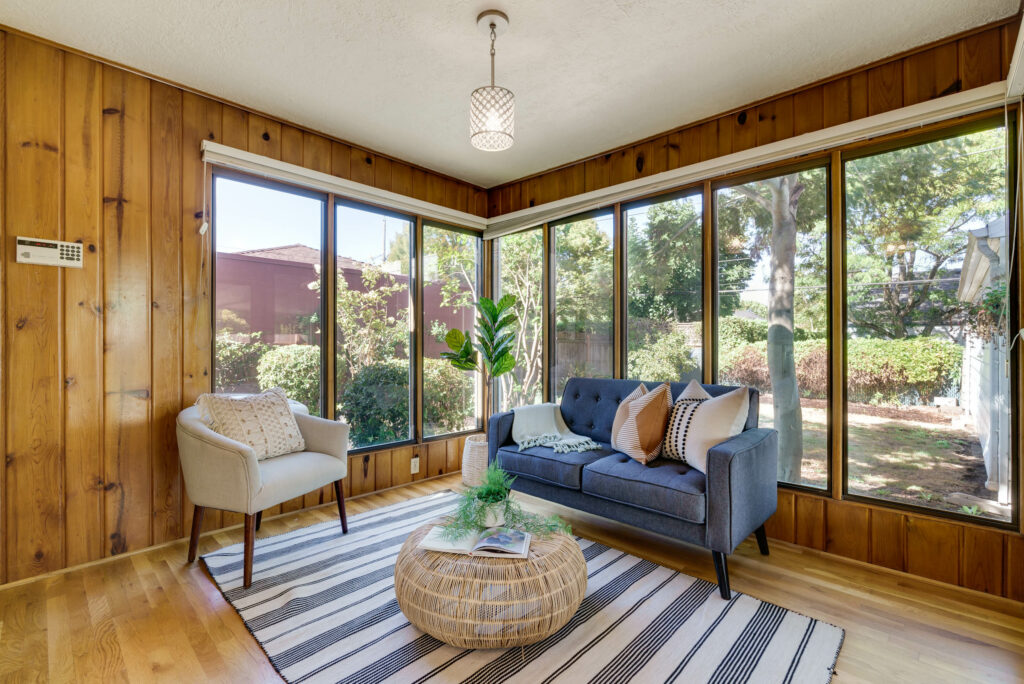
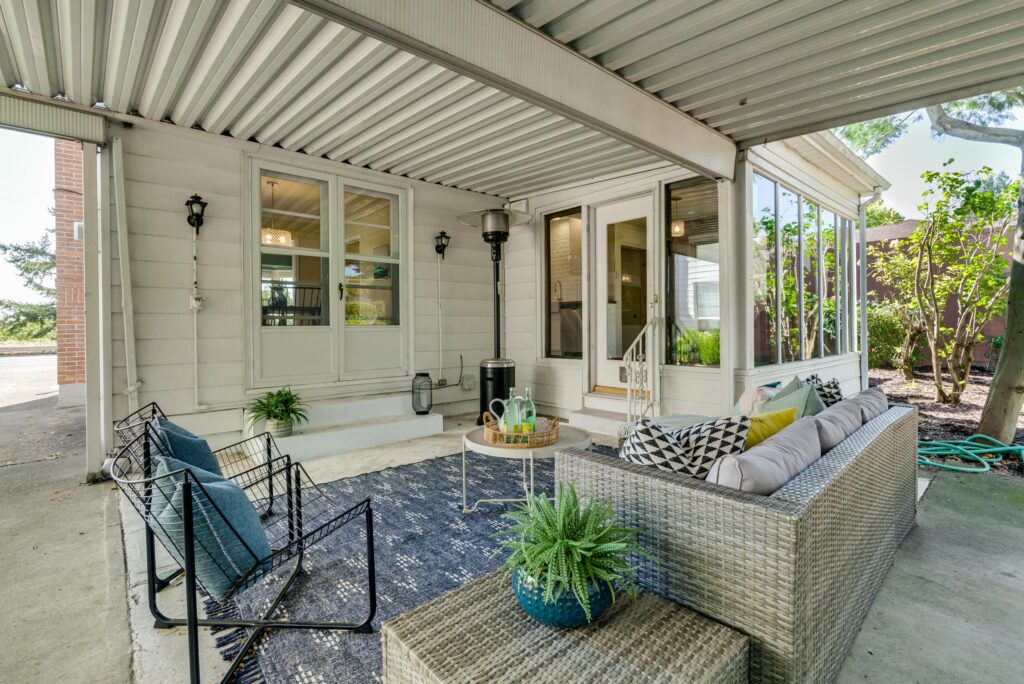
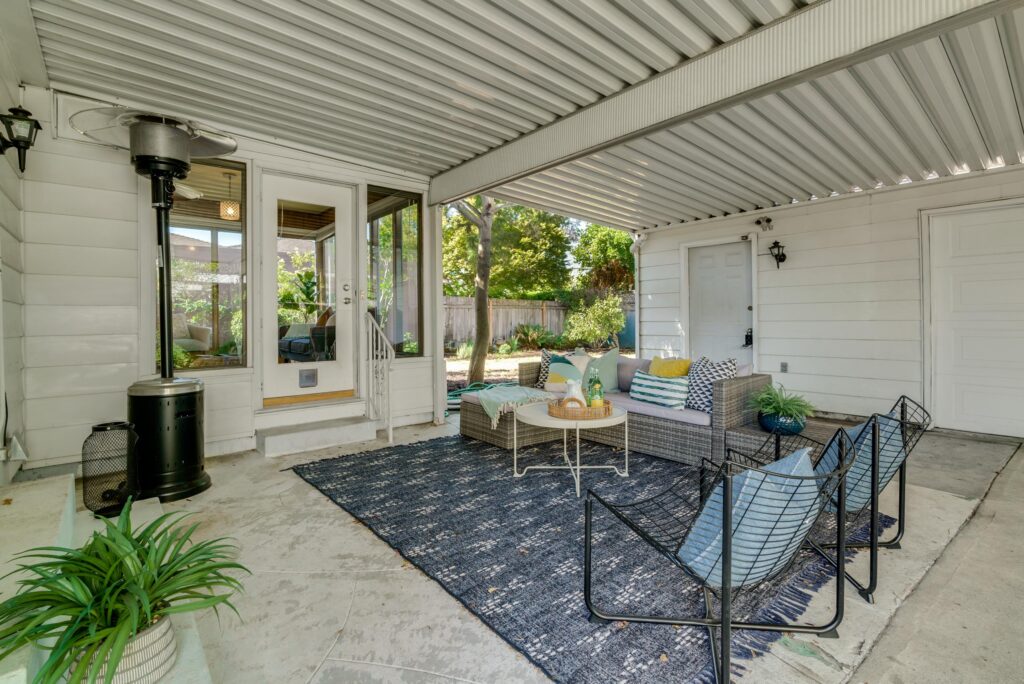
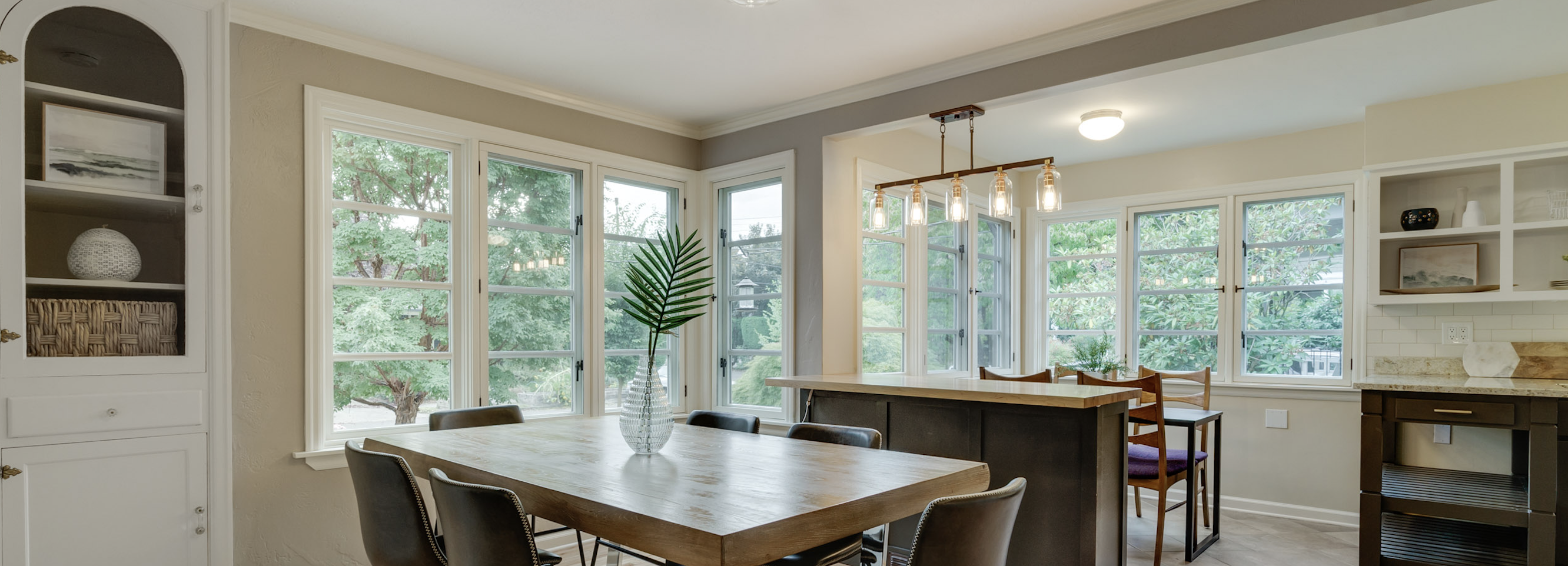
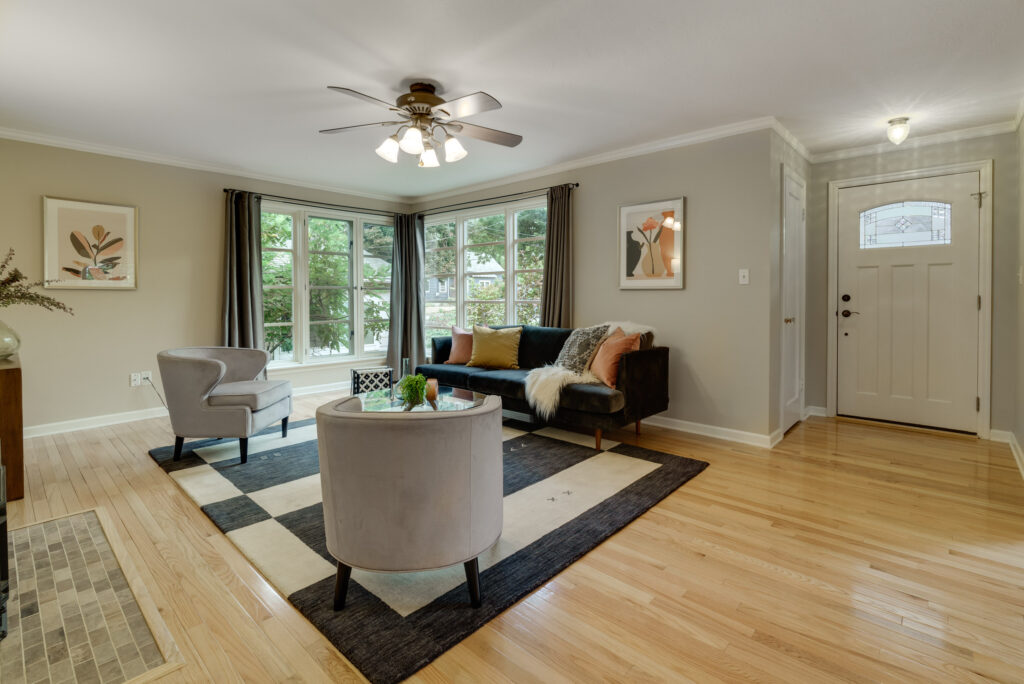
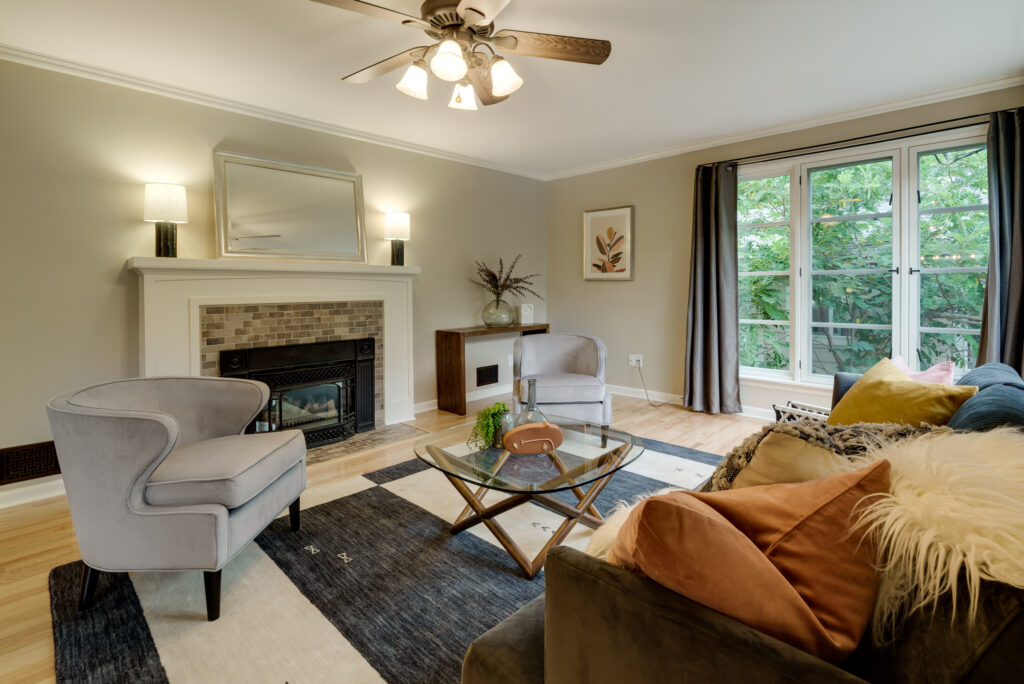
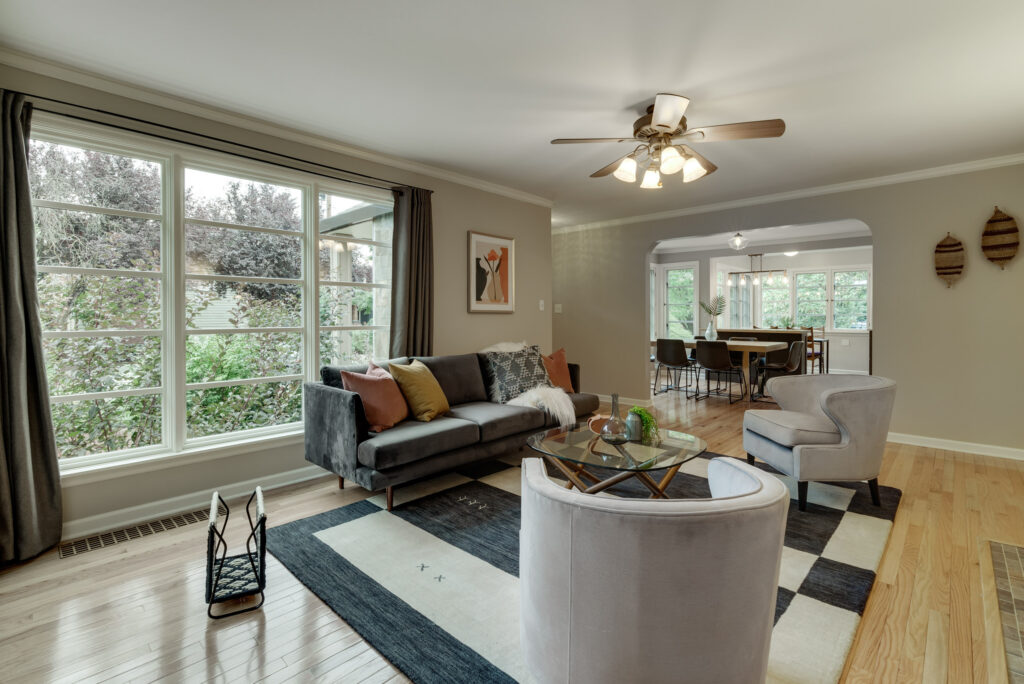
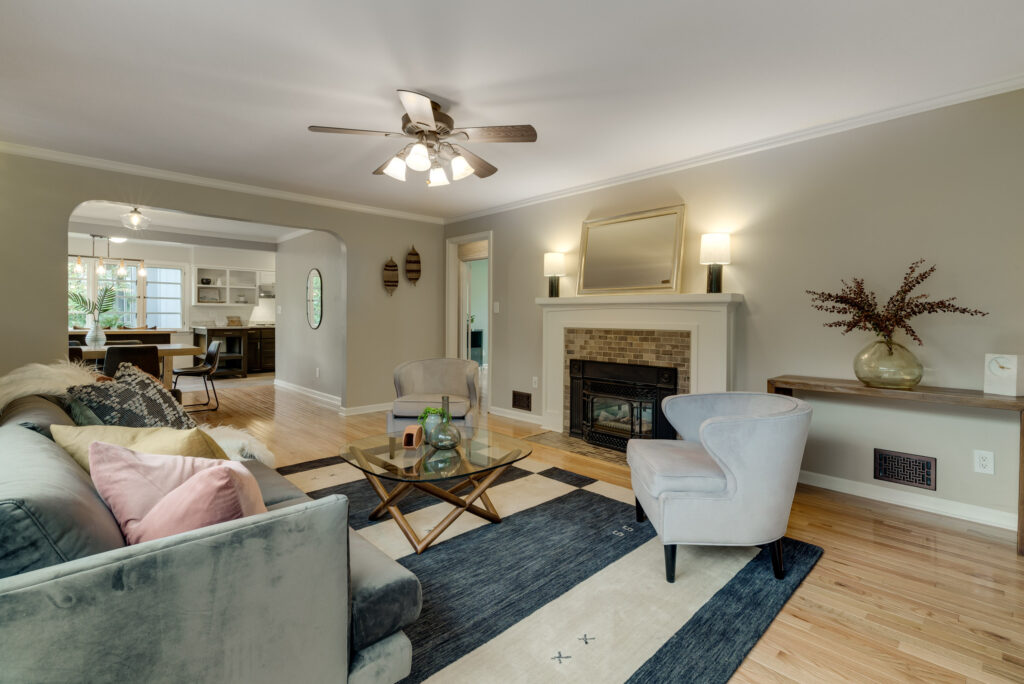
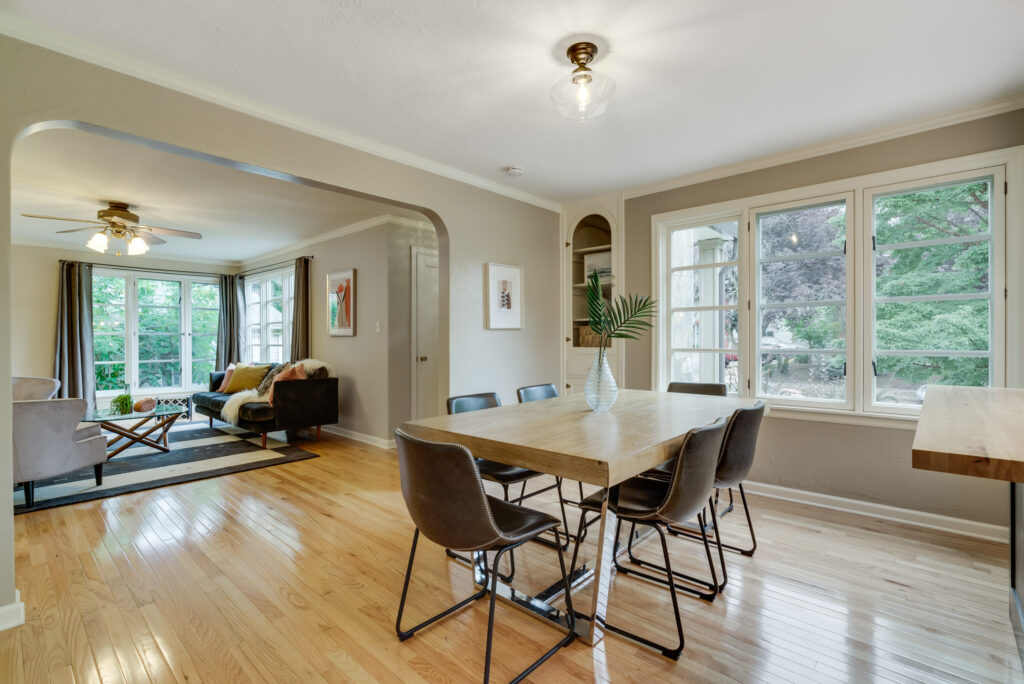
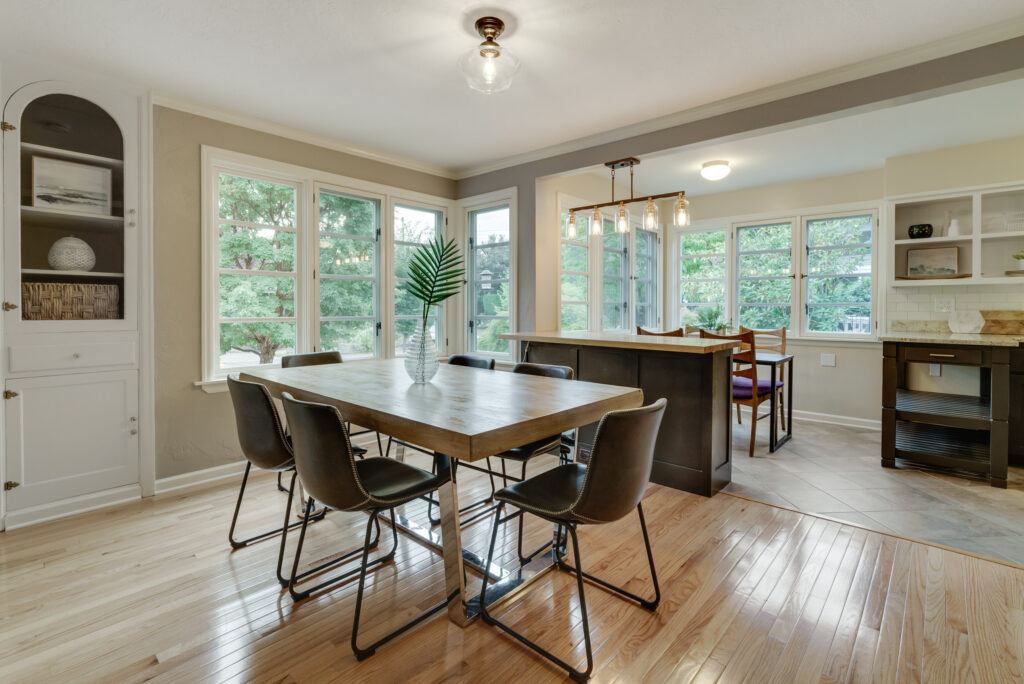
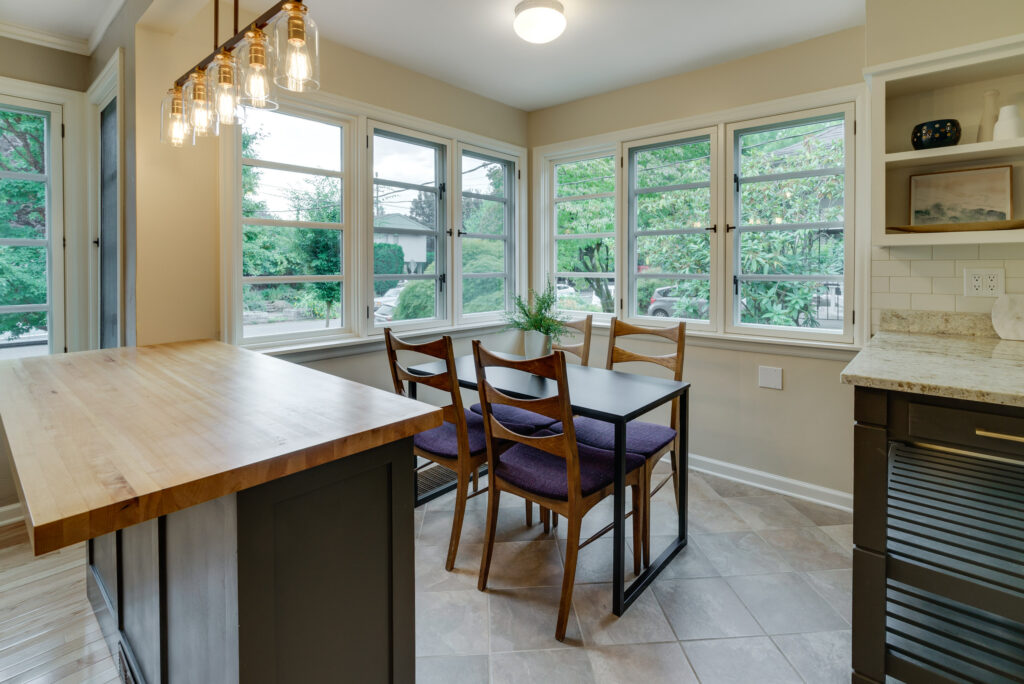
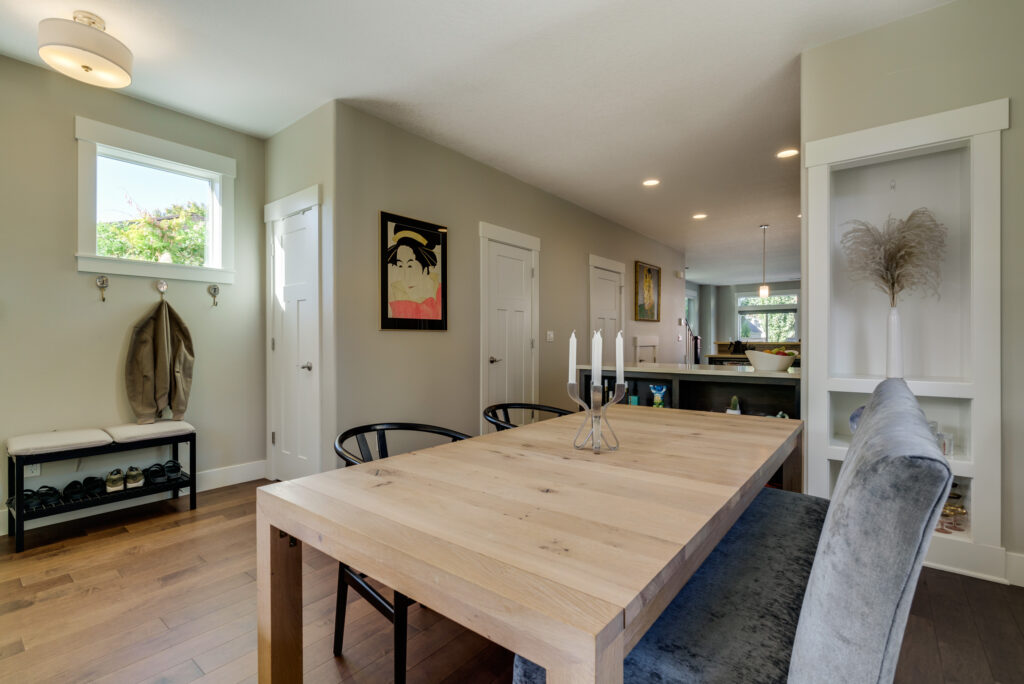
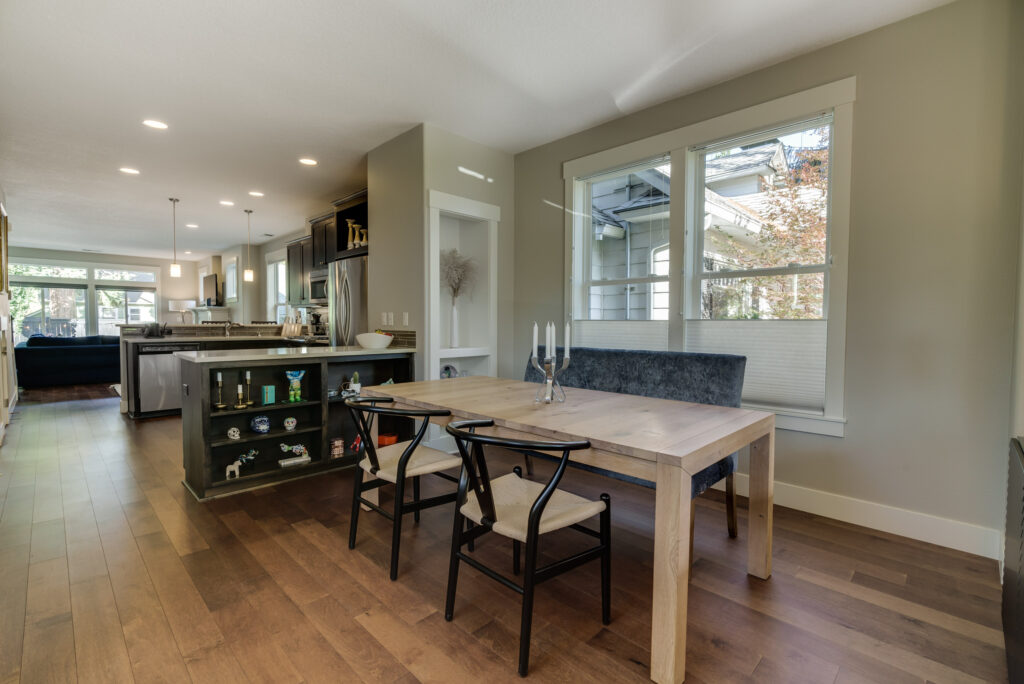
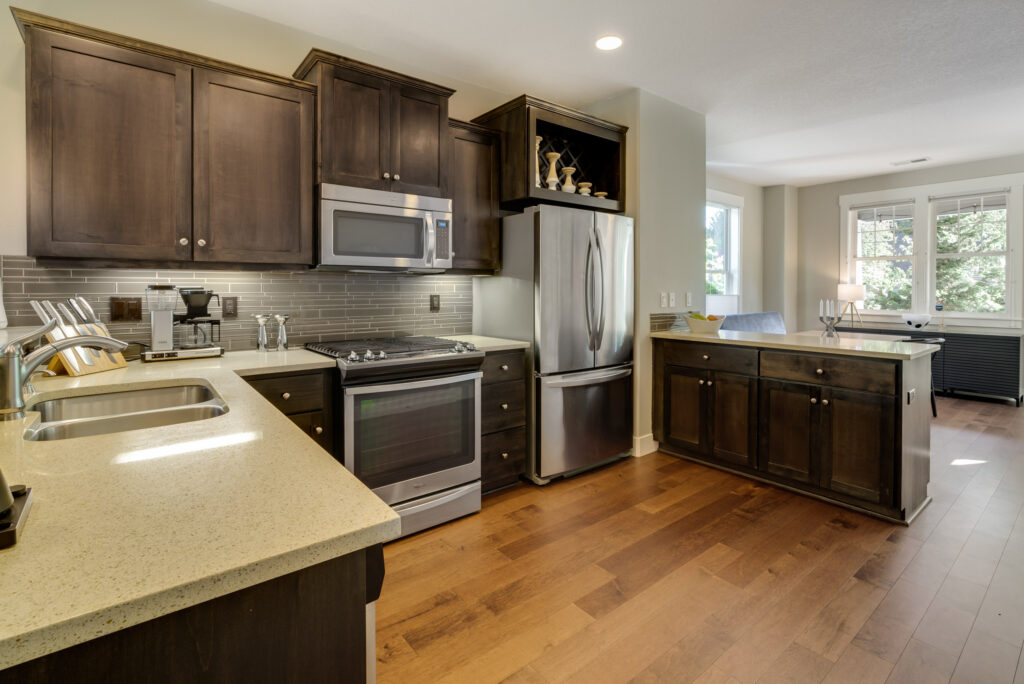
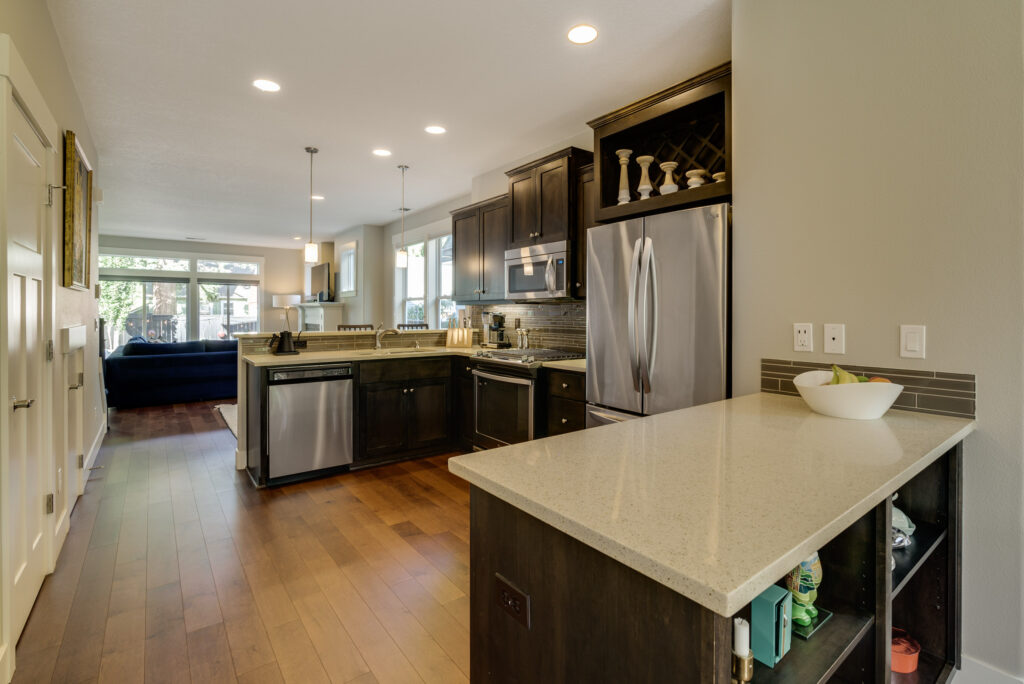
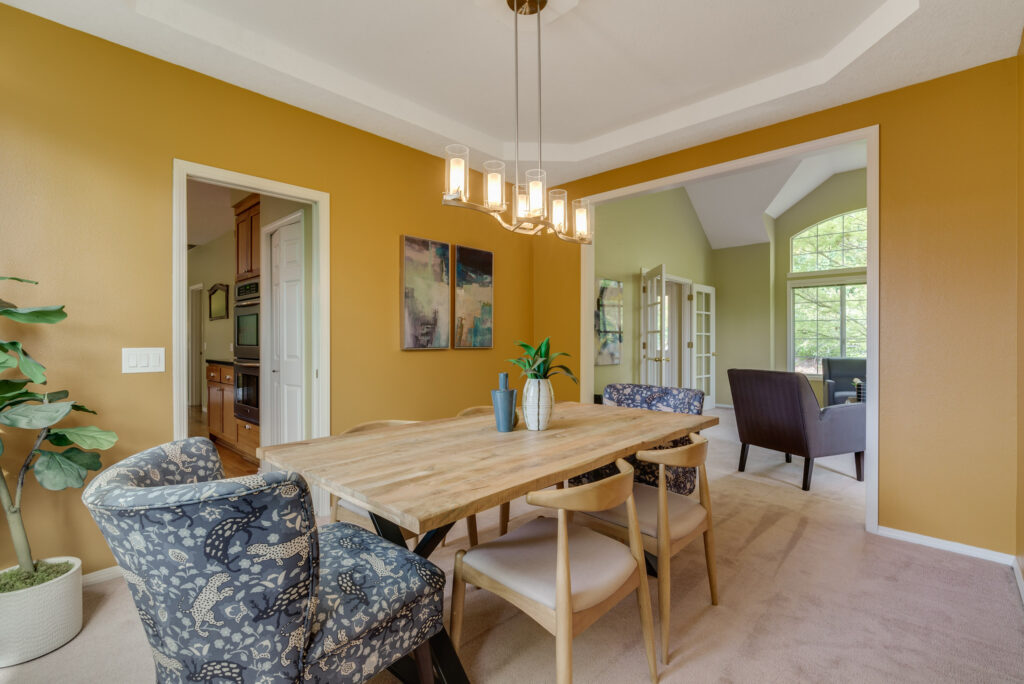
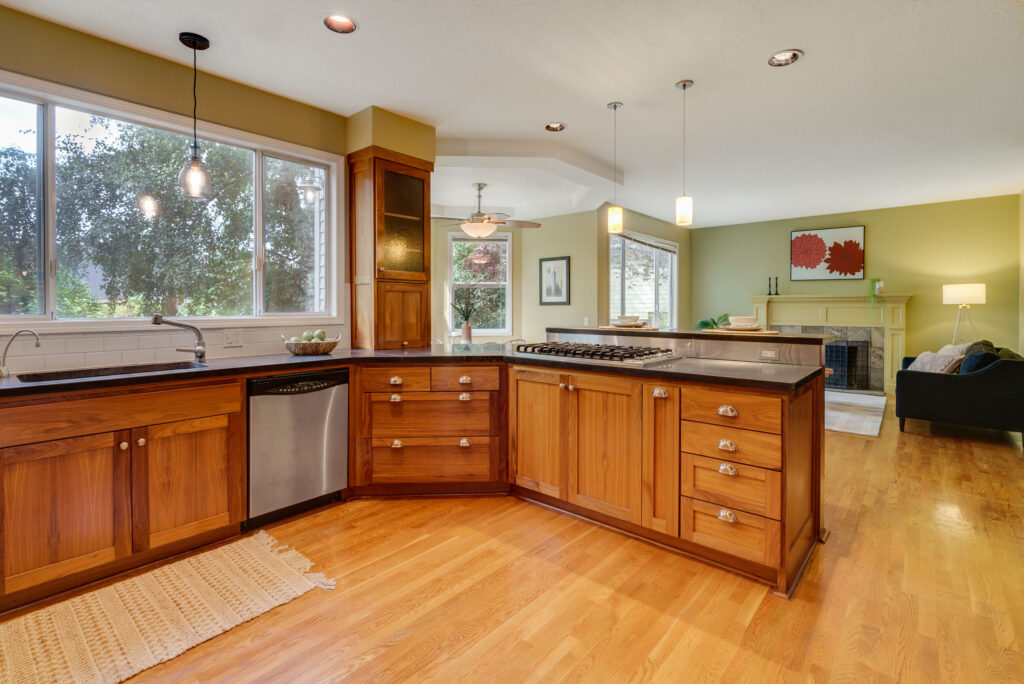
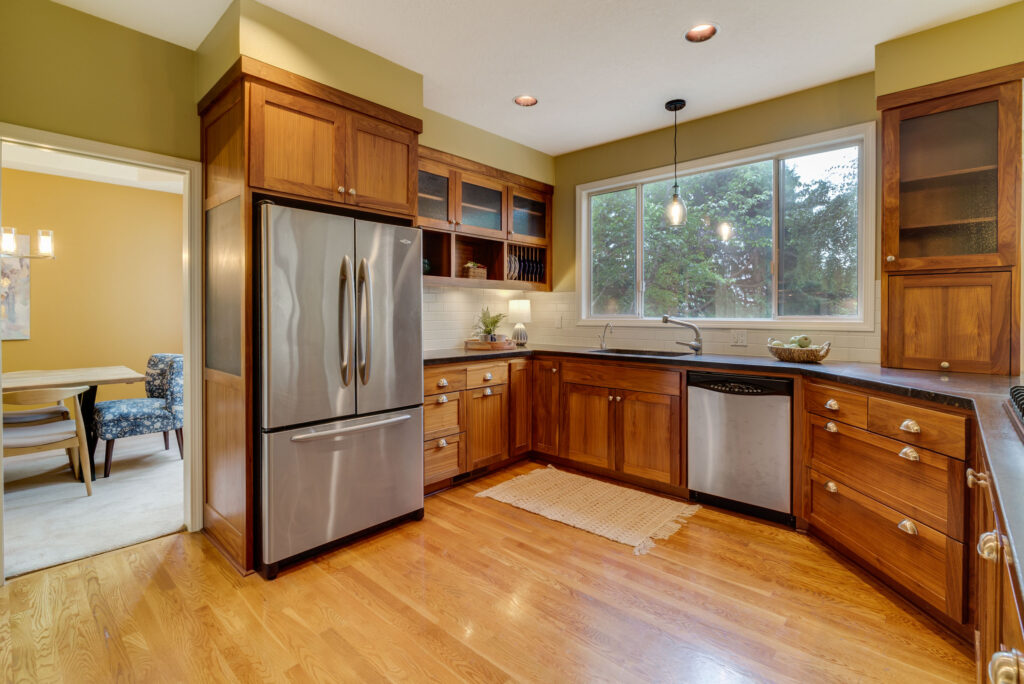
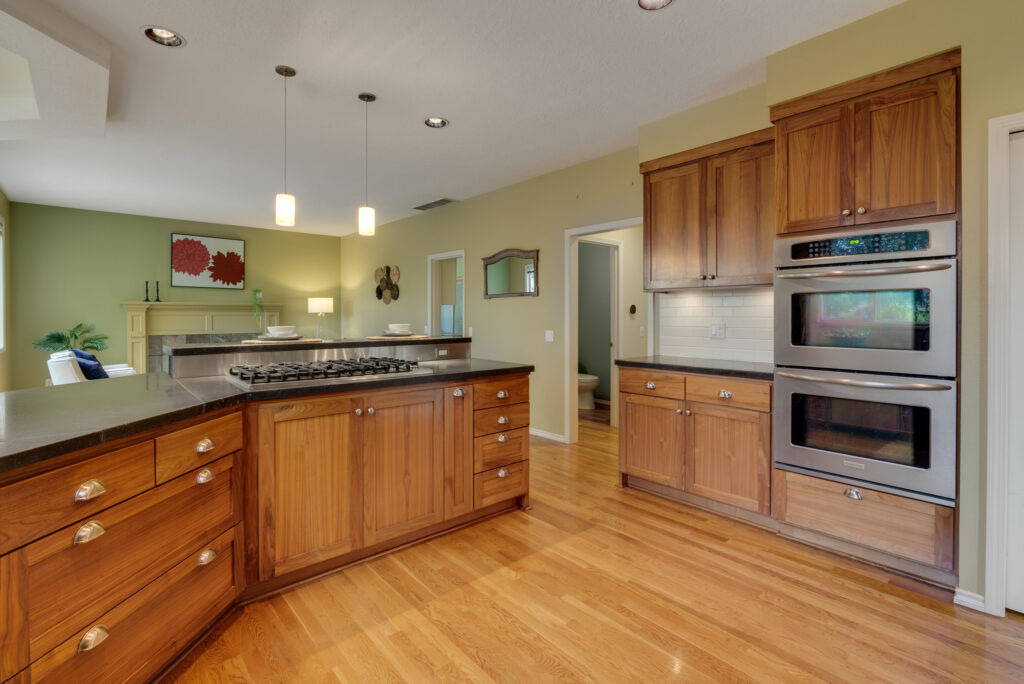
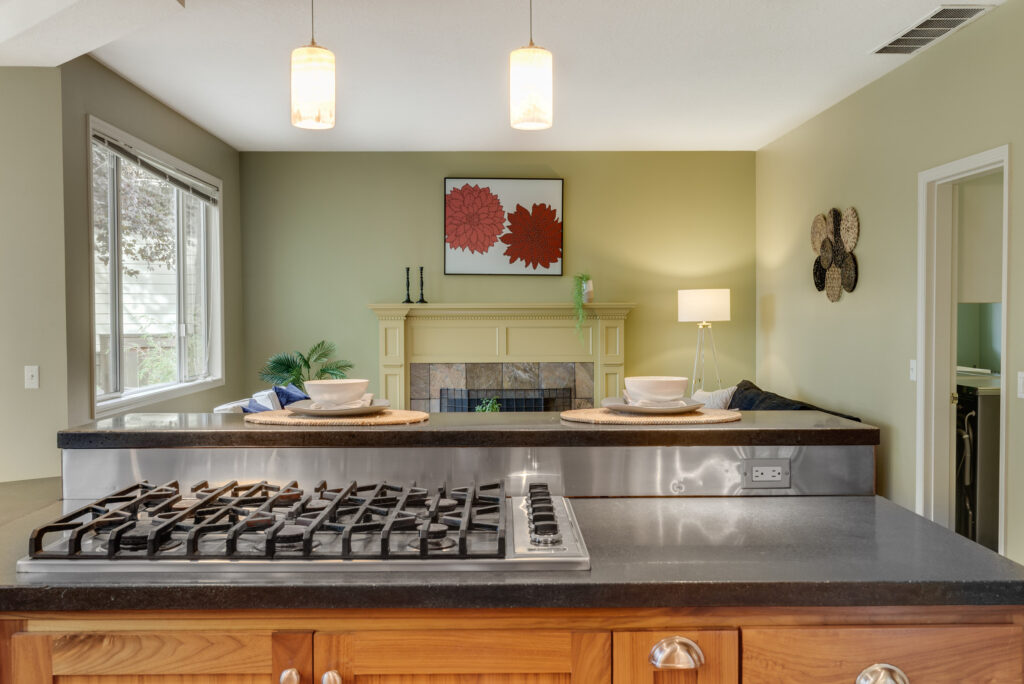
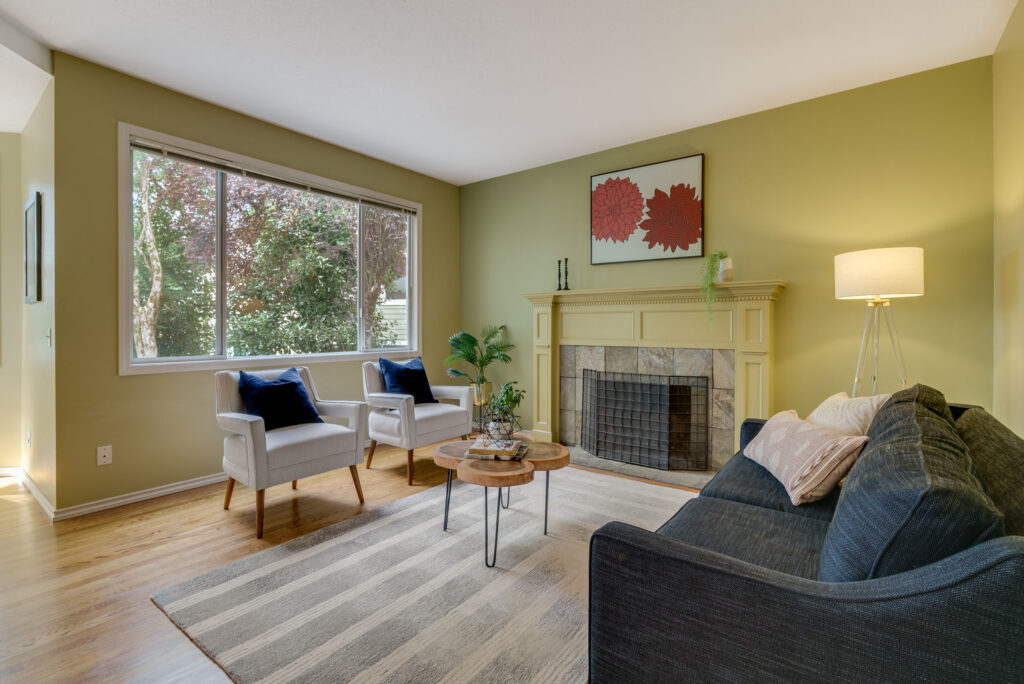
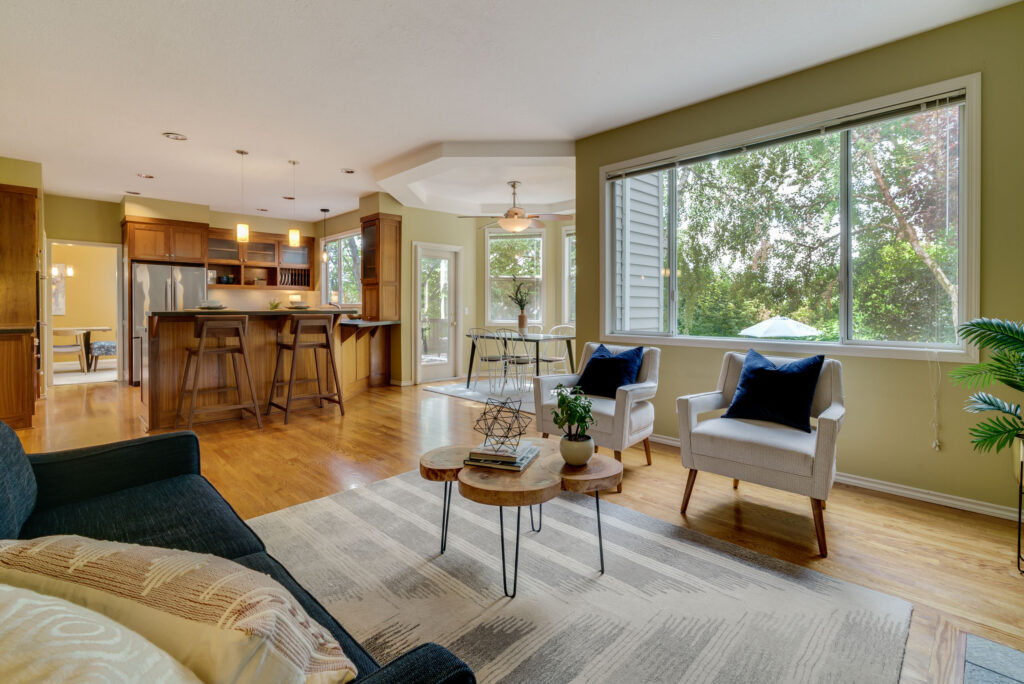
Then came Valentine’s Day weekend when Brianna sent me a home they wanted to see. I knew right away it was a strong one—well-priced and in great condition—so we moved quickly and got them in to tour within hours. They toured it and they loved it. They love to entertain family and friends and the open floor plan was perfect for hosting. We put together a competitive offer that benefitted both parties and even included seller-paid closing costs. Then we waited… They tried not to get too attached. I tried to be patient. Then we got the call. OFFER ACCEPTED.
Welcome Home
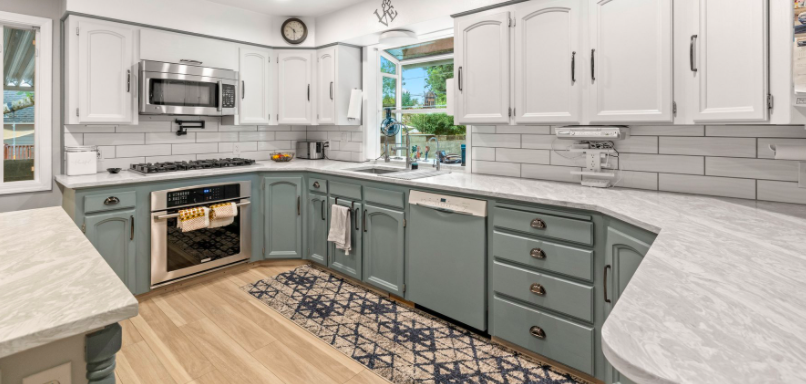
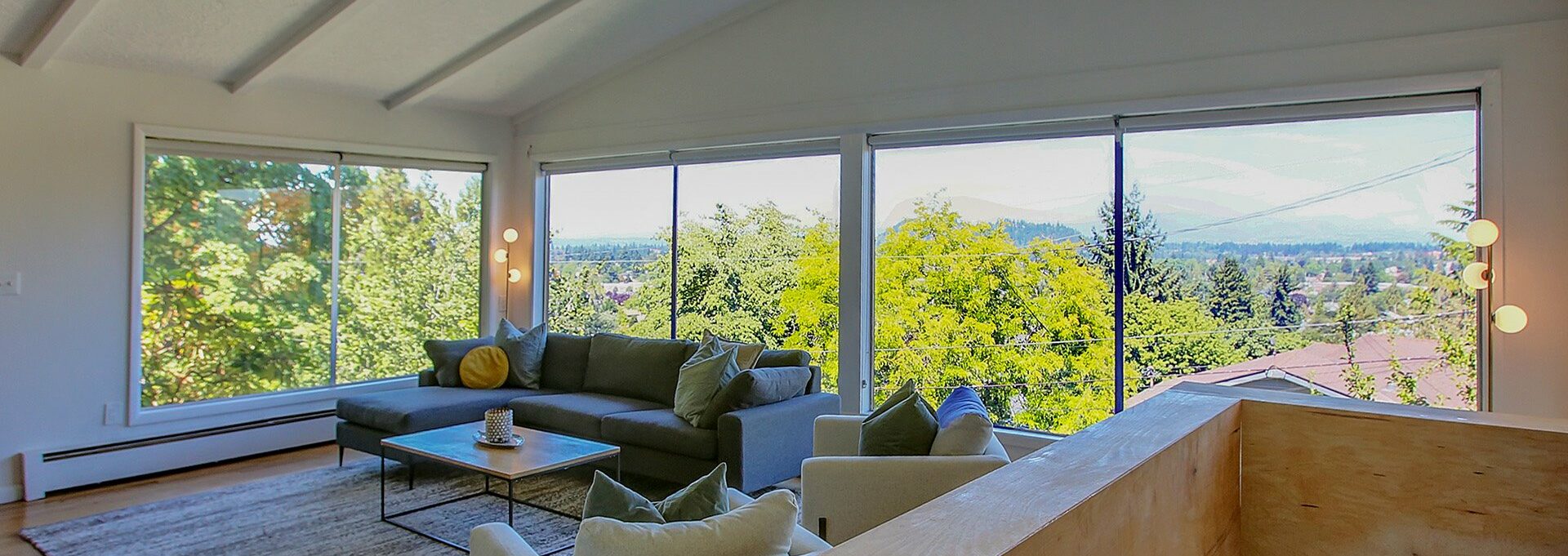
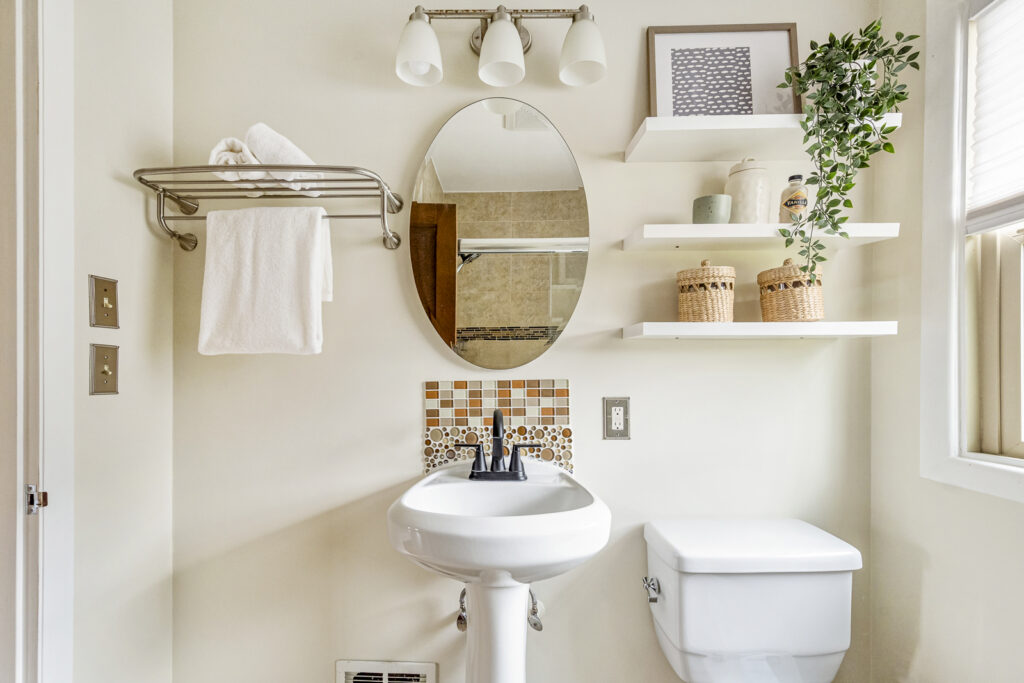
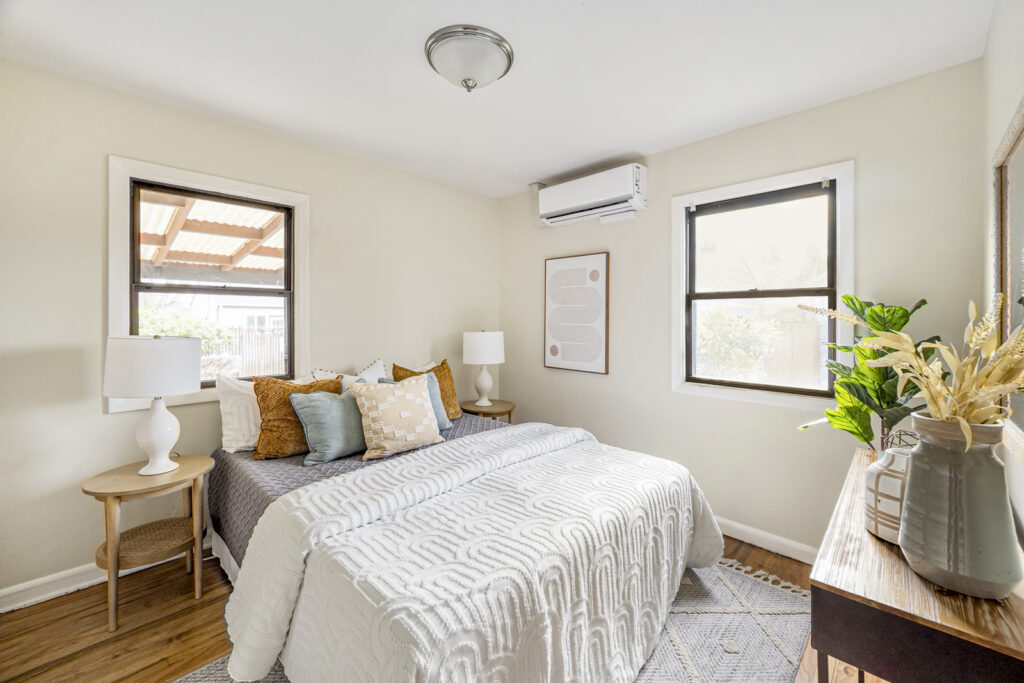
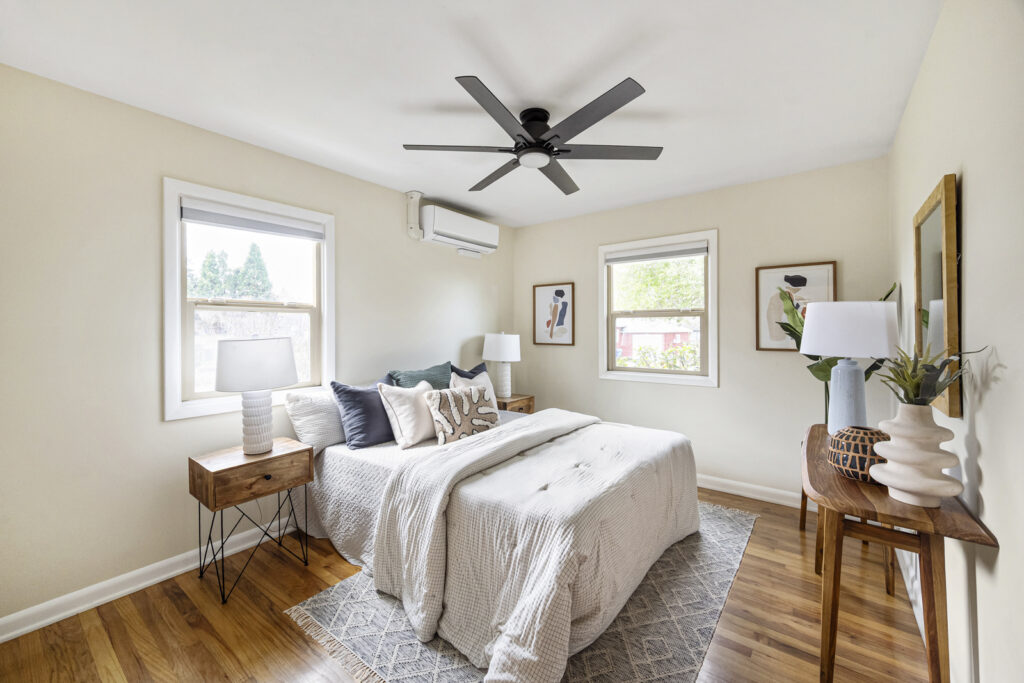
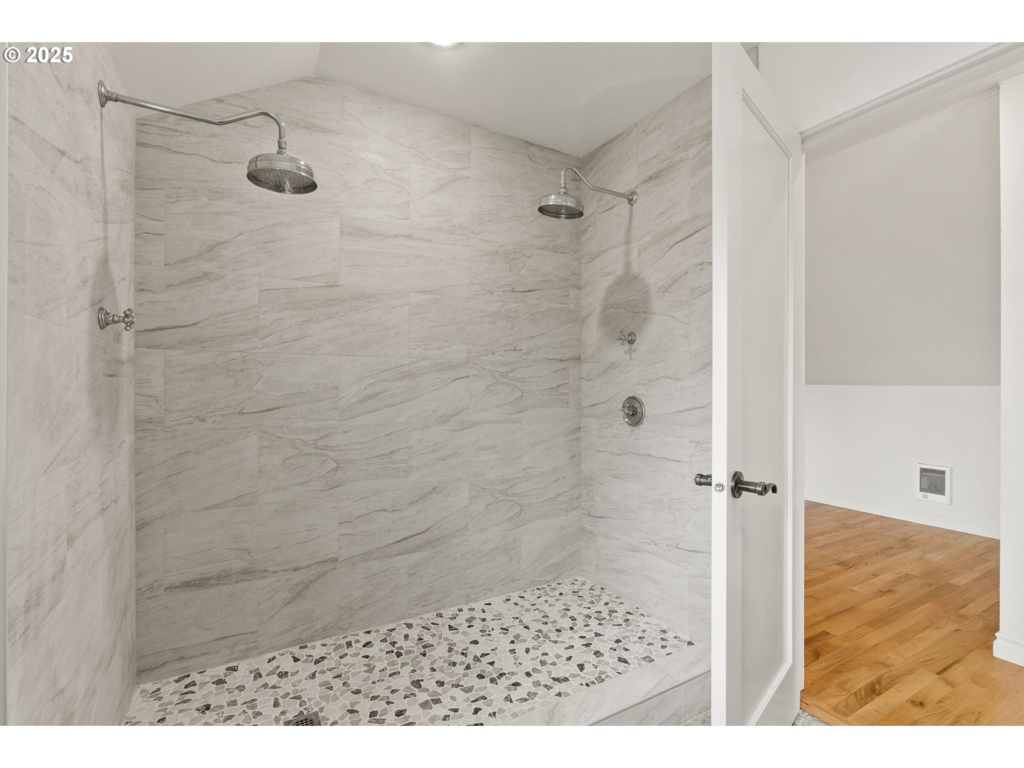
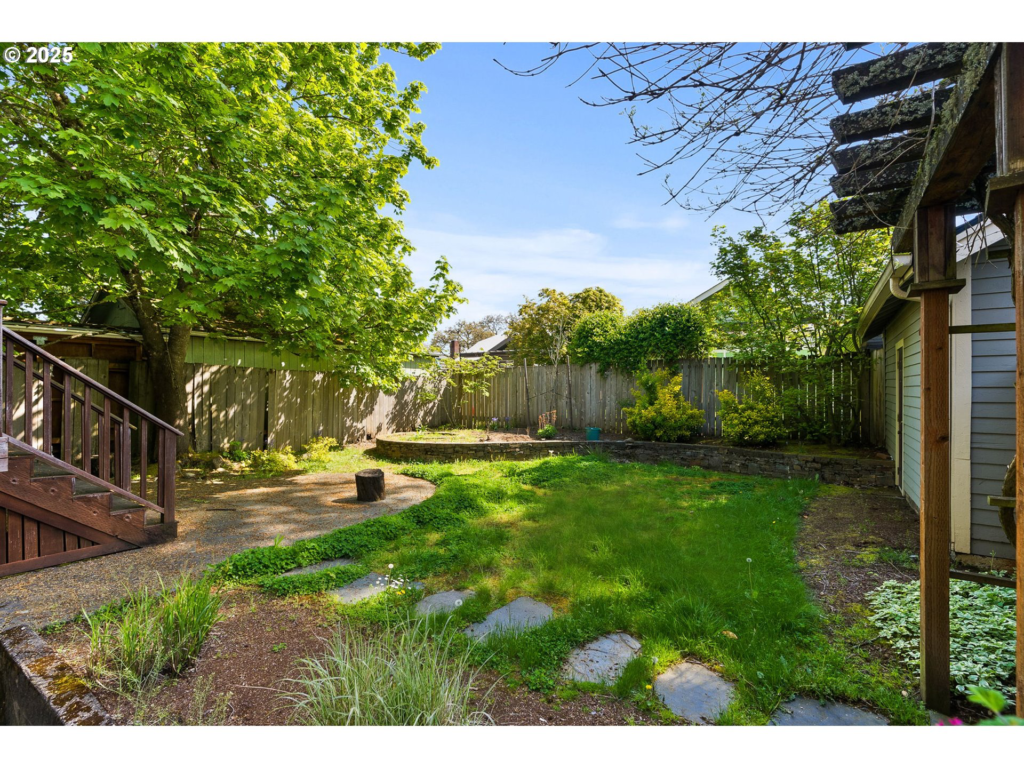
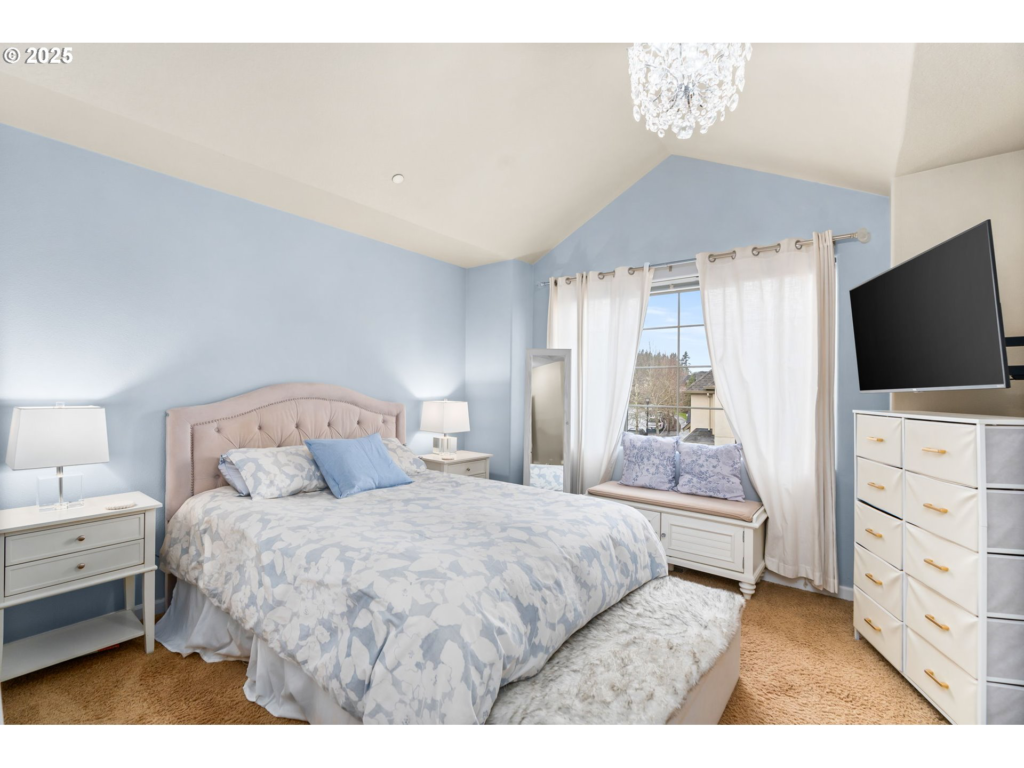
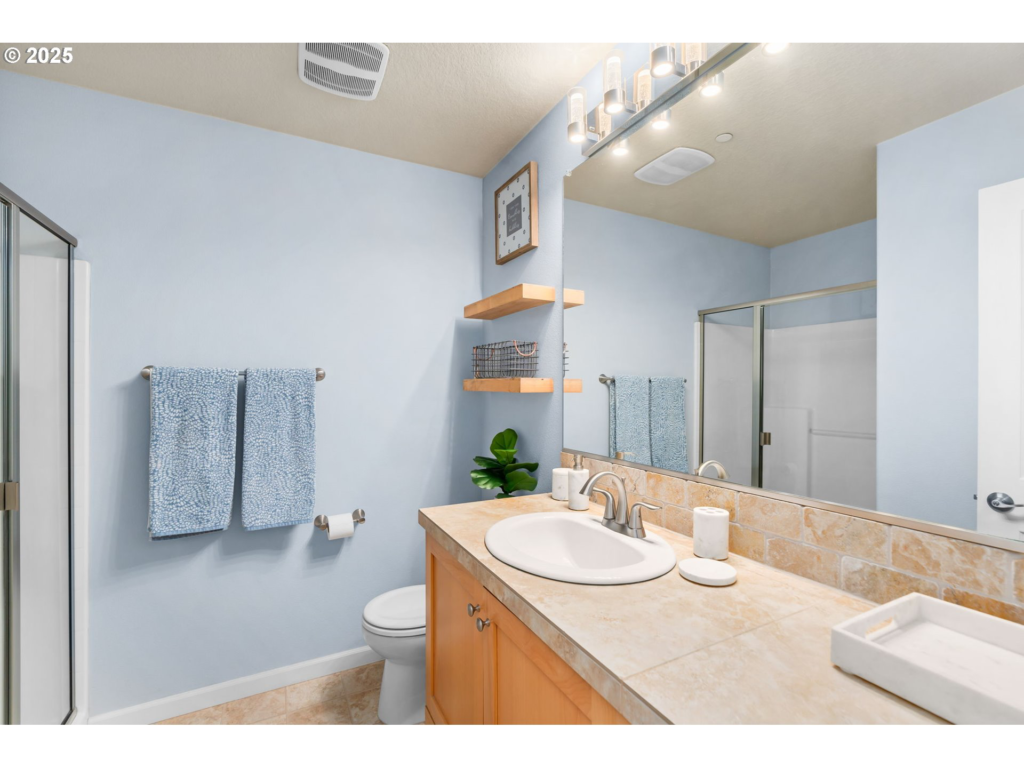
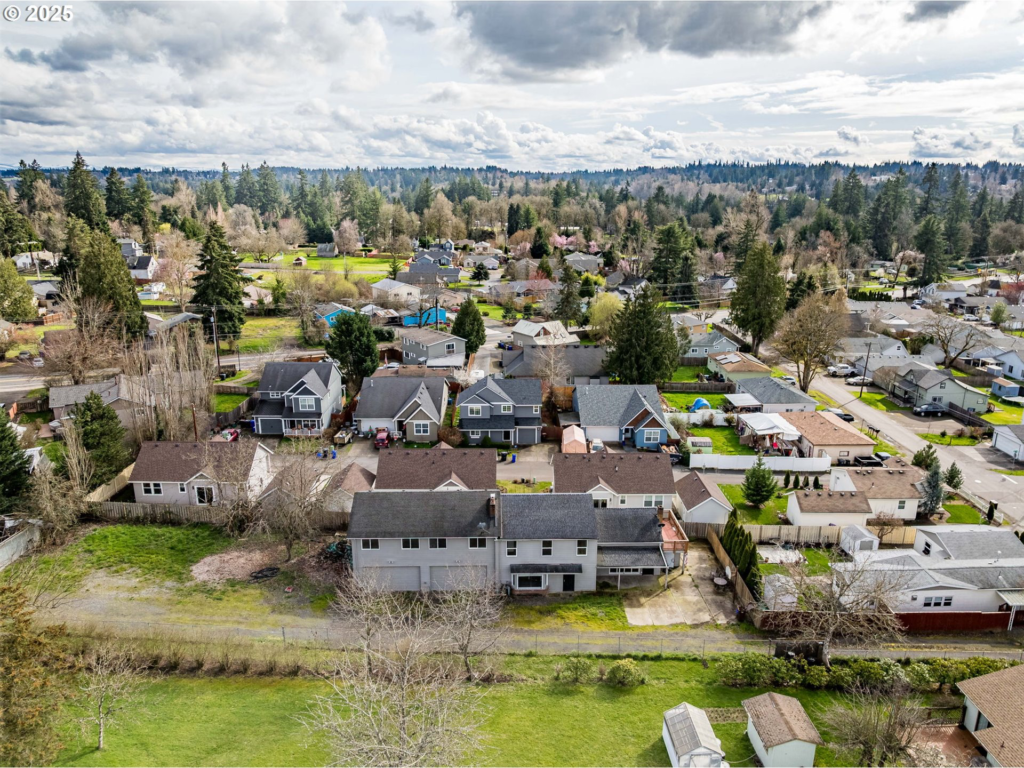
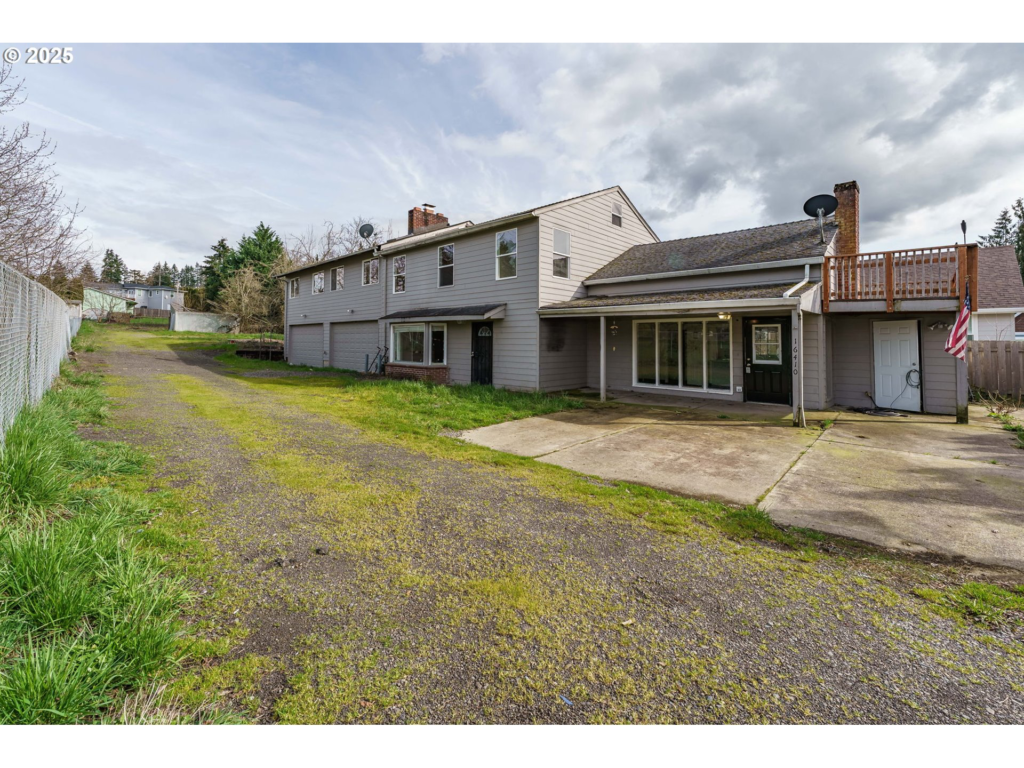
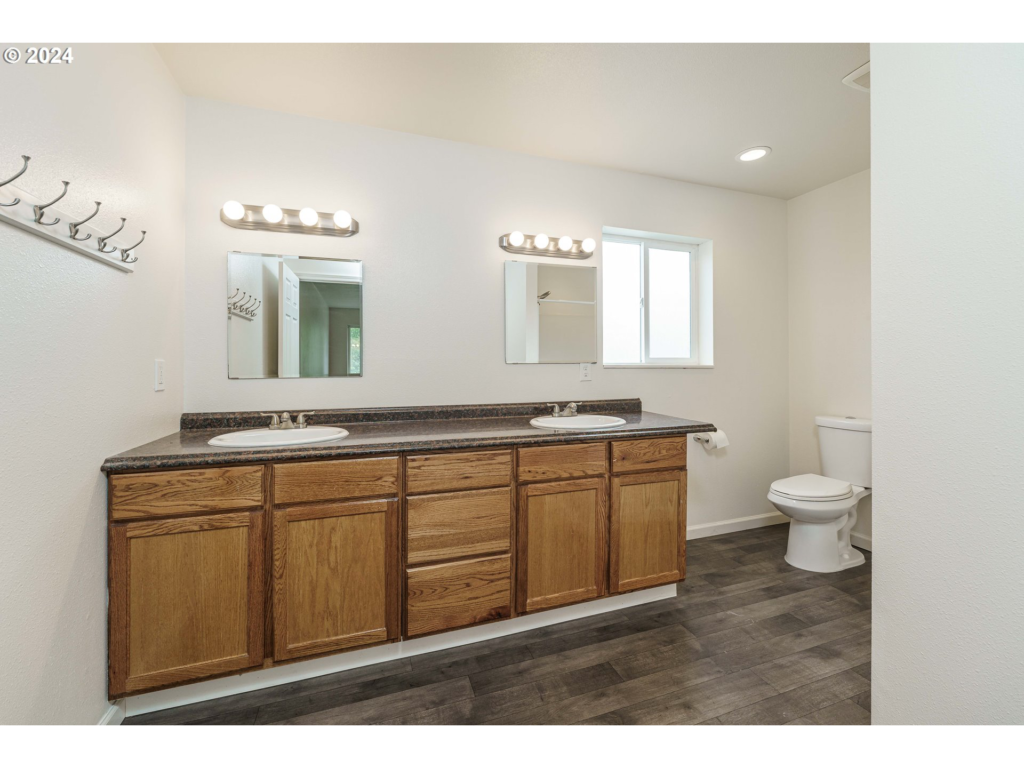
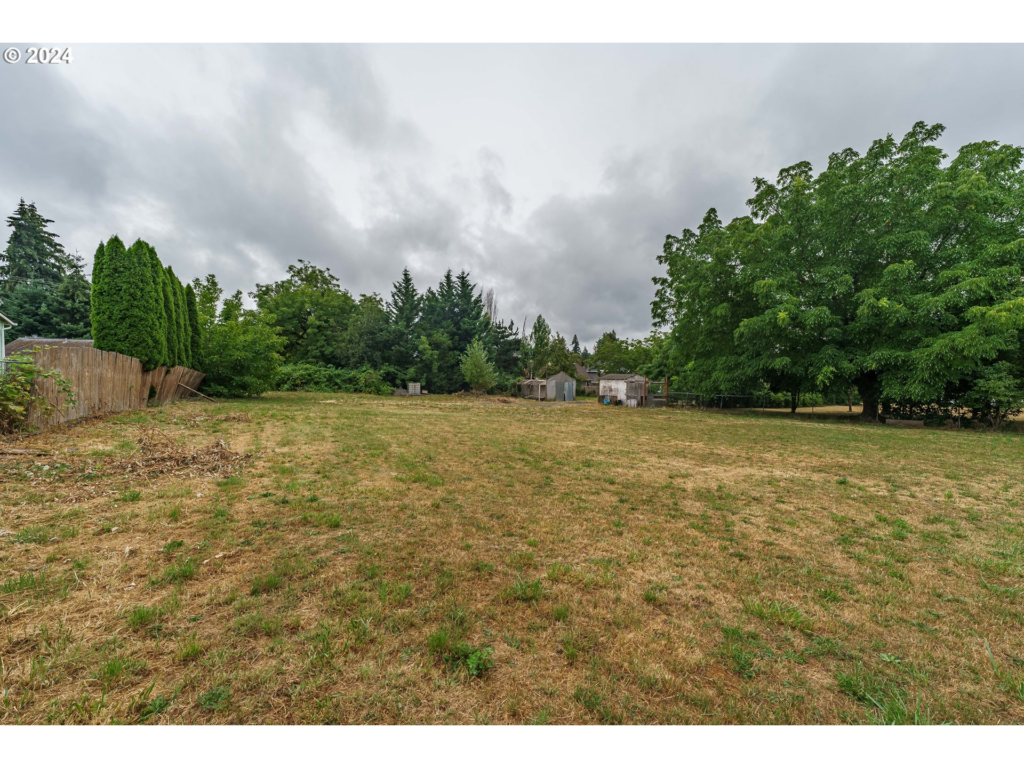
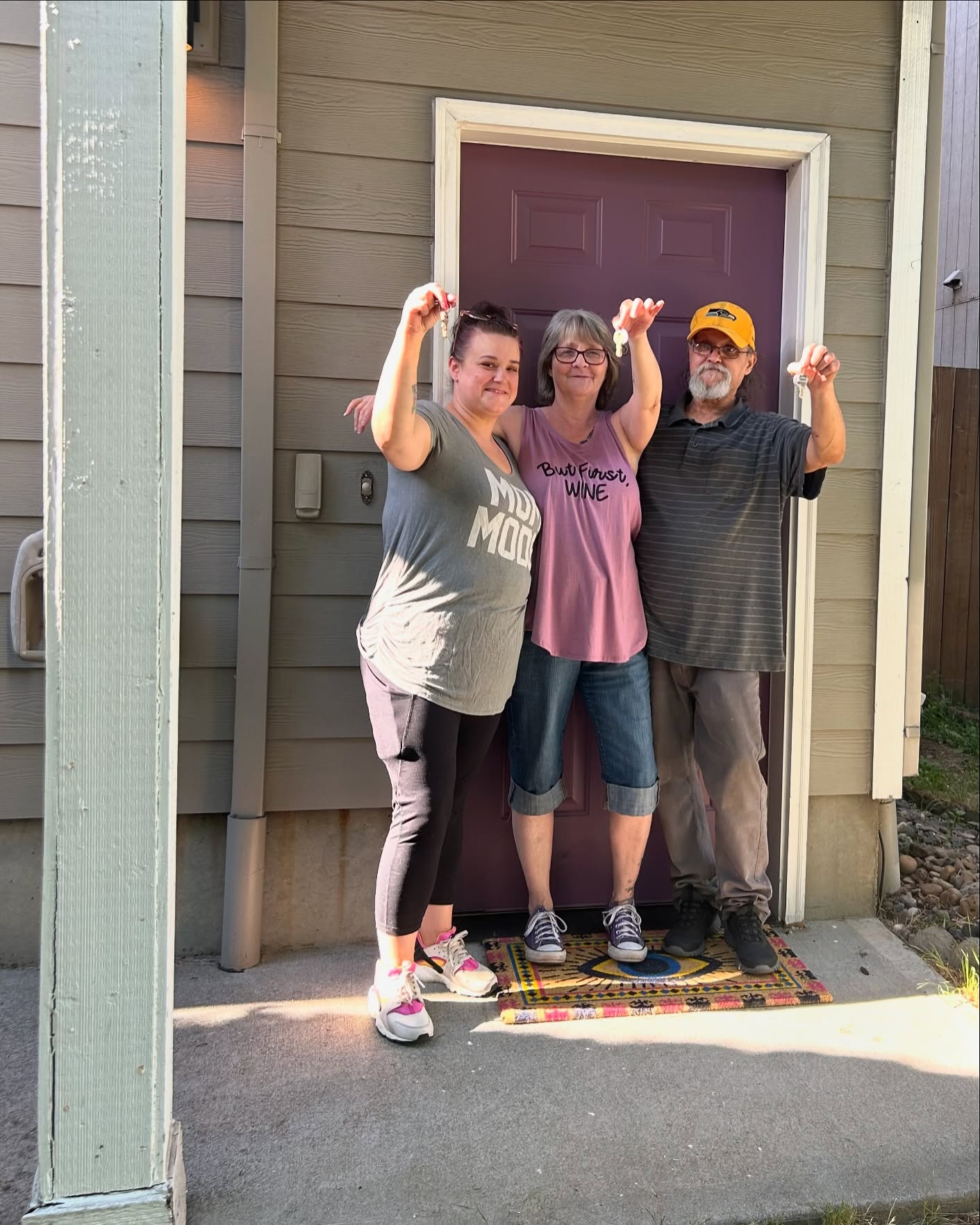
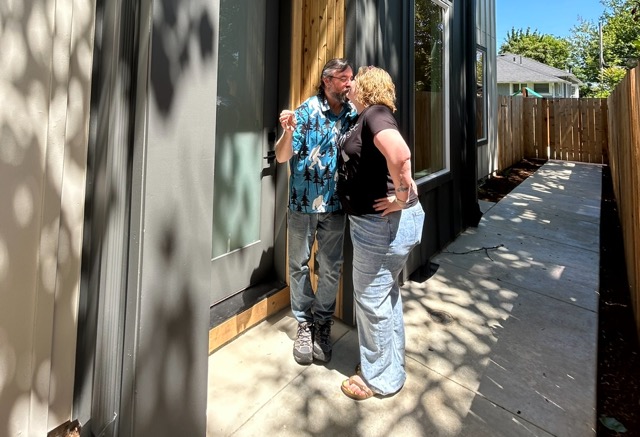
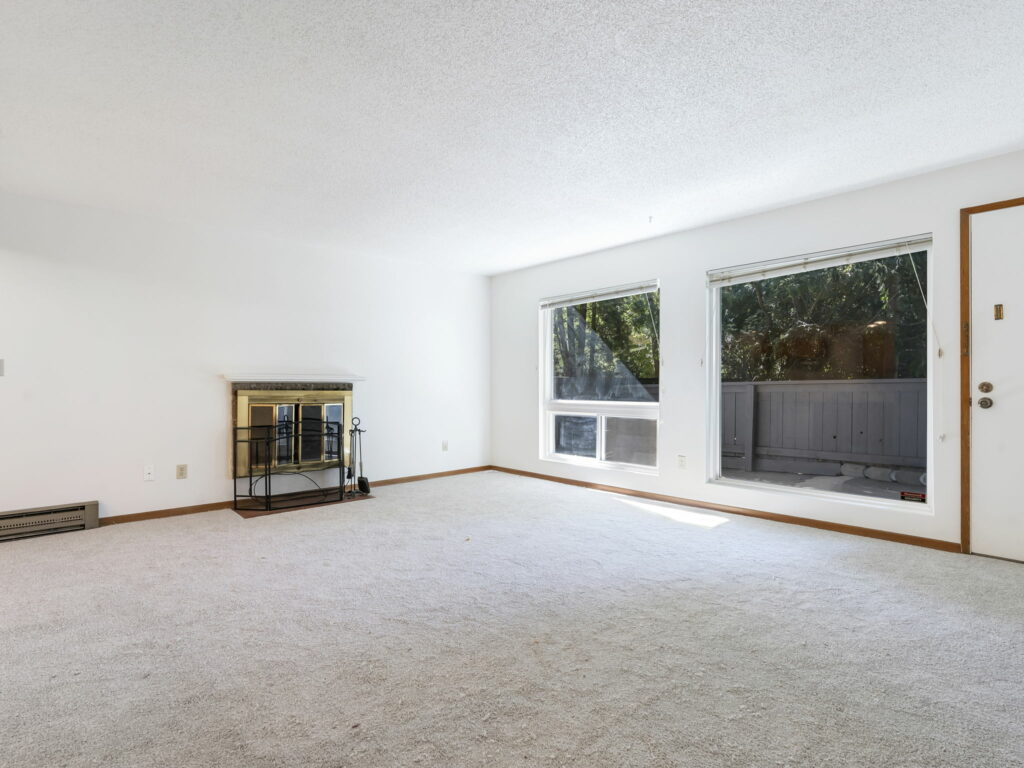
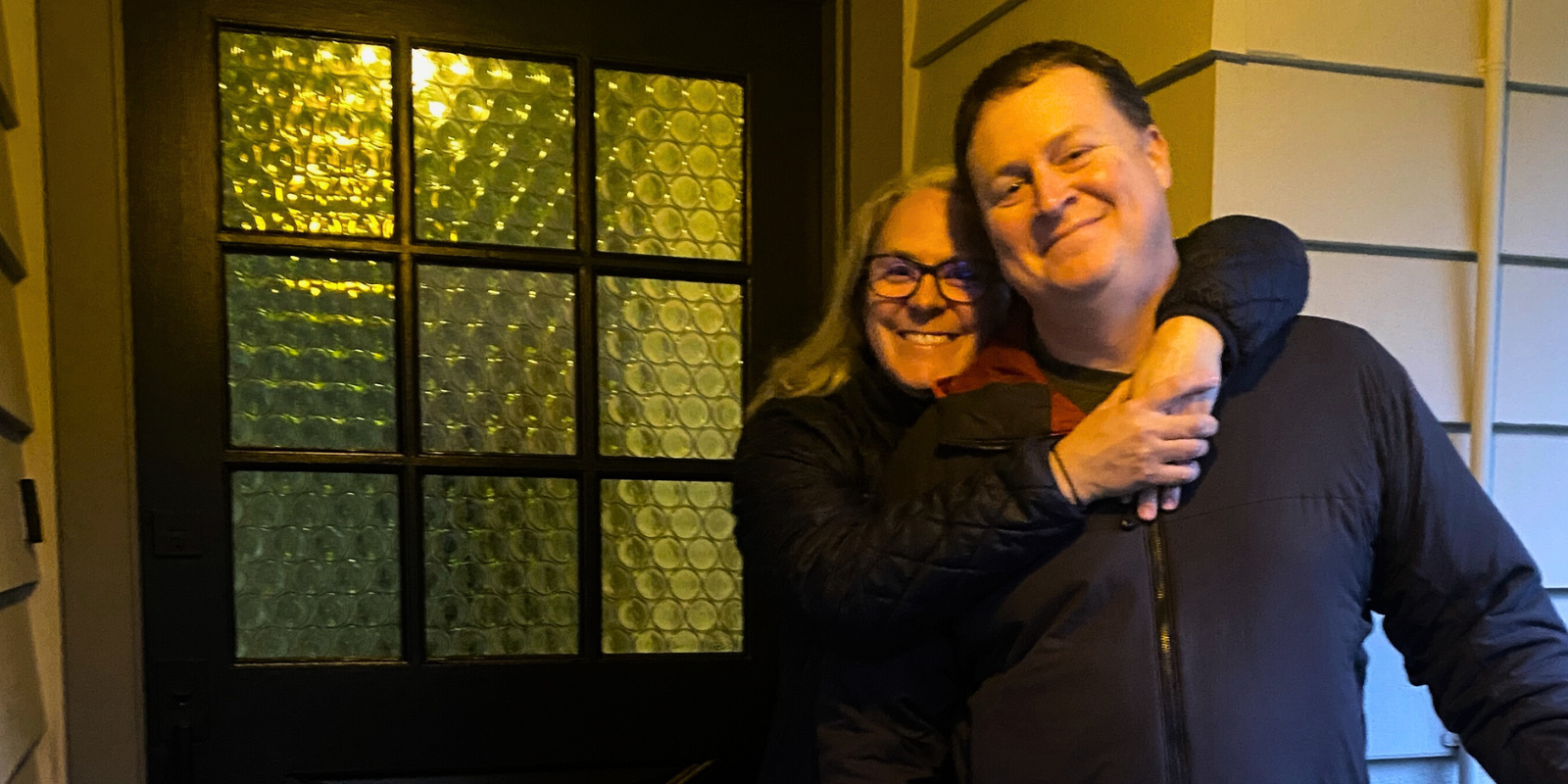
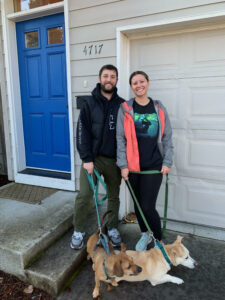
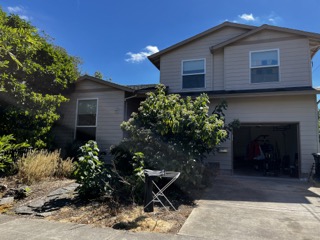
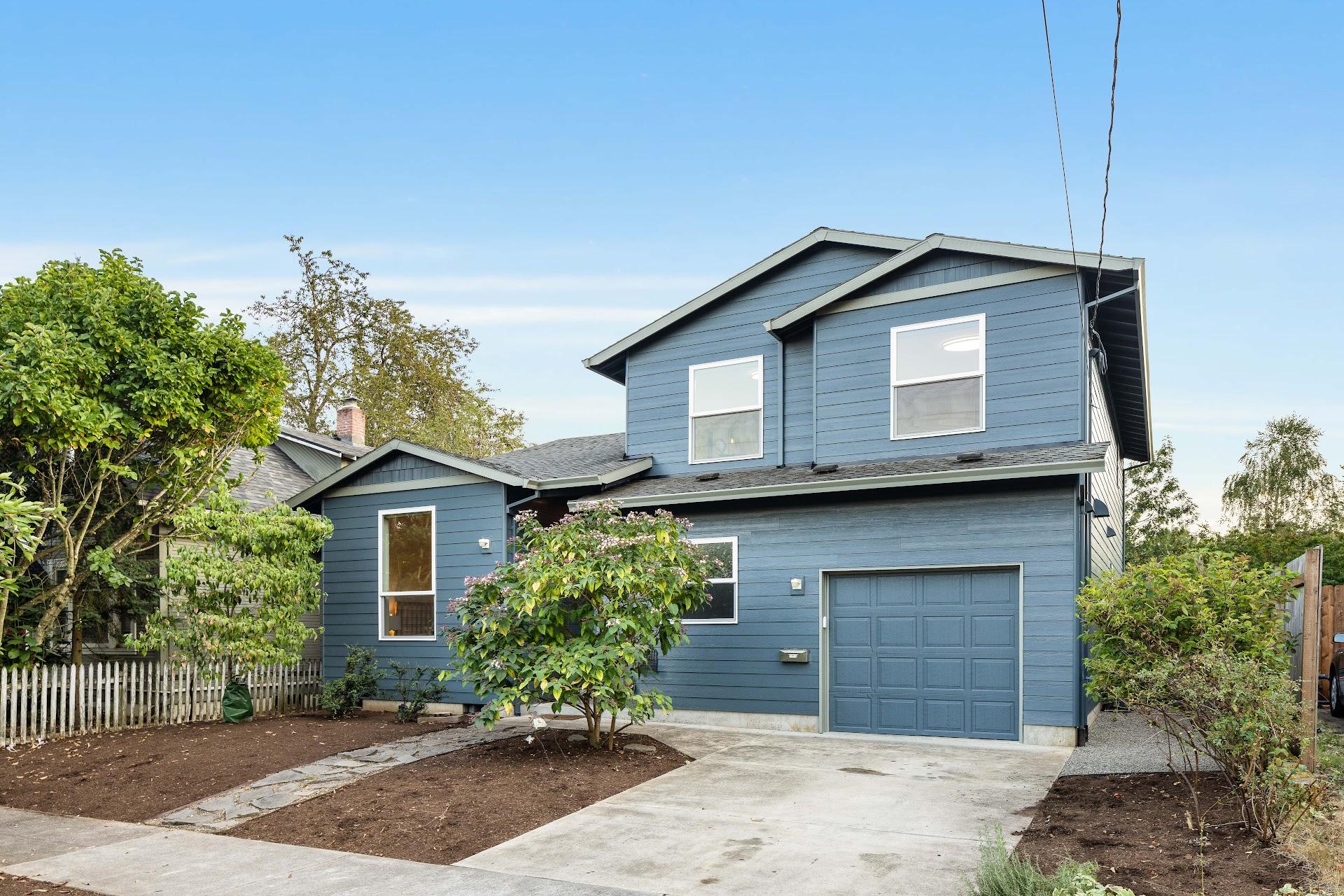
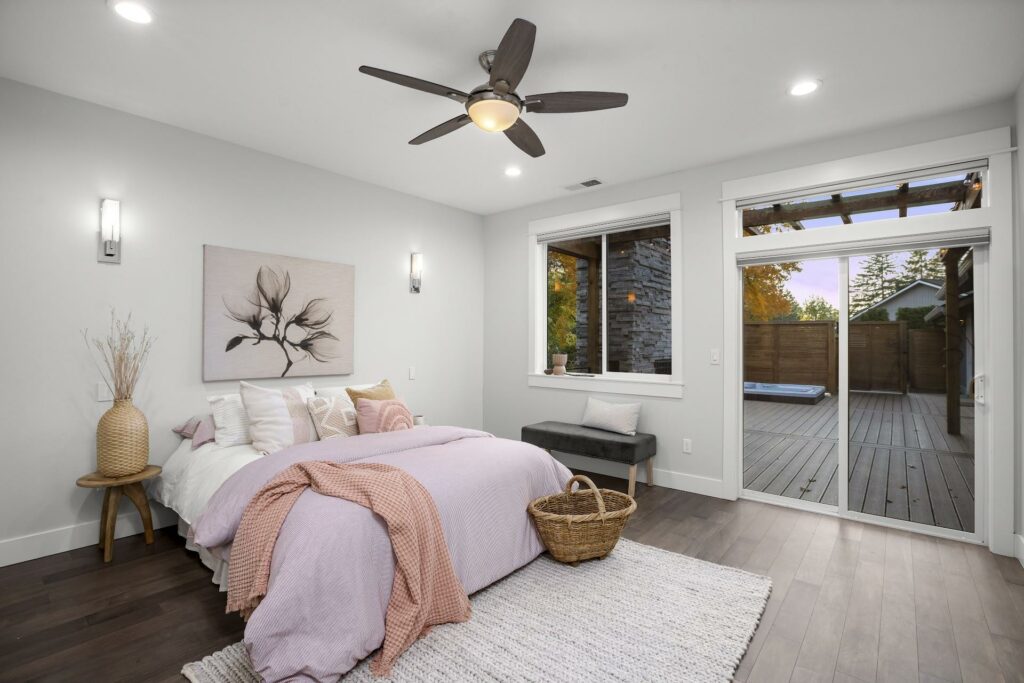
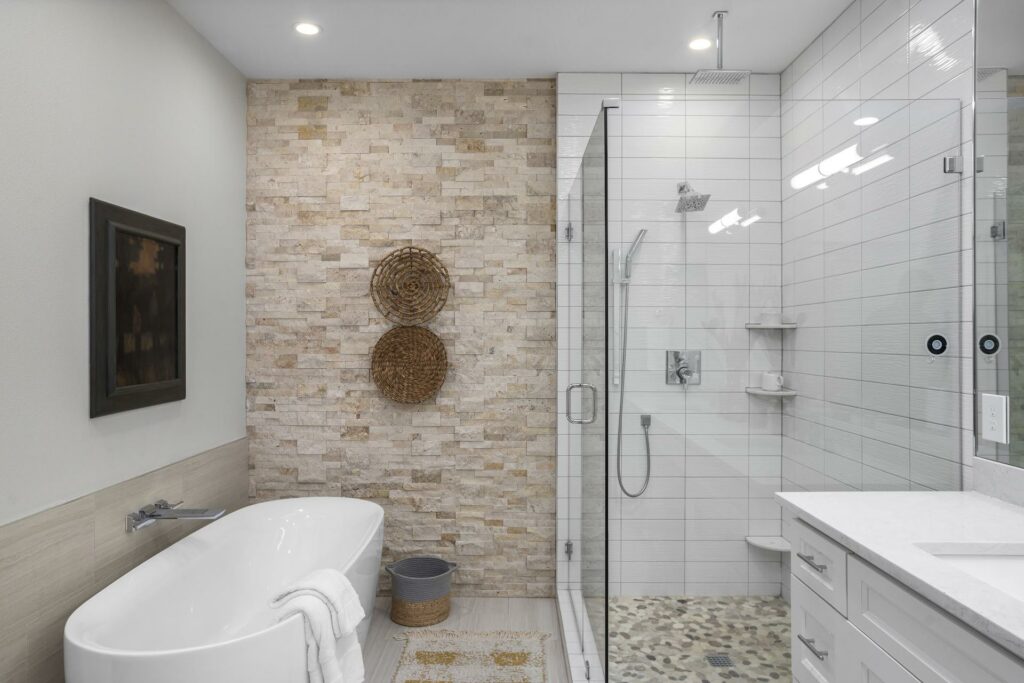
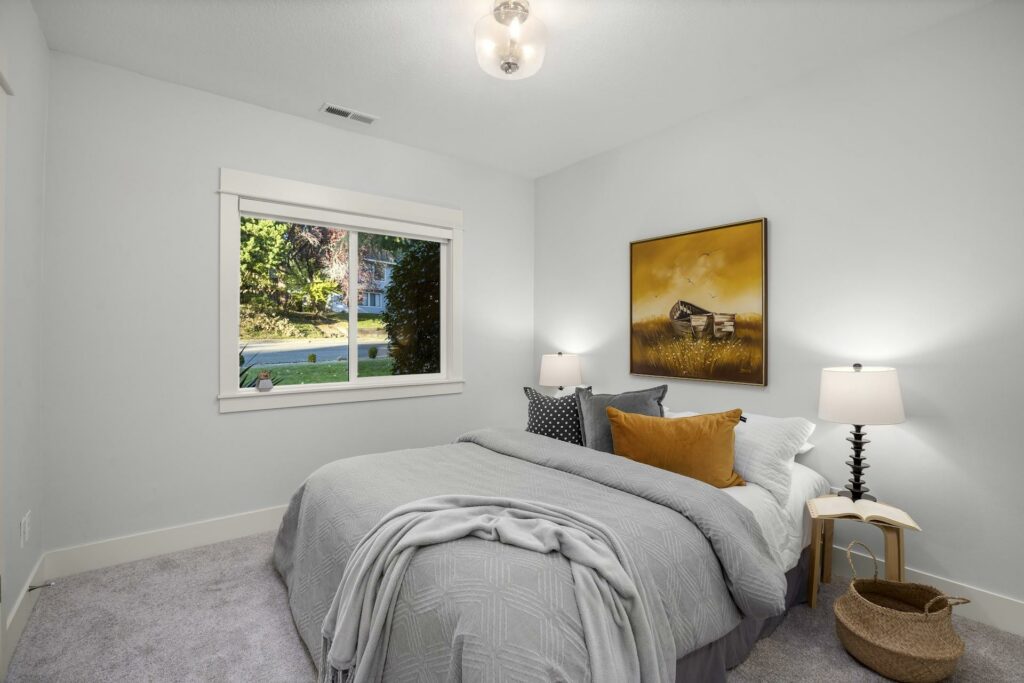
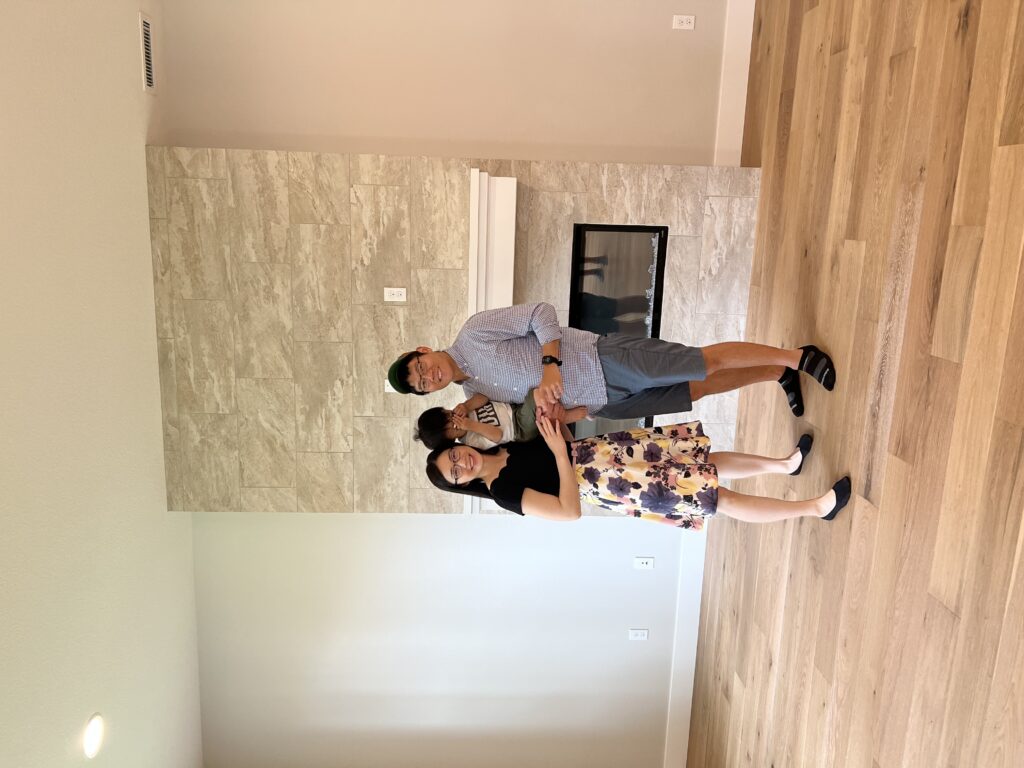
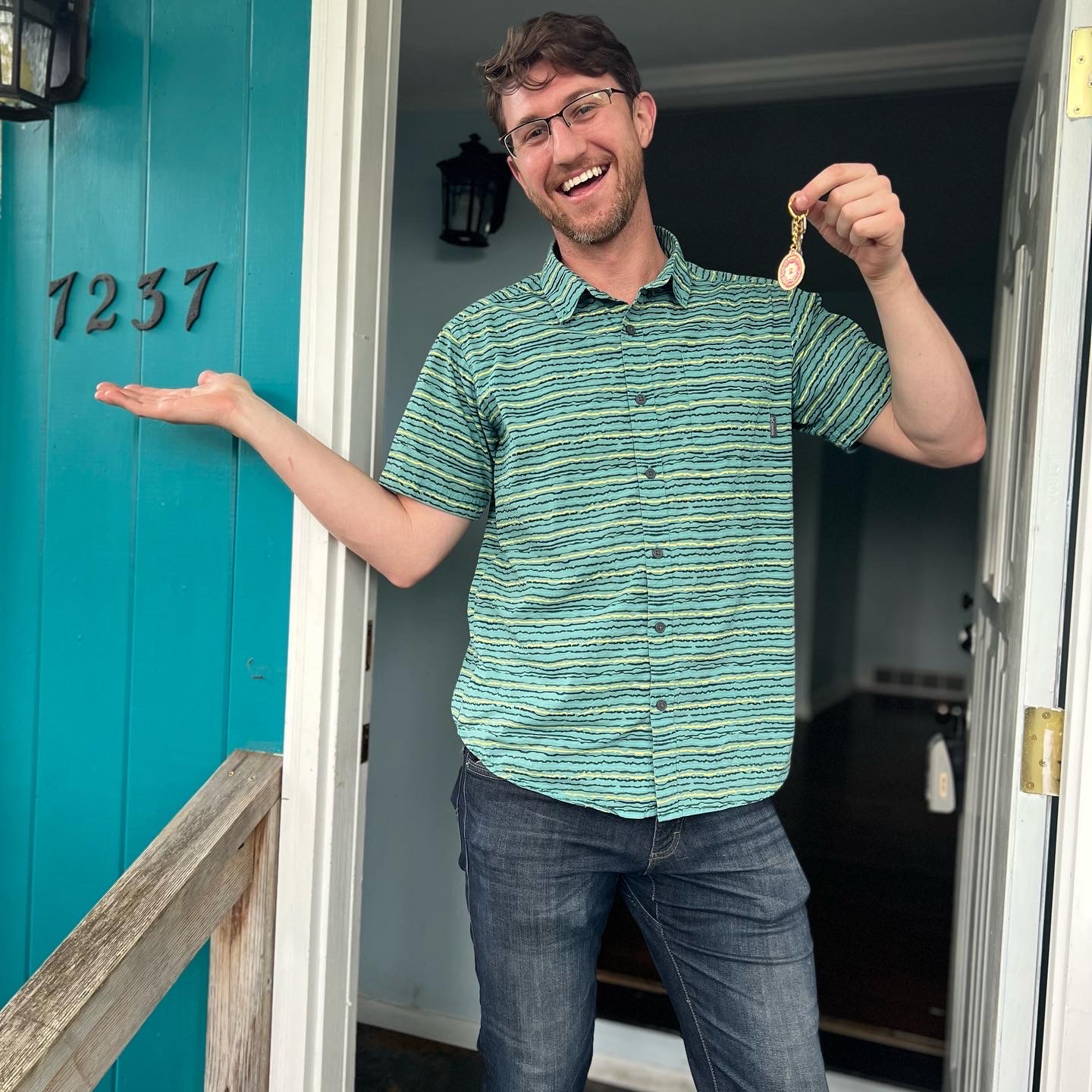
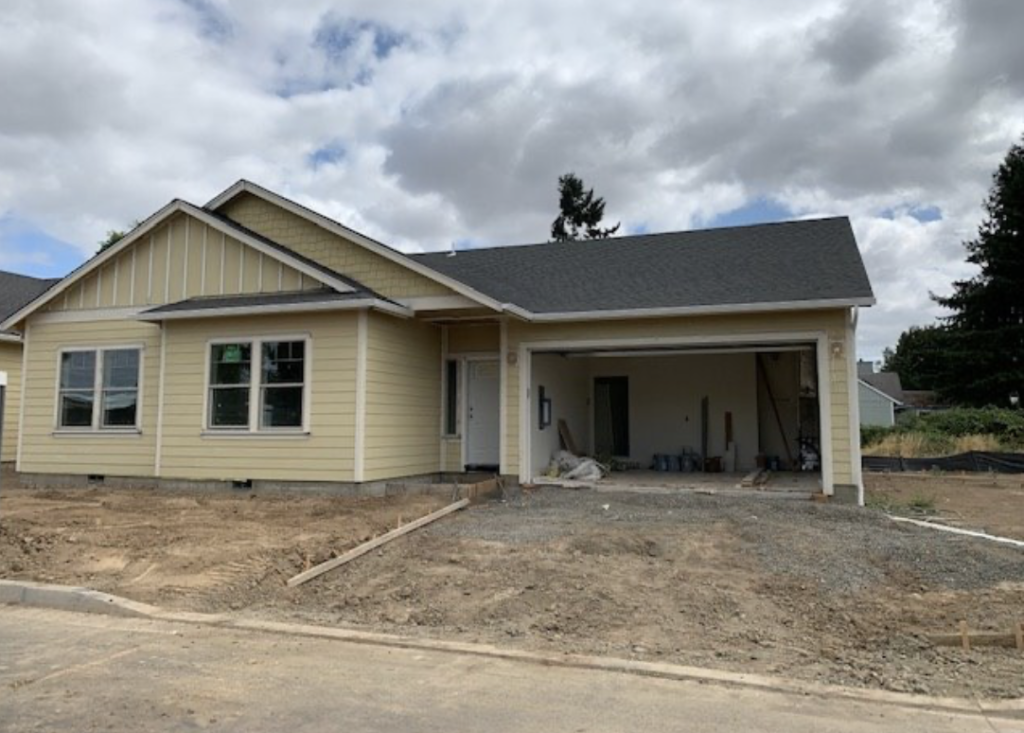
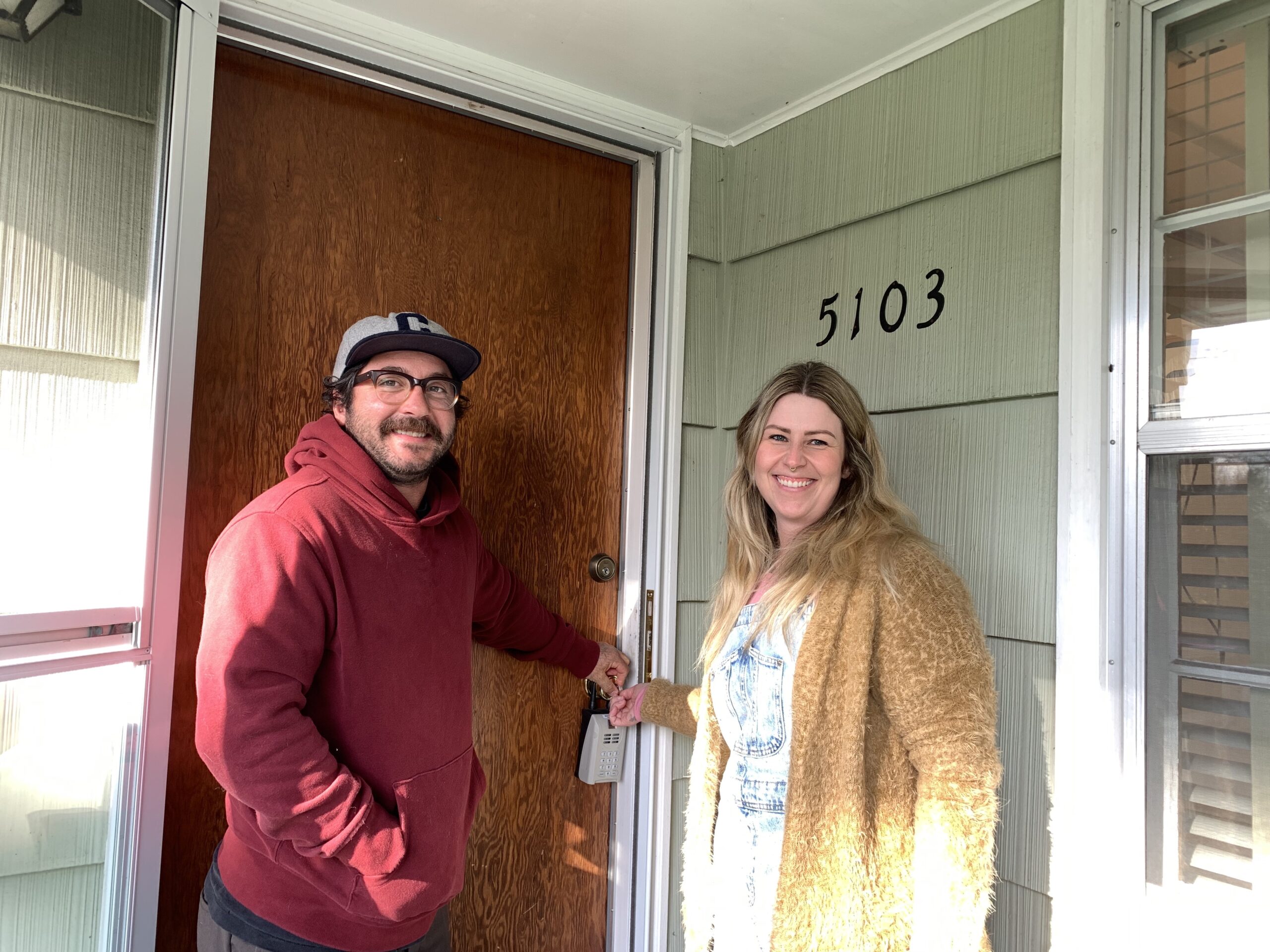
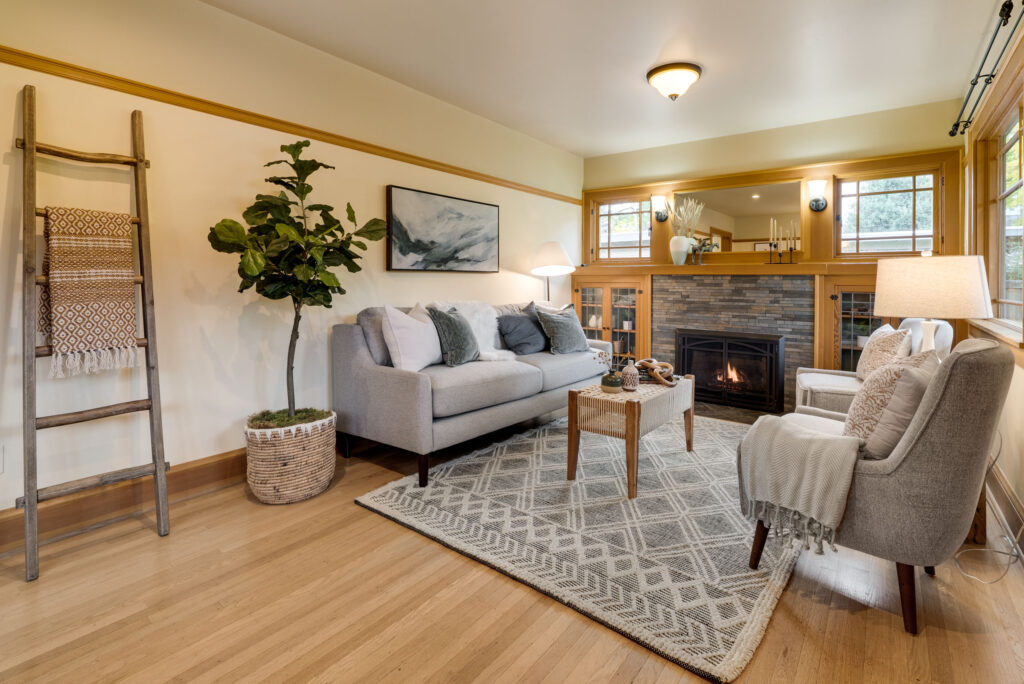
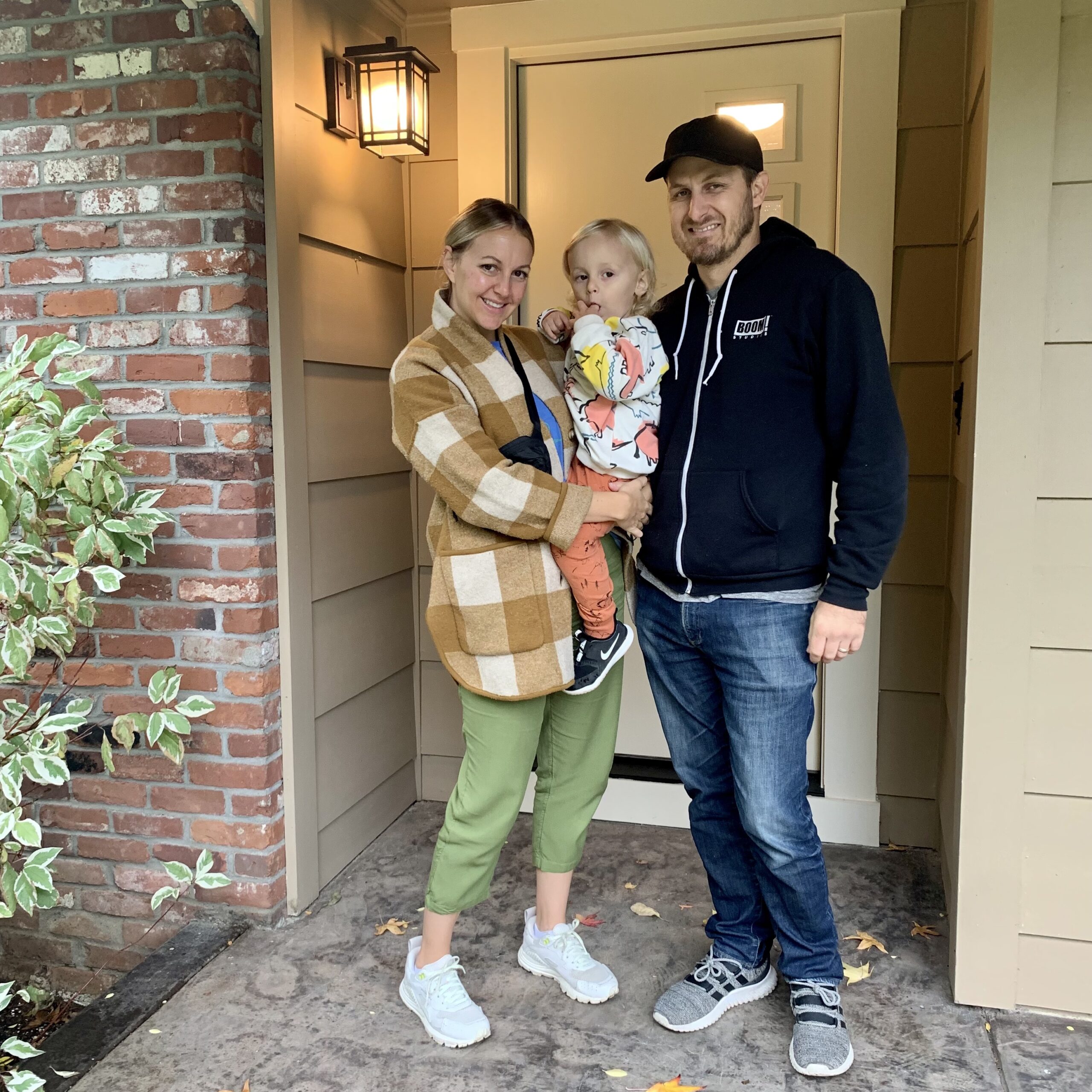
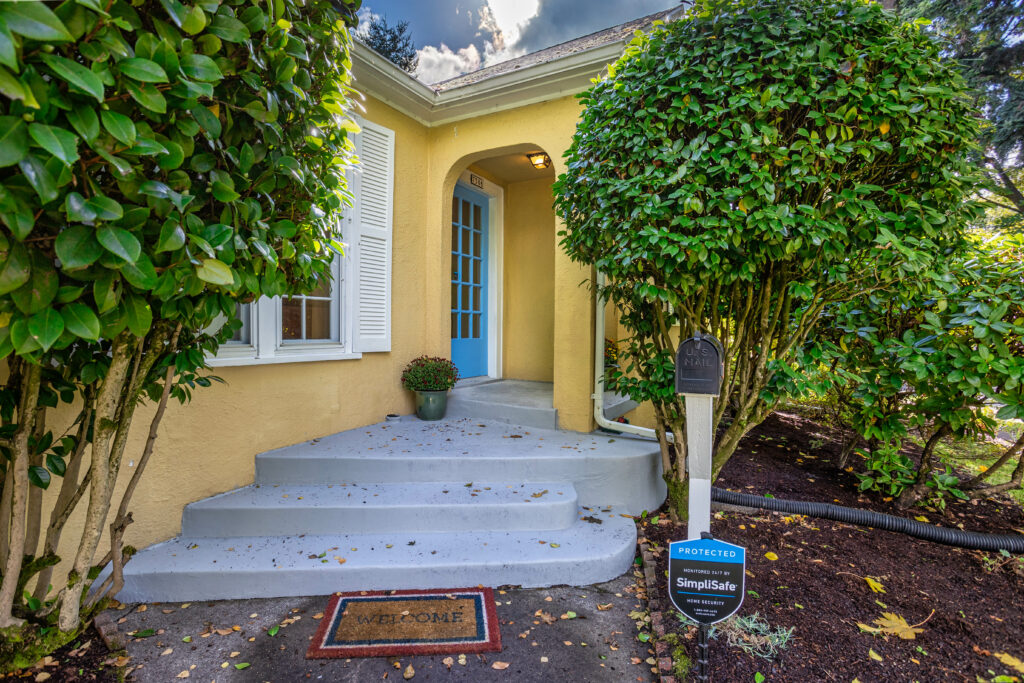
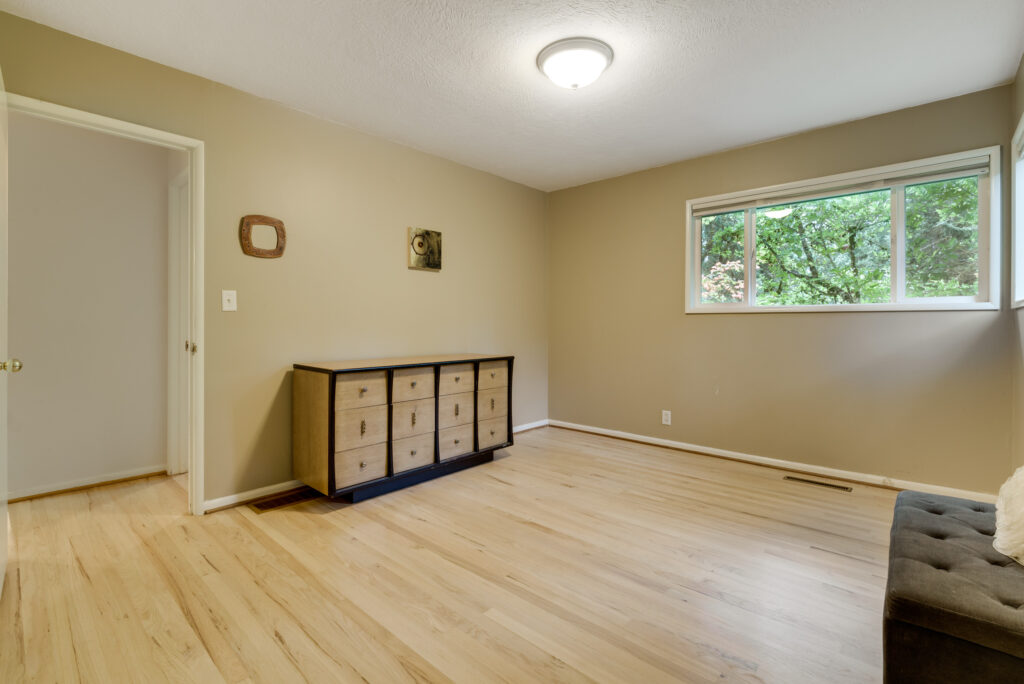
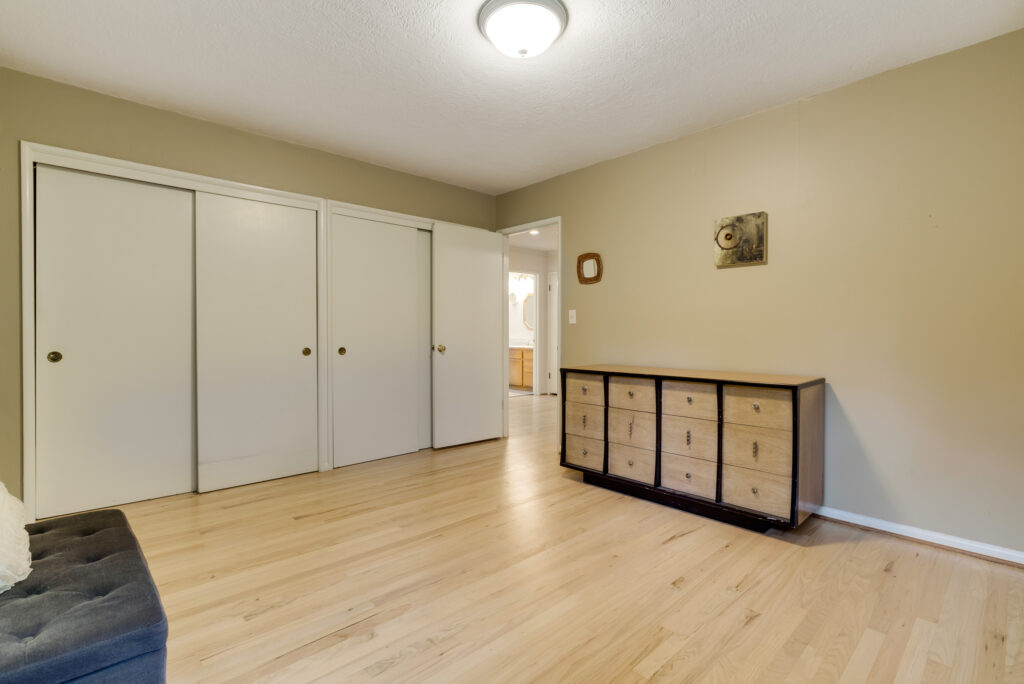
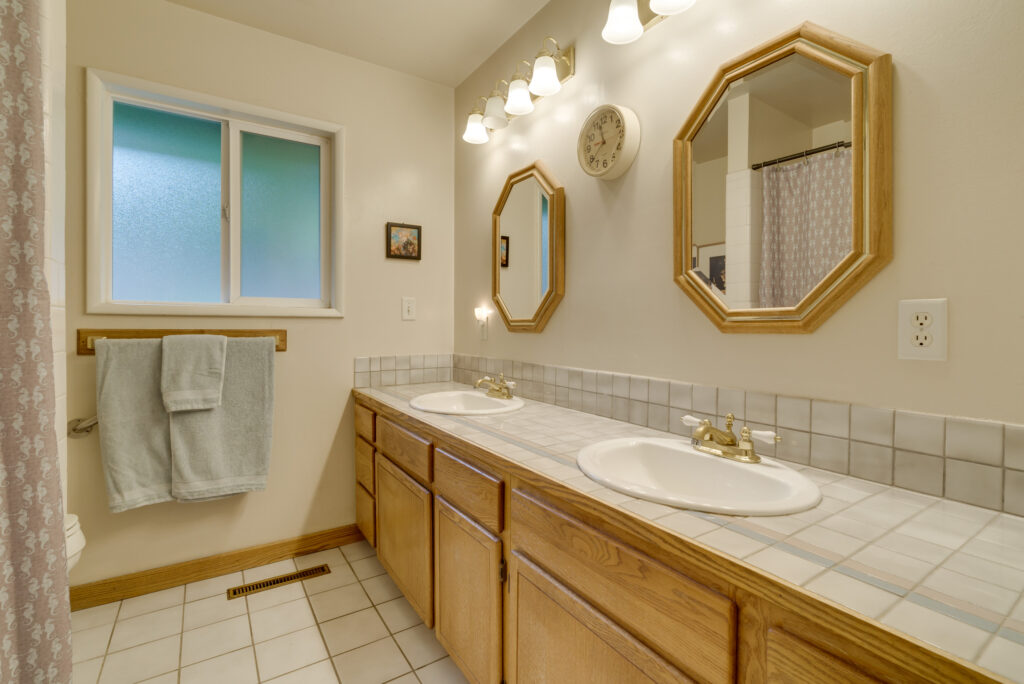
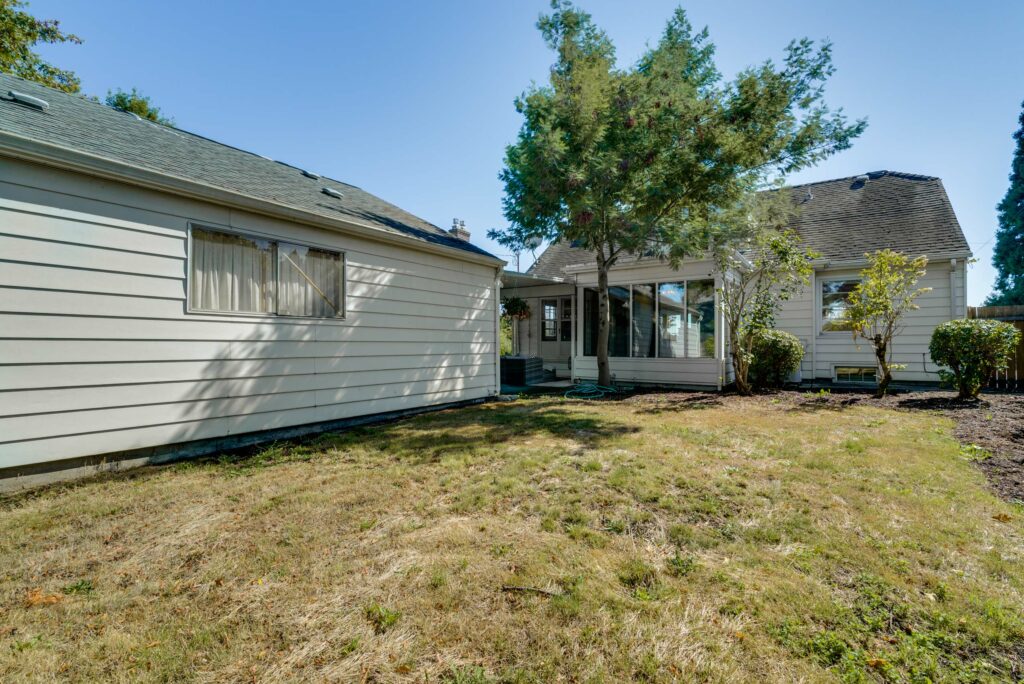
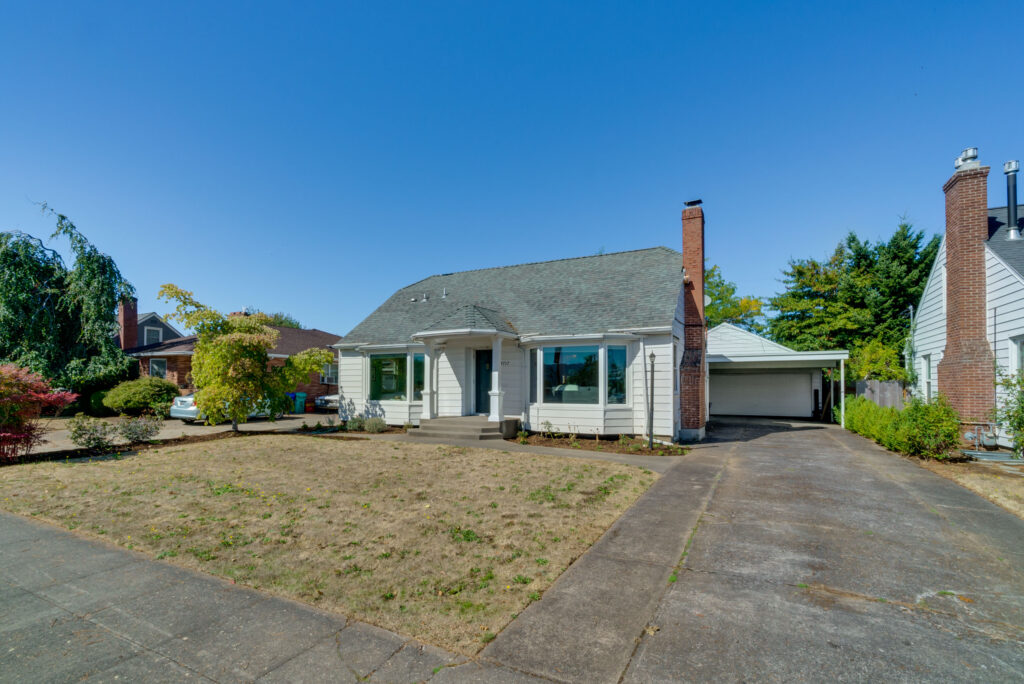
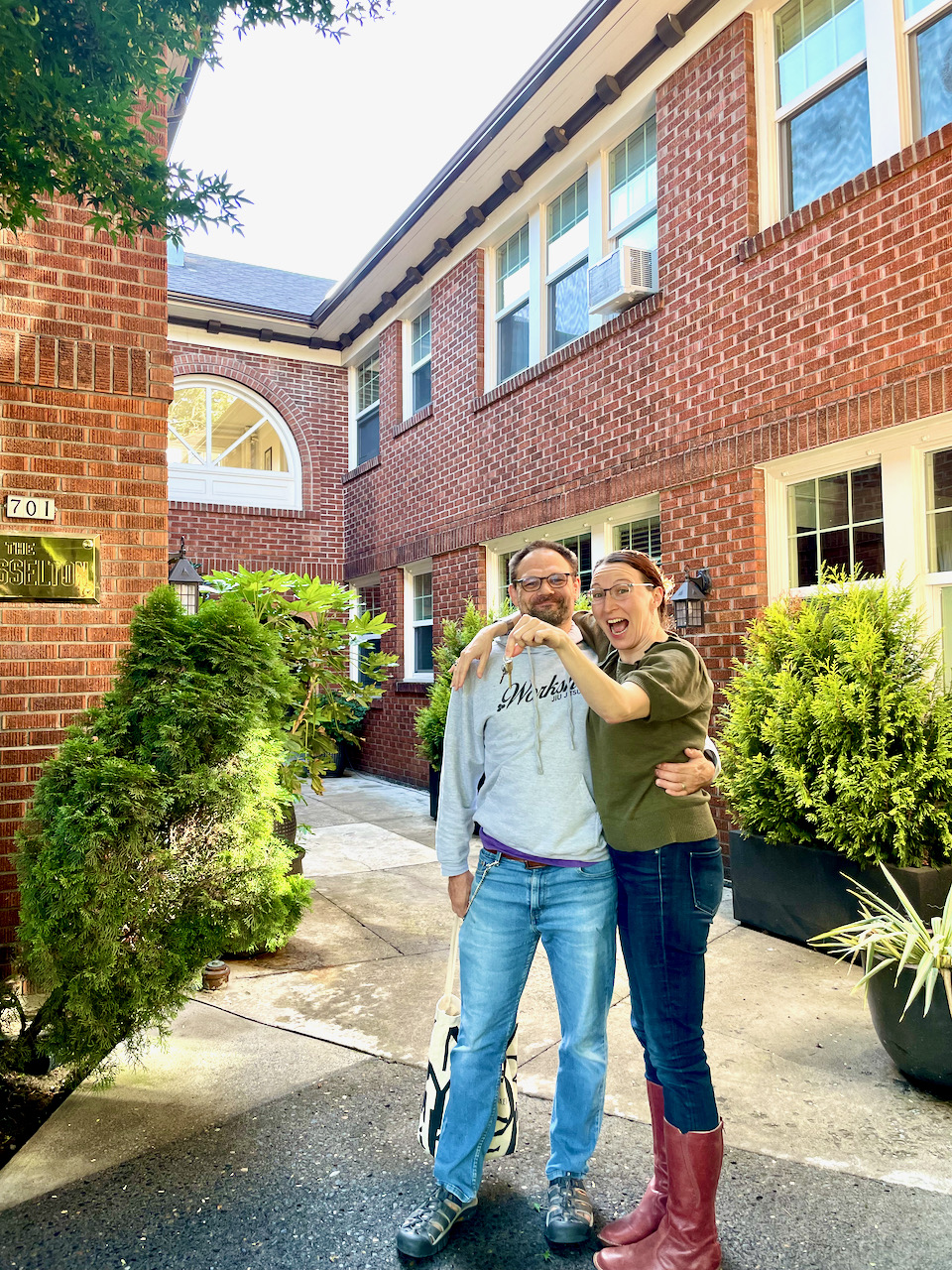
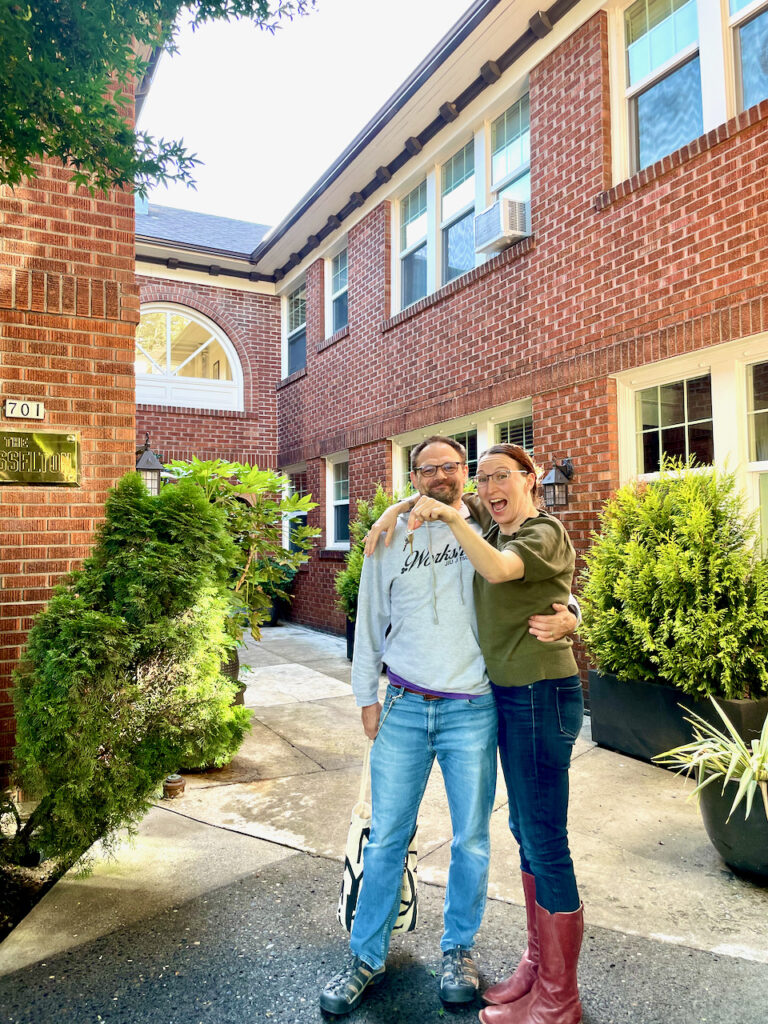
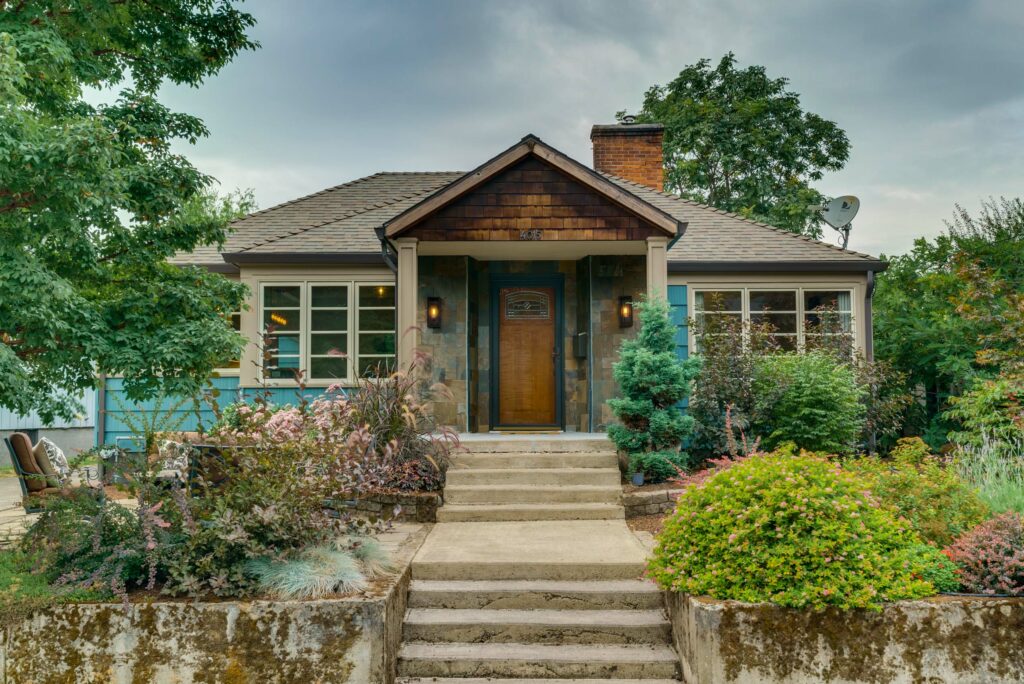
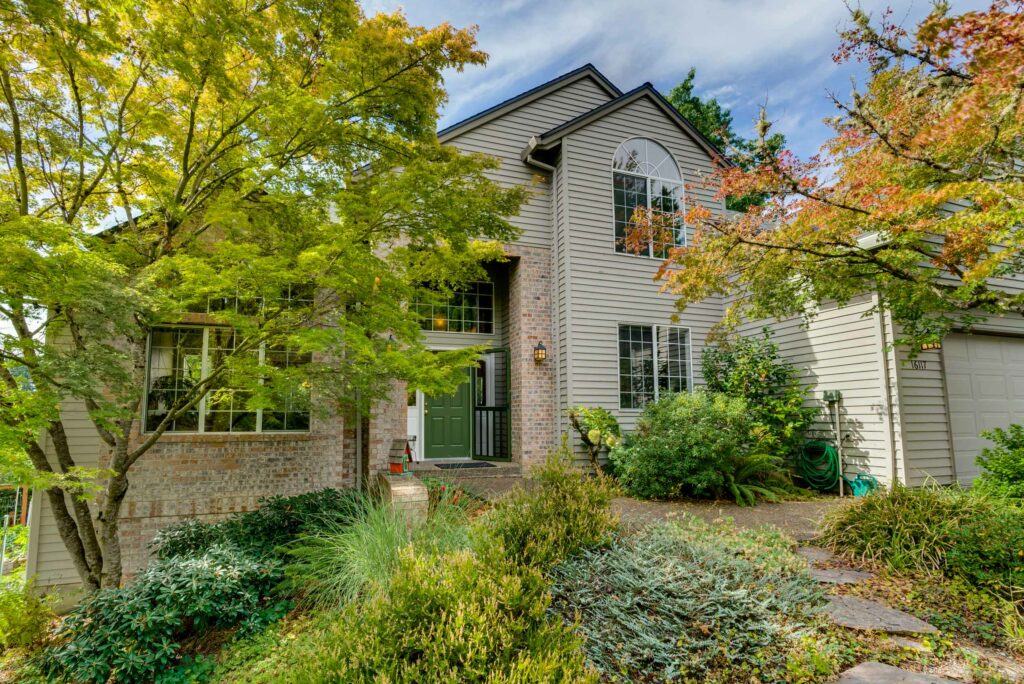
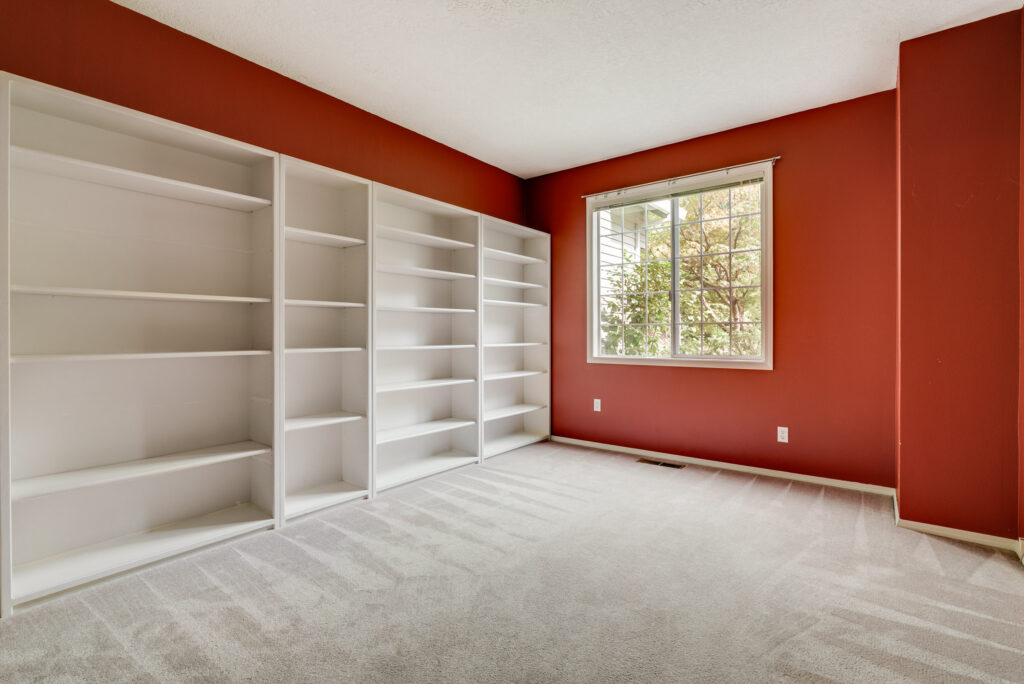
Yesterday, I had the honor of handing them keys to THEIR home. Watching them walk through the door to see a clean slate ready for their personal touches was such a great feeling. The first thing Brianna said to me was “is this real, is this really happening?”. It sure was! Brianna and Ramon, I am so incredibly happy for you both. It was an honor to be part of your journey. Your patience, positivity, and love for your family made this moment much more meaningful… And I’m looking forward to an invite to that BBQ Ramon mentioned! This home couldn’t have gone to more deserving people. Congratulations you two.
____
I would love to be part of your home ownership journey! Feel free to reach out with any questions!
Instagram: @HomeswithBeccah
Schedule a 30-Minute Chat Here









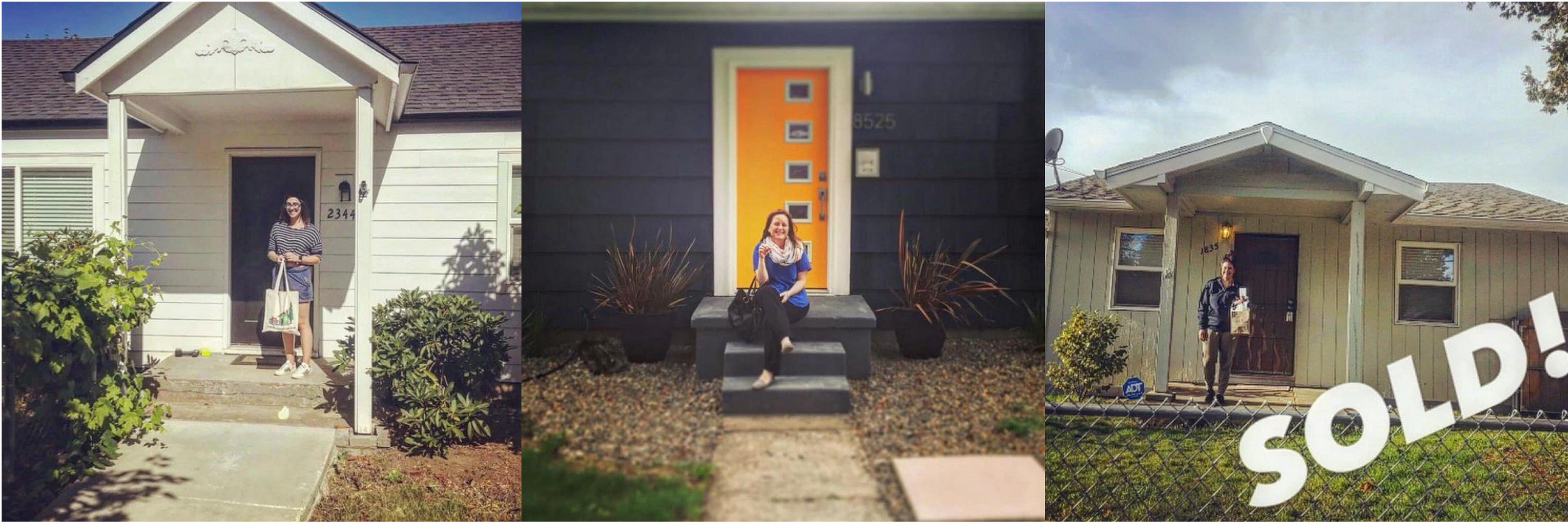







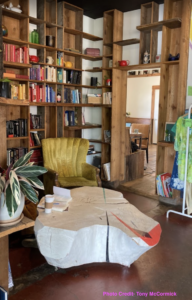


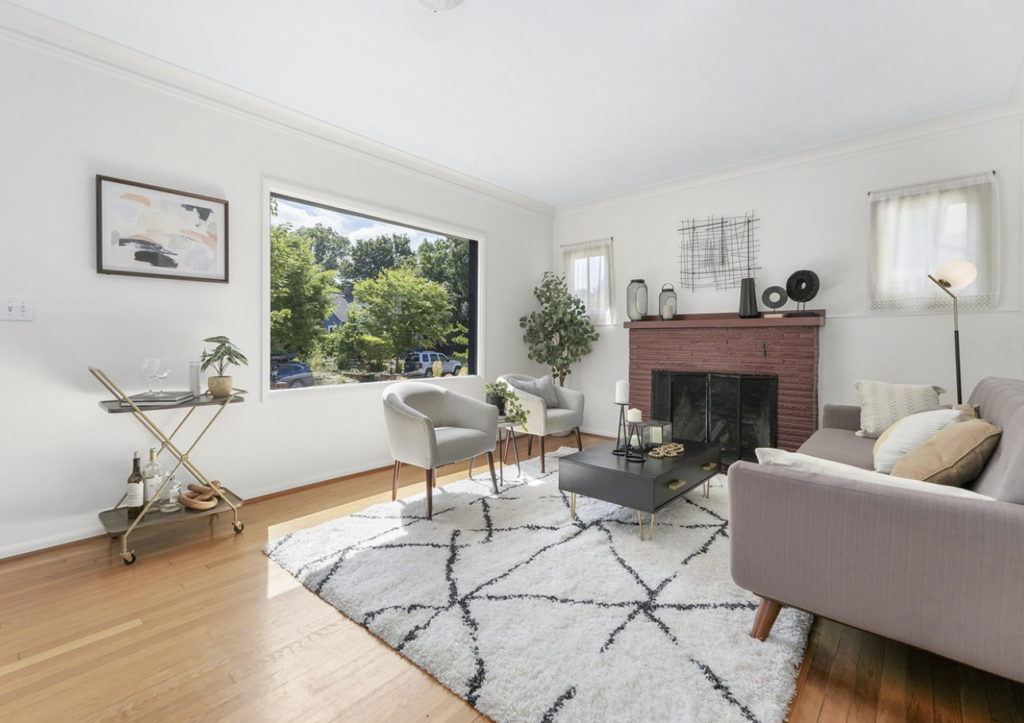

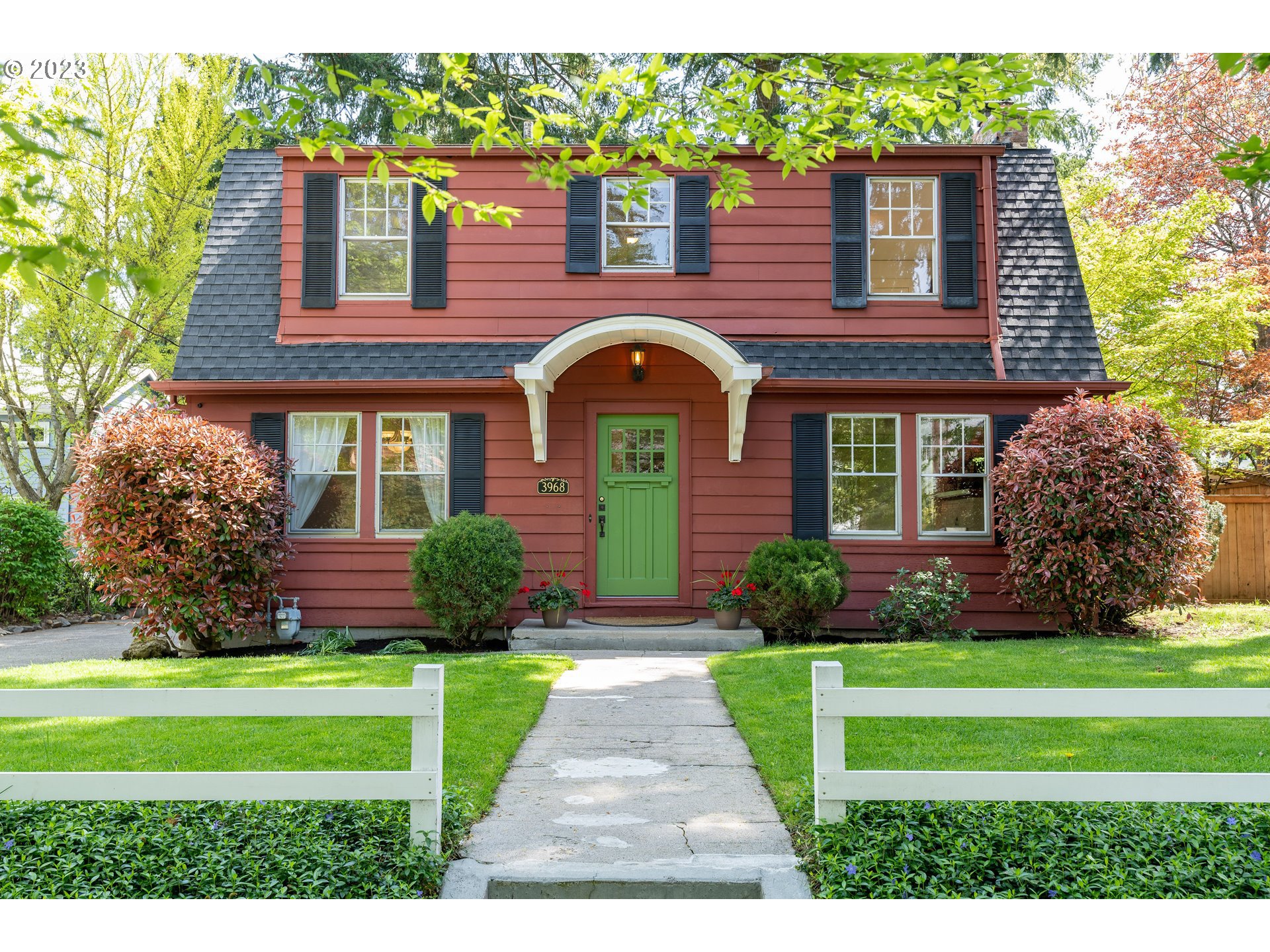




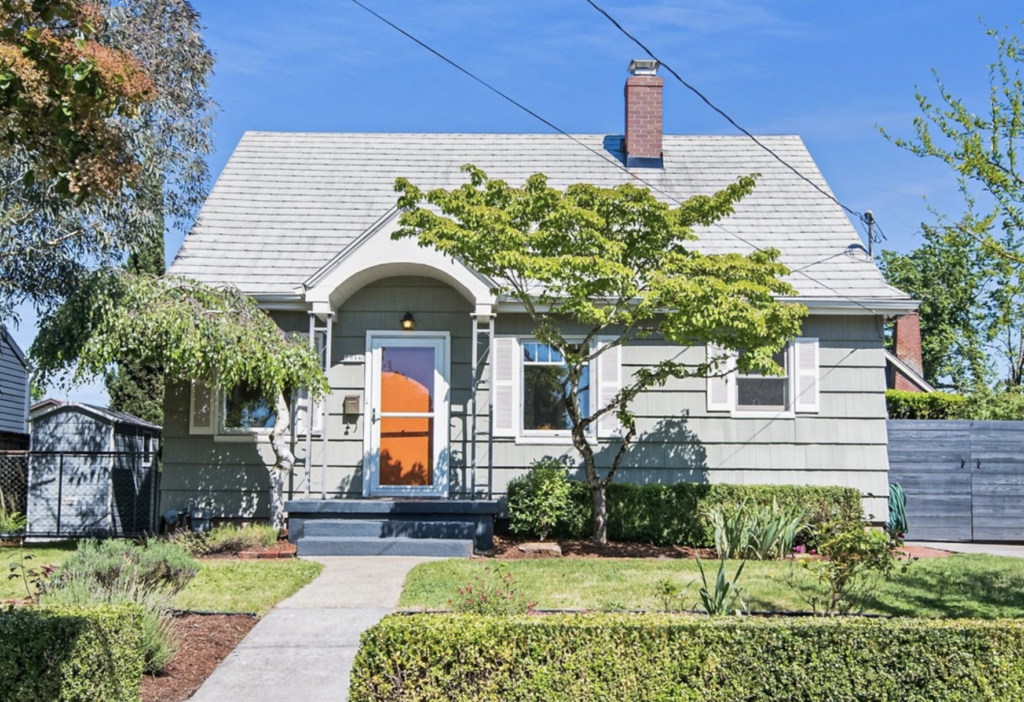
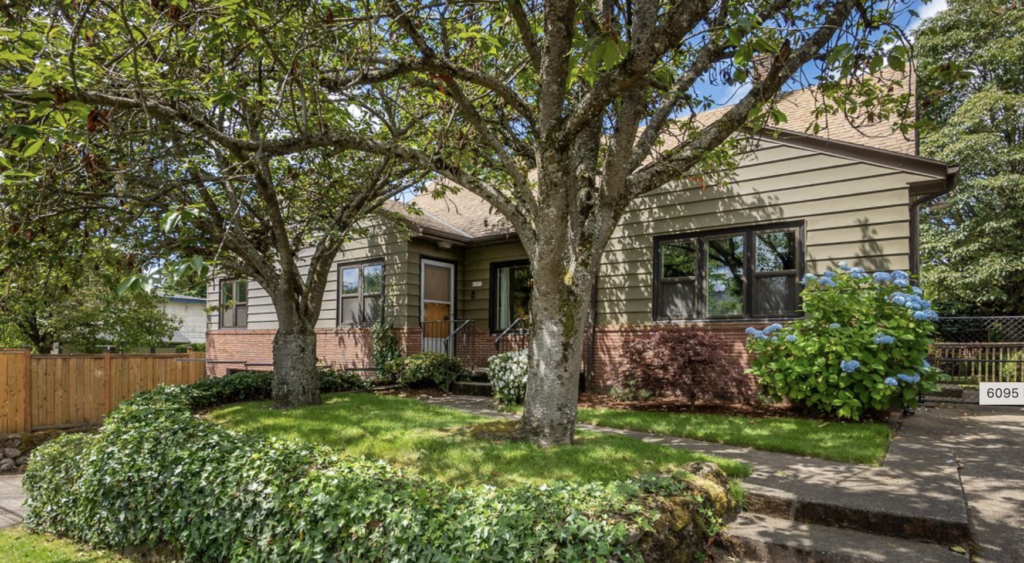
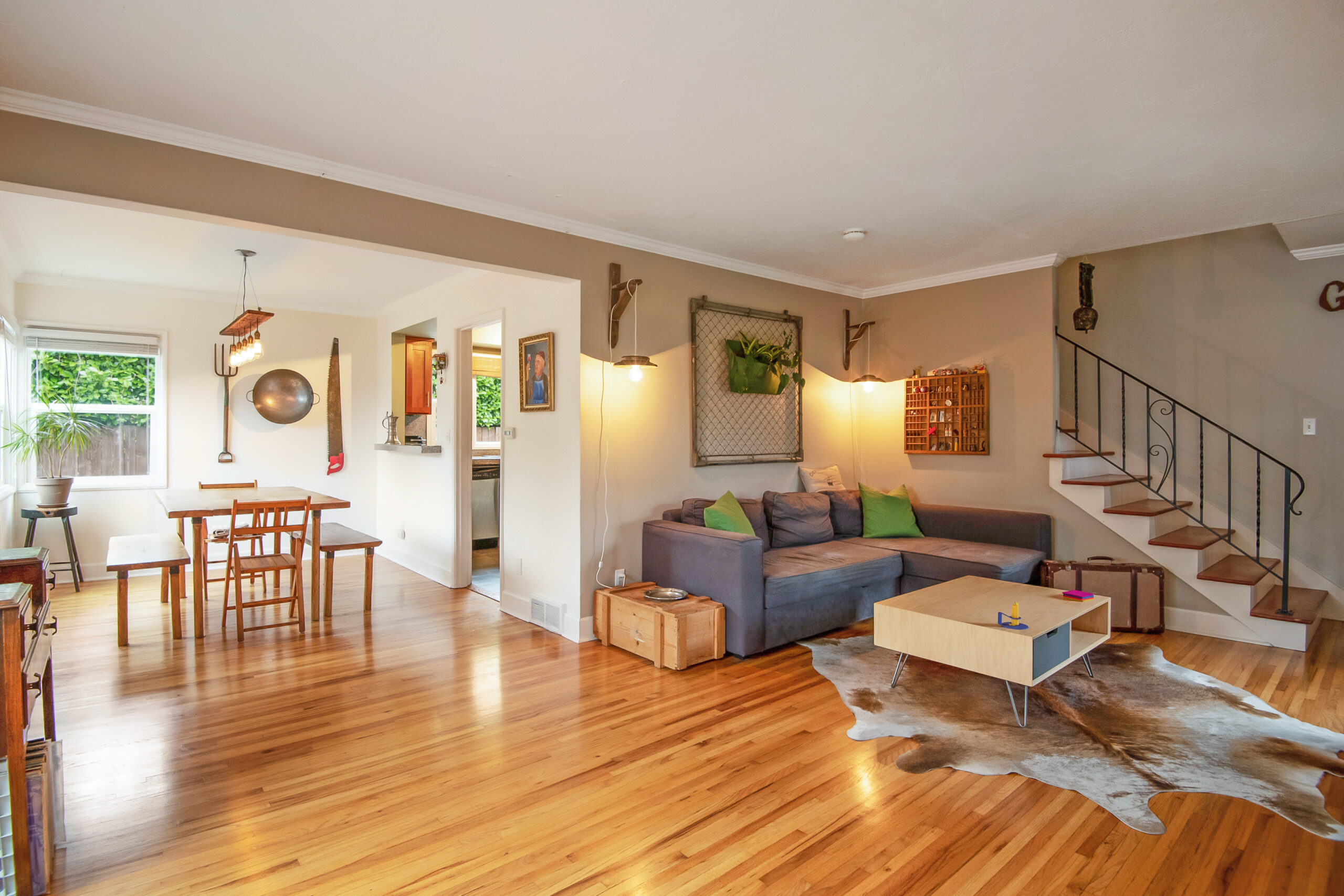



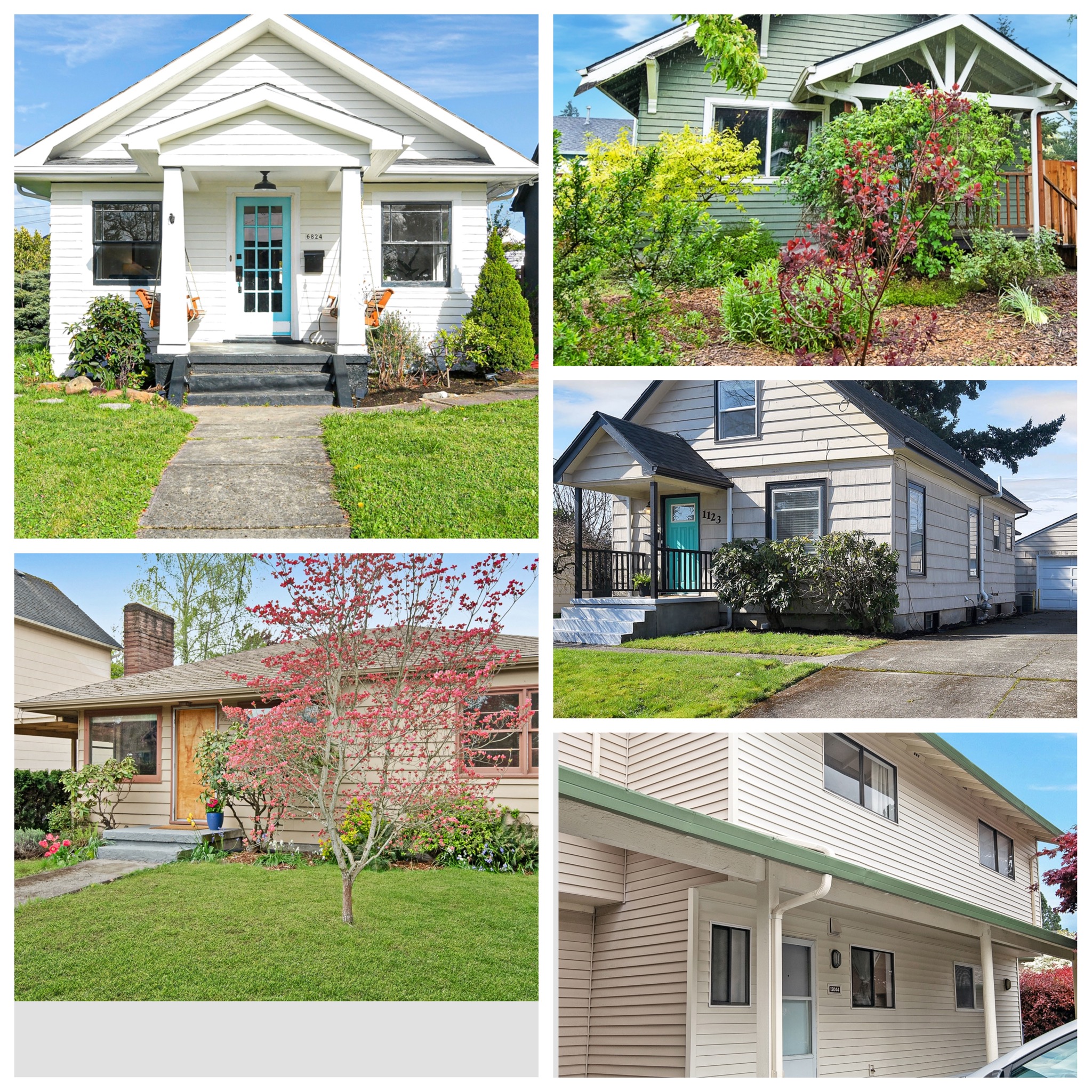
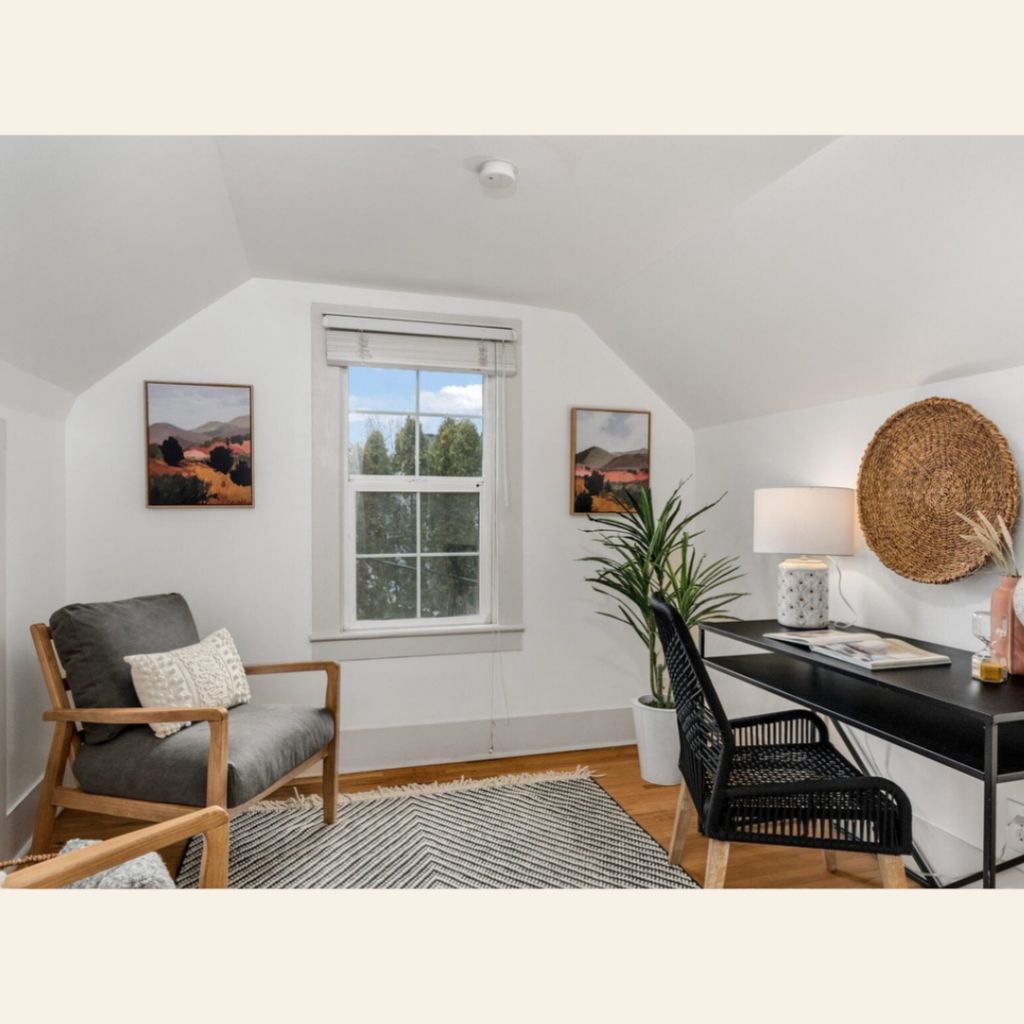
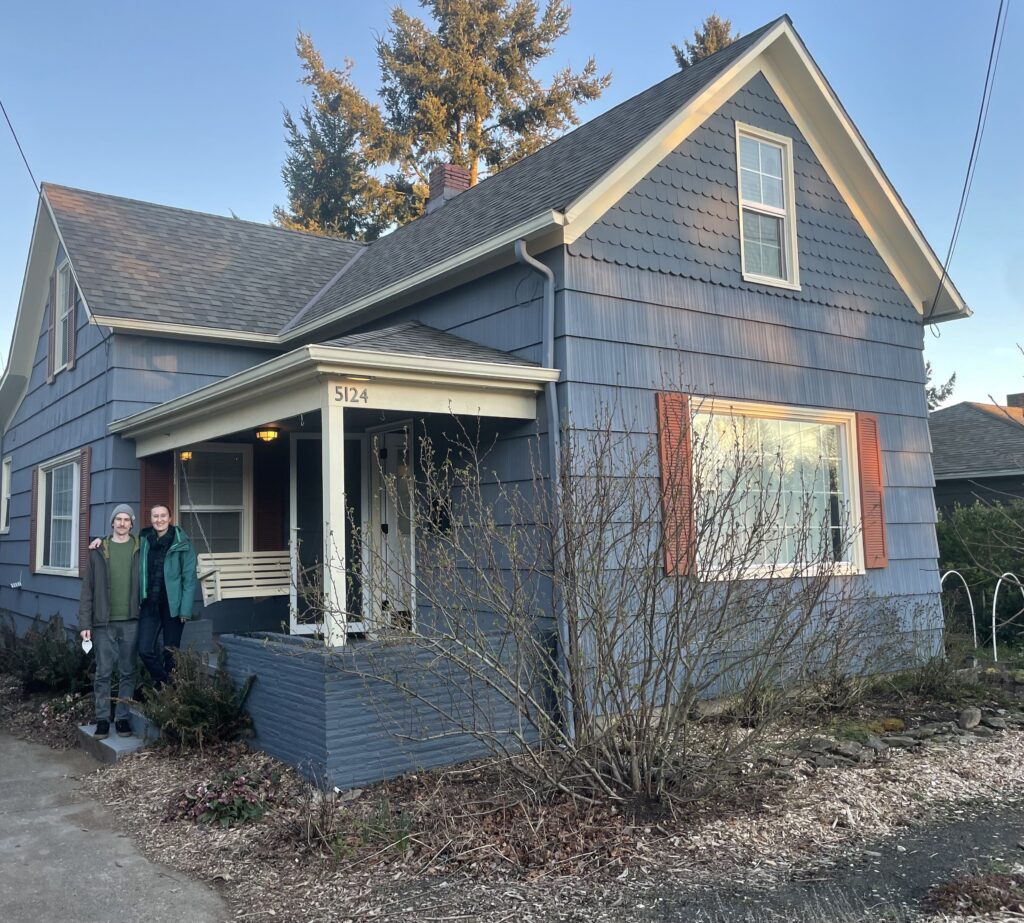
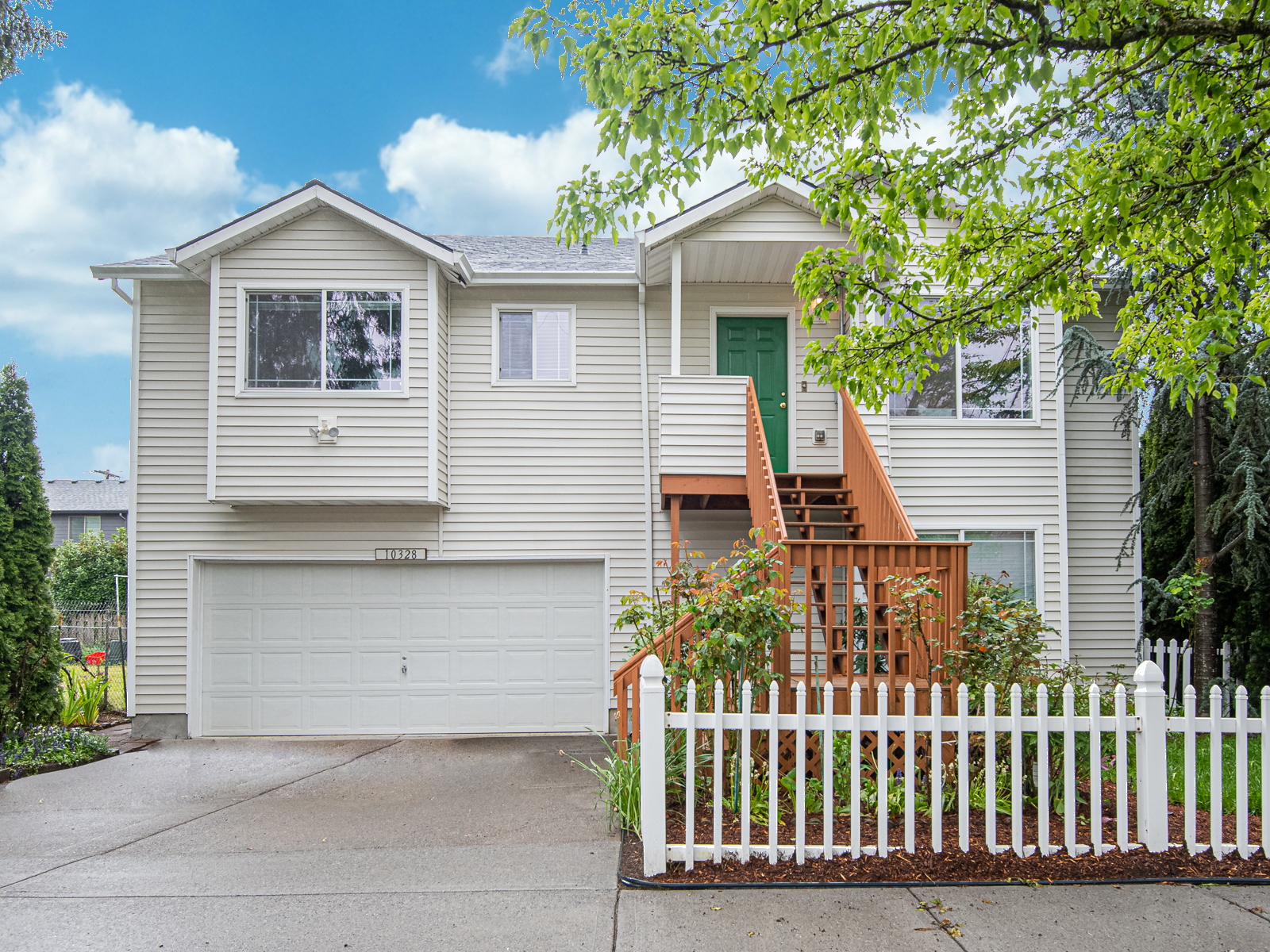
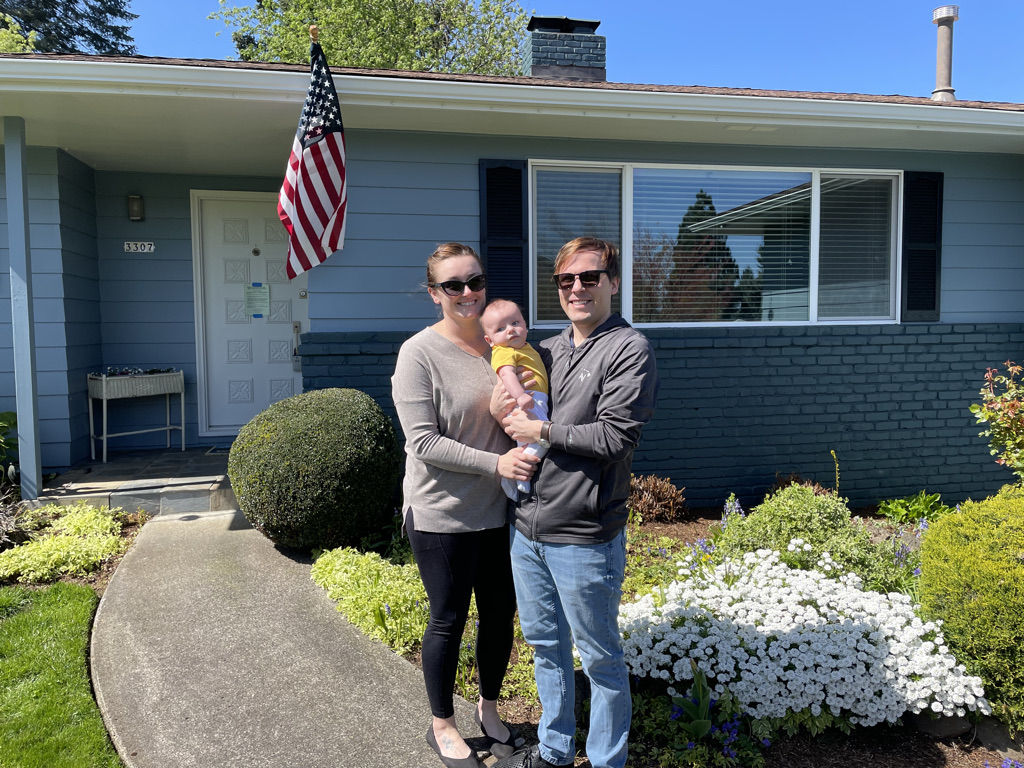
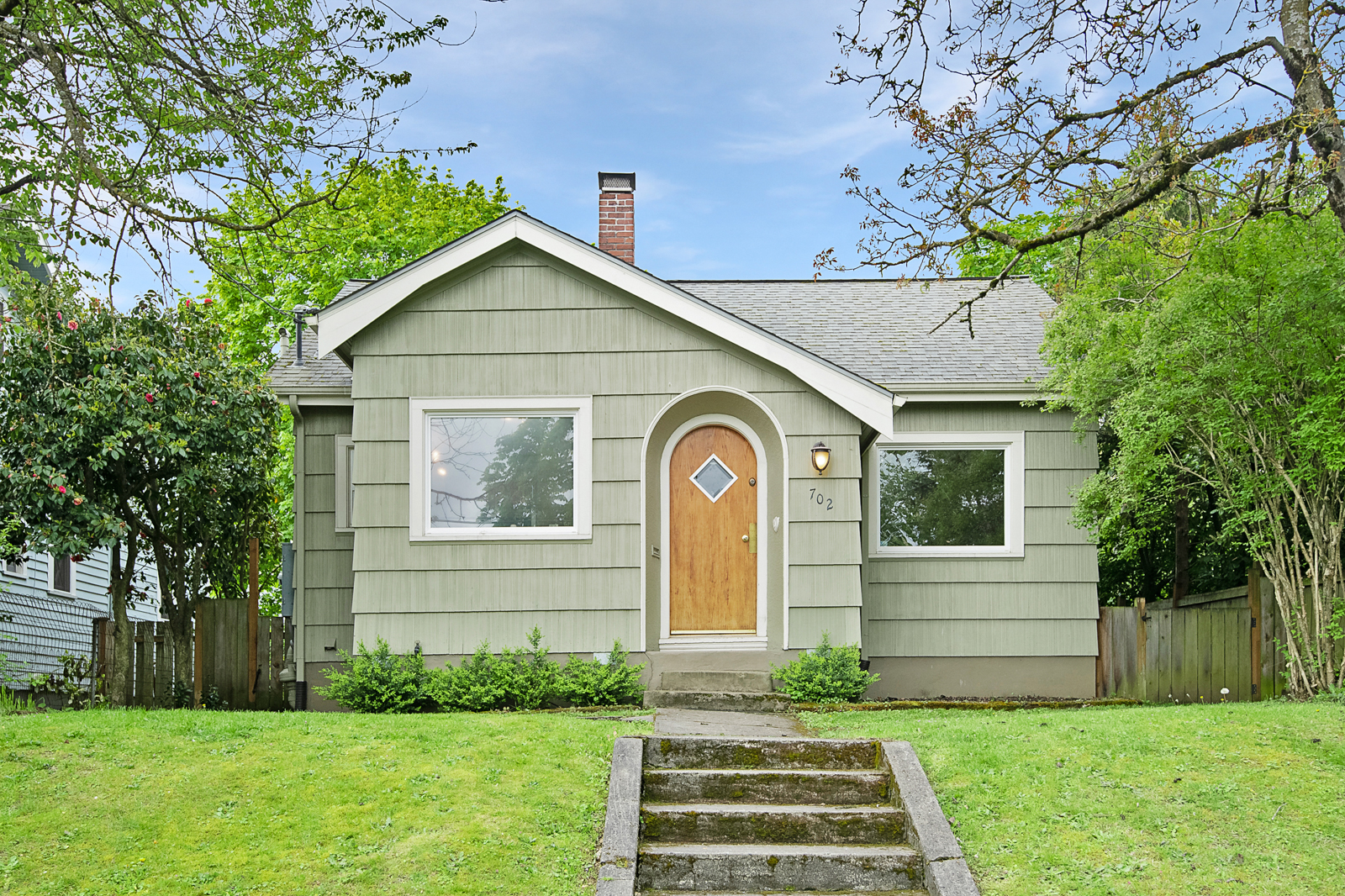



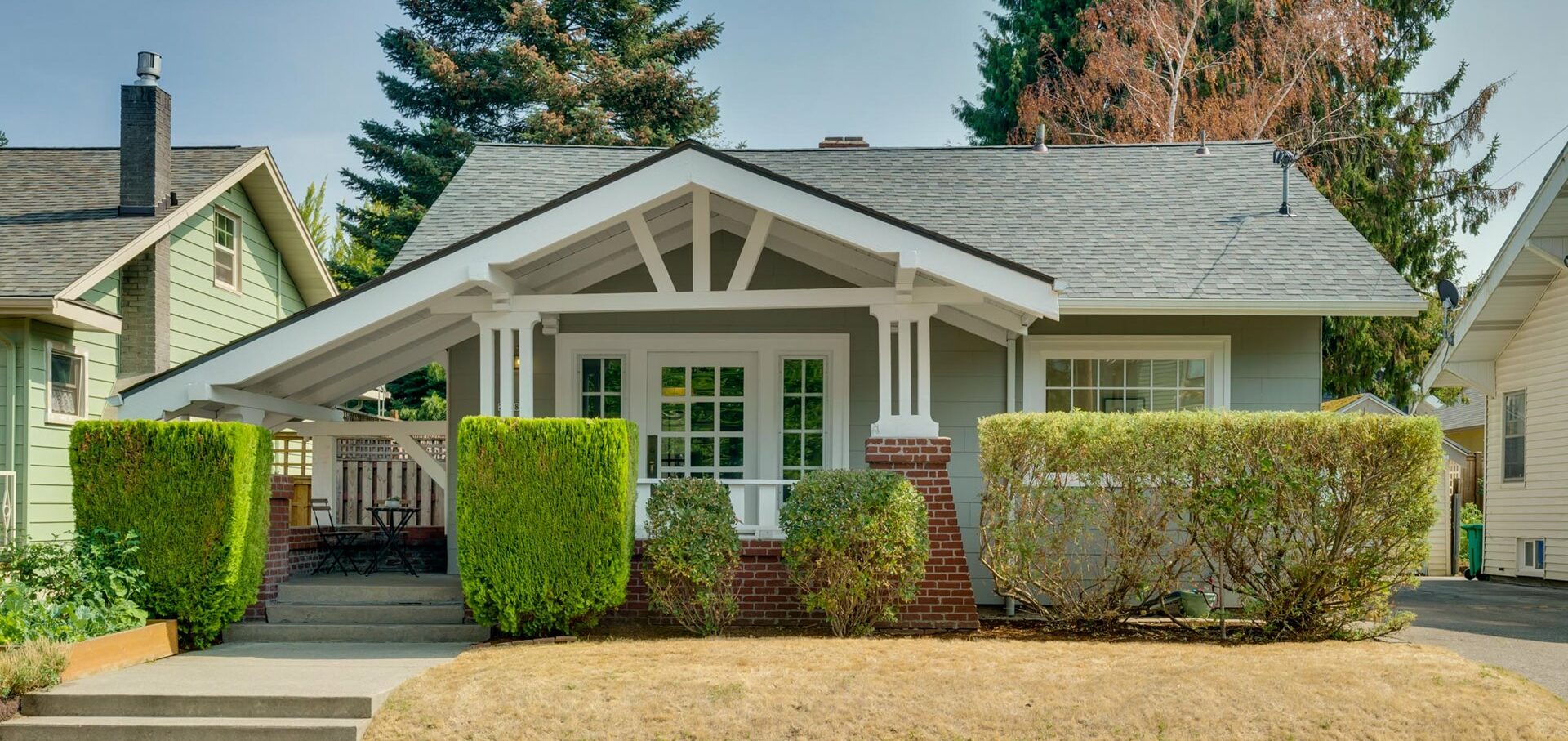
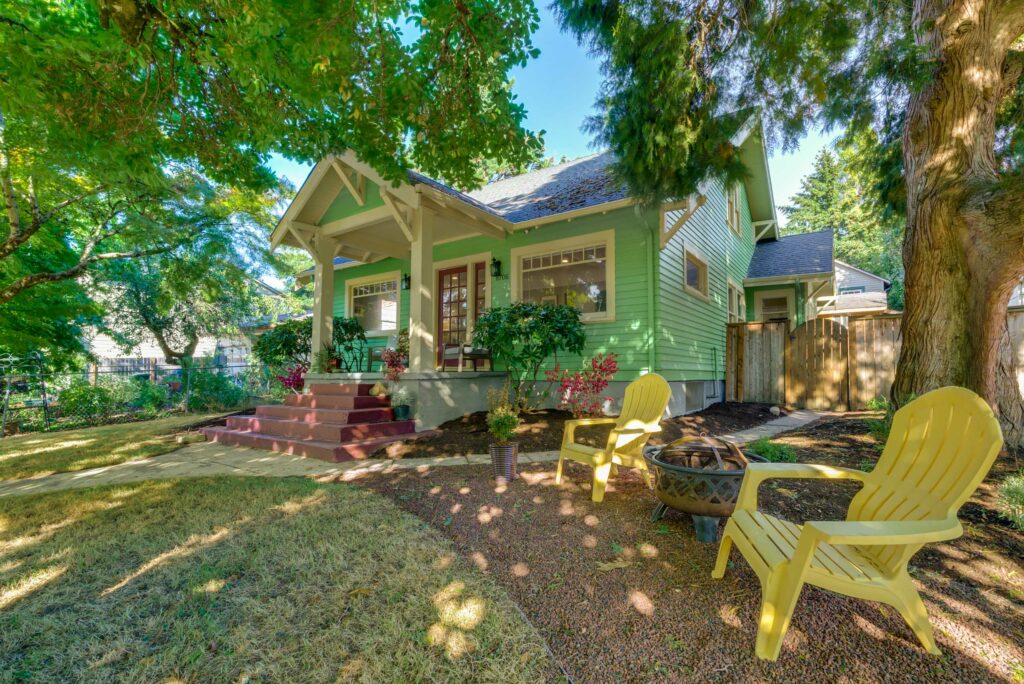
 Back in 2011 I met one of my very favorite buyers ever, Mel. She worked with the Portland Housing Center and had $9,000 to from a matched savings account through Portland Housing Center. She used that $9,000 for a 5% downpayment on an oh so very vintage 760 sf 1920’s bungalow in Arbor Lodge that she bought for $180,000.
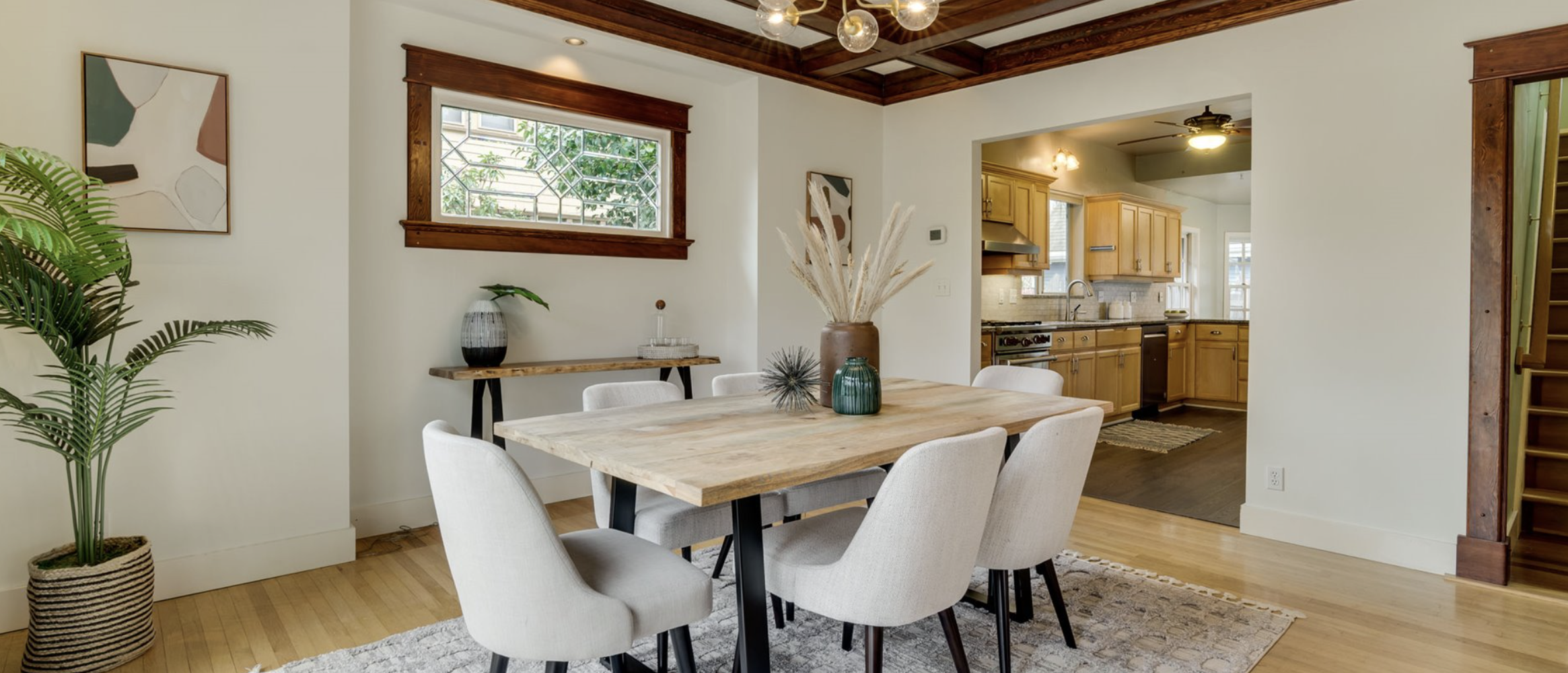
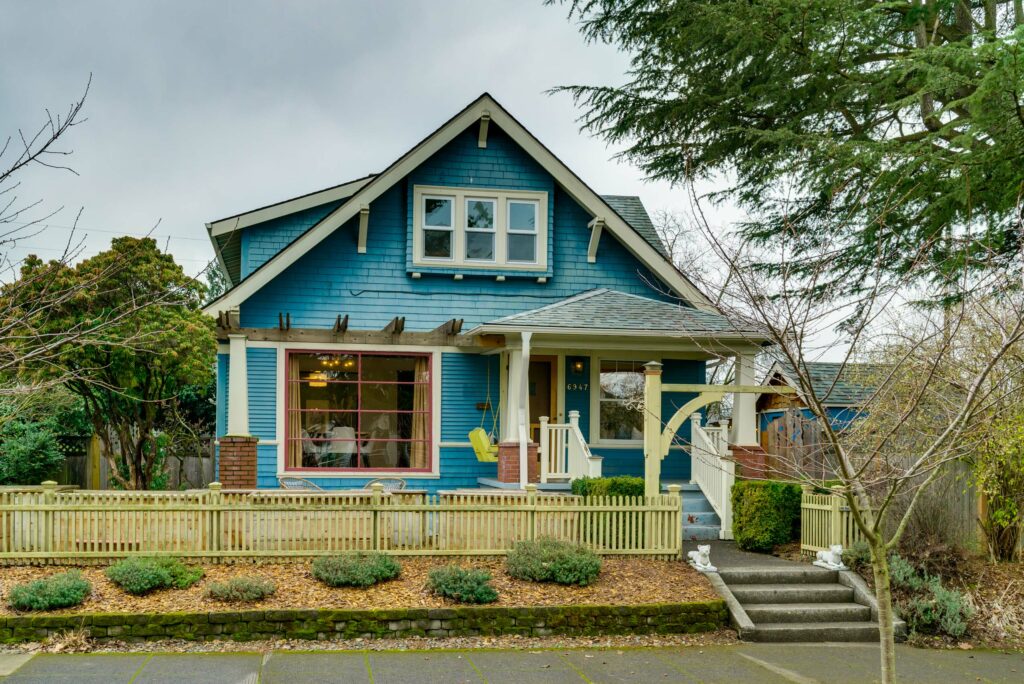
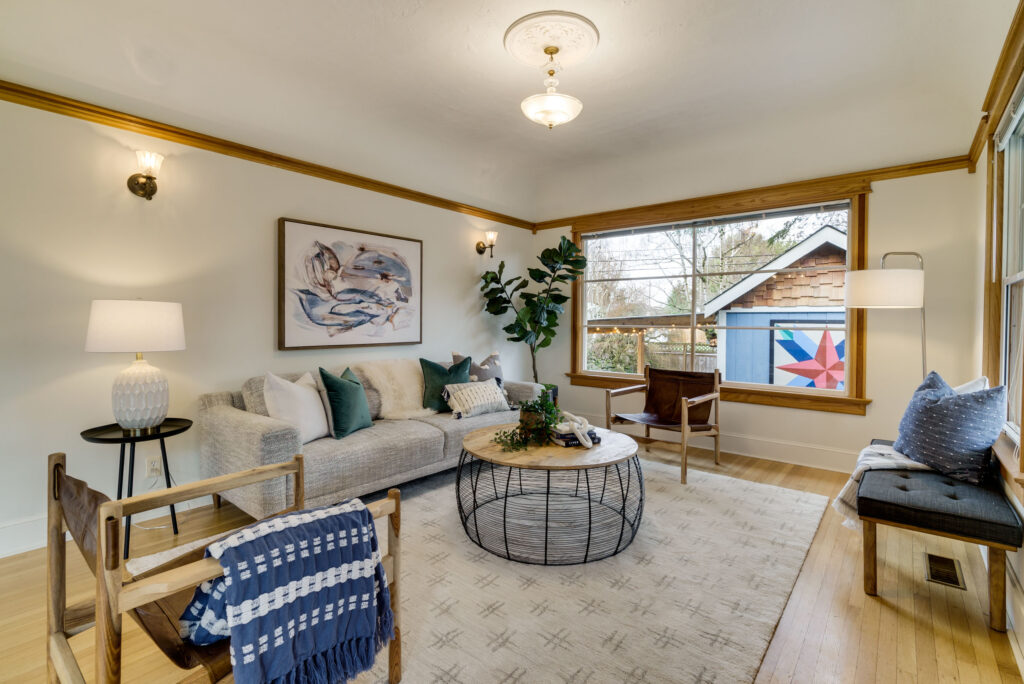
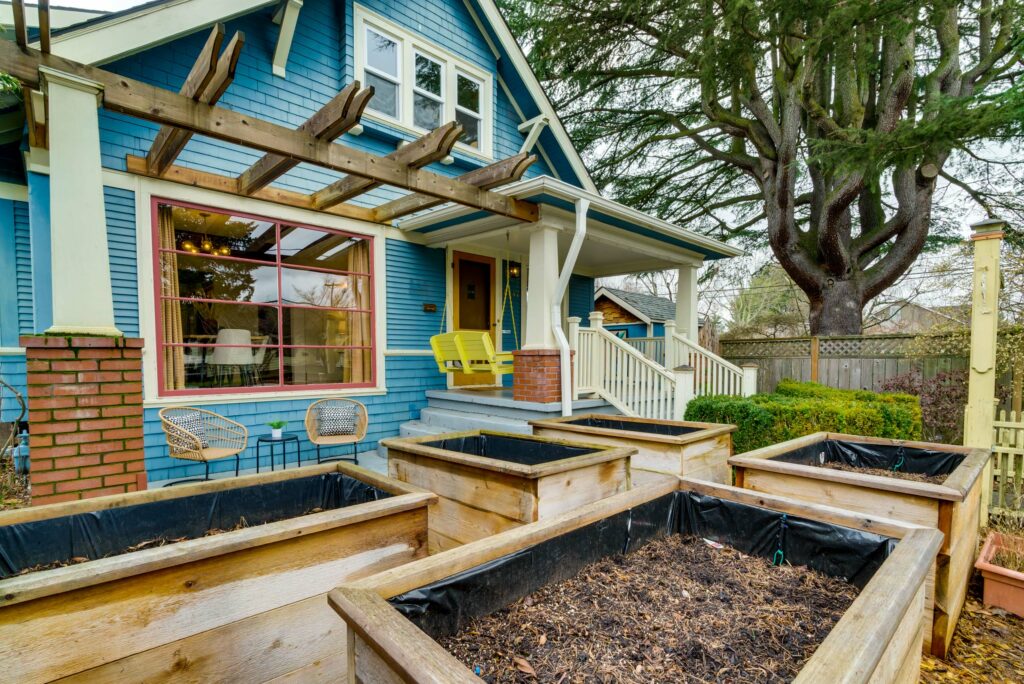

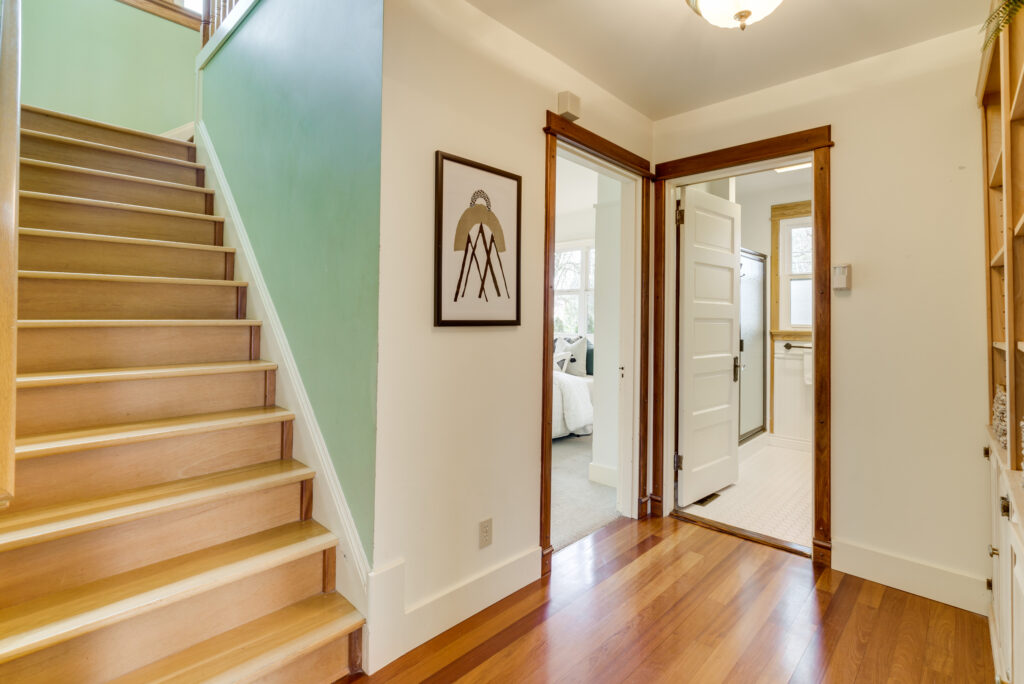
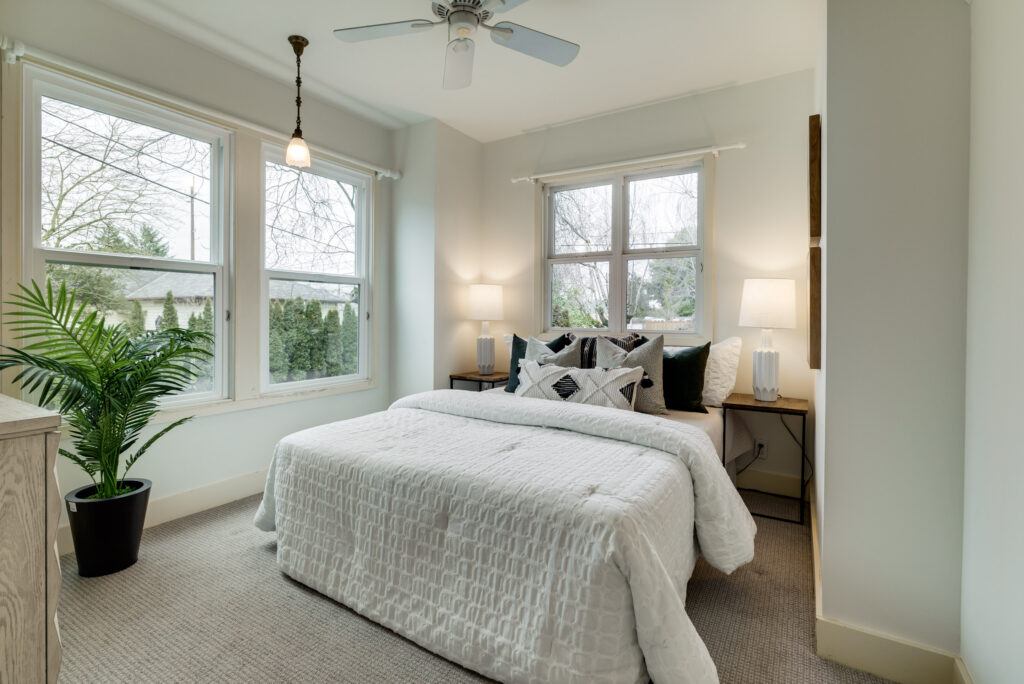
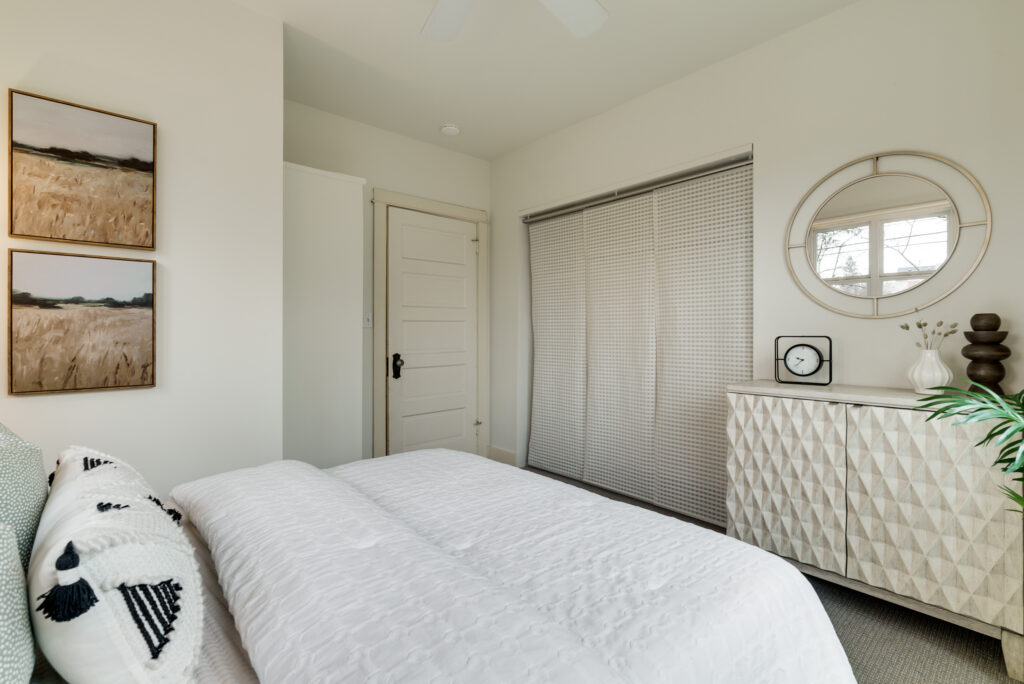
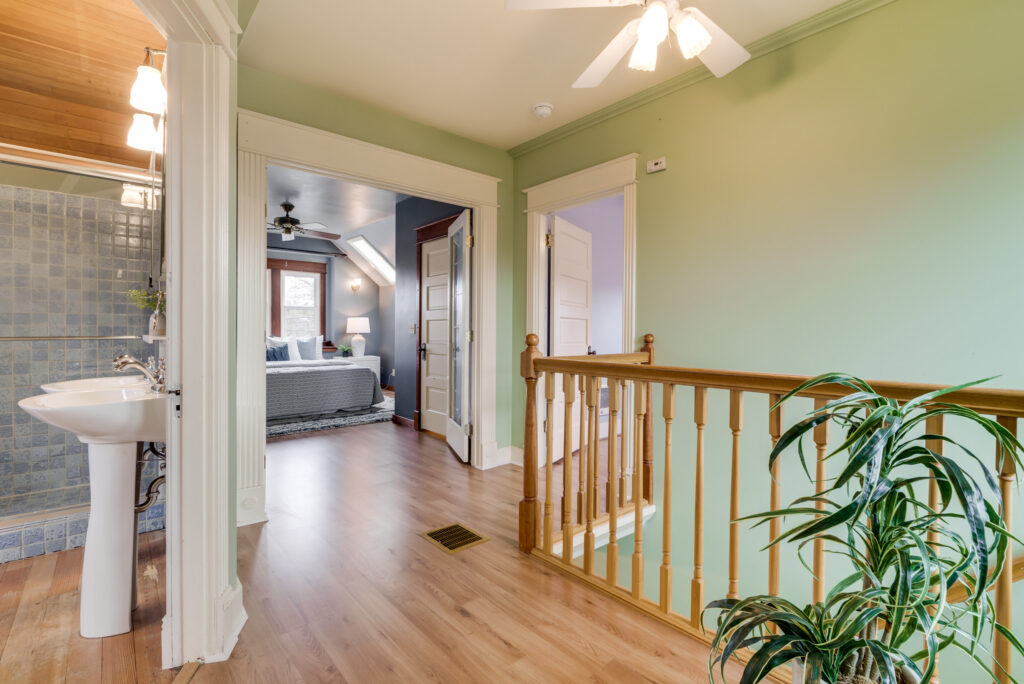
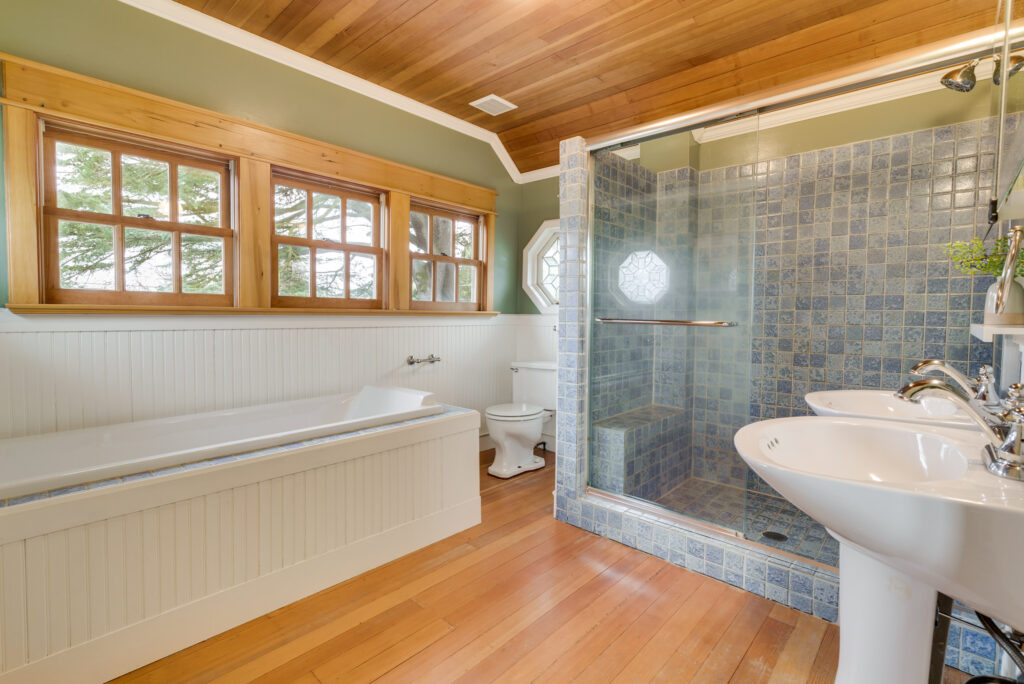
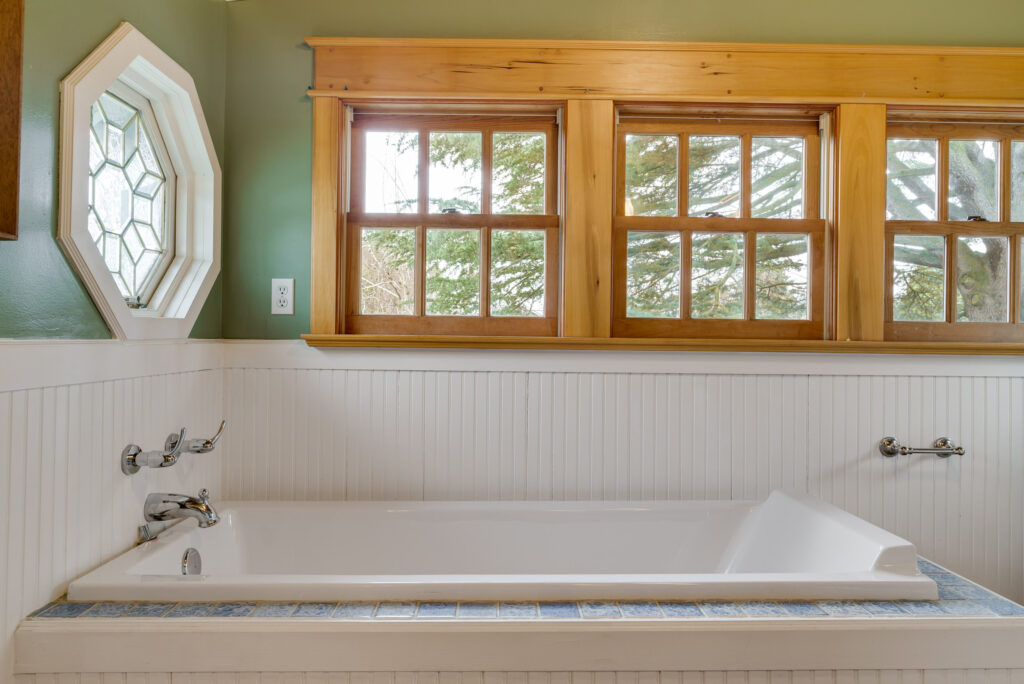

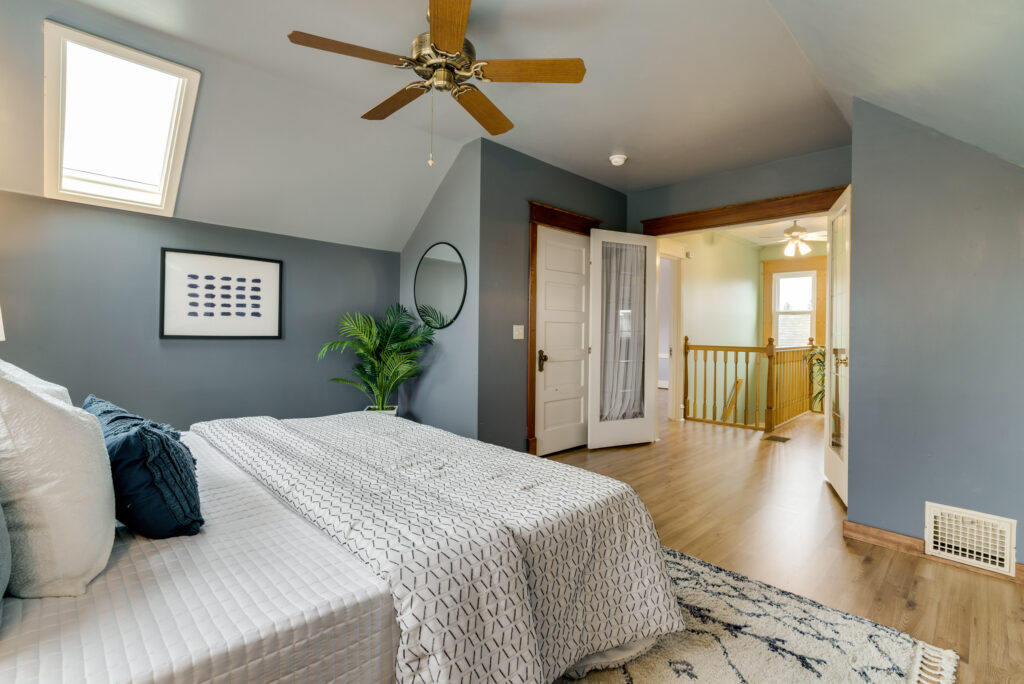
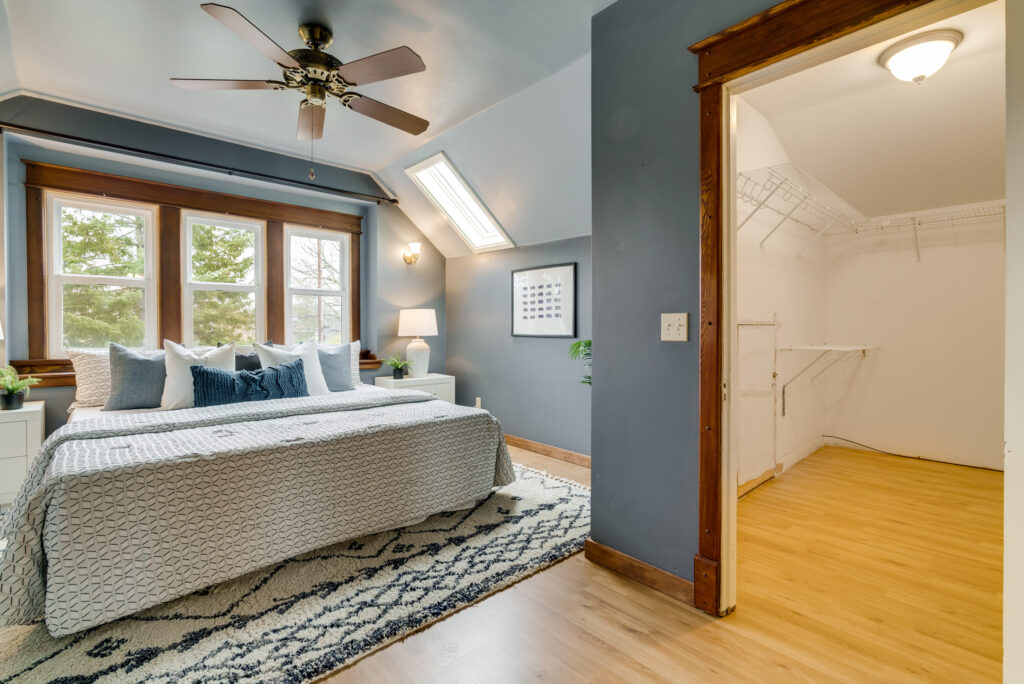
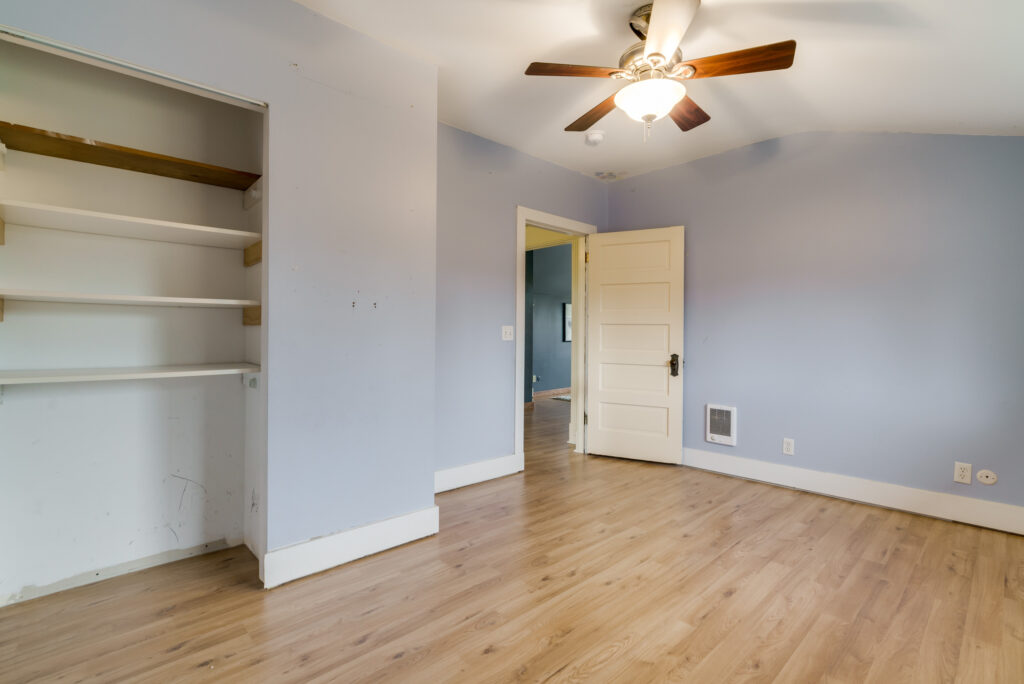
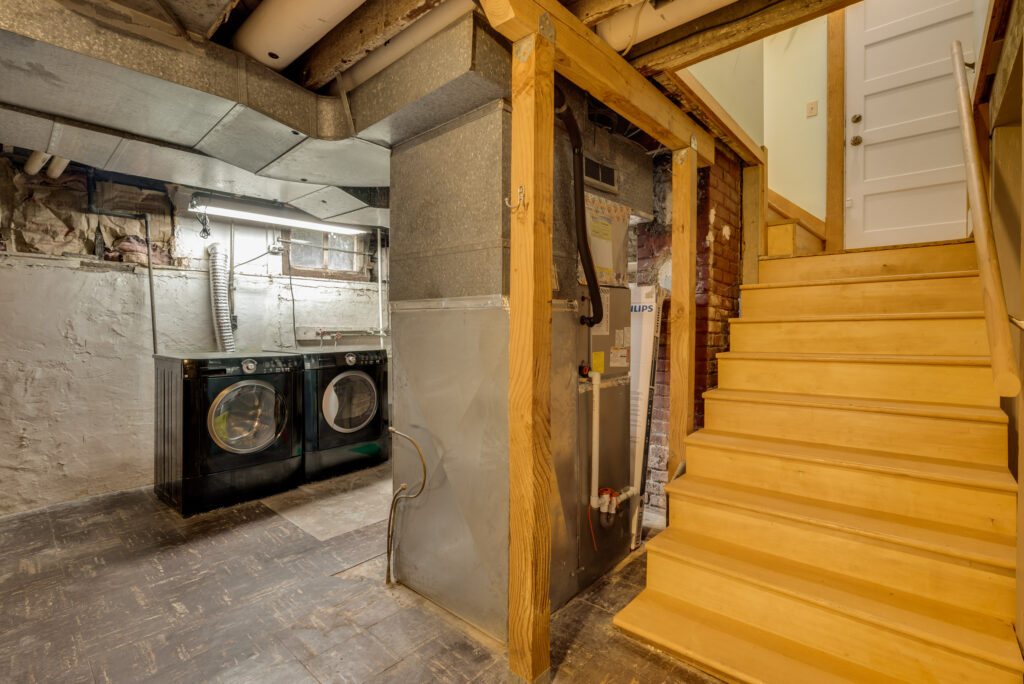
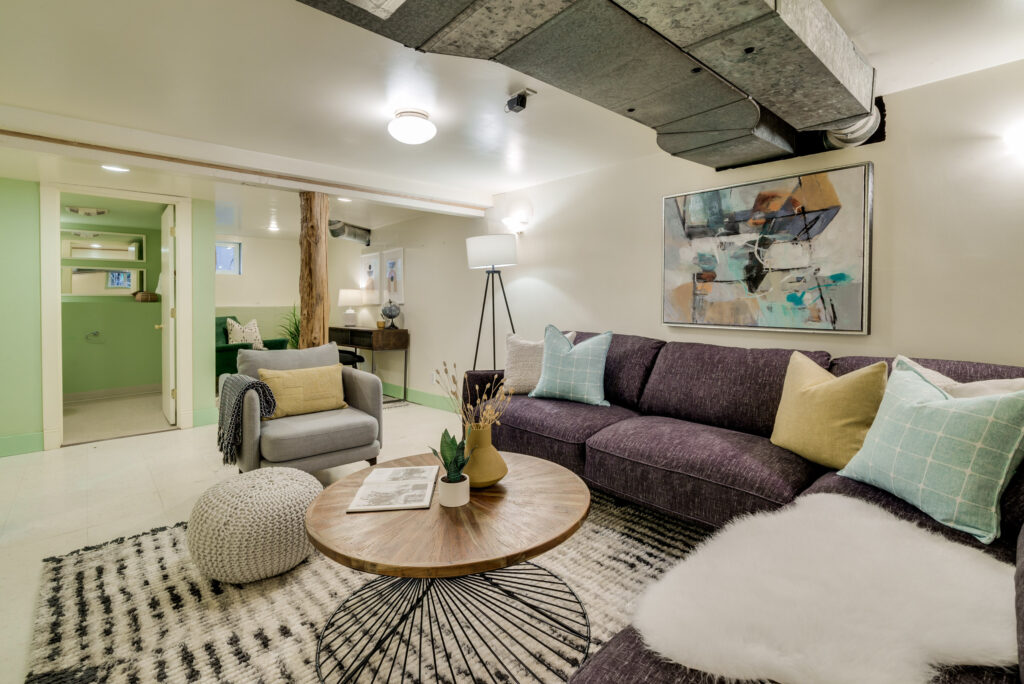
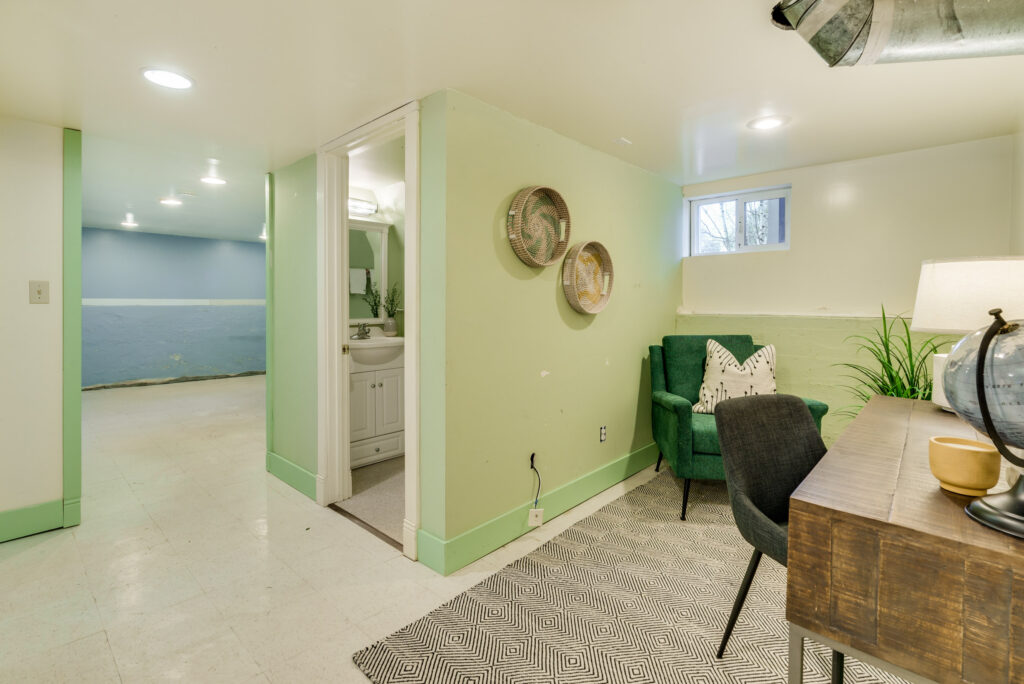


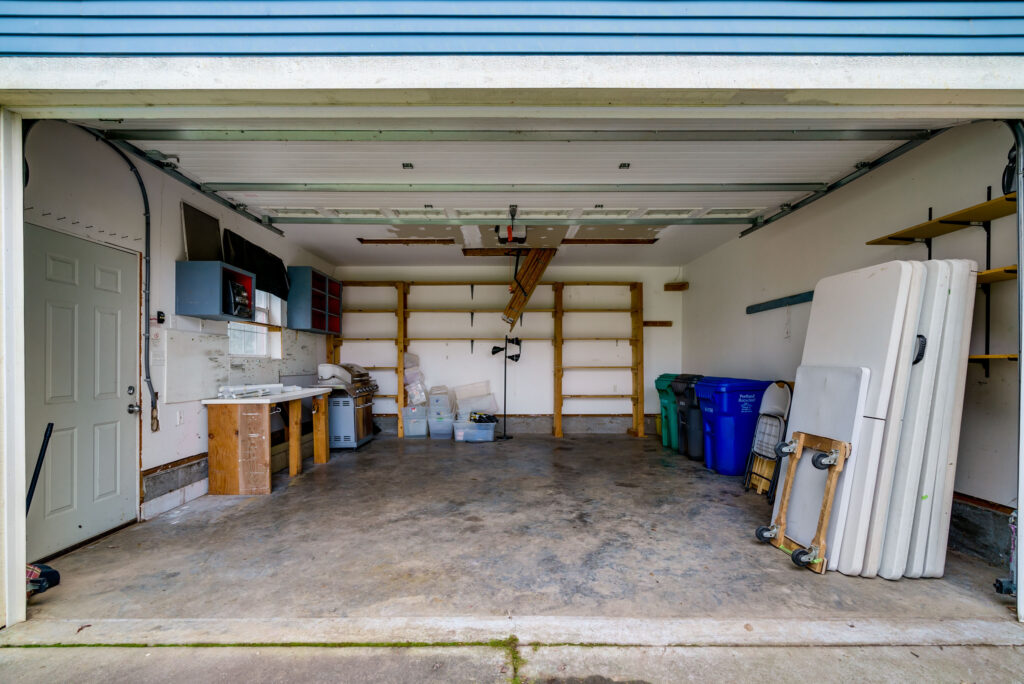
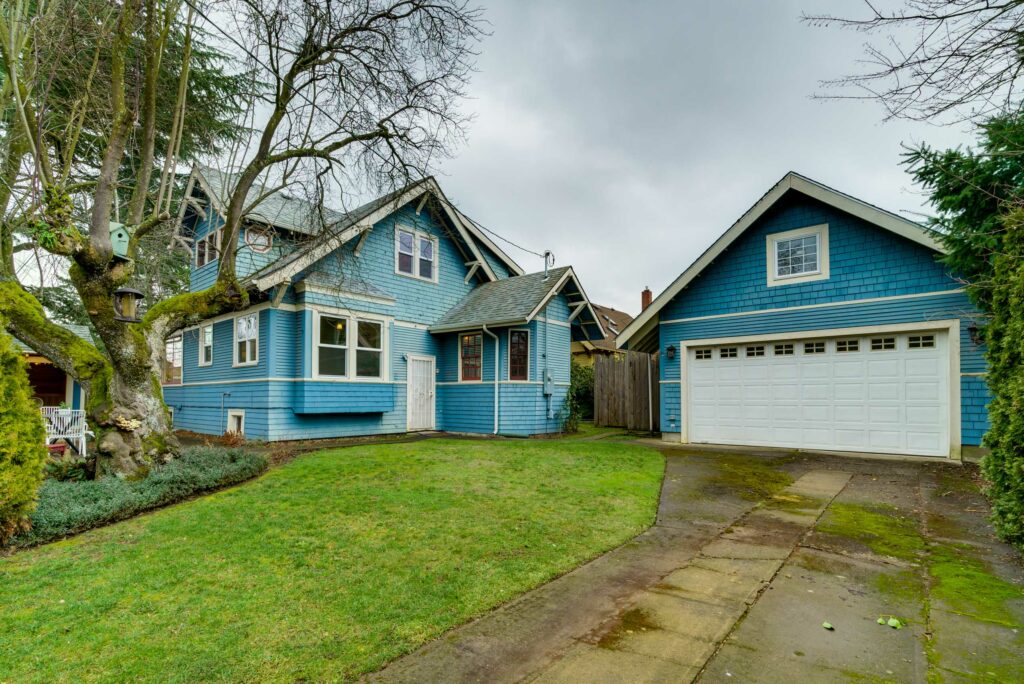
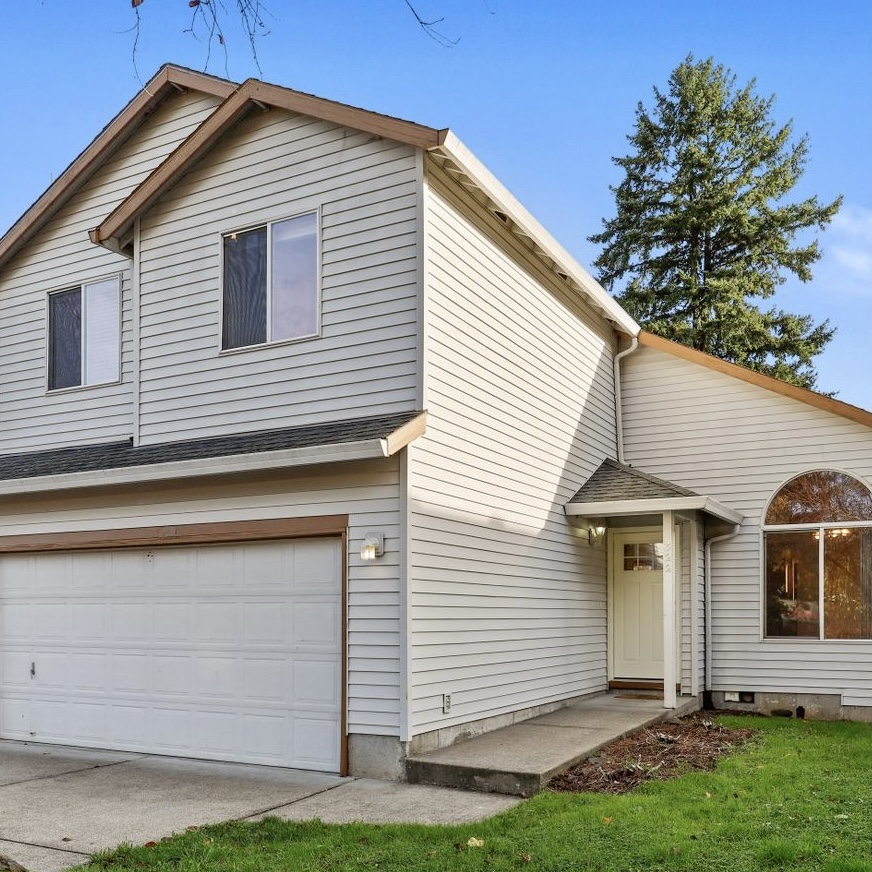
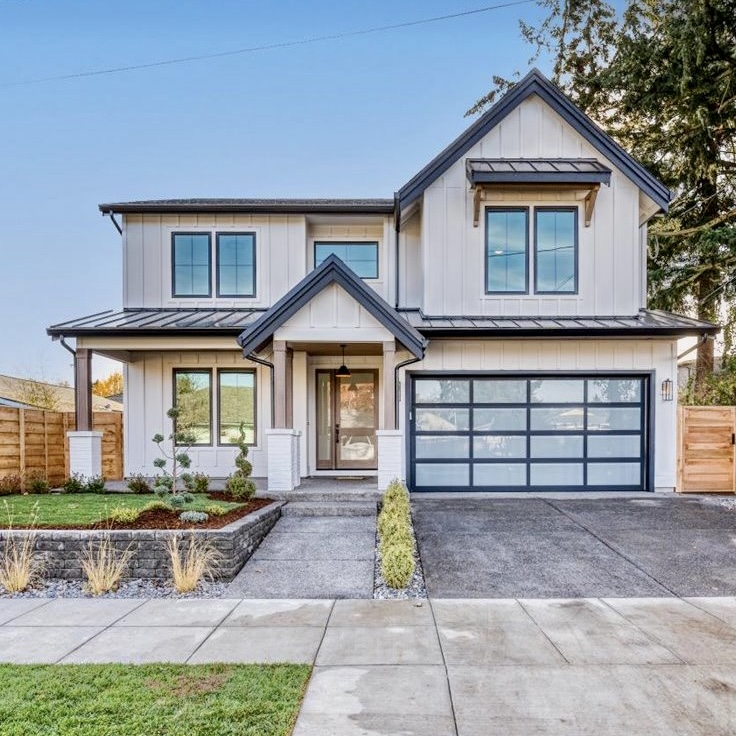

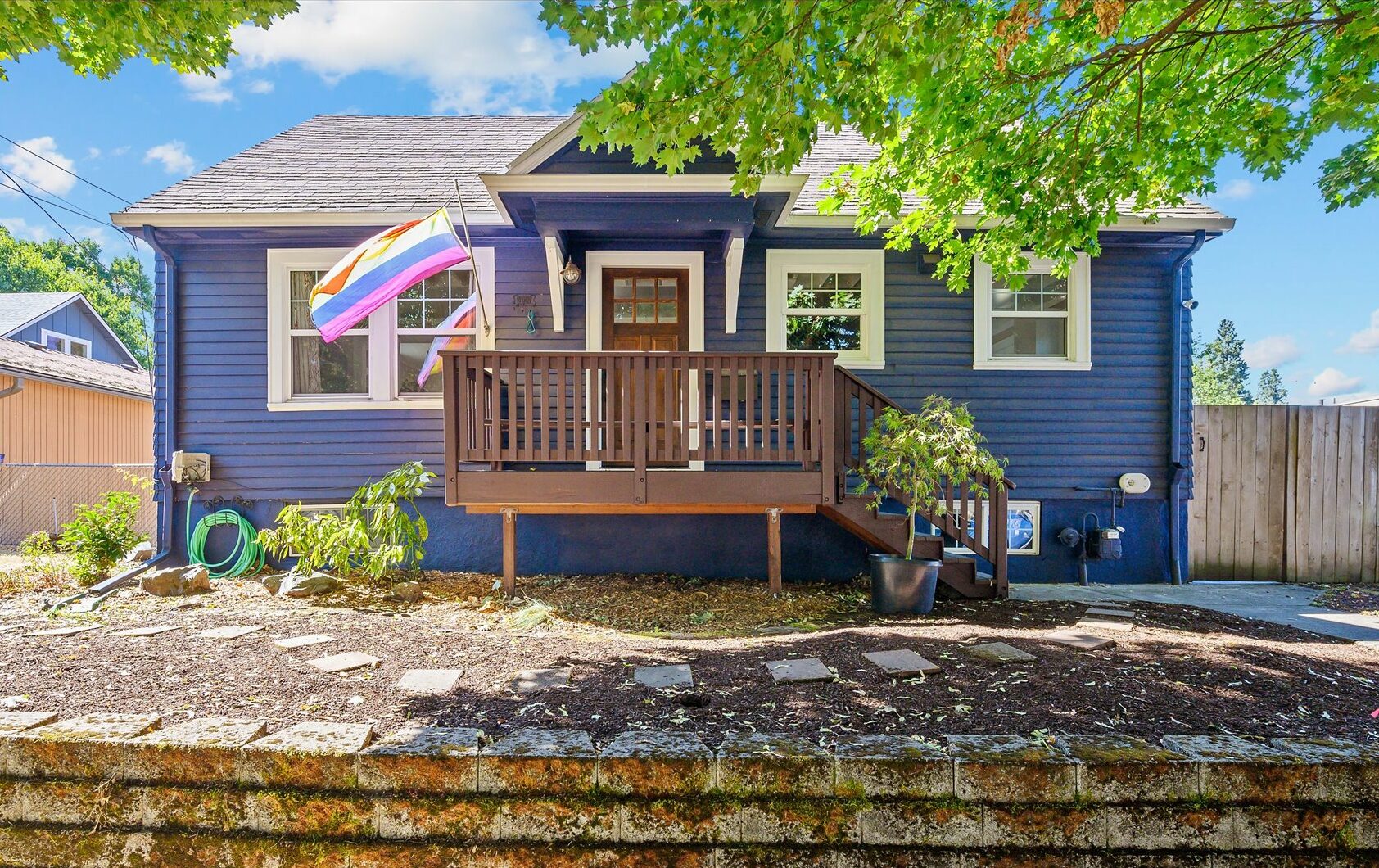
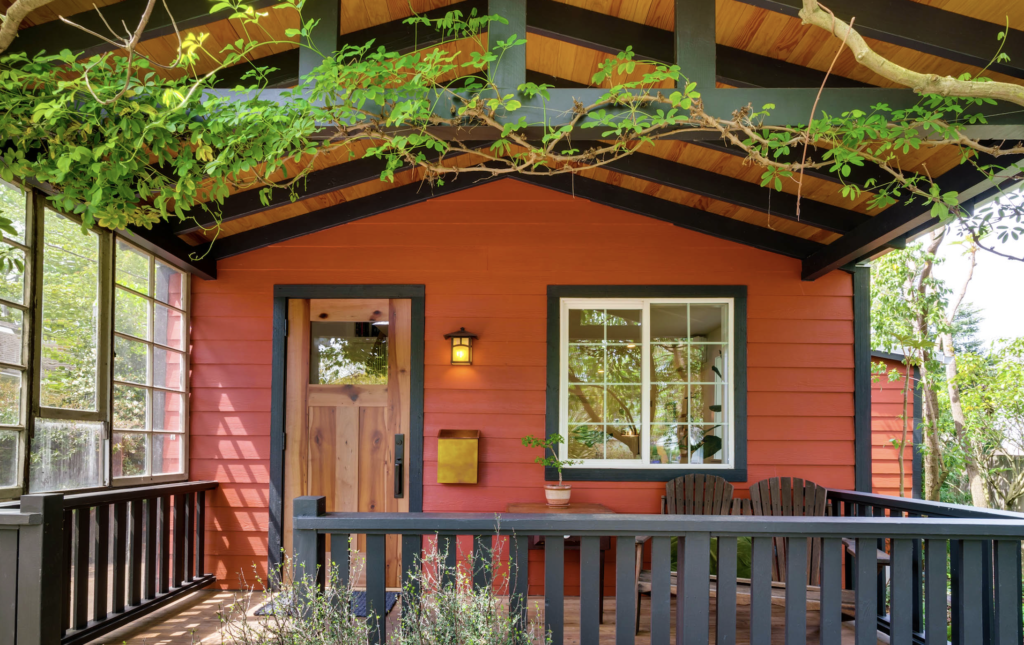
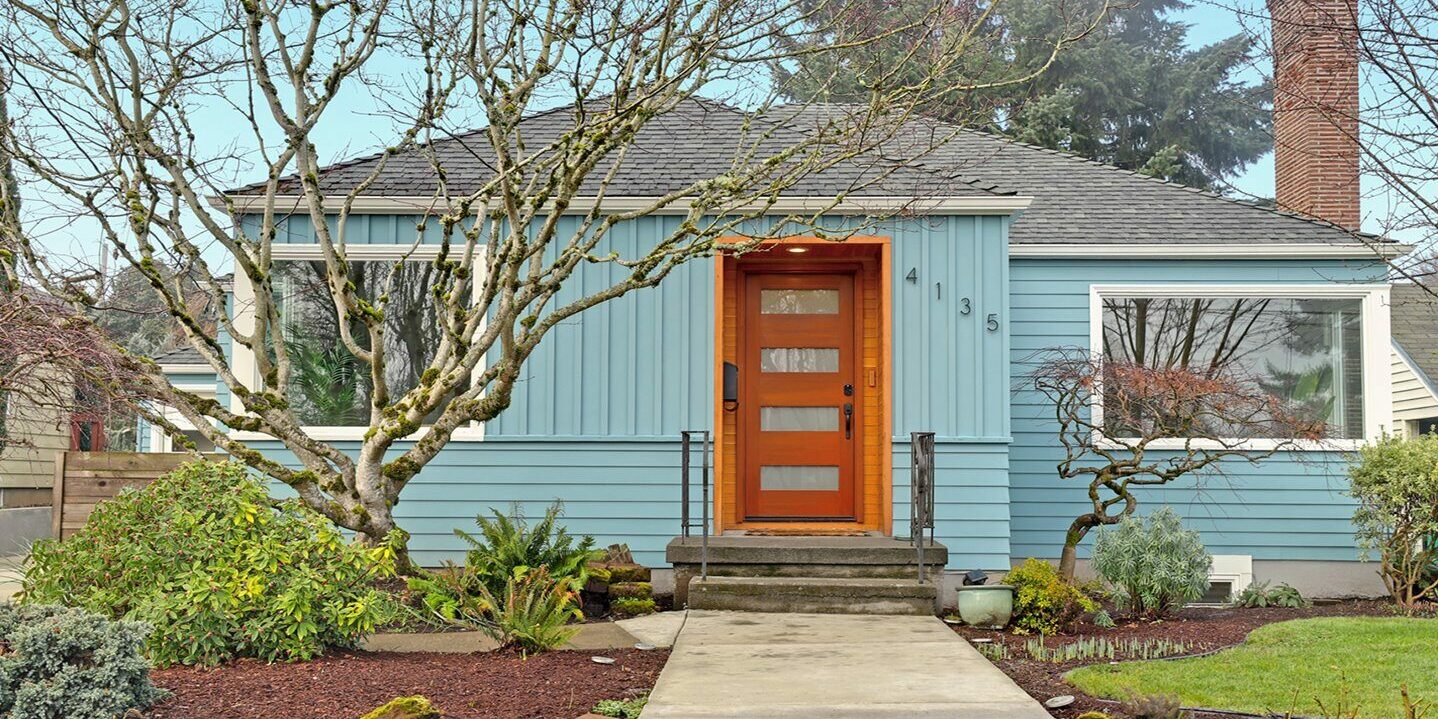
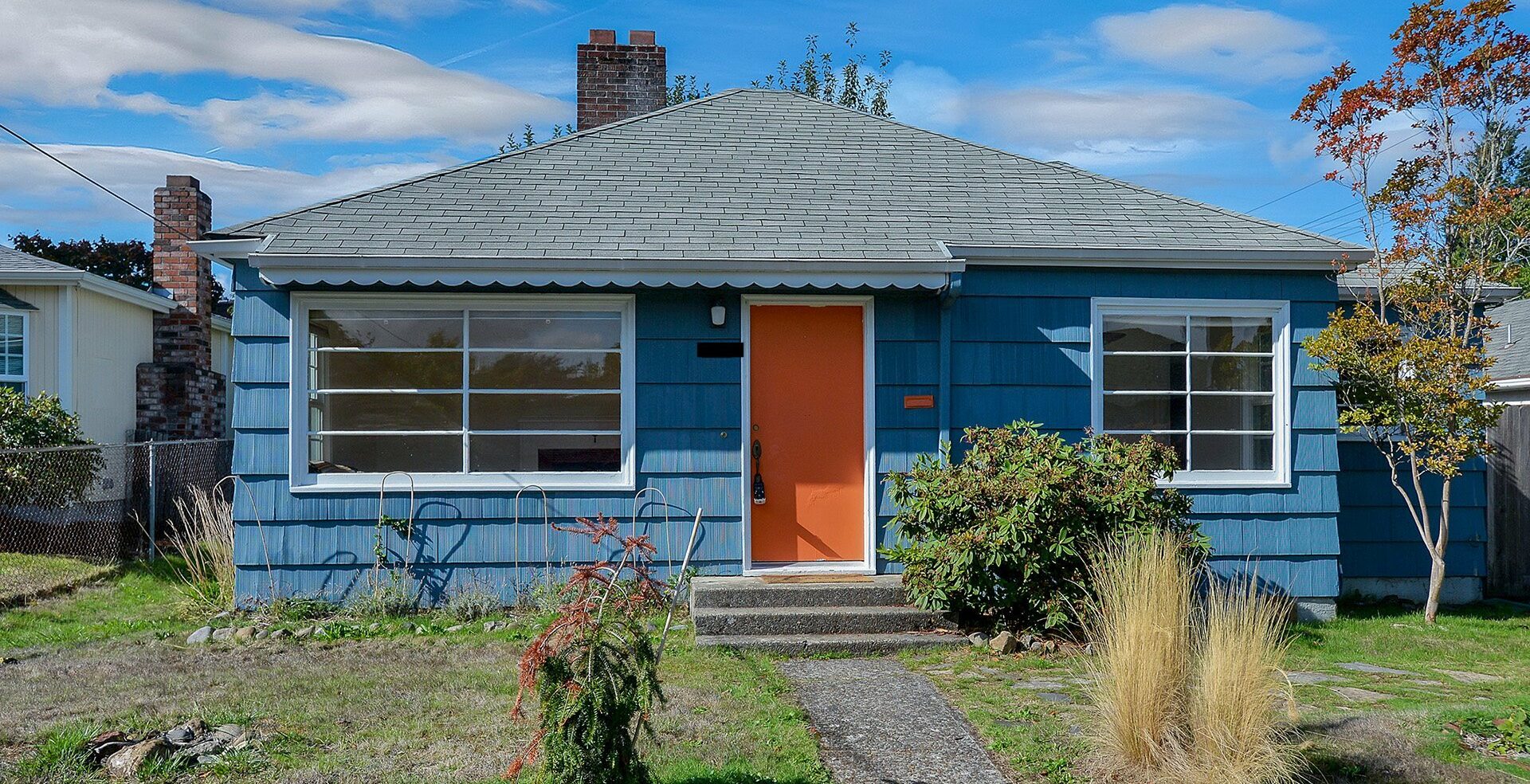
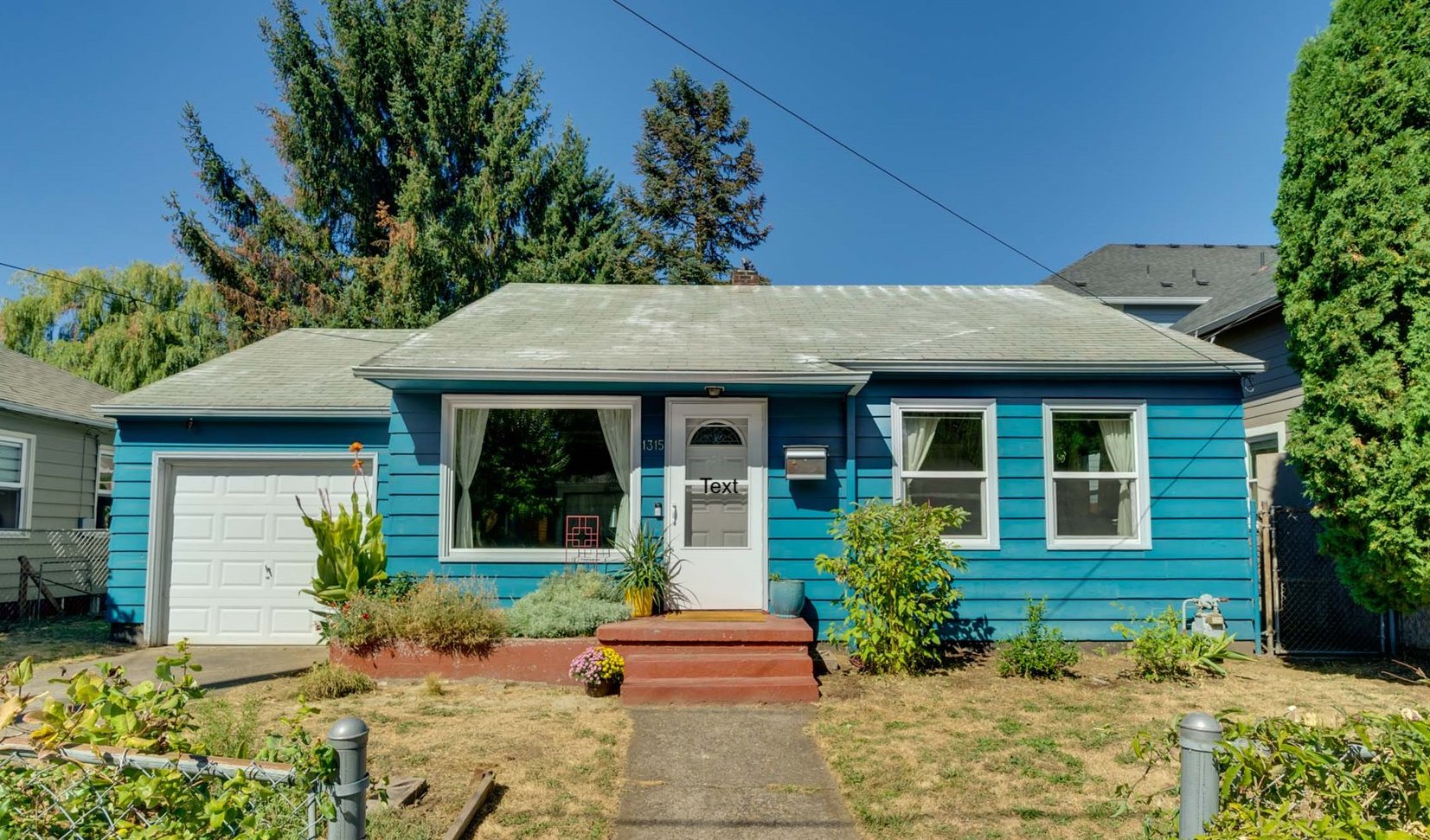
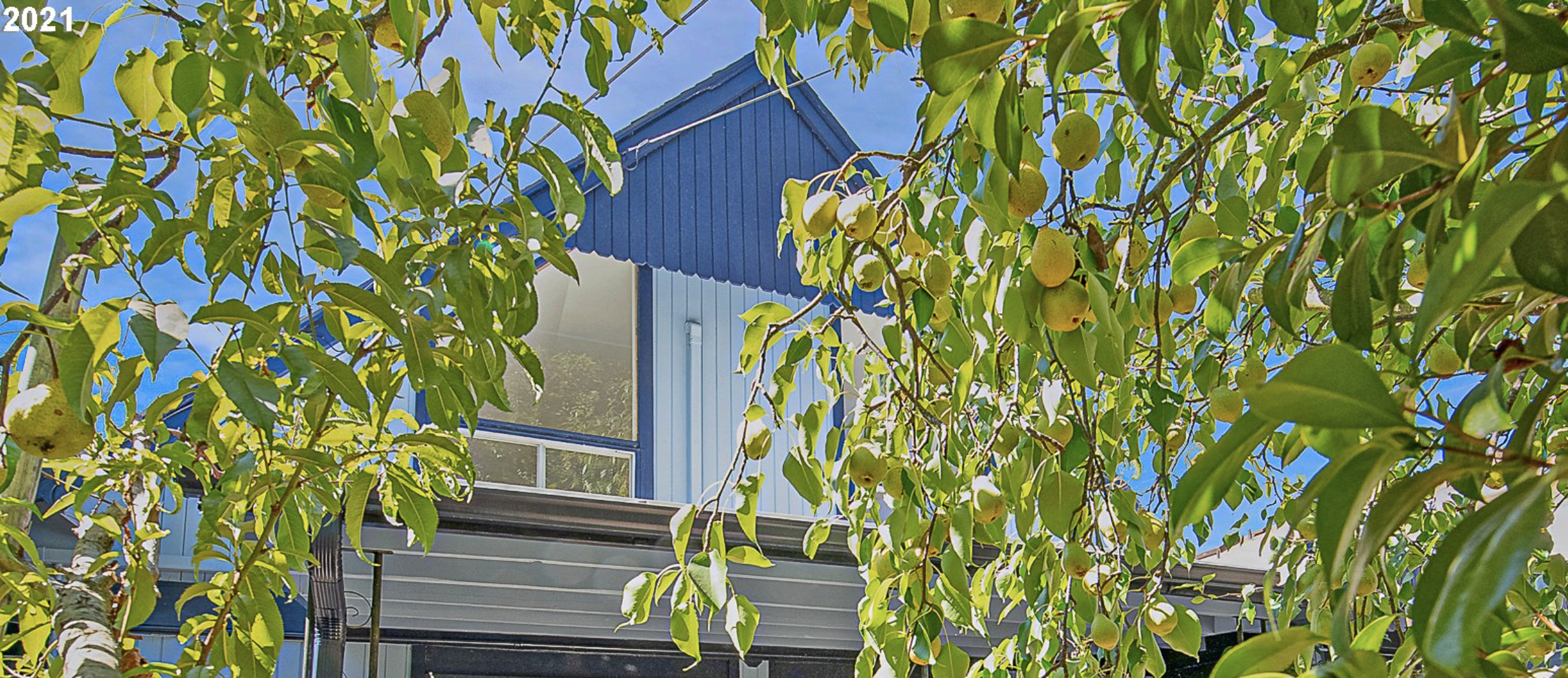
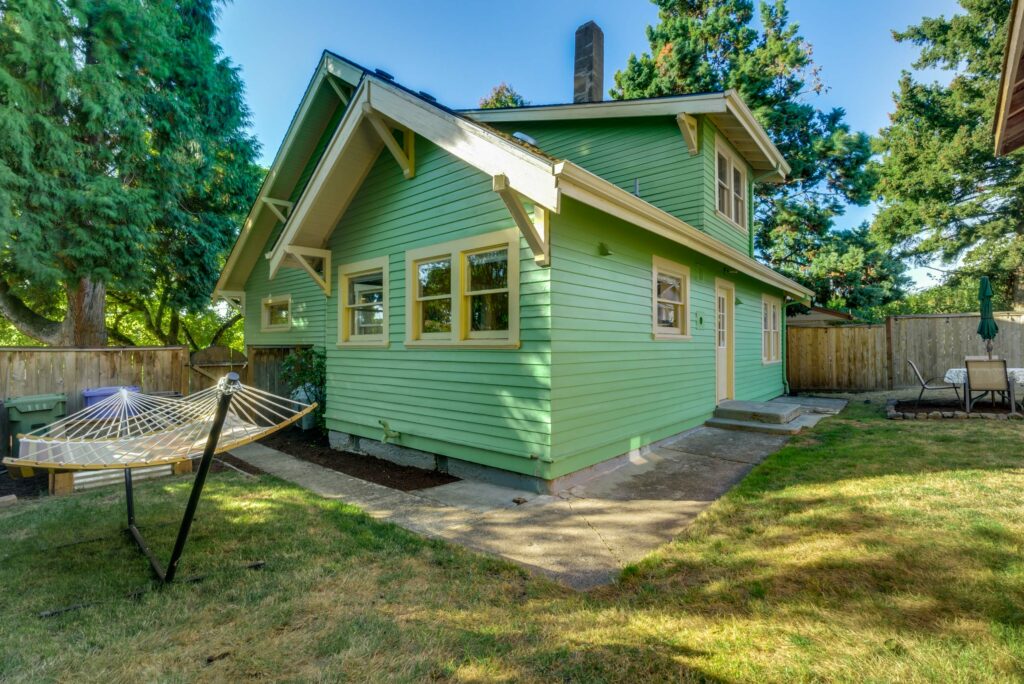
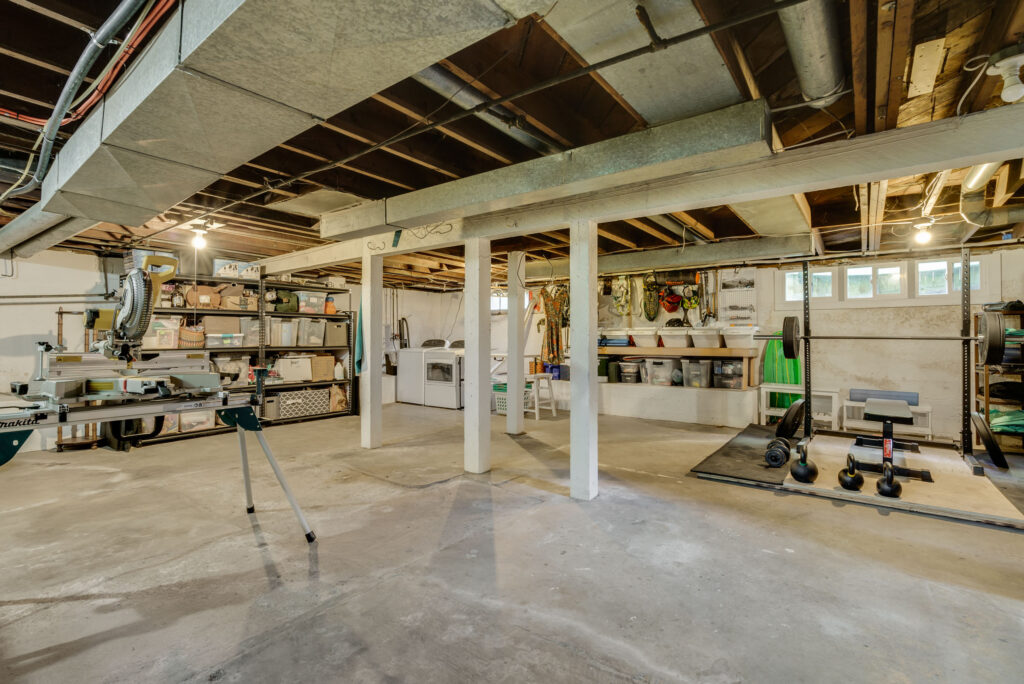
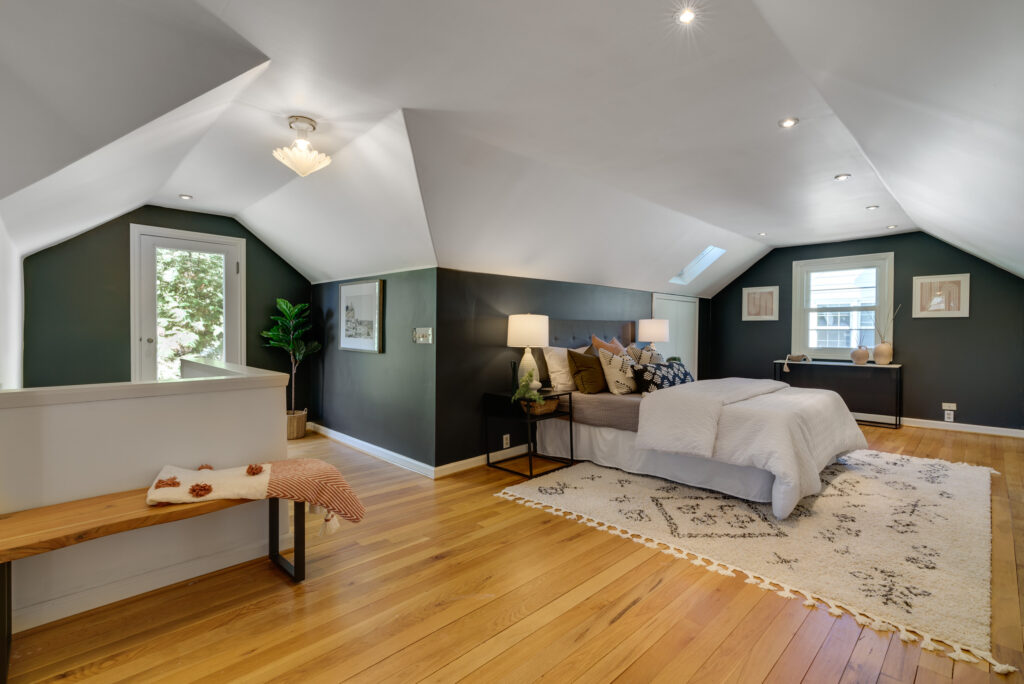
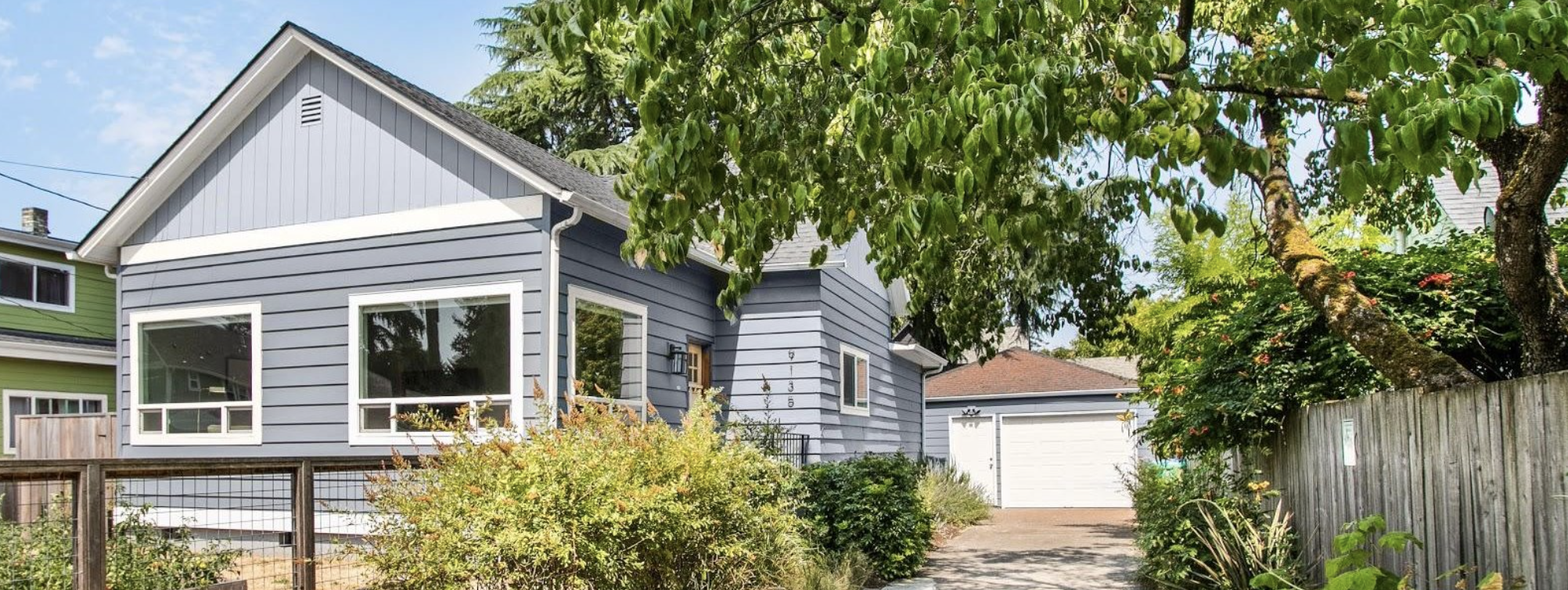
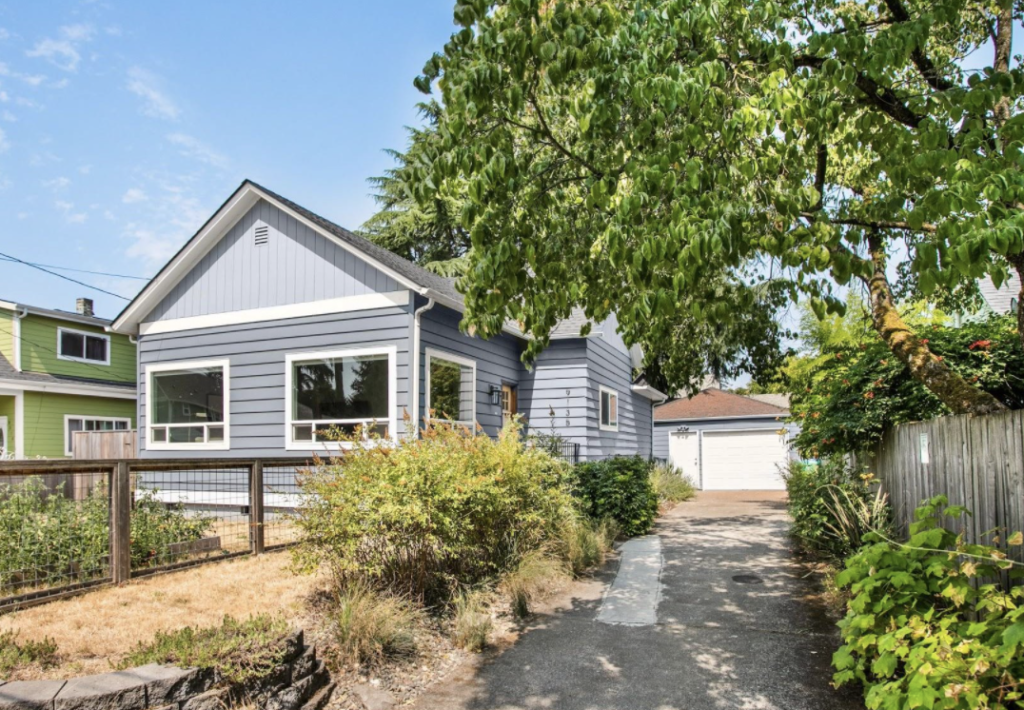
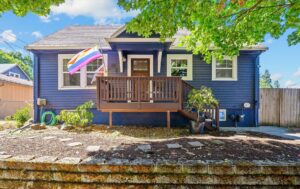 My buyer Theo wins the award for the single most expensive repair I have negotiated for a buyer. Theo was a first time buyer who was referred to me by a past client of mine who they work with. We met up on a chilly fall evening to talk about what they were looking for in a house and get the process started. Within a couple of days, Theo had their pre-approval letter in hand and we were ready to go. I sent them all of the available homes within the geographic boundaries, price range and features they were looking for. The list wasn’t very long and out of all of them, only 2 houses piqued their interest. We went to see one in NE, and that was a no-go. The second house we saw was bright blue 1920’s bungalow in the Brooklyn neighborhood. It had been on the market for about a month and had one sale fail. The home was lovely with a gigantic newly remodeled kitchen and a large upstairs bedroom with room to add a bathroom. The basement was decent enough with lots of windows and good ceiling height- a great candidate for future finishing. Theo slept on it and the next morning let me know they wanted to write on it. We put together a great offer and boom- got it accepted.

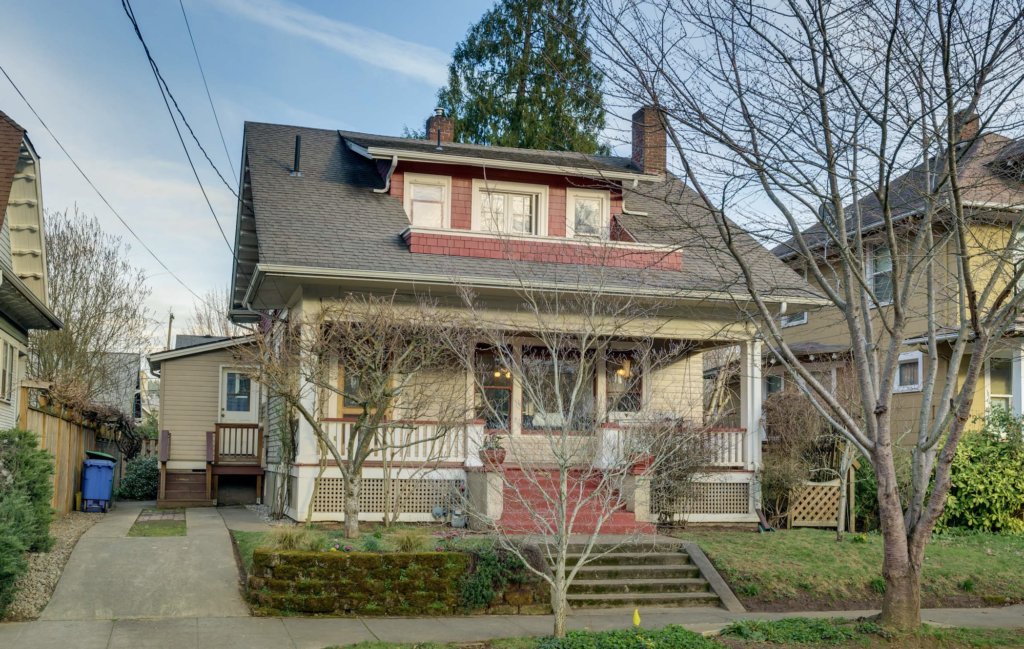
 Sarah and Tariq contacted me in early August after being referred to me by one of my favorite lenders. They used to live in Portland, and had moved to Los Angeles for work, and were now being transferred back to Portland. They were moving to Portland in mid-November, so they came to Portland in mid-October to find a home. Before they arrived, we had a flurry of emails back and forth narrowing down homes they wanted to see. They seemed to really hone in on mid-centuries and when we came up with our list of homes to see over the next few days, the majority were mid-centuries. They arrived on a Thursday evening, and we hit the ground running on Friday morning. We saw around 12 houses together over the next couple of days, and they saw even more homes on their own visiting open houses.

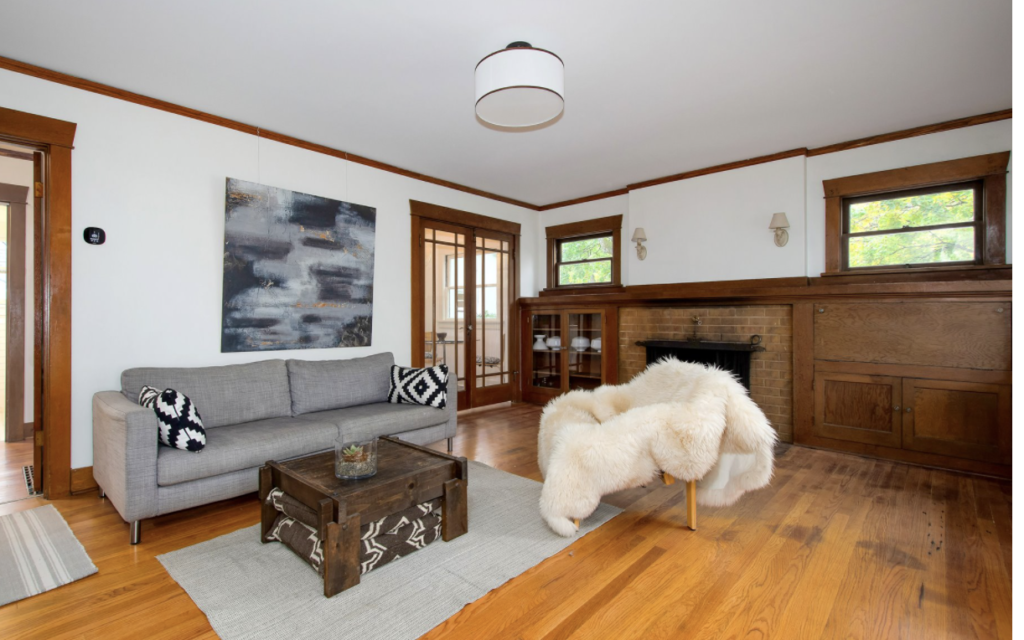
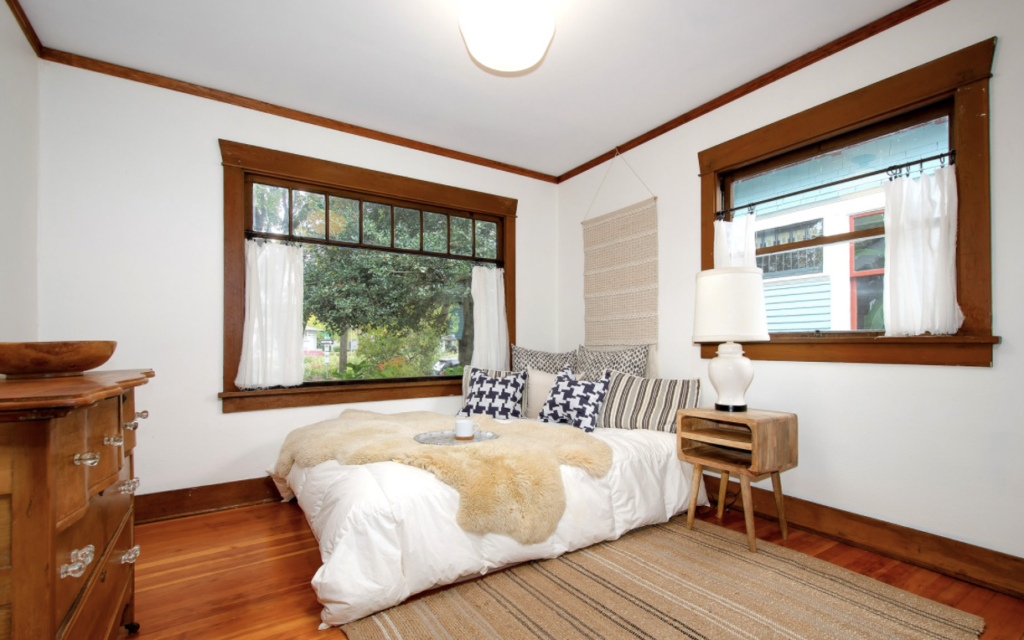
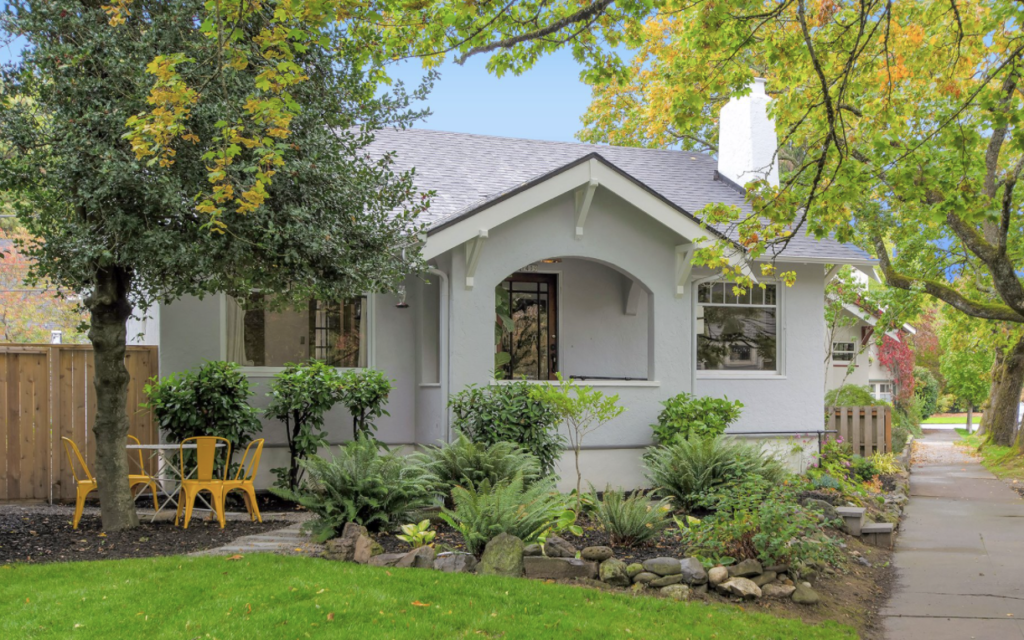
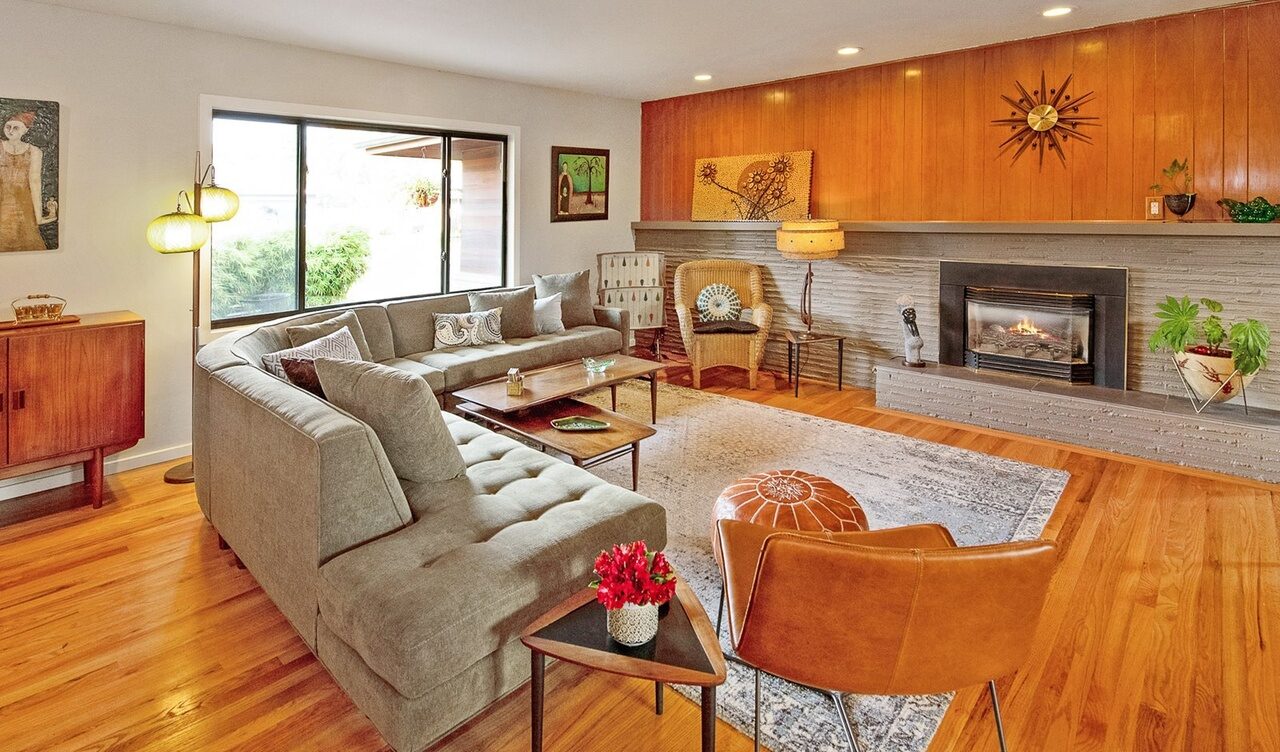

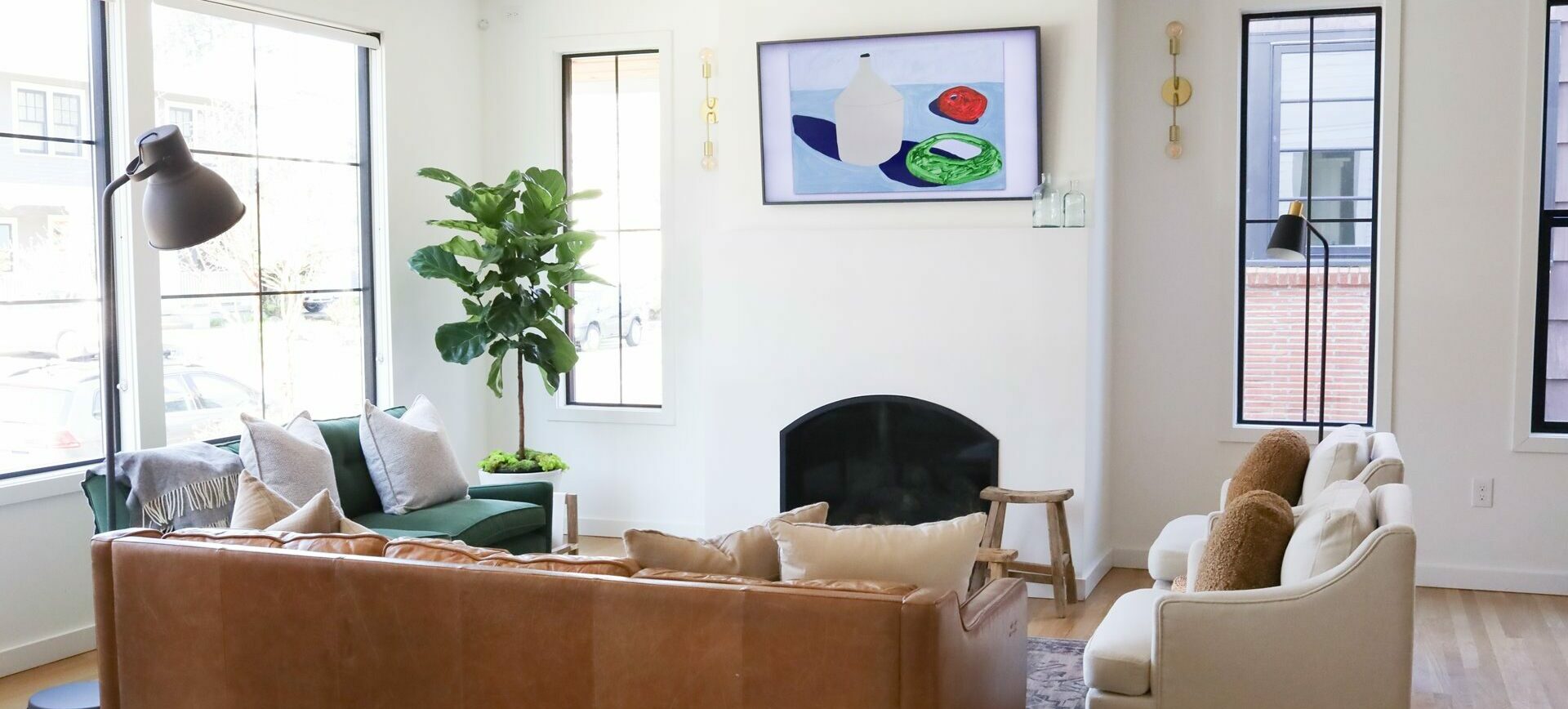
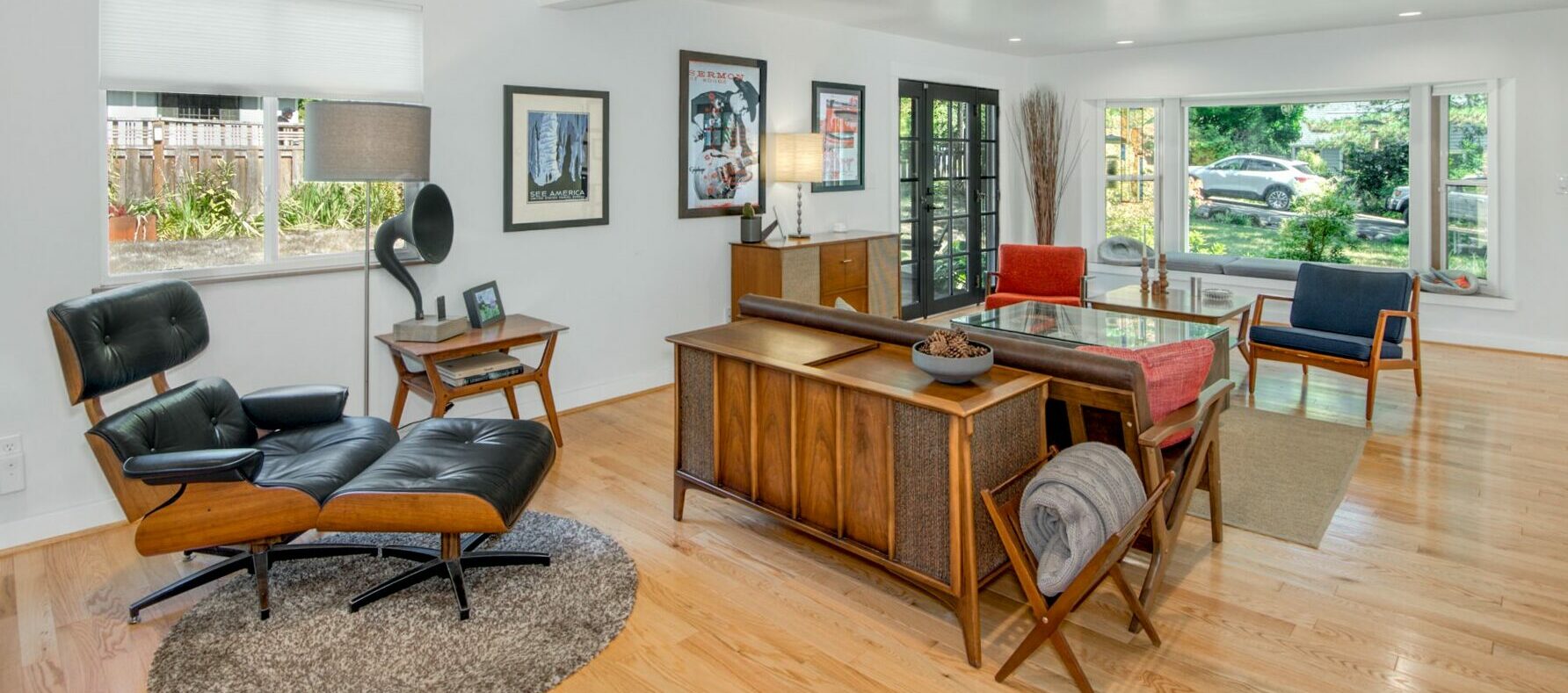


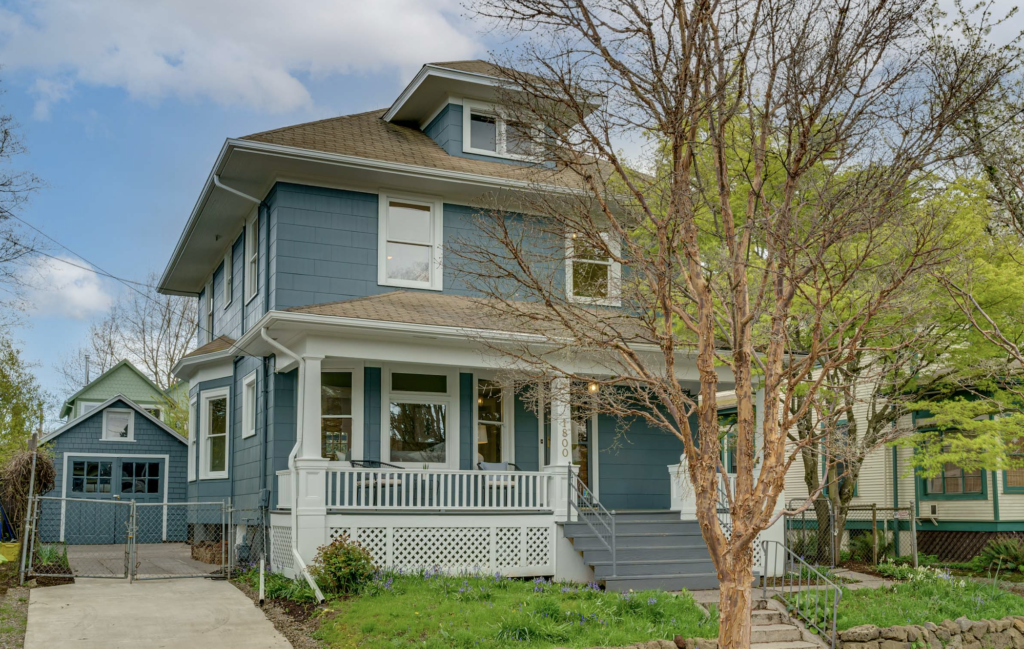
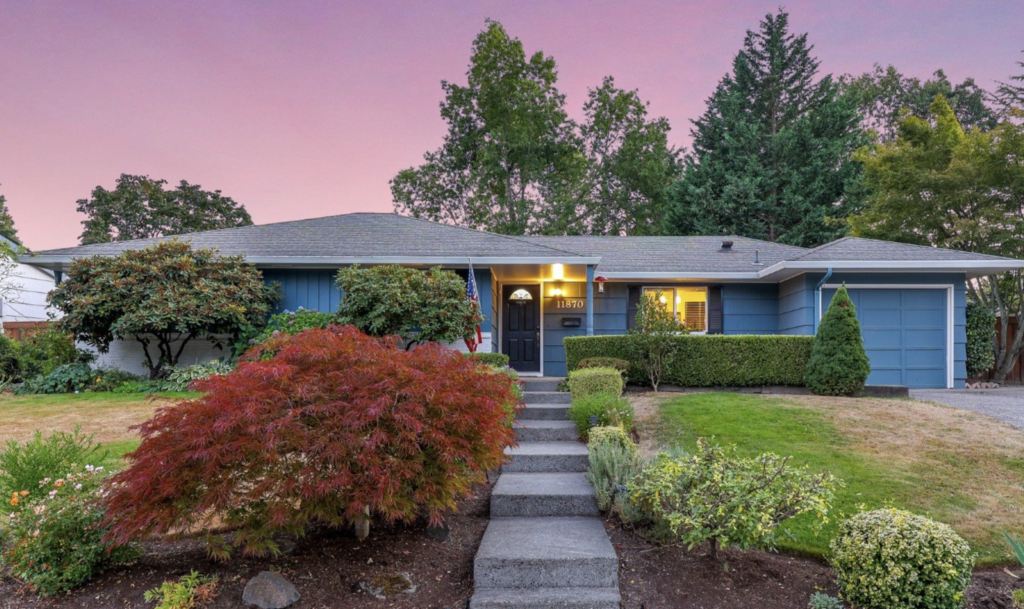
 My buyers Annie and Ben were referred to me by one of the great lenders at Portland Housing Center. They were first time home buyers and during our meeting when we met to discuss their plan and get a feel to see if we would be a good fit to work together, we talked about the ideal house for them. They had a really clear idea of exactly what they were looking for and where they wanted to buy. Ben works in Vancouver and Annie works on the inner east side so their ideal house would be in North Portland in Kenton or near I-5. They also wanted something with vintage charm- preferably mid-century, and in good shape that would be easy to maintain. They also wanted a yard and their budget was $400k tops. They were still interviewing agents when a couple of days after we met, I got an email from my wonderful colleague Martin Cross here at Living Room with info on an open house a great listing of his in Kenton was having the next day. On paper that house seemed to meet all the criteria that Annie and Ben had, so I forwarded the email along to them. They responded that indeed, the house looked like it was great and they could tell I had a really good sense of what they were looking for, and that sealed the deal for us working together.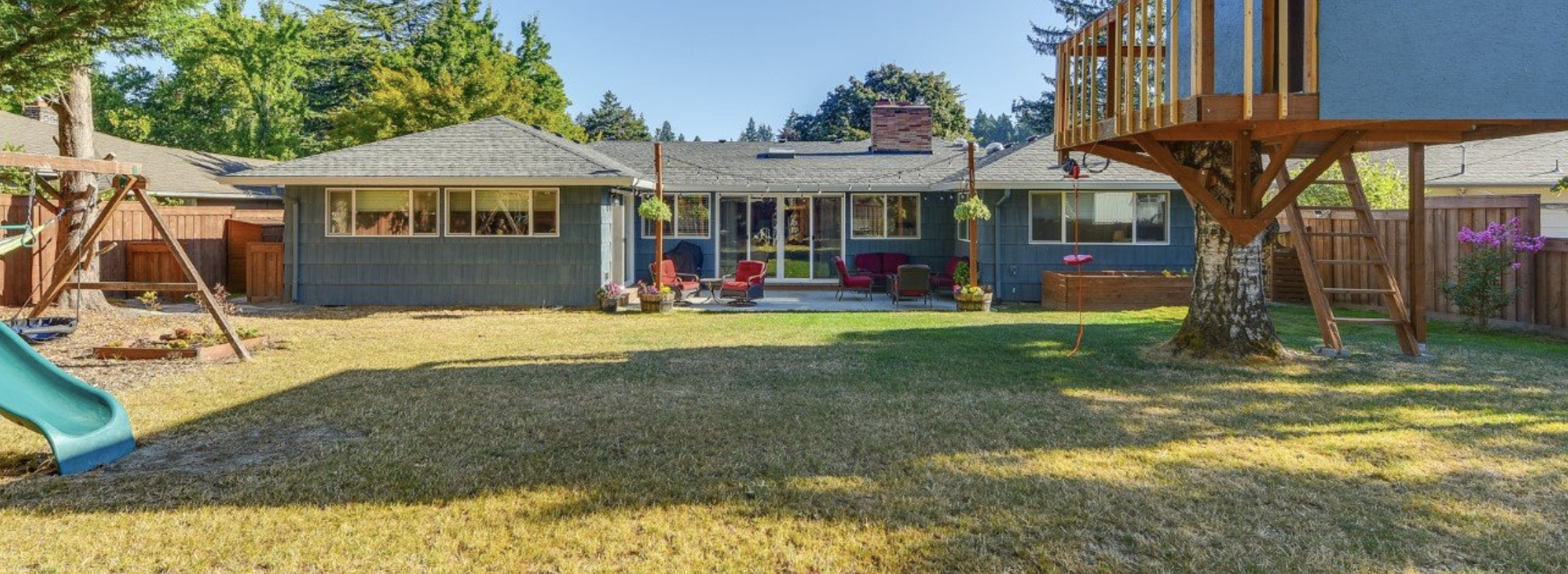

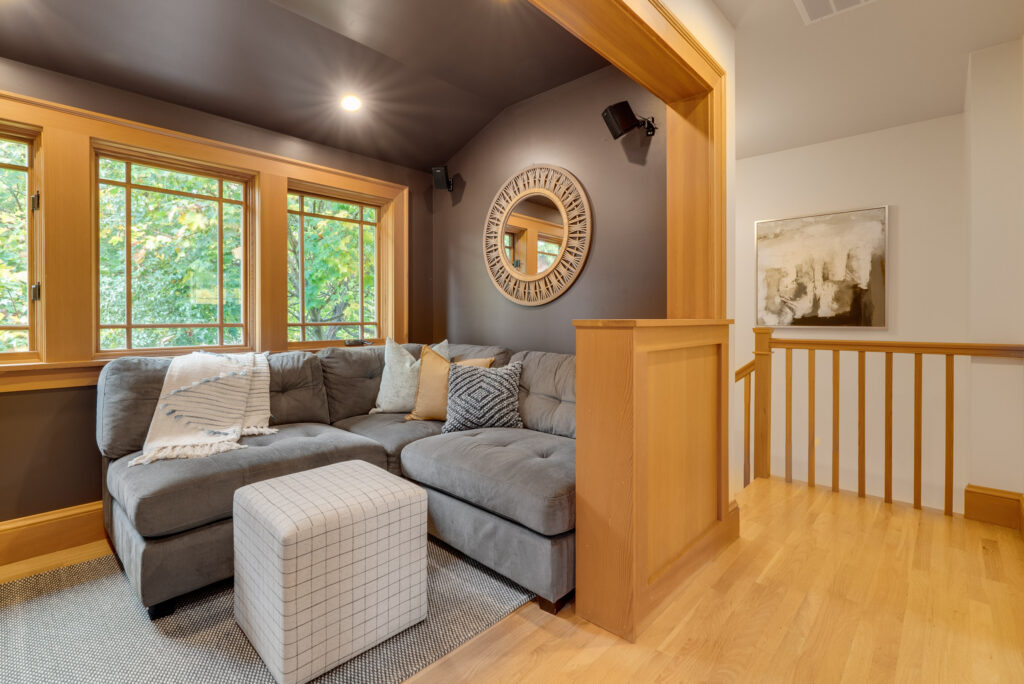
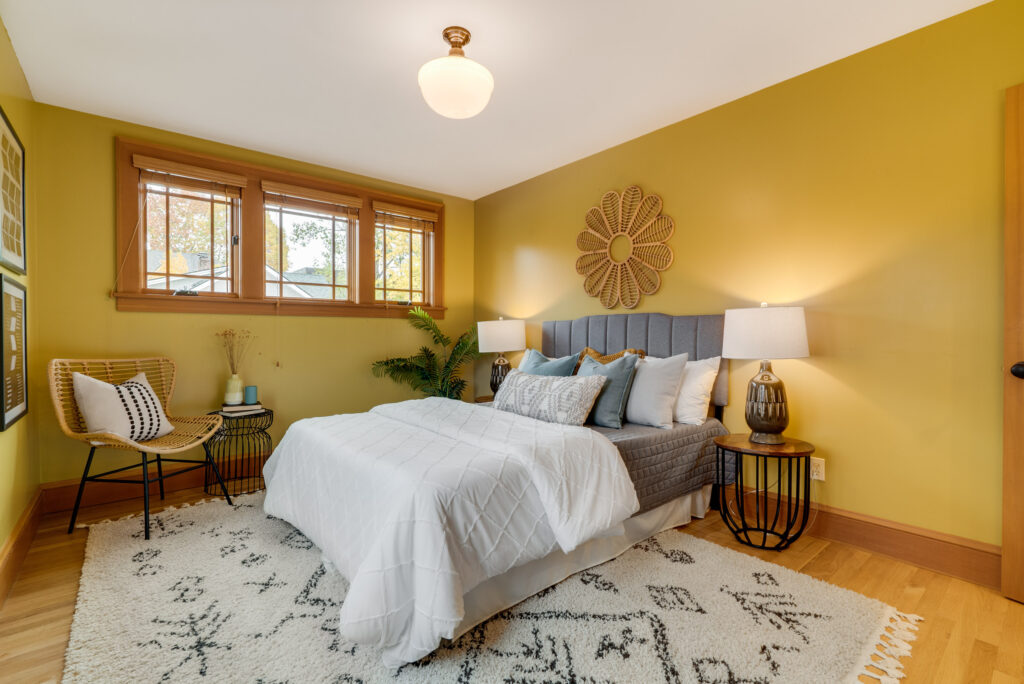
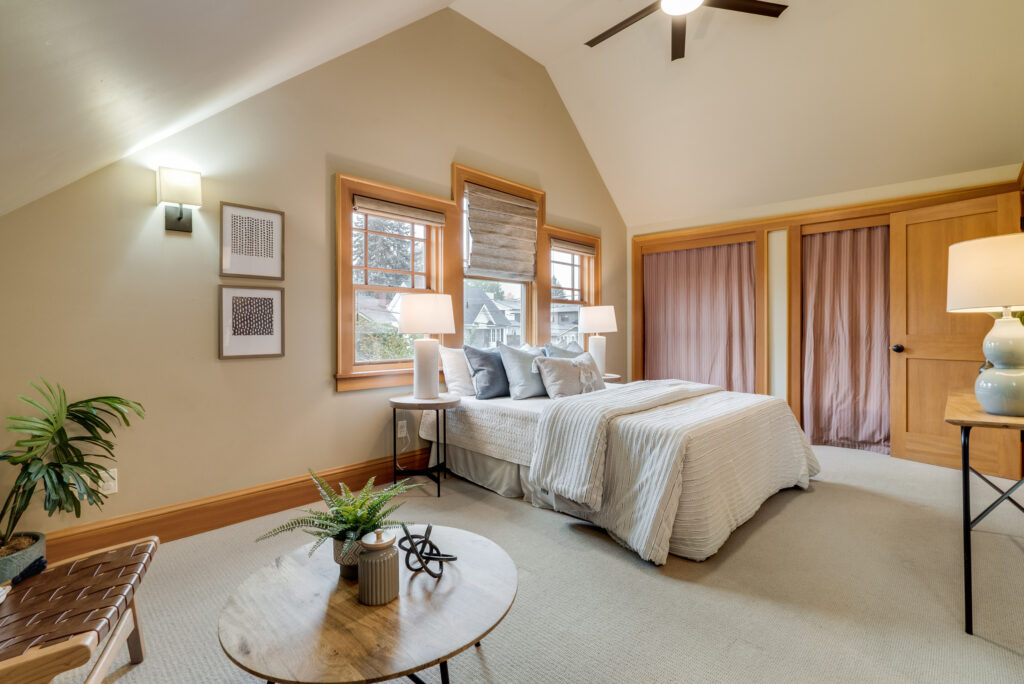
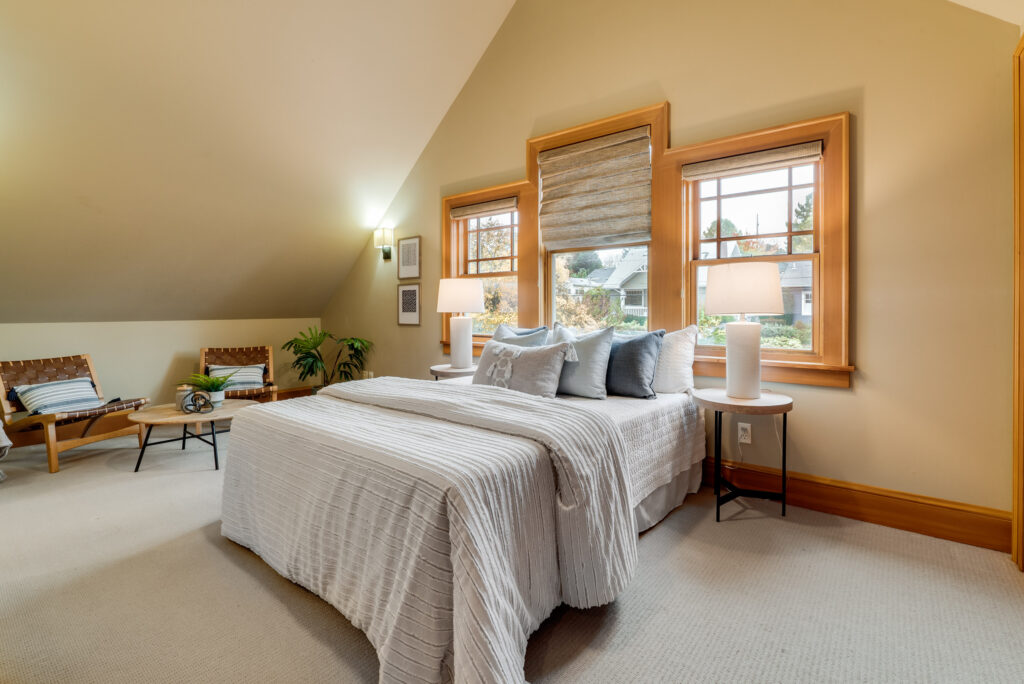







 \
\  \
\ 
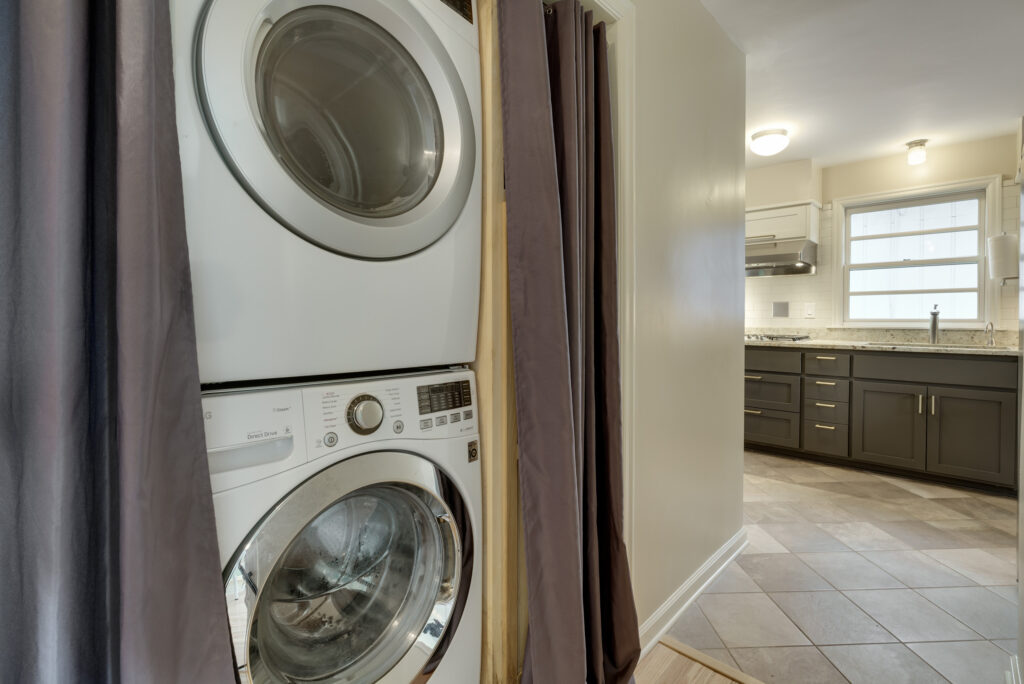
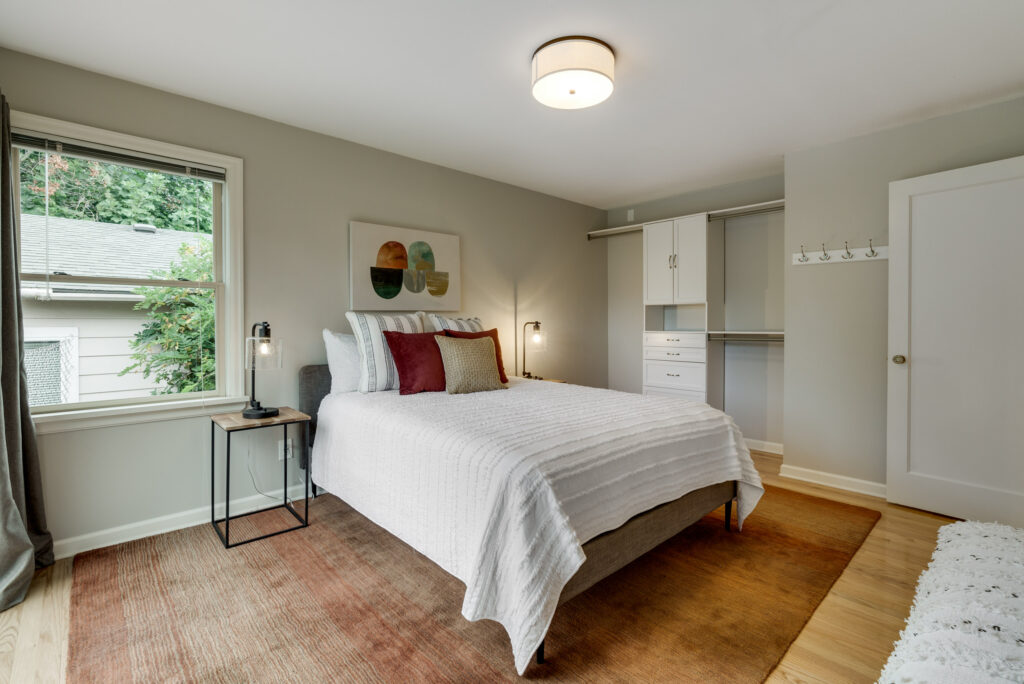
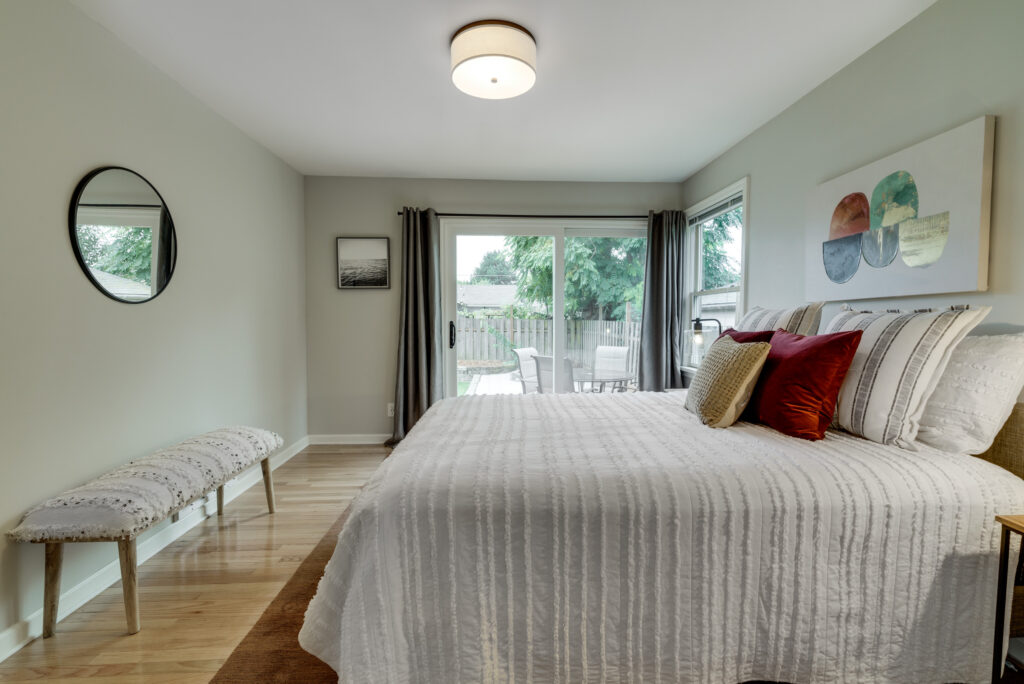
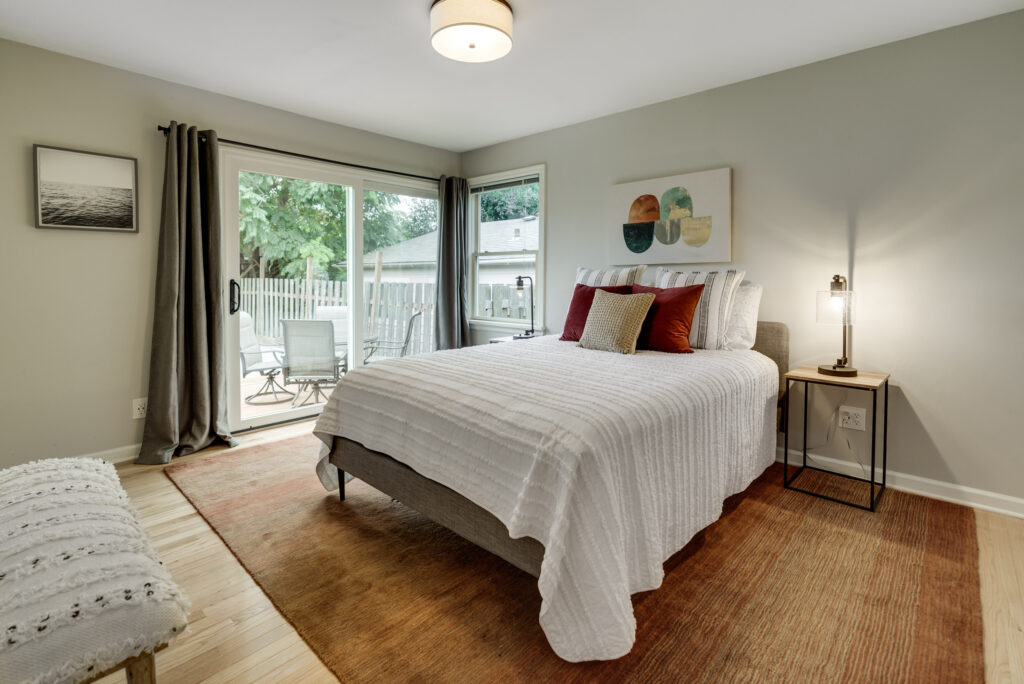
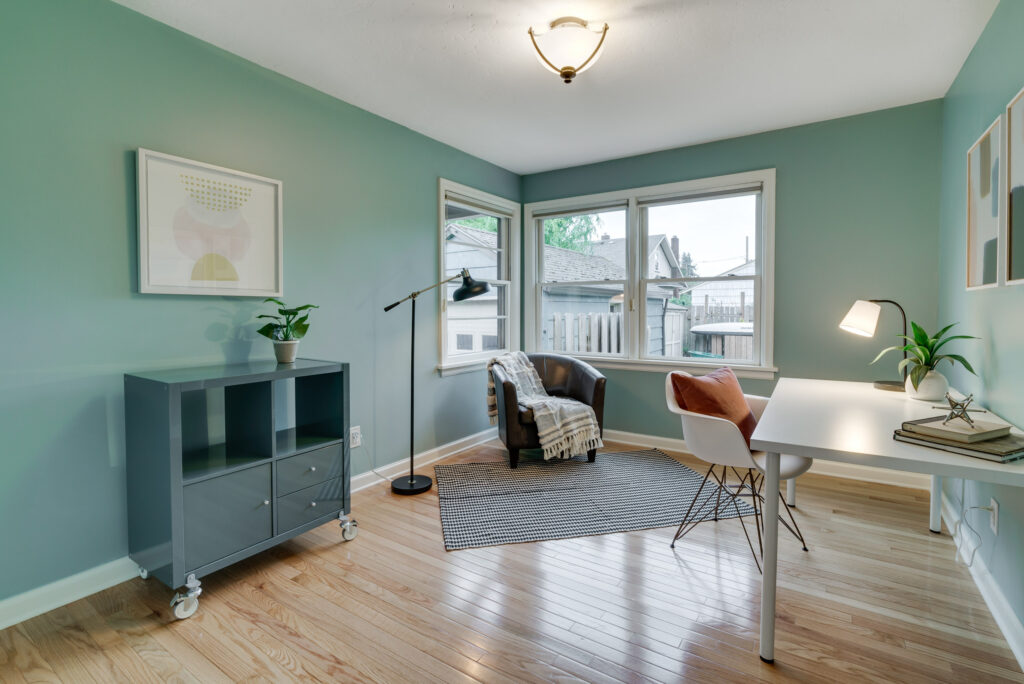
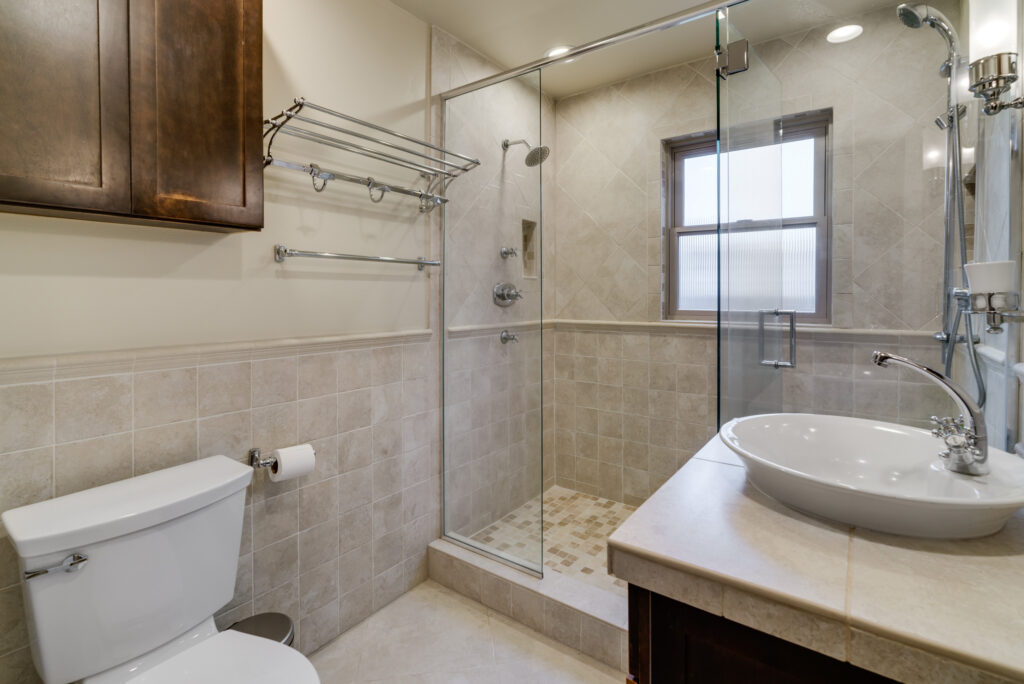
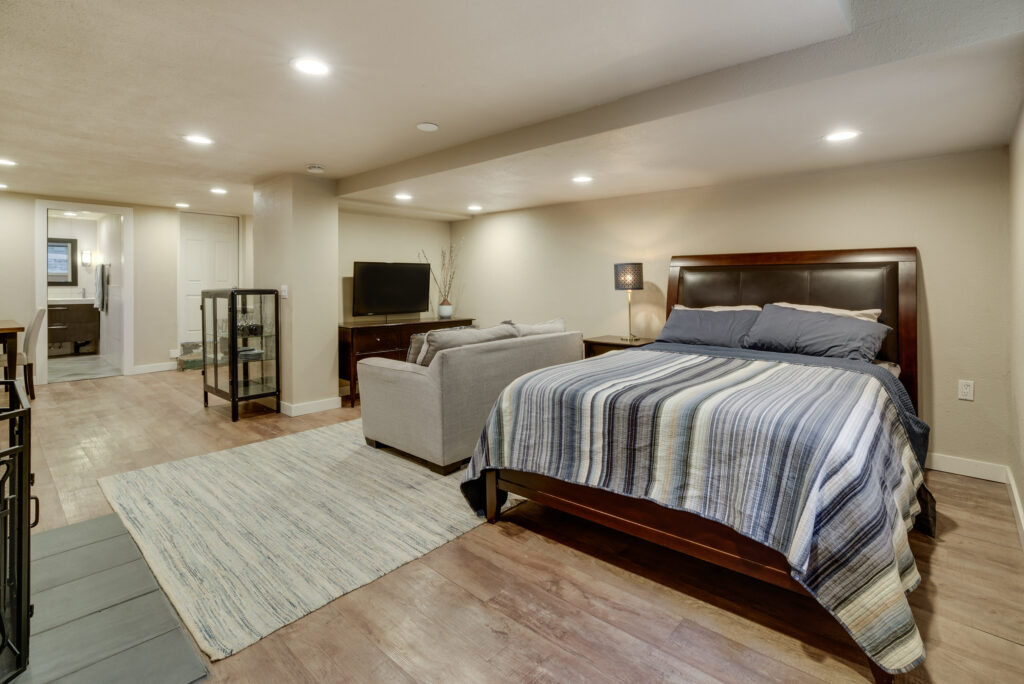
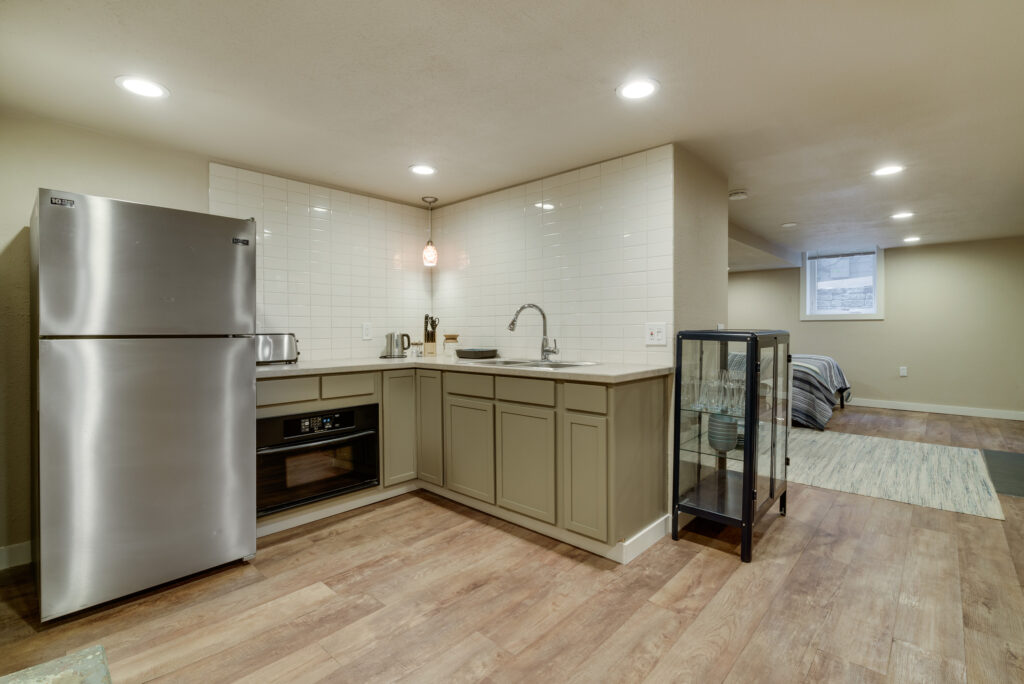
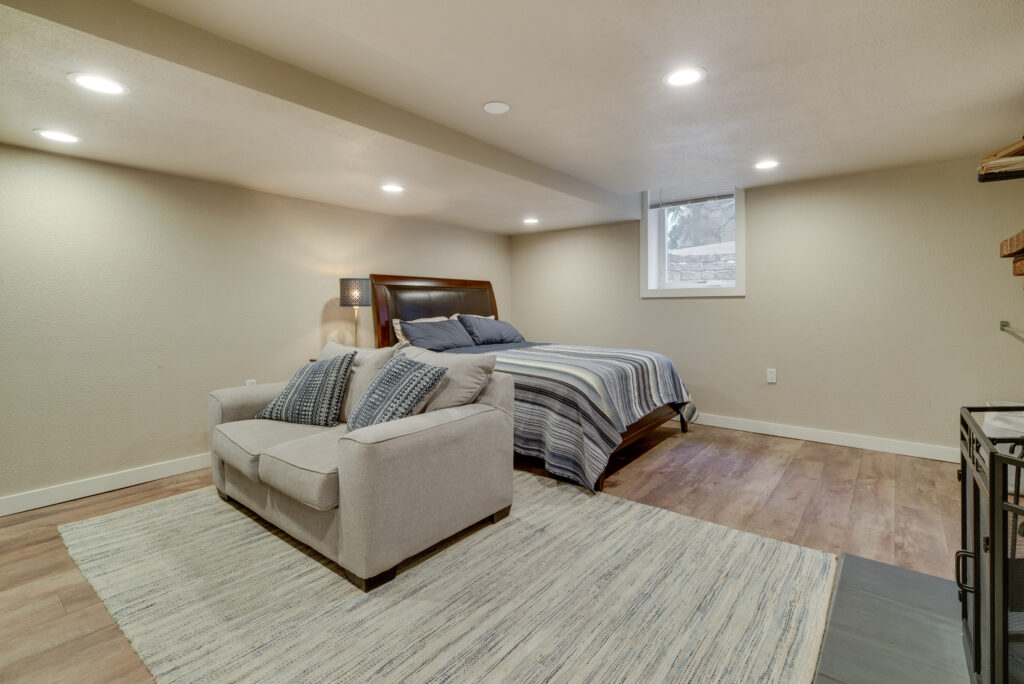
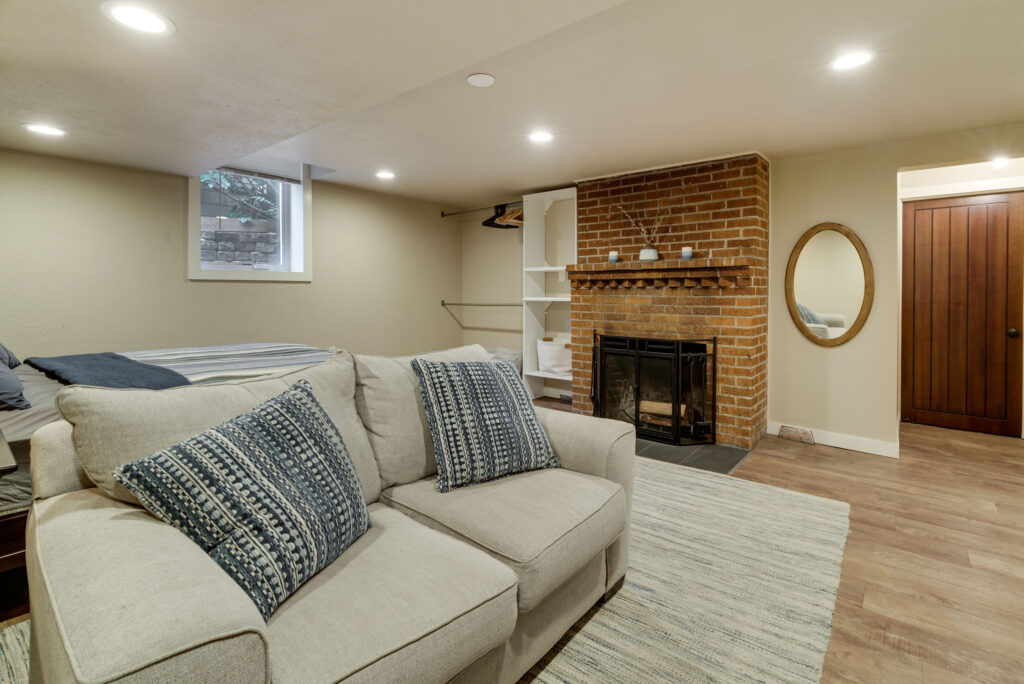
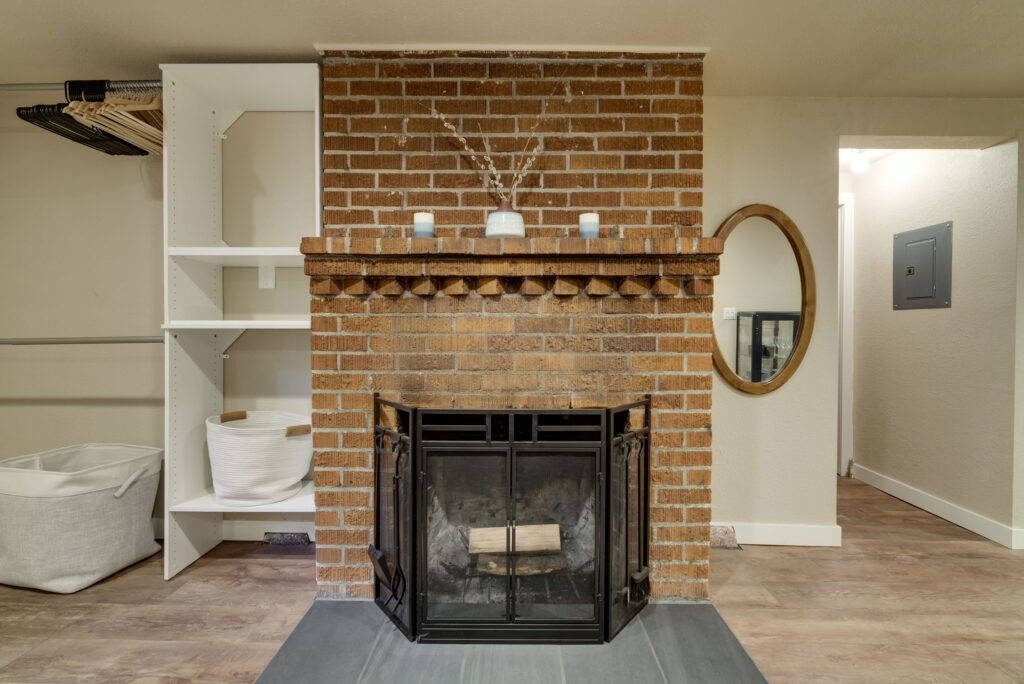
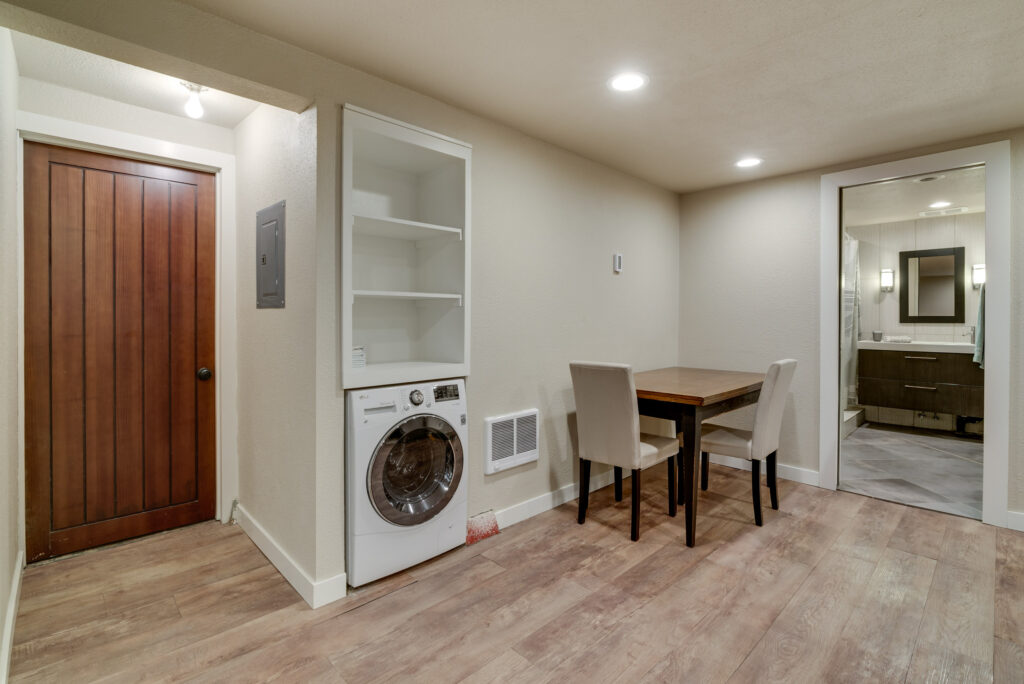
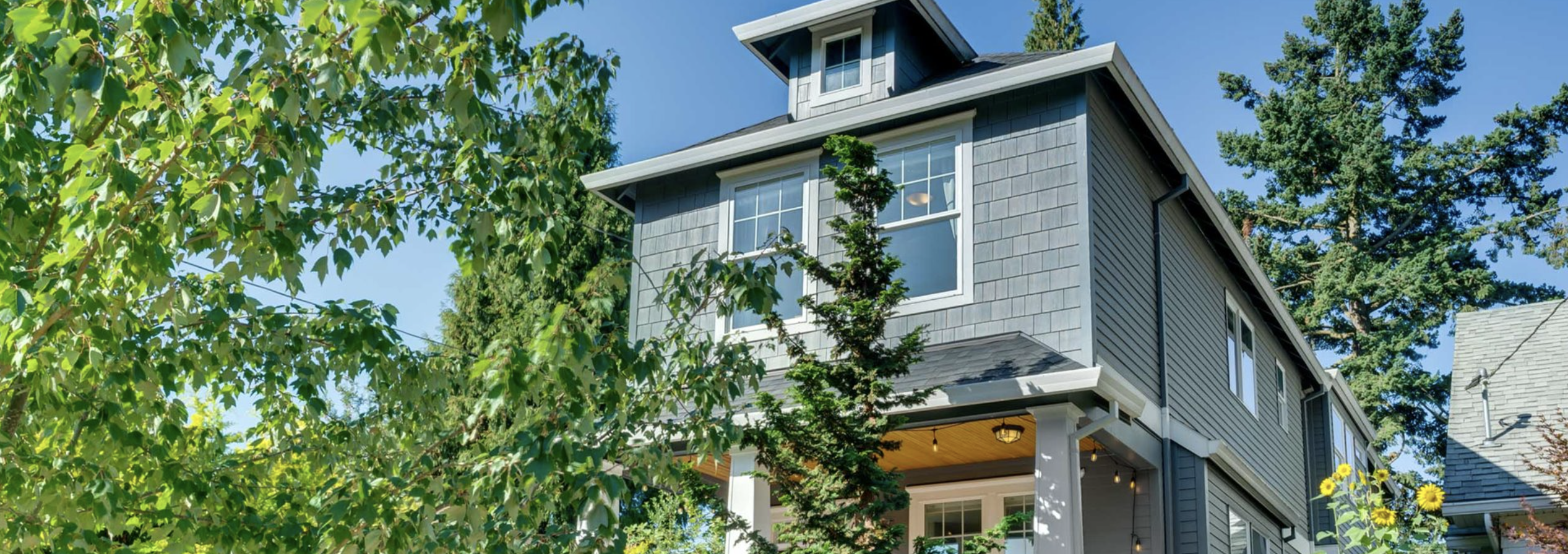
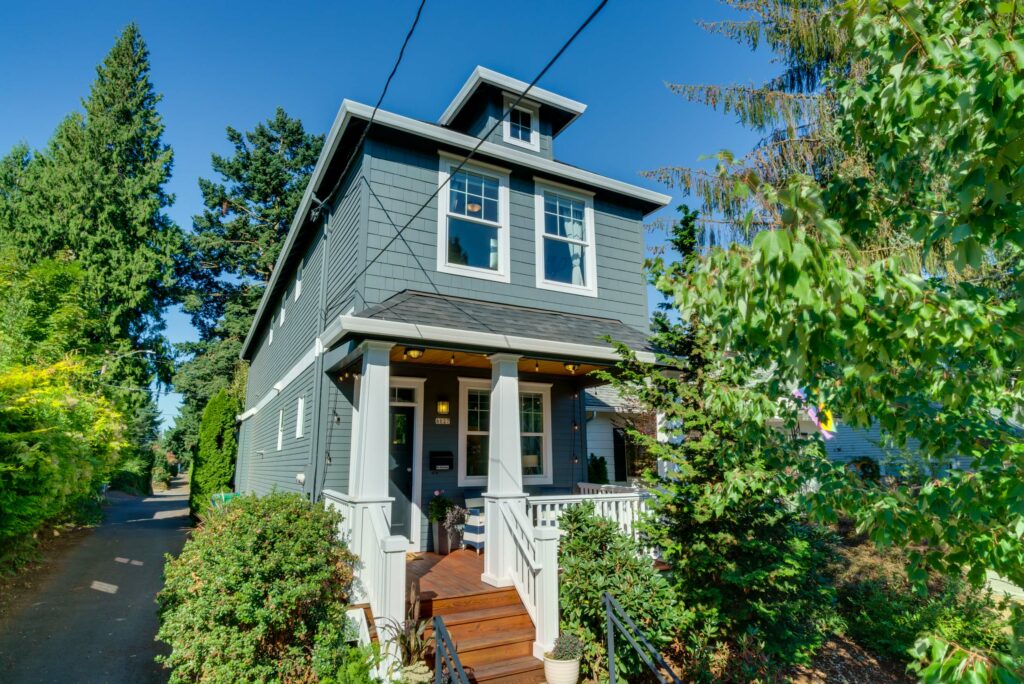
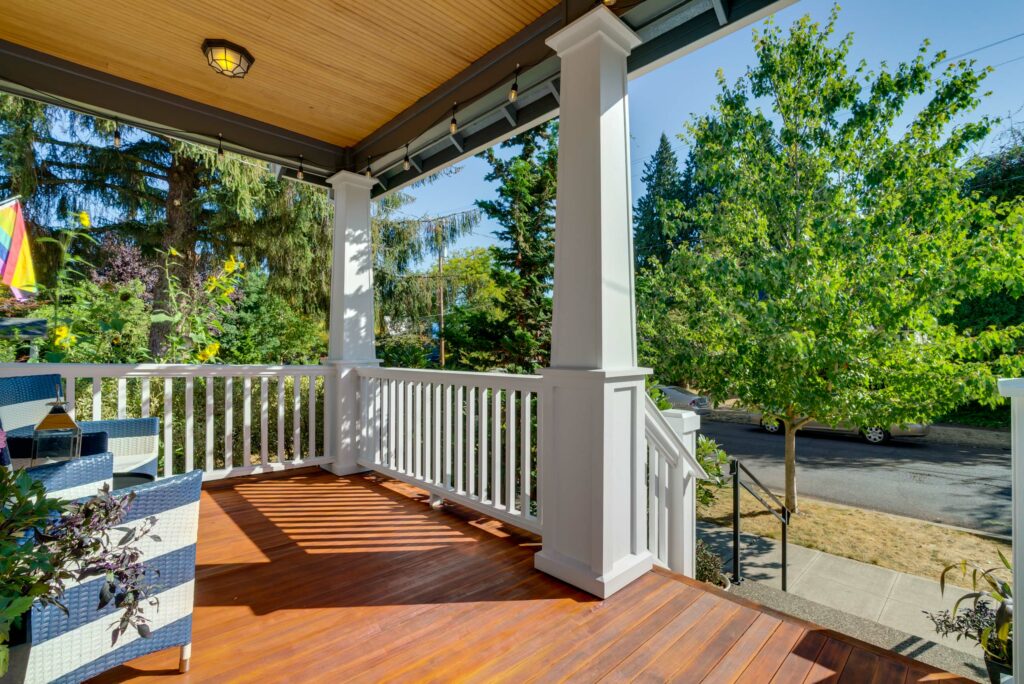
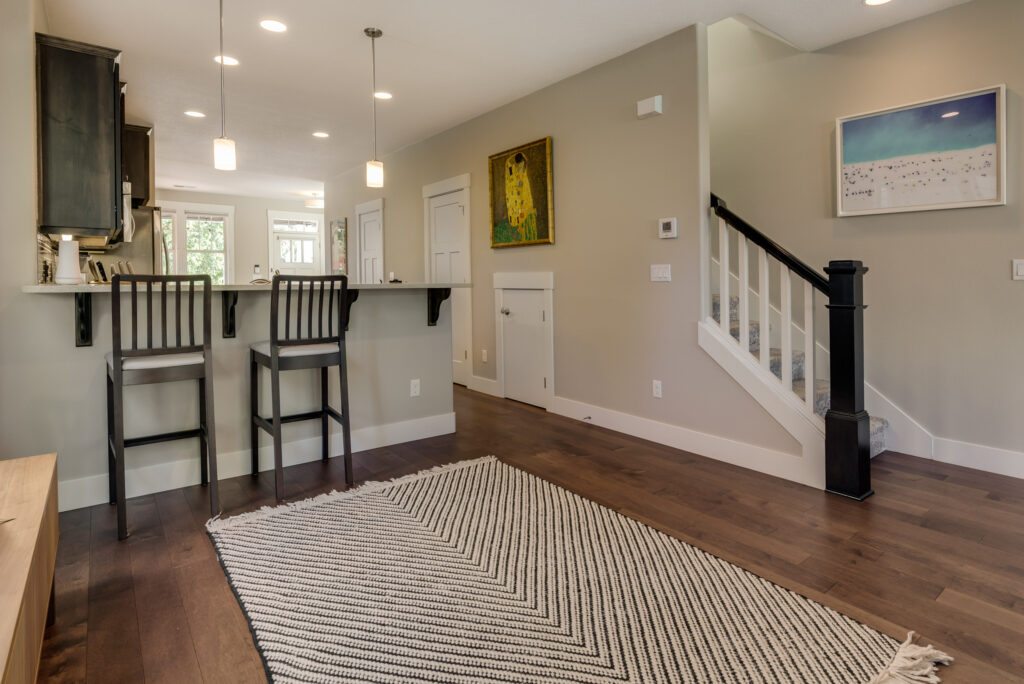
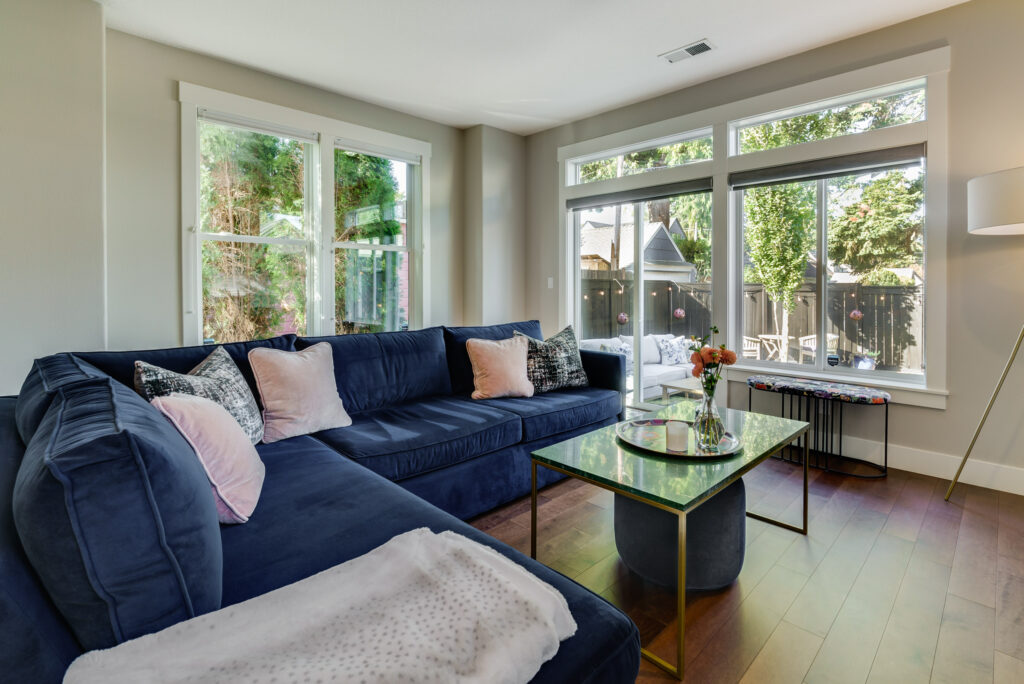
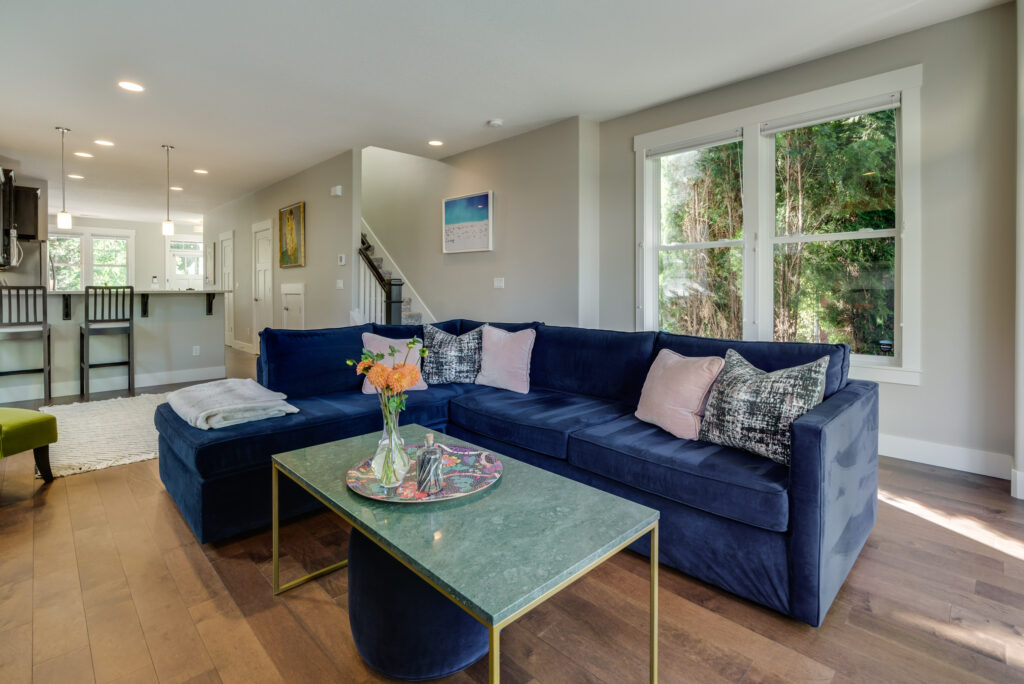
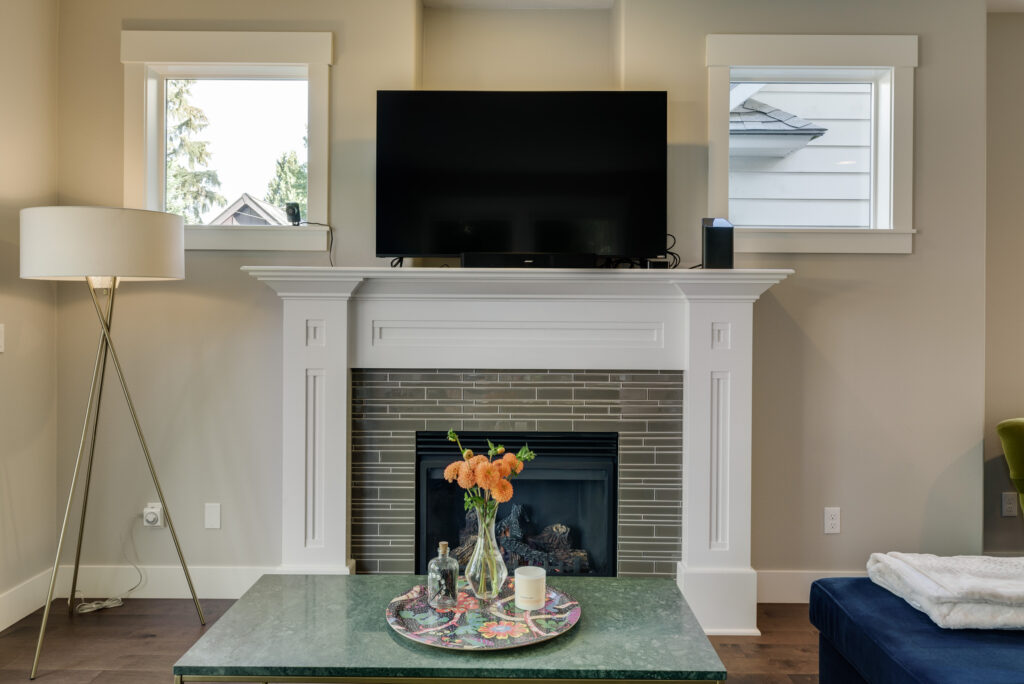
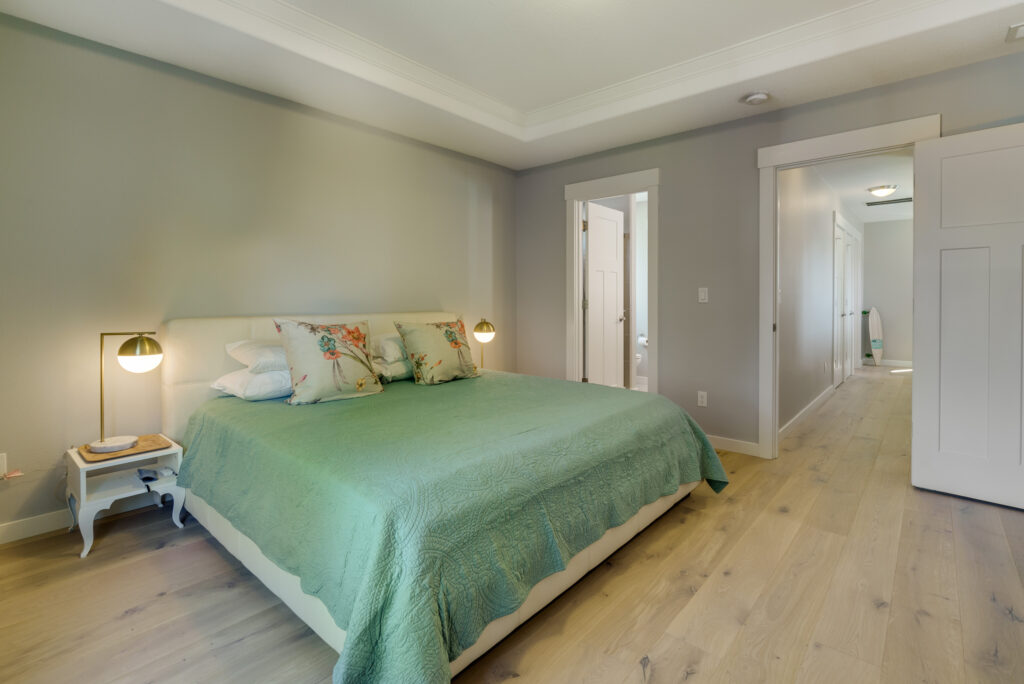
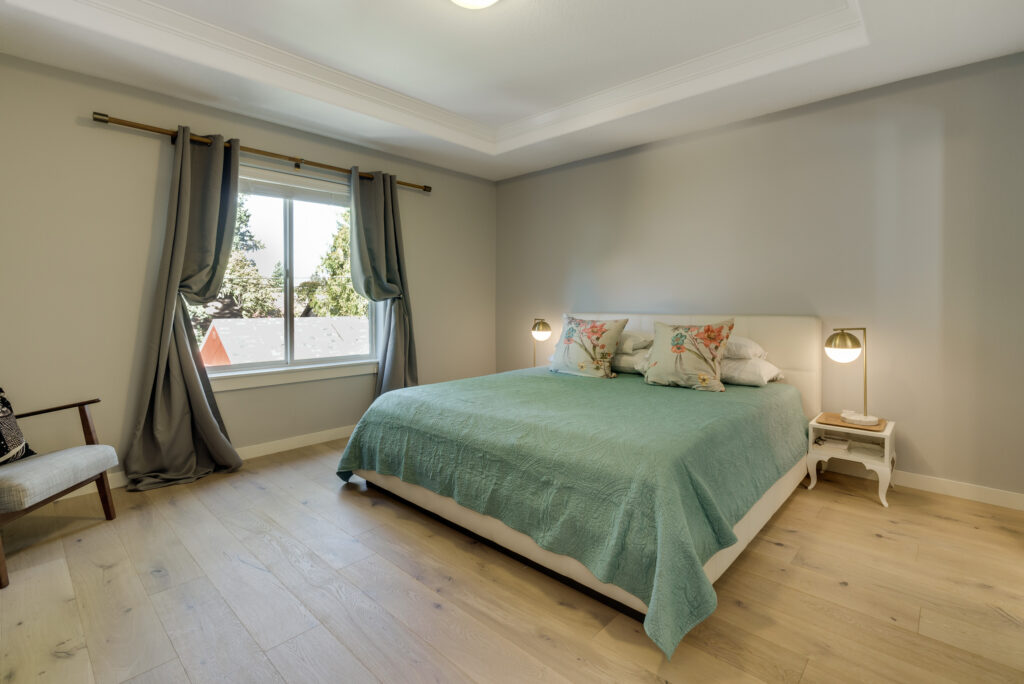
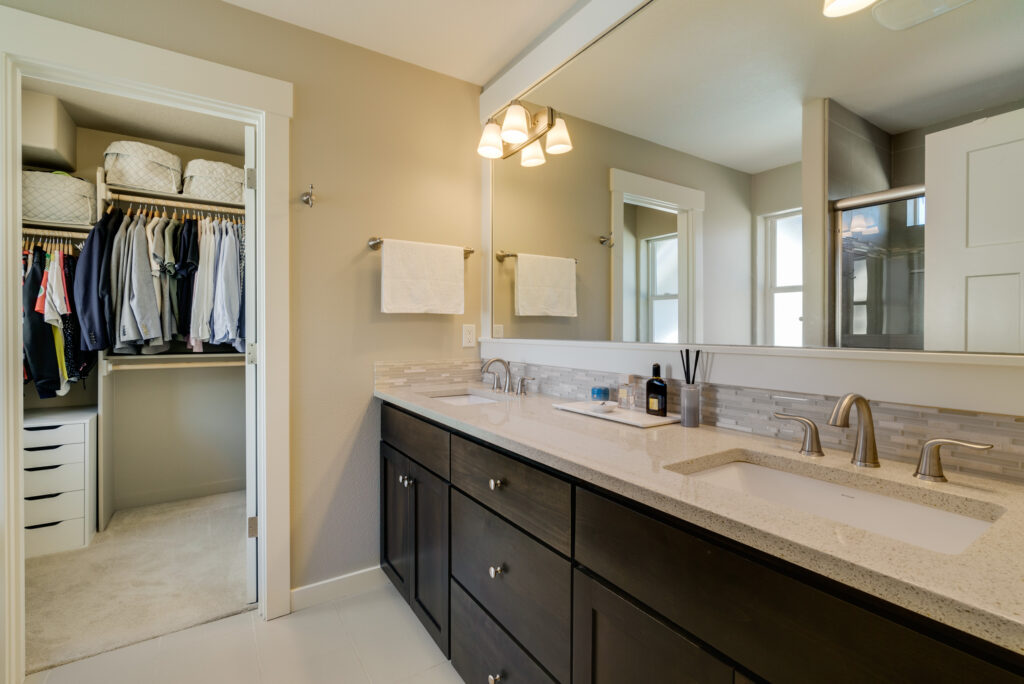
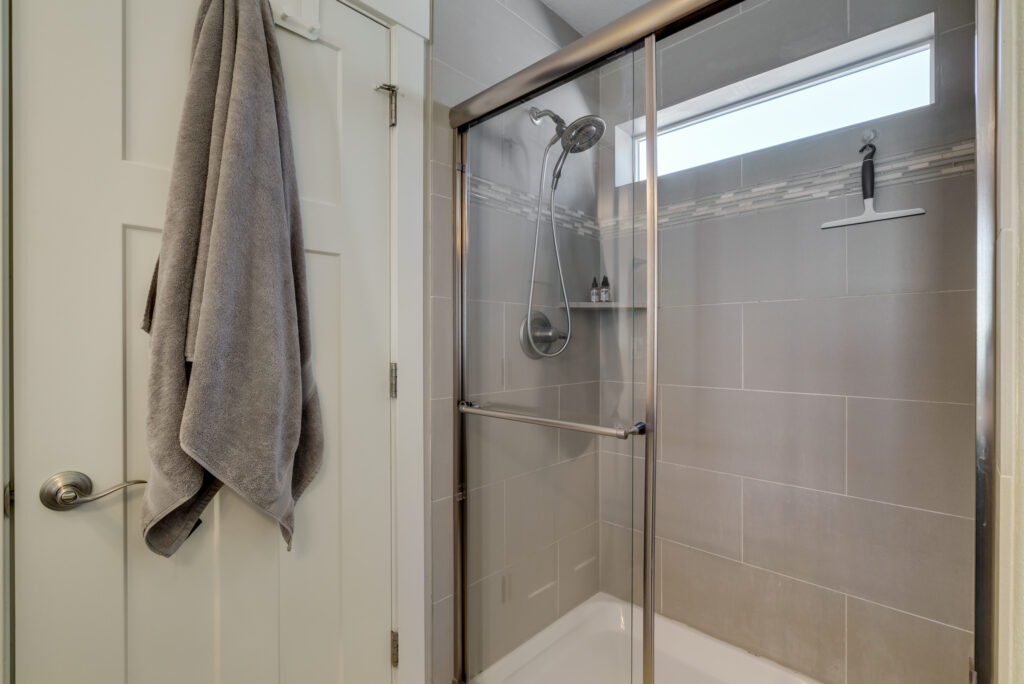
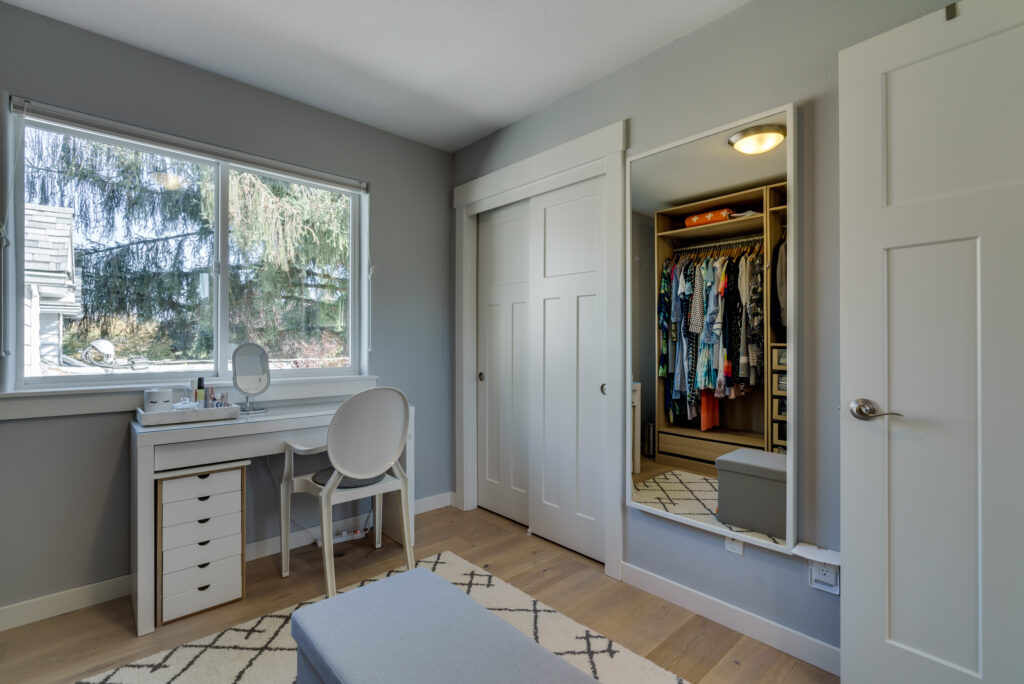
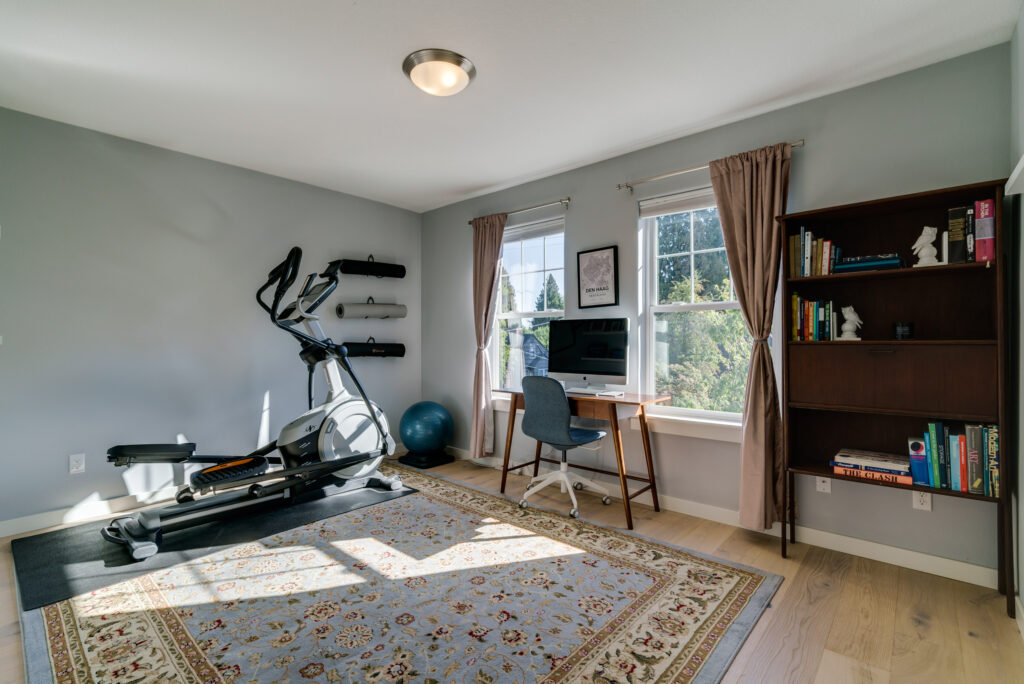
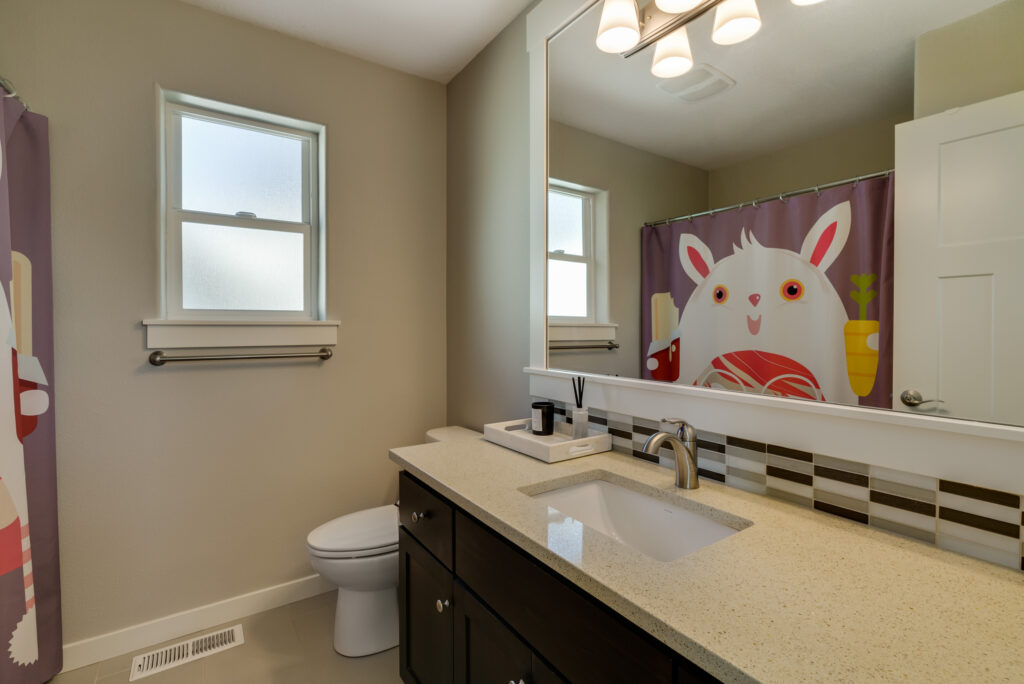
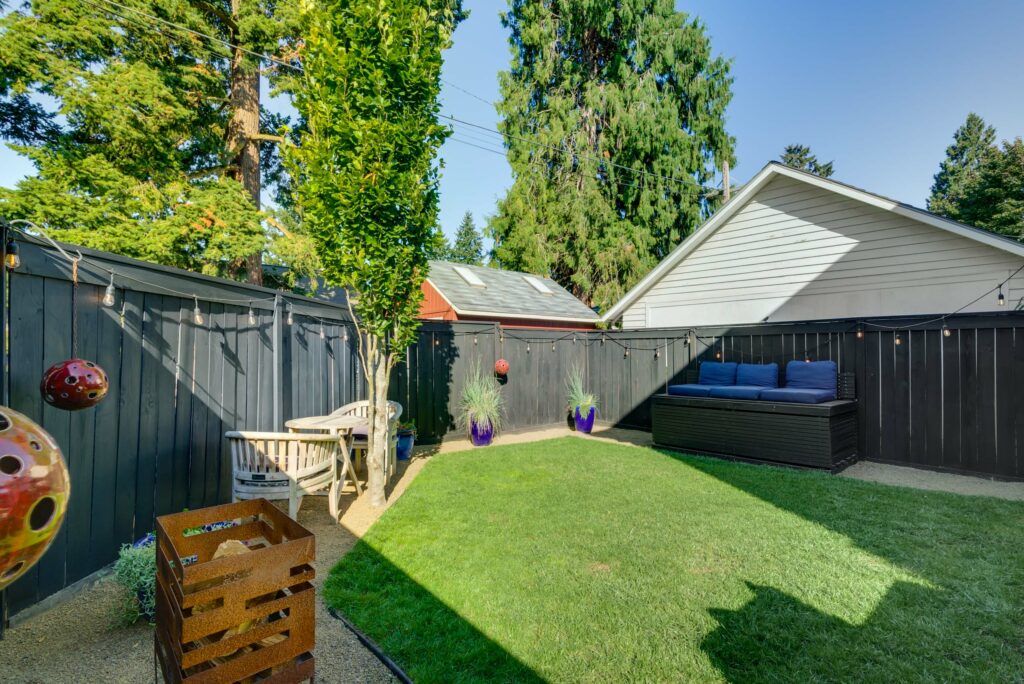
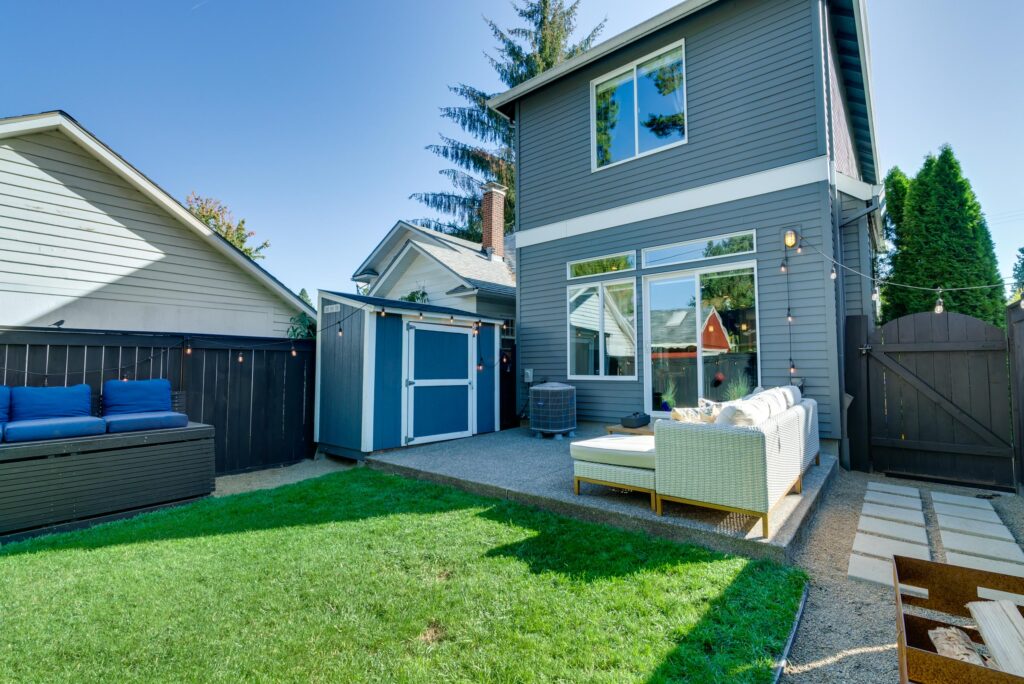
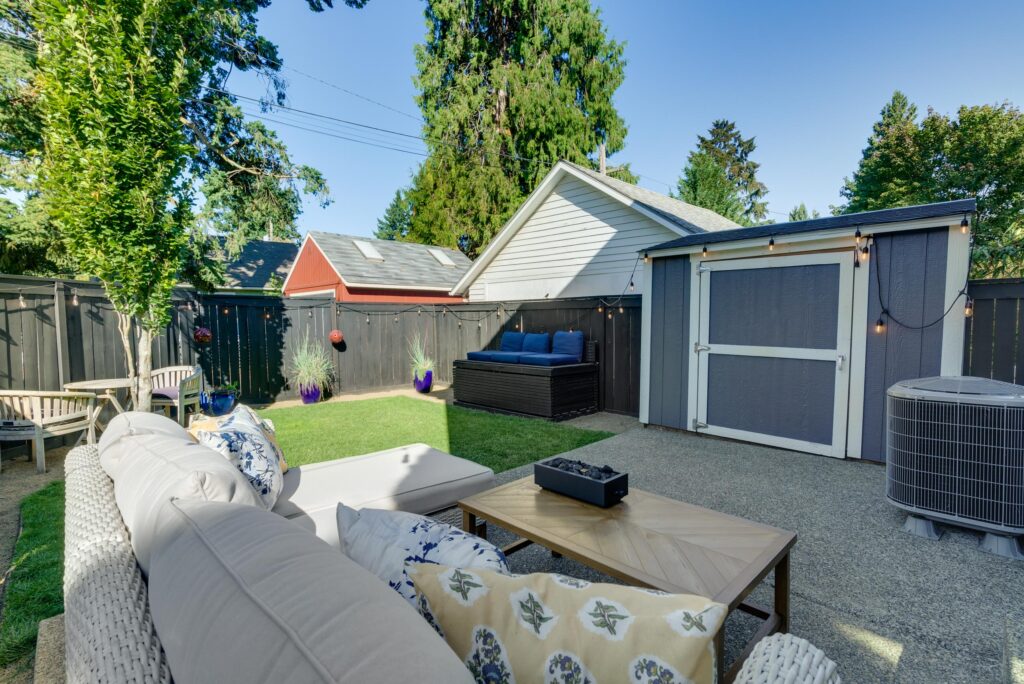
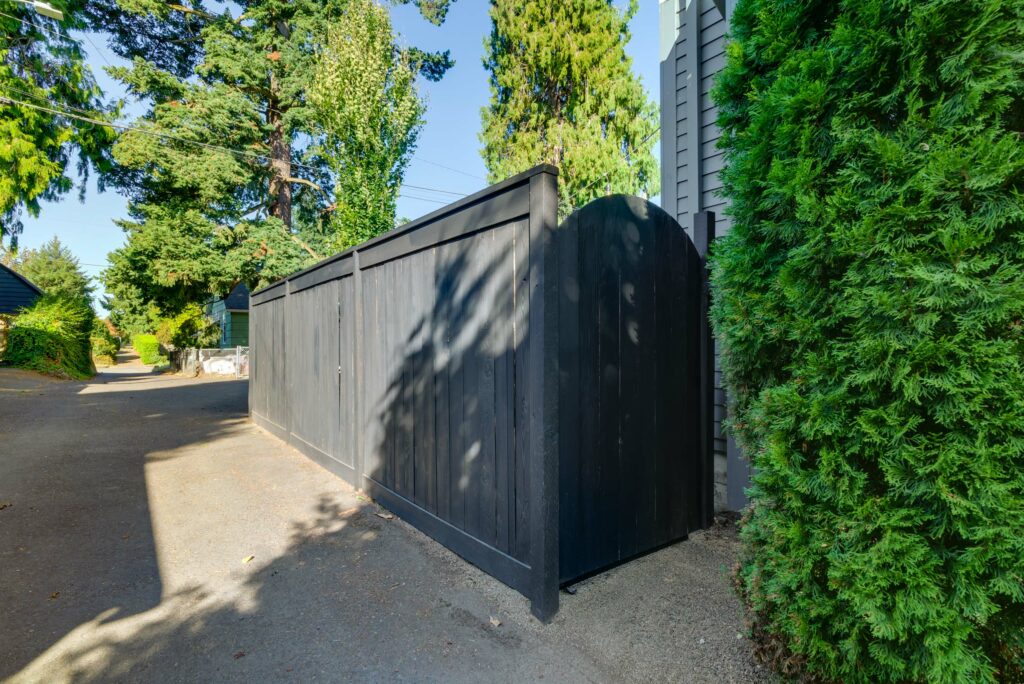
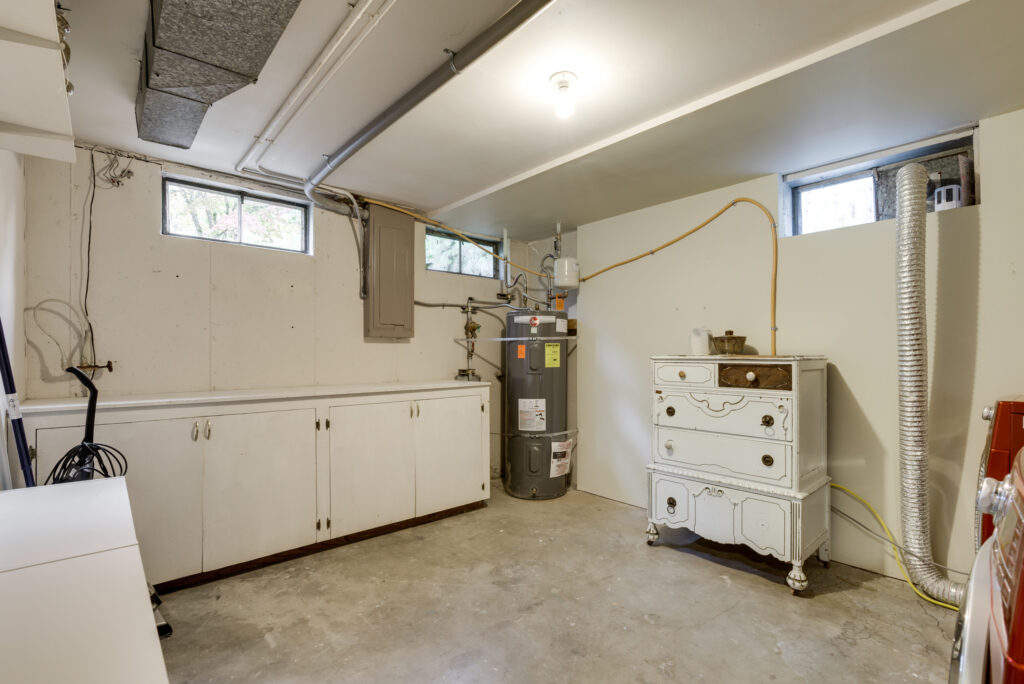
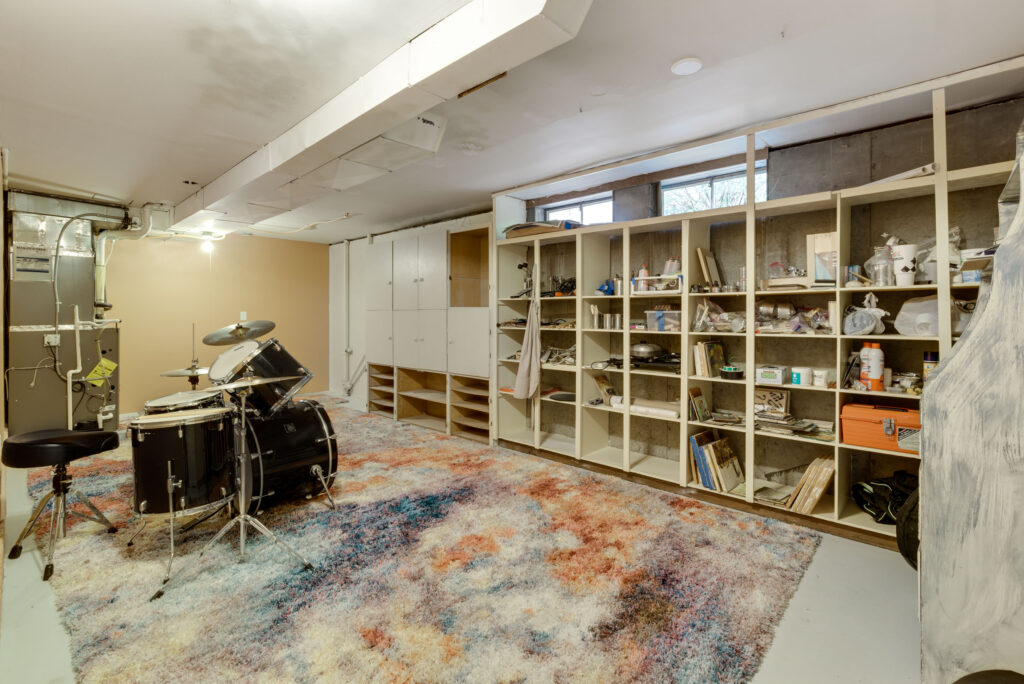
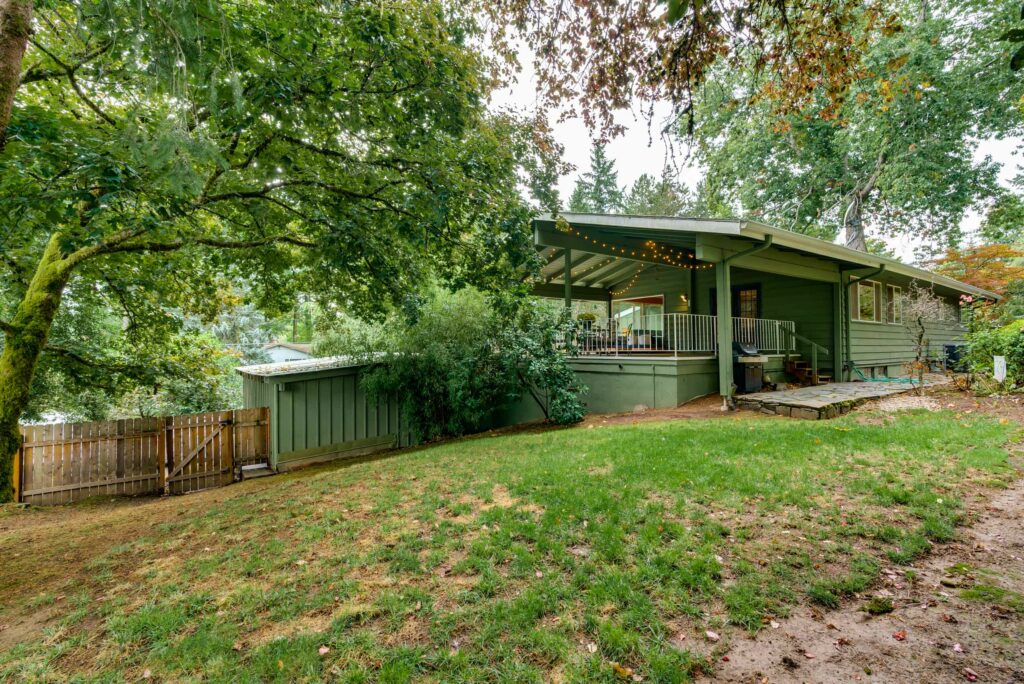
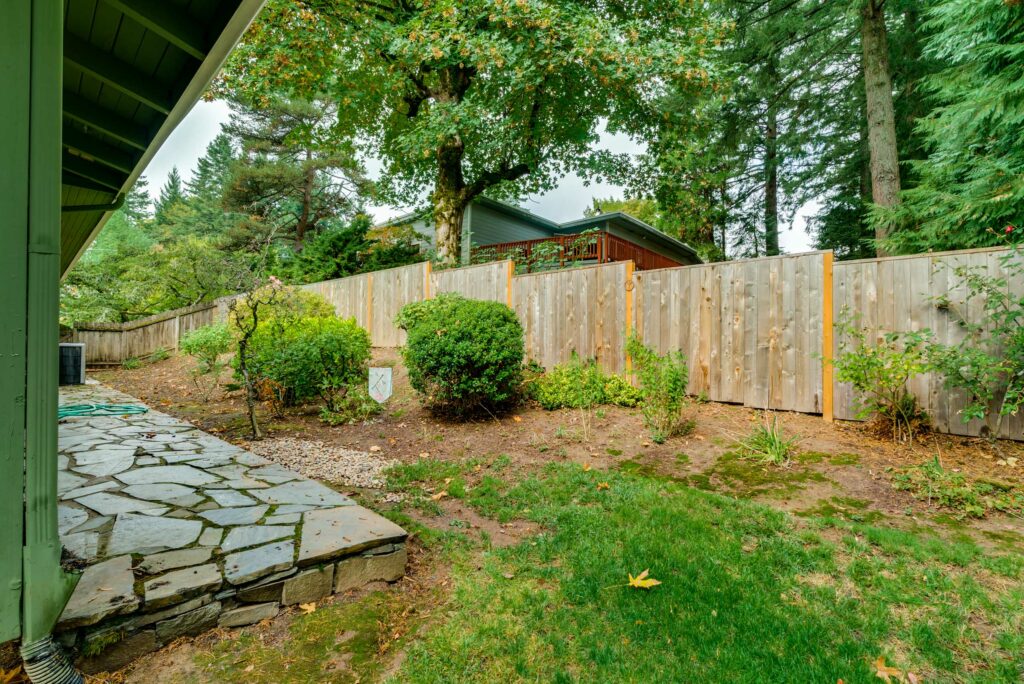
 Four years ago I helped my client Matteo purchase his first home in Portland in Rose City Park after he recently moved to Portland from New Orleans. As an artist and stylist, he has a habit of buying and renovating homes, using his house as a palette for his talents. After four years living in his Rose City Park home, he was ready for a larger home with adequate studio space and further east to be closer to his job as a paintings teacher. He loves mid-centuries and we spent a few months looking at possibilities. He came so close to putting an offer on a home with a pool in Ventura Park, but decided at the last minute that he was basically buying a pool that came with a house, rather than the other way around.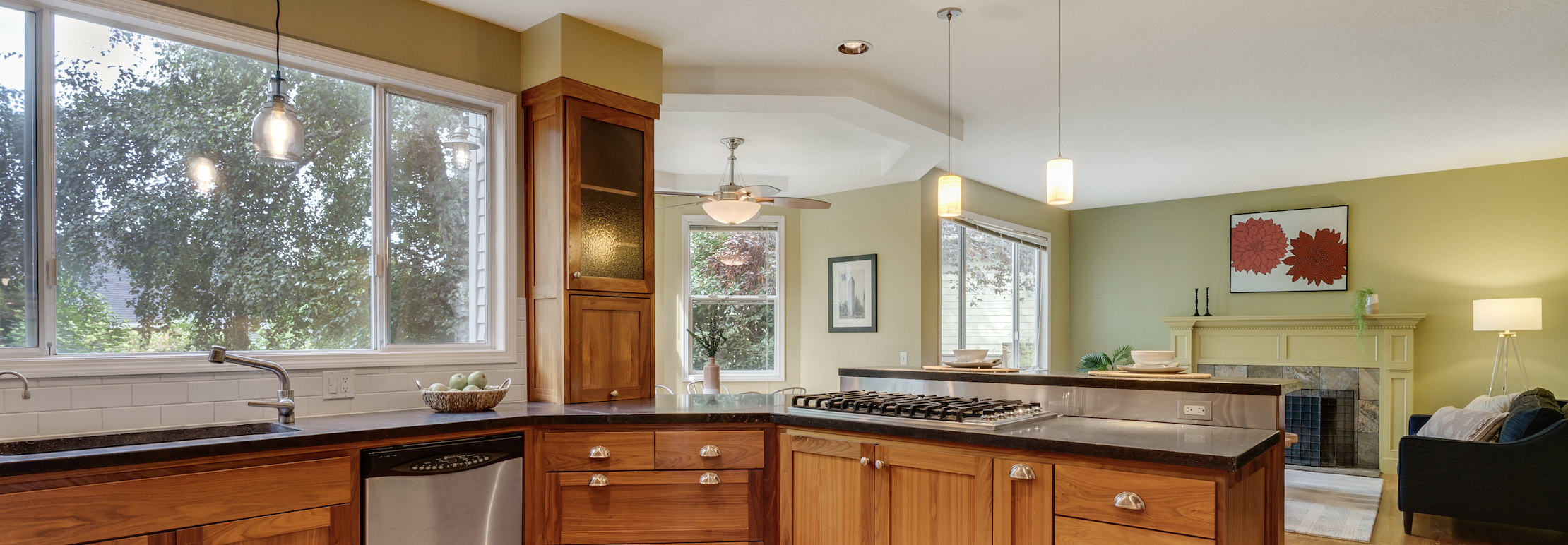
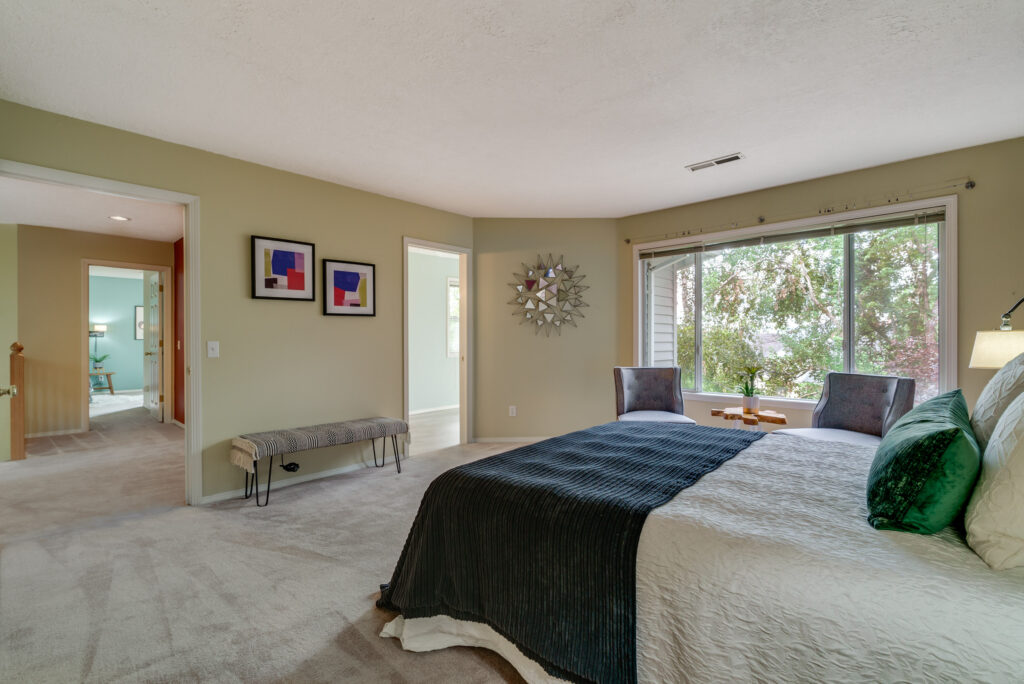
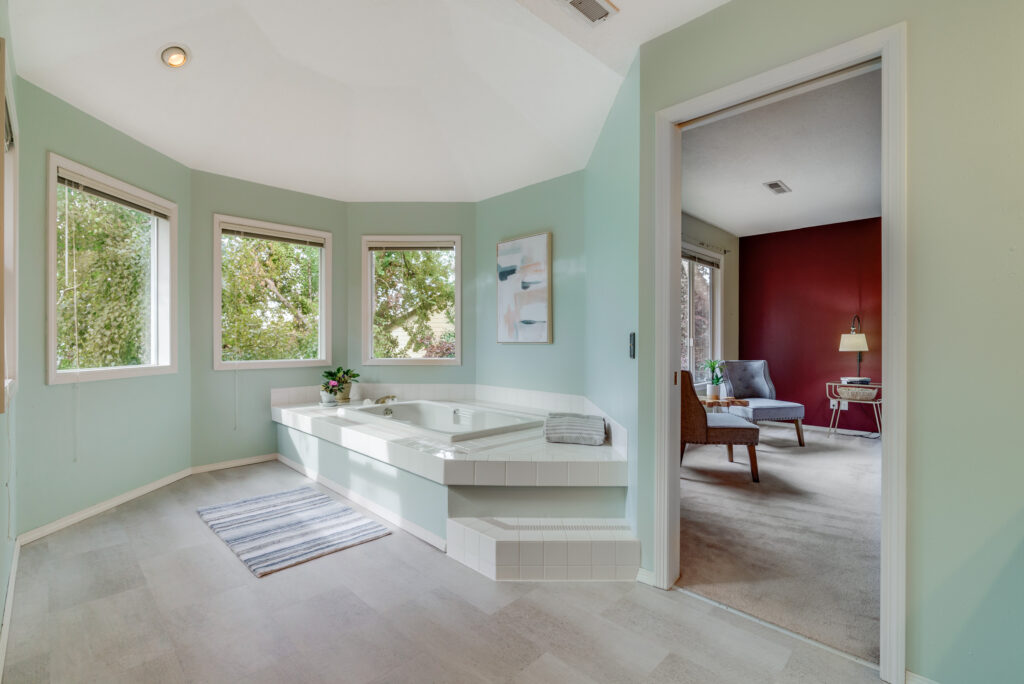
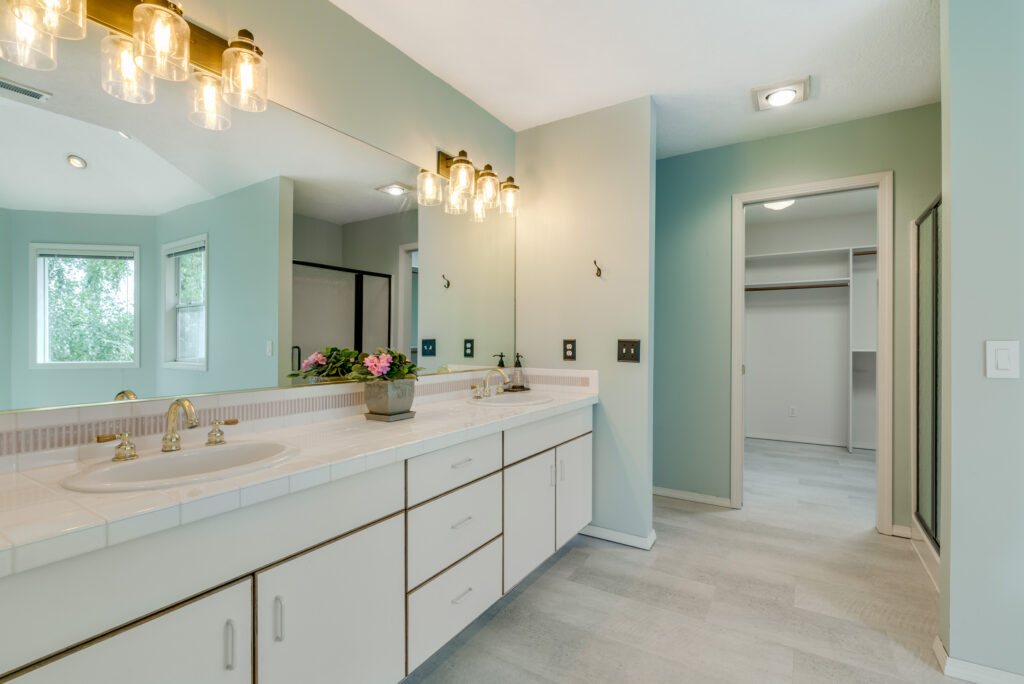
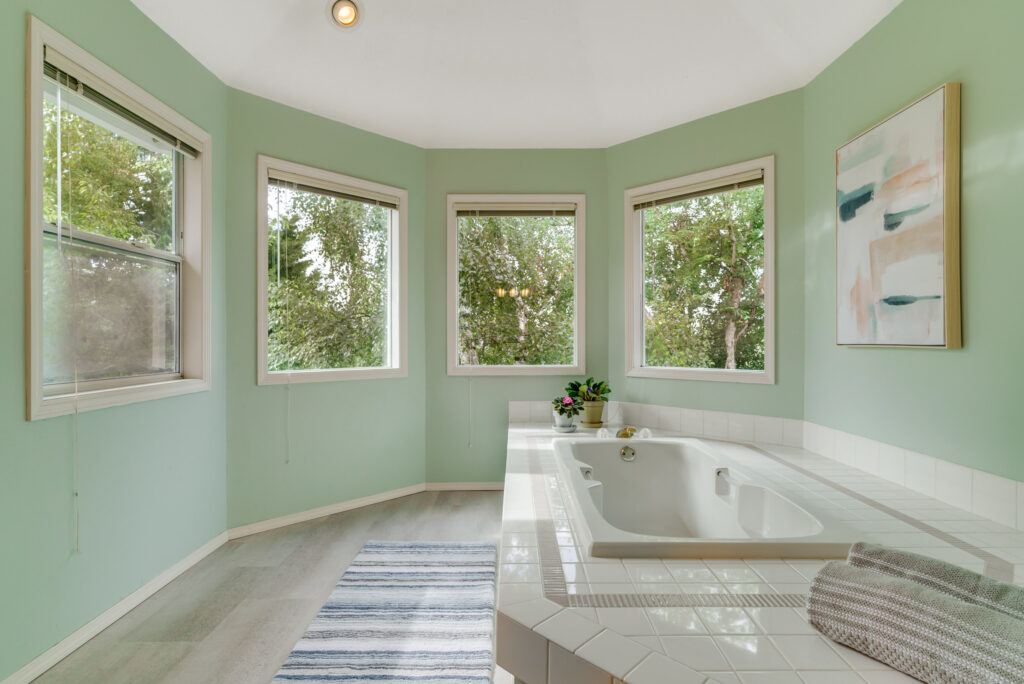
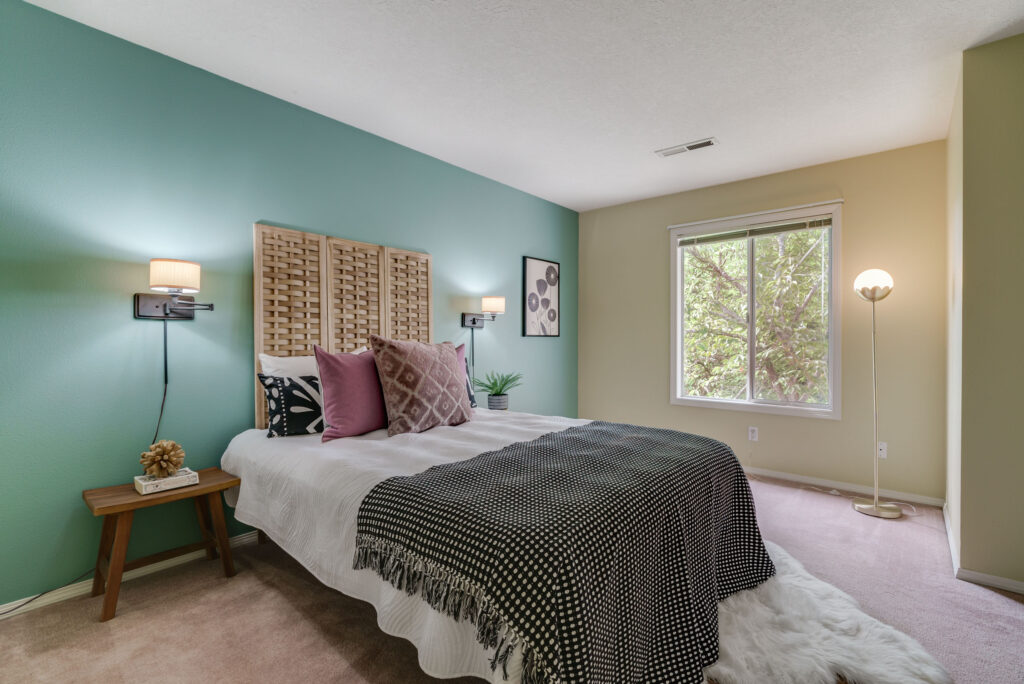
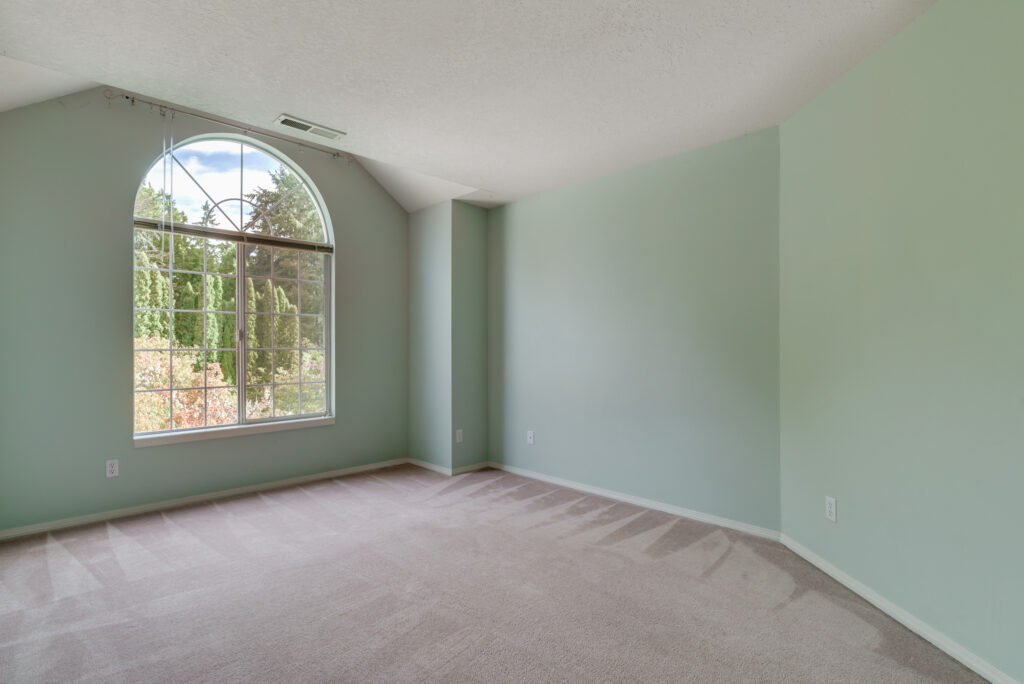
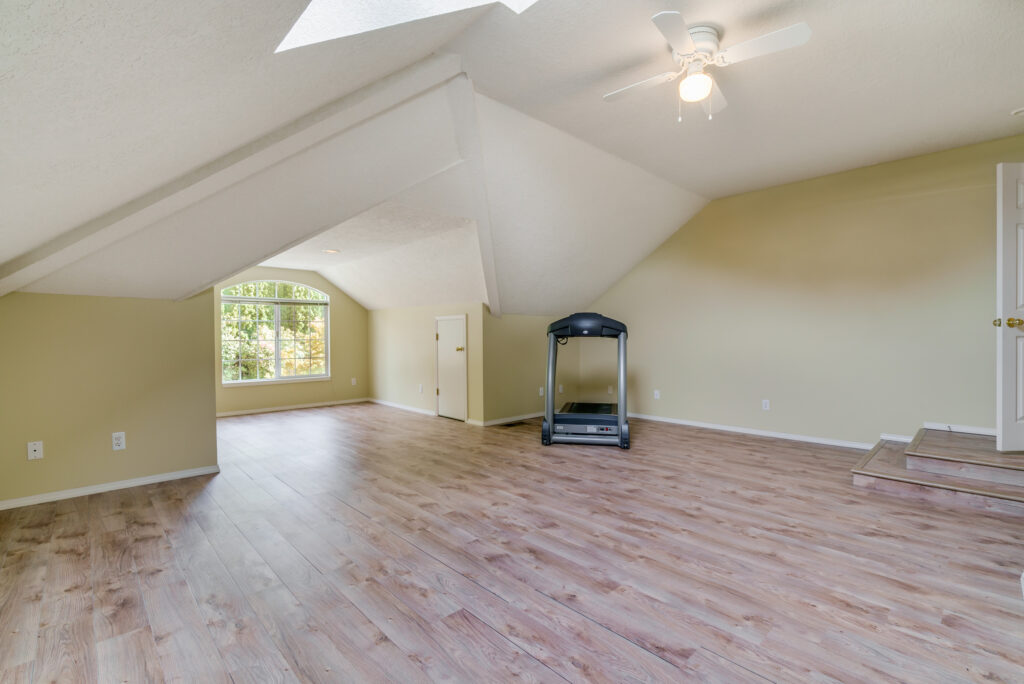
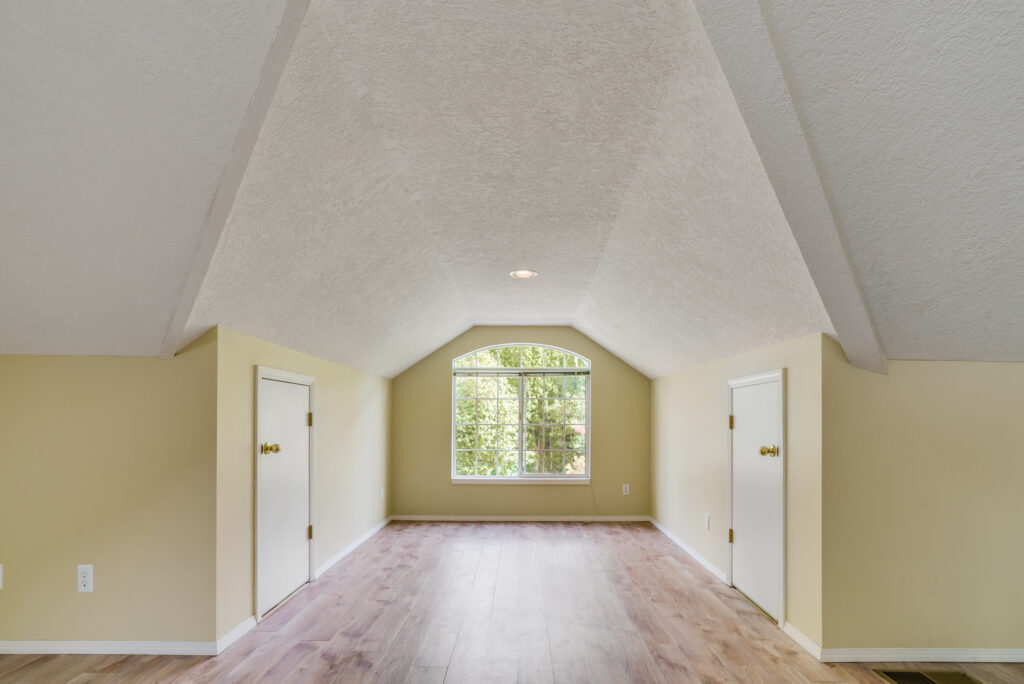



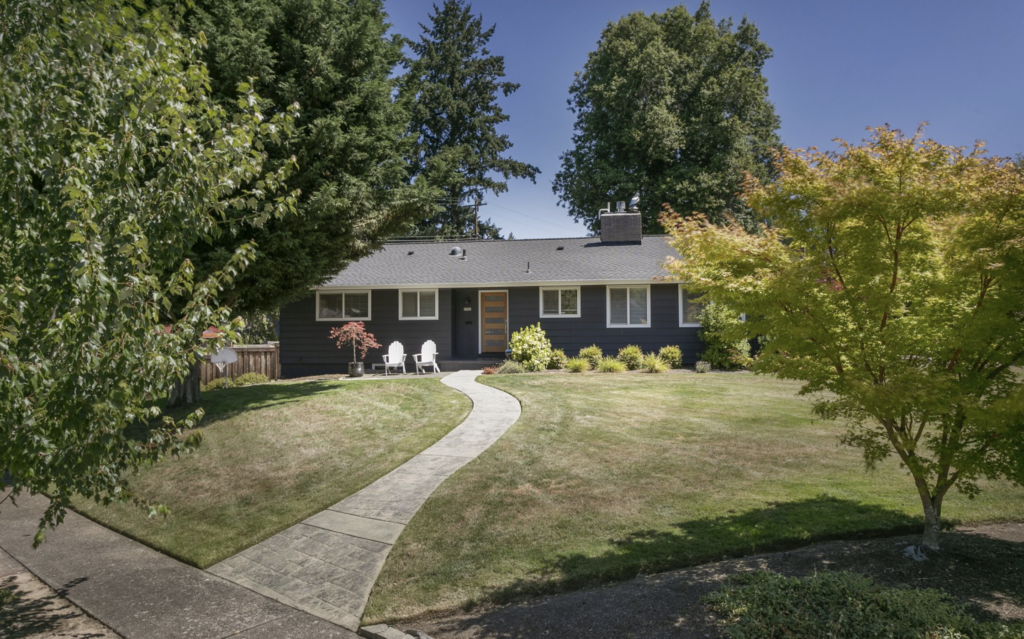
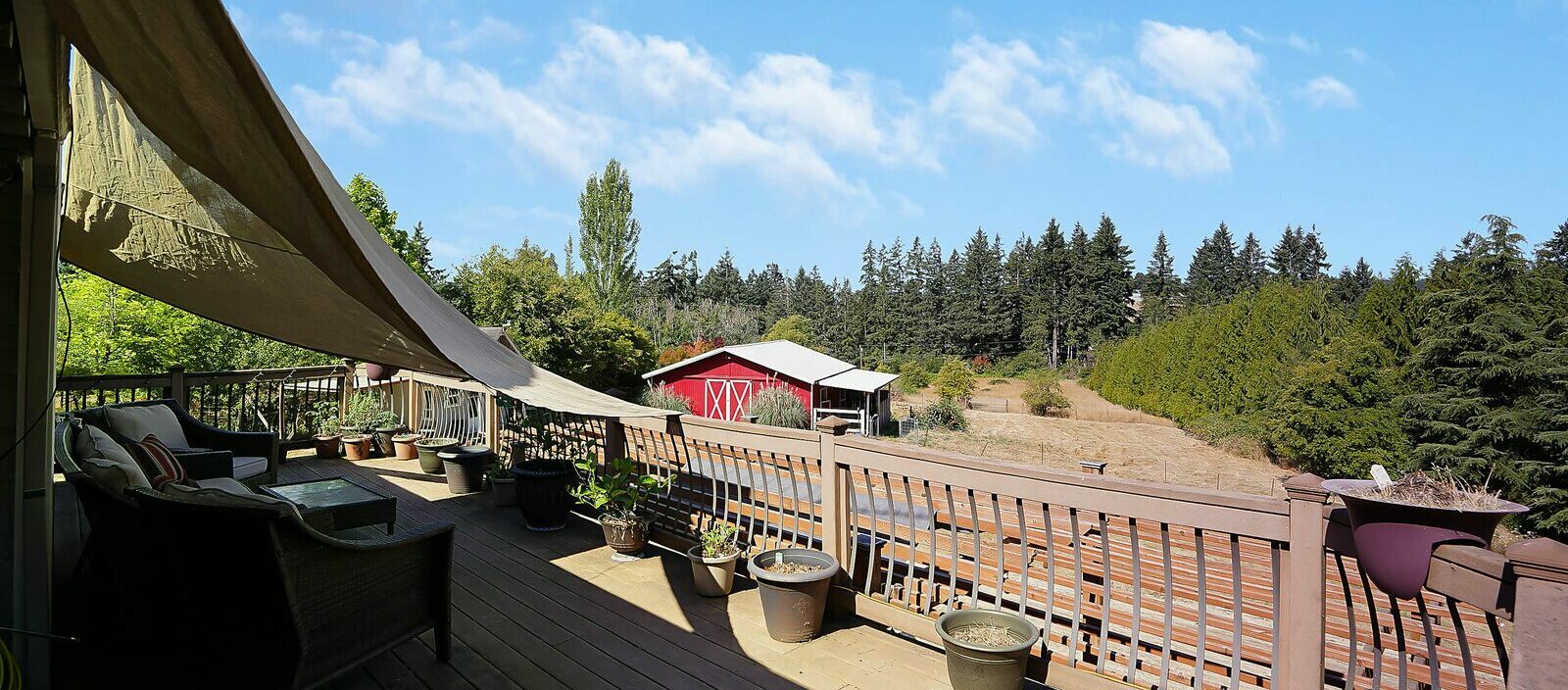
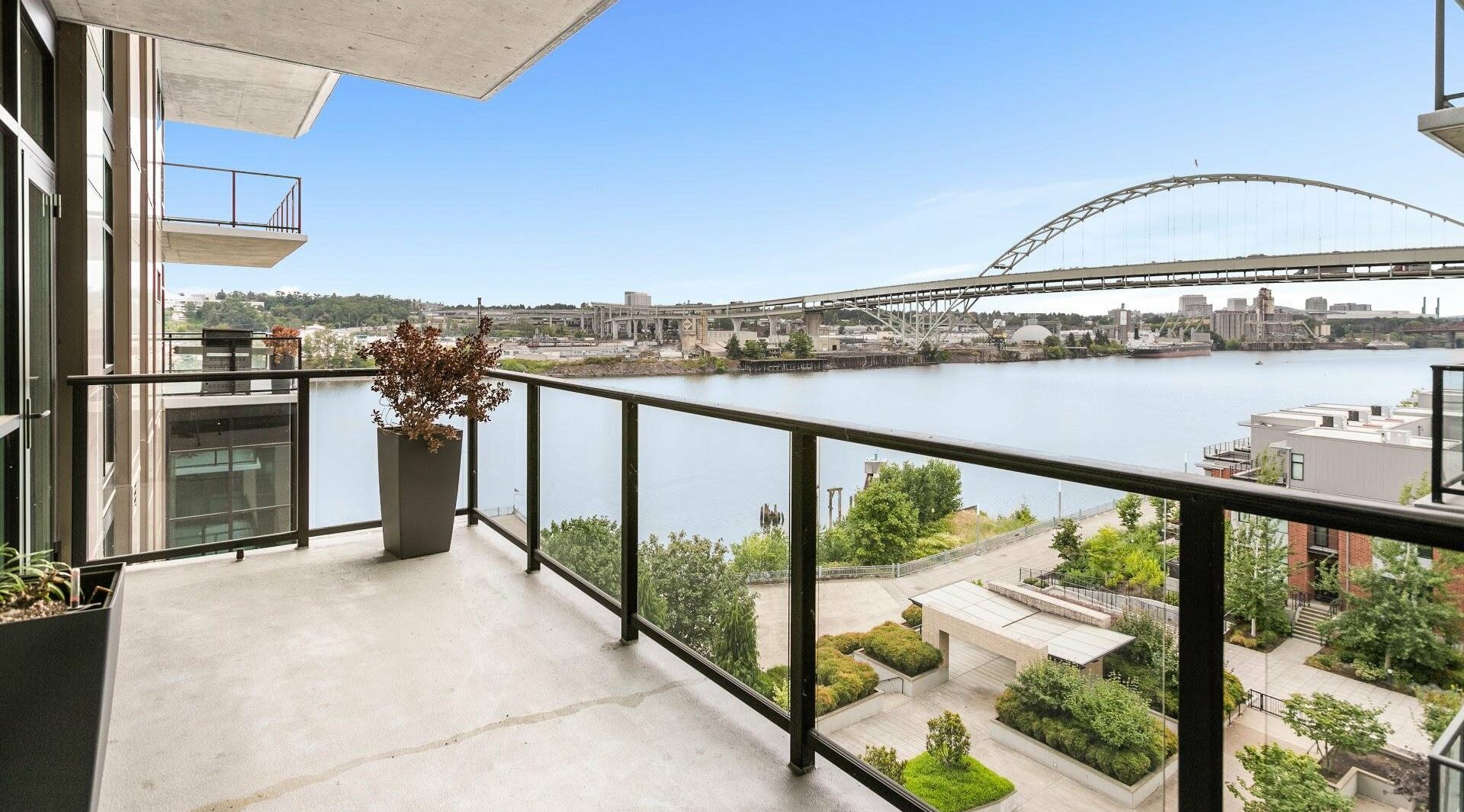
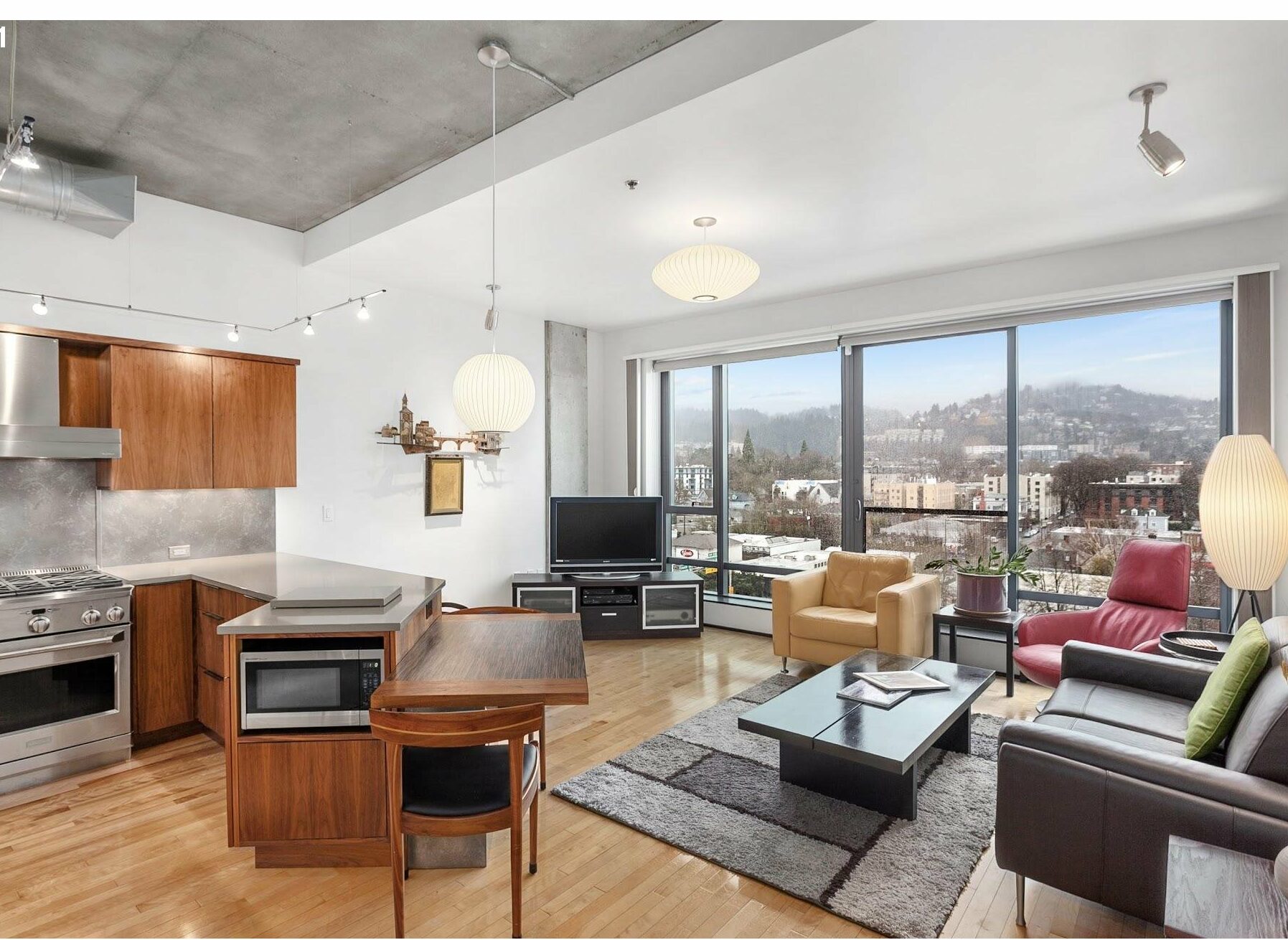
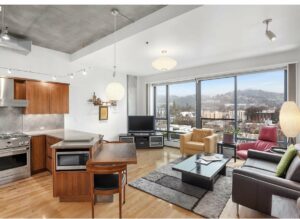 If there is one part of the Portland market that’s not hot right now, it’s condos downtown and in the Pearl District. The Covid buying frenzy really focused on detached single family homes with yards. Communal living where you have to walk into an enclosed building and then take an elevator to your front door was the exact opposite of what the majority of buyers have wanted over the last year and a half. So for those folks who DO want to own a condo in the Pearl, the neighborhood is a pool full of fat oysters where buyers can take a while to look around be picky about what type of unit they want.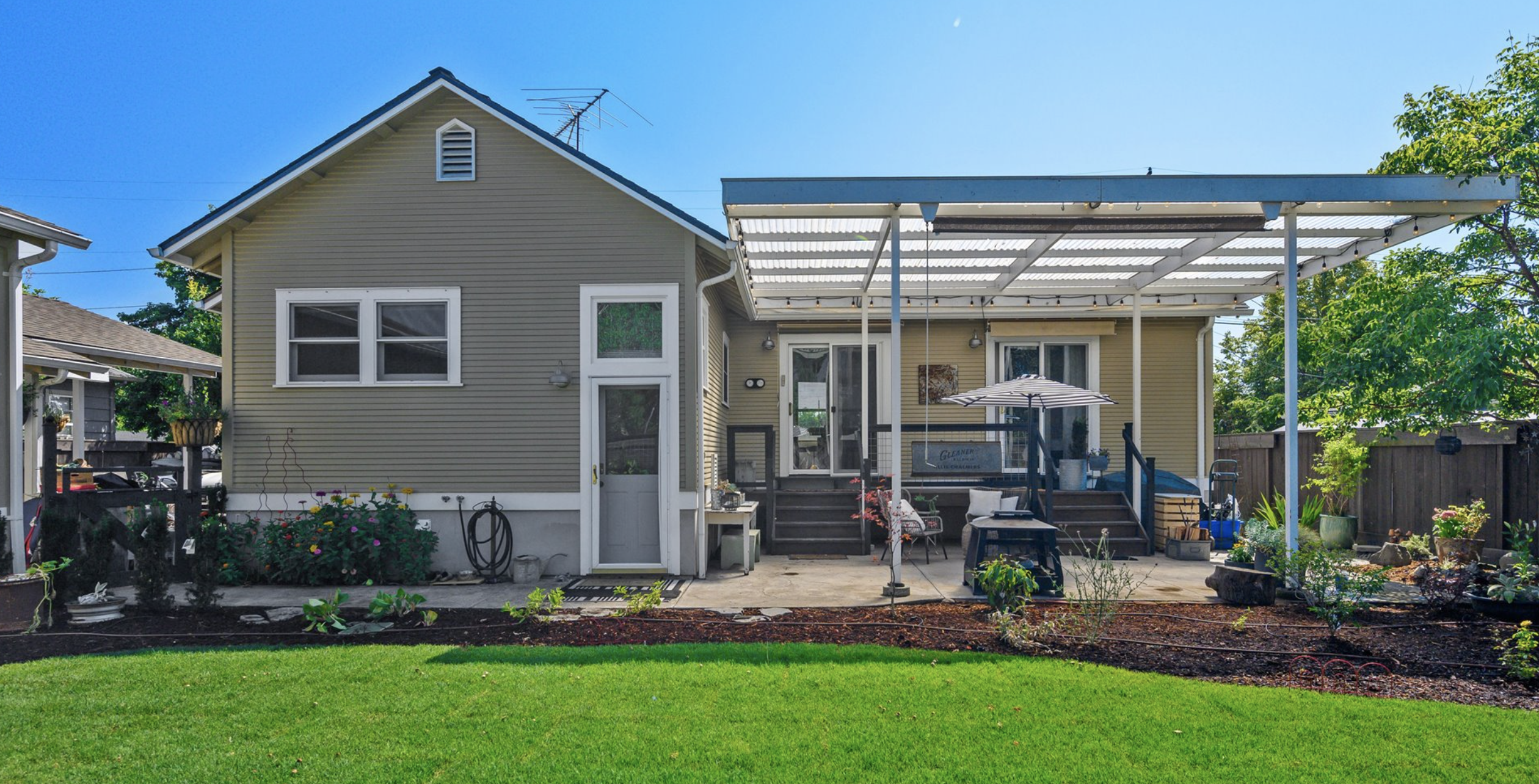


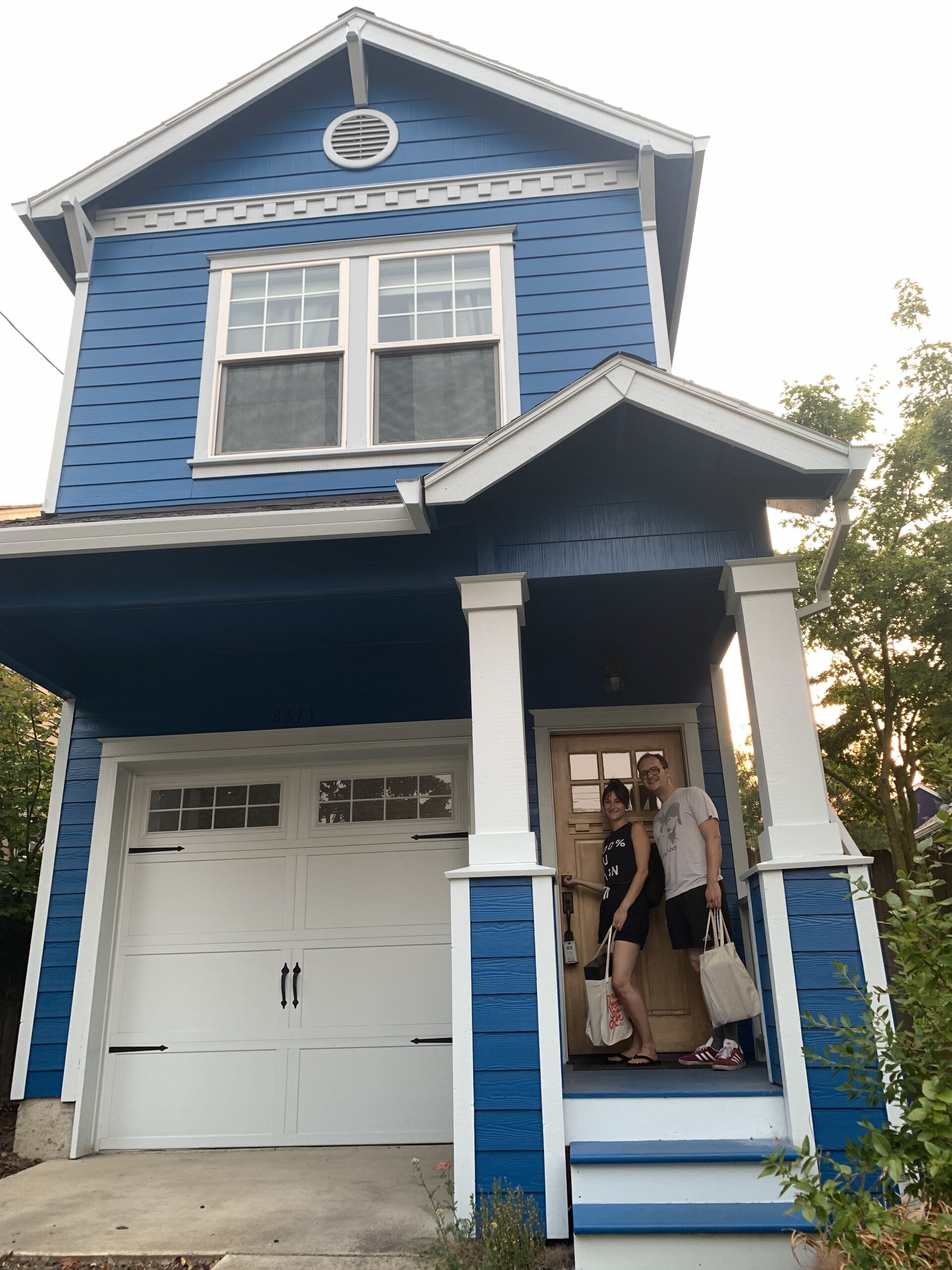
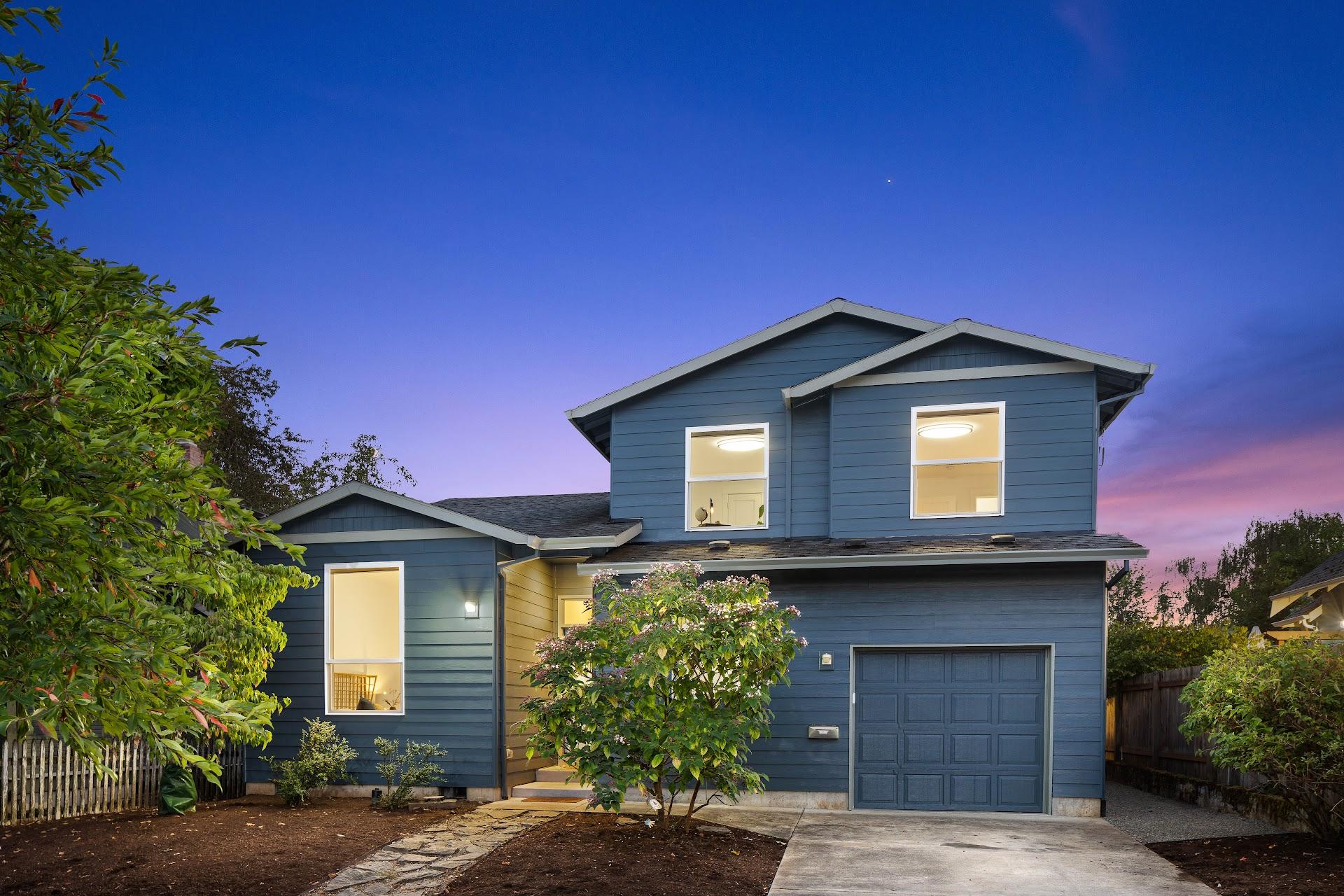
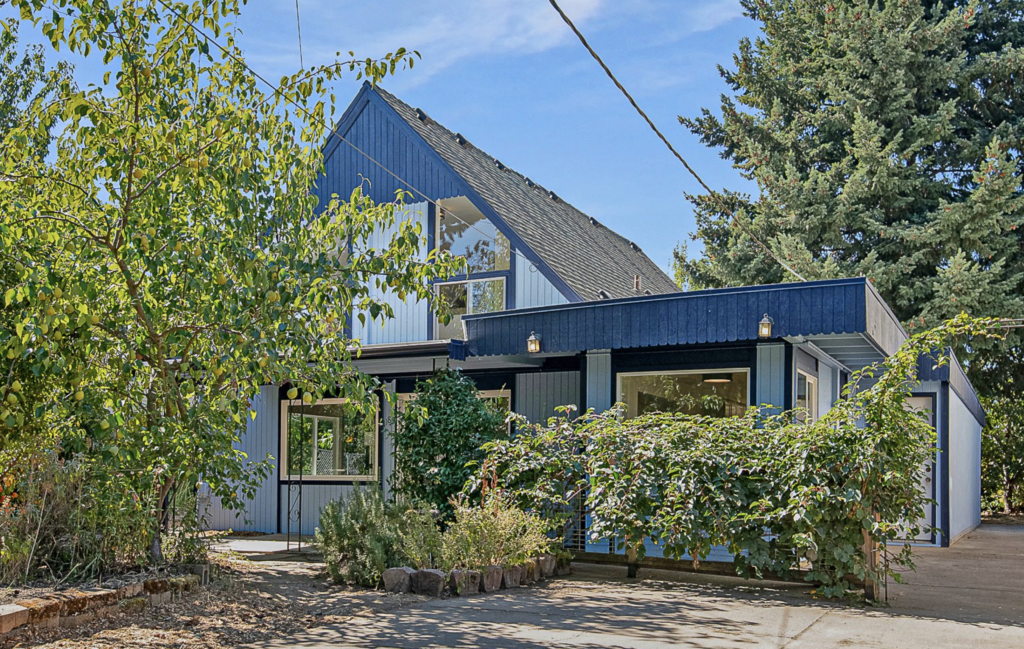
 Congratulations to my clients Rachael and Zak who just closed on closed on this blue mod skinny in Portsmouth! From the outside it appears to have a similar interior layout as the other 1,000 skinnies, but what sets this one apart is the nearly 20 foot tall ceilings in the living room. The design on this house has the 3 bedrooms upstairs, but the living room is opened up so that the upstairs hallway overlooks the living room. Because of this design, the light in this house is incredible. Rachael and Zak knew they wanted a house that didn’t need any work and had at least a small private yard, and this house is all that and more.