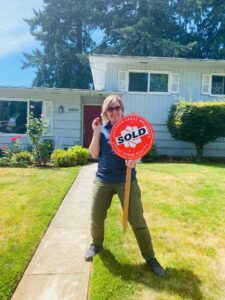
In Portland, Oregon’s shifting 2025 real estate market, we are seeing many pending homes come back on the market, but this has not been the experience for our clients. Our team has guided clients to seamless closings with a 96% buyer-side closing rate on their first home in escrow.
One segment of the market is experiencing high days on market, price adjustments and deal failures. While another segment, in many neighborhoods throughout Portland, has sparked fierce competition… How do you know which market you are looking in?
Our clients have experienced both segments and moved forward with confidence. We build trust in our knowledge by educating, and thoughtful counsel to empower clients to make confident decisions! This way creates success for all parties – making it to closing!
Portland’s 2025 Market: Challenges and Opportunities – 2025 has been the tale of two markets.
Whether our clients were looking for a fixer, something in need of cosmetic updates, or a home updated to the nine’s, our clients wrote well-informed, strong offers, with terms to favor all parties and provide a higher surety to close. This “eyes wide open” approach has served our clients well year over year, no matter what the current market conditions are.
All markets have their challenges and opportunities, having an experienced real estate team helps you keep your finger on the pulse of the market, and avoids the common pitfalls experienced in all markets. We have over 80 years of experience on our team – We know the current market trends, and the micro trends from week-to-week and neighborhood-to-neighborhood. This knowledge base is the foundation to our success and our low sale fail rate, no matter what the market is doing, our team is tapped in and knows how to help you navigate it.
After interviewing leading local lenders, that we have worked with for several years, the common theme they talked about was how many escrow terminations they have been experiencing in 2025. They reported clients sometimes experiencing 2-4 terminations, which not only cost buyers money, but is an emotional roller coaster that can be avoided. This has not been the experience our clients have had: YTD we have closed 26 buy-side sales with 96% of clients avoiding the emotional roller coaster of discovering the home was not what they thought it was, which increases the odds of termination. Tale of two markets – yes! This year’s accepted offers have ranged from 12.5% below to 17.5% above the current listed price, we simply know where to push and negotiate on your behalf at a high level for optimal results. Our team consistently maximizes results for clients, landing buyers in long-term homes at a great value, even when competitve—year after year.
Eyes Wide Open: Avoiding Pitfalls – Our edge? Empowering you before the offer.
We analyze market trends, property histories, and common era-specific challenges, alongside specific education pertaining to each individual home to craft informed offers. This “eyes wide open” approach minimizes inspection surprises, making the “under the microscope” phase easier for the buyer to glide through because surprises are rare – we have talked about these things over and over so they simply are less scary.
No matter how much you love the wrapping paper – we’re not afraid to counsel you out of a home based on condition, long term needs, or unchangeable elements that may limit the years your home will provide you – all before putting pen-to-paper! Any home a client considers is assessed against readiness to take on the condition, unchangeable versus changeable concessions, and longevity in the home, upfront. No matter how cute or functional the home presents to be, we’ll flag potential costs and educate on the overall condition/potential needs before you choose to move forward with an offer. If it doesn’t suit your budget, comfort, or long-term needs we counsel you, empowering you to make an informed decision, ensuring confidence along the way.
Why Our Clients Glide to Victory – Empowering clients with information!
Our 96% close rate on the first house reflects strategic guidance. We craft winning offers, spot issues early, and negotiate repairs and timelines to keep deals on track. In a market of higher interest rates, economic uncertainty, and hesitancy, people still need and want homes – there is no “bad market” – there is only “the market,” and deciding if this market with its advantages and challenges is the right one for you is our goal! We help you decide whether to enter or wait – because you finding the right path is our #1 goal – not the sale. This philosophy guides our buyers to secure optimal dream homes when they are prepared, with no pressure.
Ready to navigate Portland’s market? Our education-first approach ensures you glide over the finish line. Contact our team to buy with confidence!
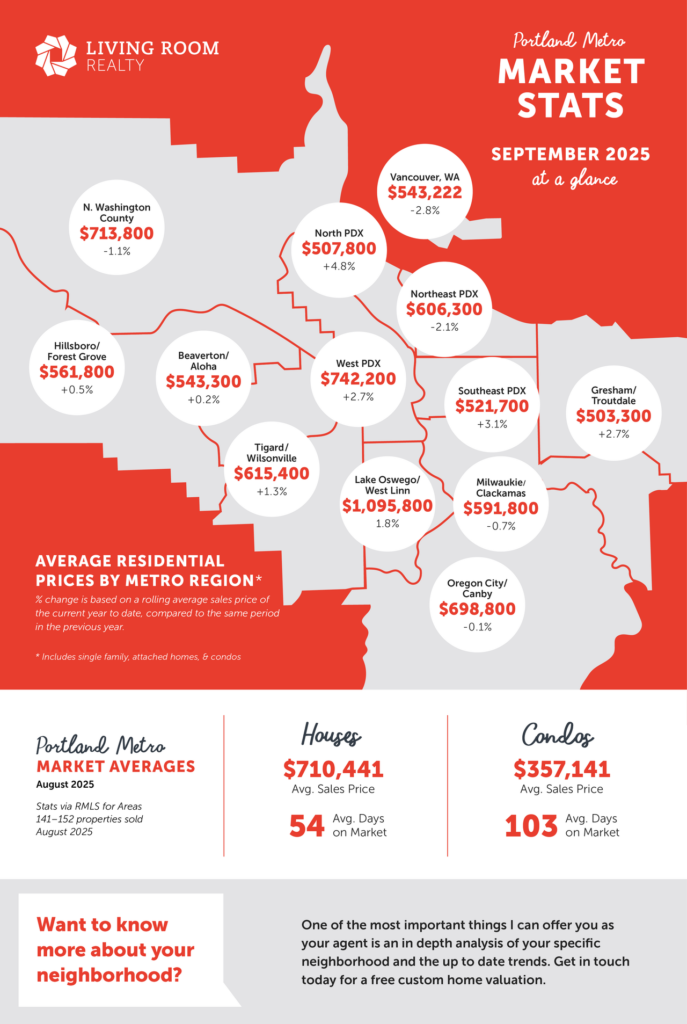
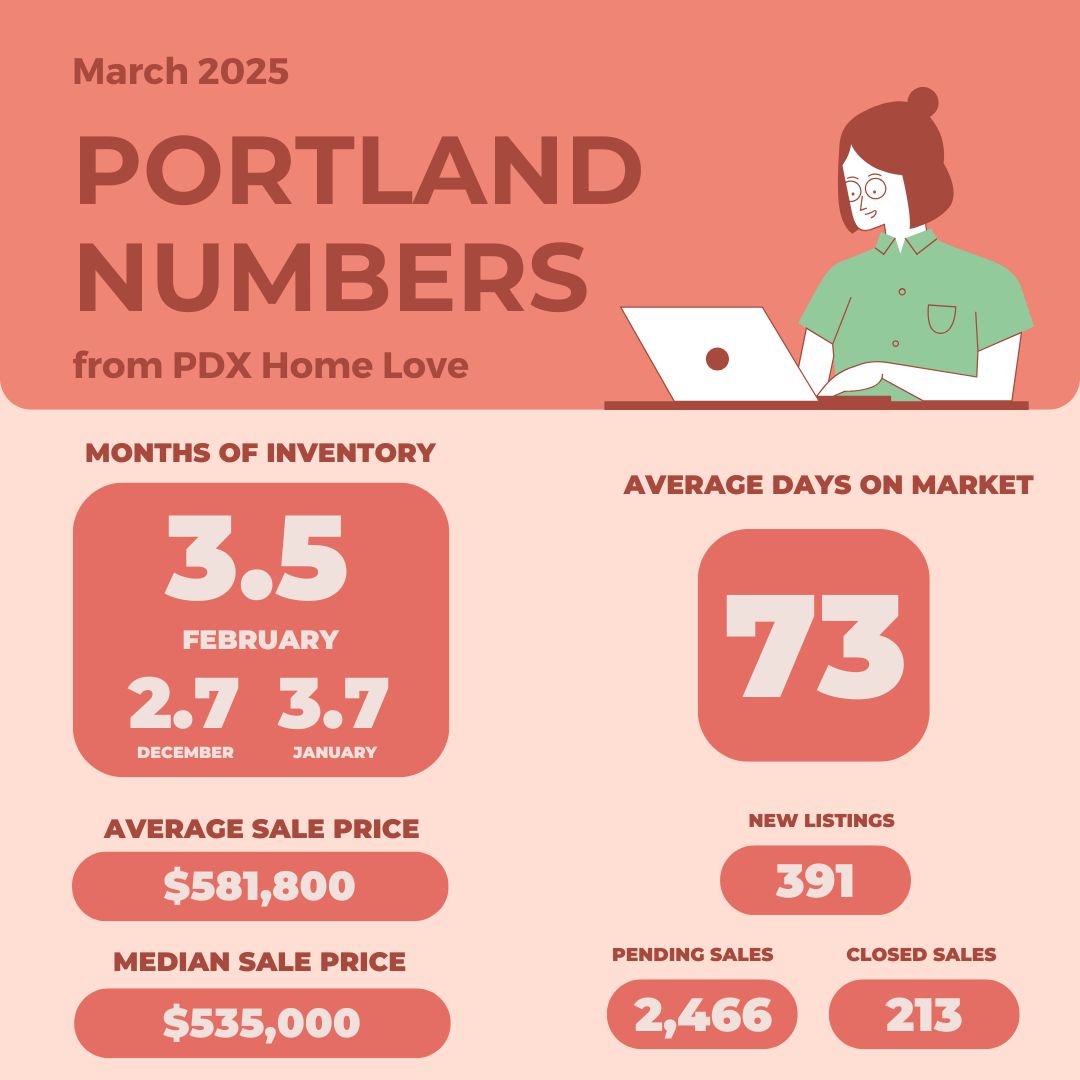
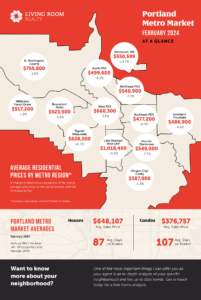
September 2025 Market Stats
KEY TAKEAWAYS:
Pending sales increased 10.9% from August 2024, and grew 4.5% from July 2025. This recent uptick bucks the 2023, 2024 annual trend of slowing Pendings during this month. Rates stalling or falling recently has stimulated the buyer pool. Inventory has been higher this year, meaning more options for buyers when they do act. So buyers found themselves able to locate, offer and contract on homes. This resulted in a year over year increase of 3.3% in Closed Sales in August.
Even though New Listings were down 7.2% year over year, Average Market Time for listings has grown from 52 to 62 days on average. Longer than previous months, this is on trend for this time of year. Also on trend are the Average and Median Sales Prices – up 0.7% ($616,000) and 0.9% ($550,000) respectively. This is a pretty good measure of our demand; steady if not a bit more fragile in this 6% – 7% rate climate. When rates fall an 1/8 or a 1/4, expect that to stimulate the buyer pool almost immediately.
Of note, decades of historical data show us that the average mortgage rate has been 6.48%. No predictions expect 3% rates to return anytime soon. The recent rate cut may stimulate a segment of the market, but historically people continue to wait in hopes of even better rates. With rates hitting a 3 year low this month, the people ready to capitalize now will be ahead of the curve. Recent rate changes point to a market that will react, but acting before the herd will put in a better position overall, even if the rates drop another quarter point.



 Price
Price Condition
 Location
 Layout
 Marketing



































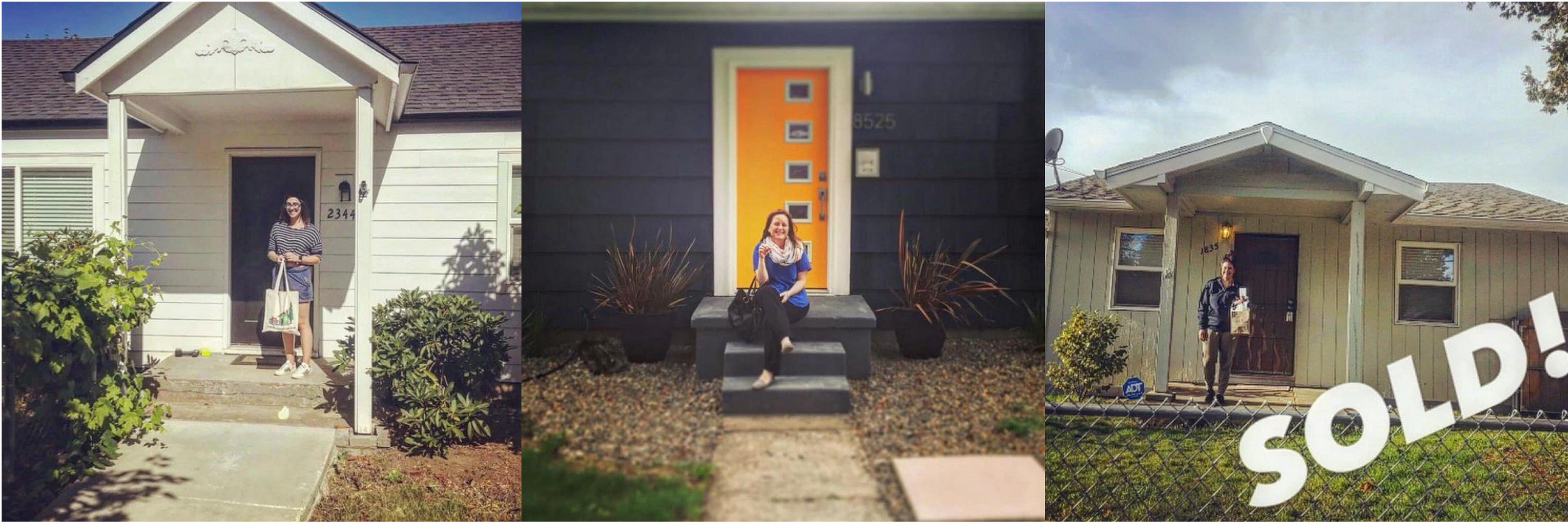

































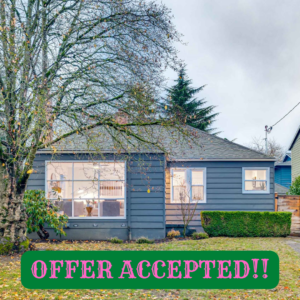













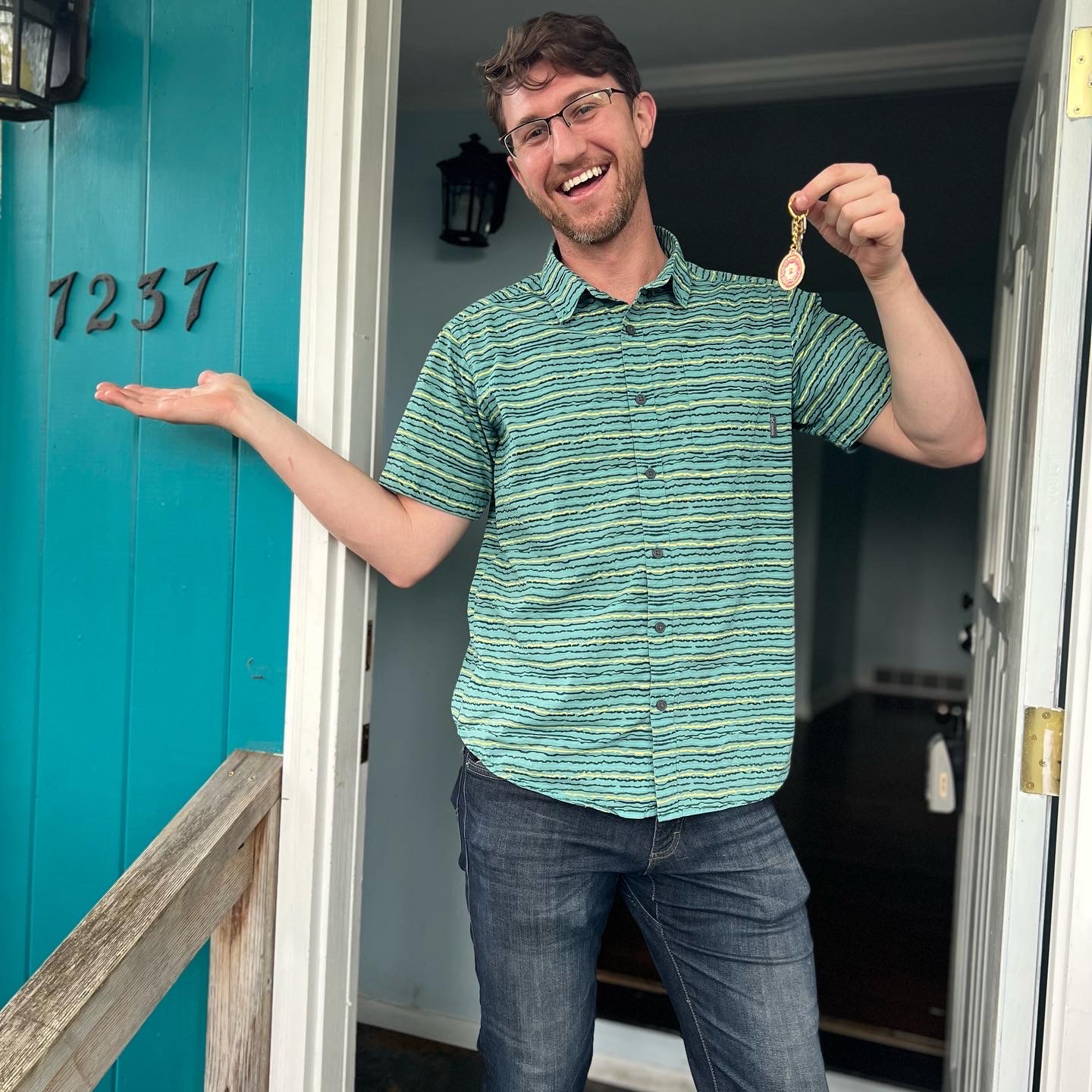
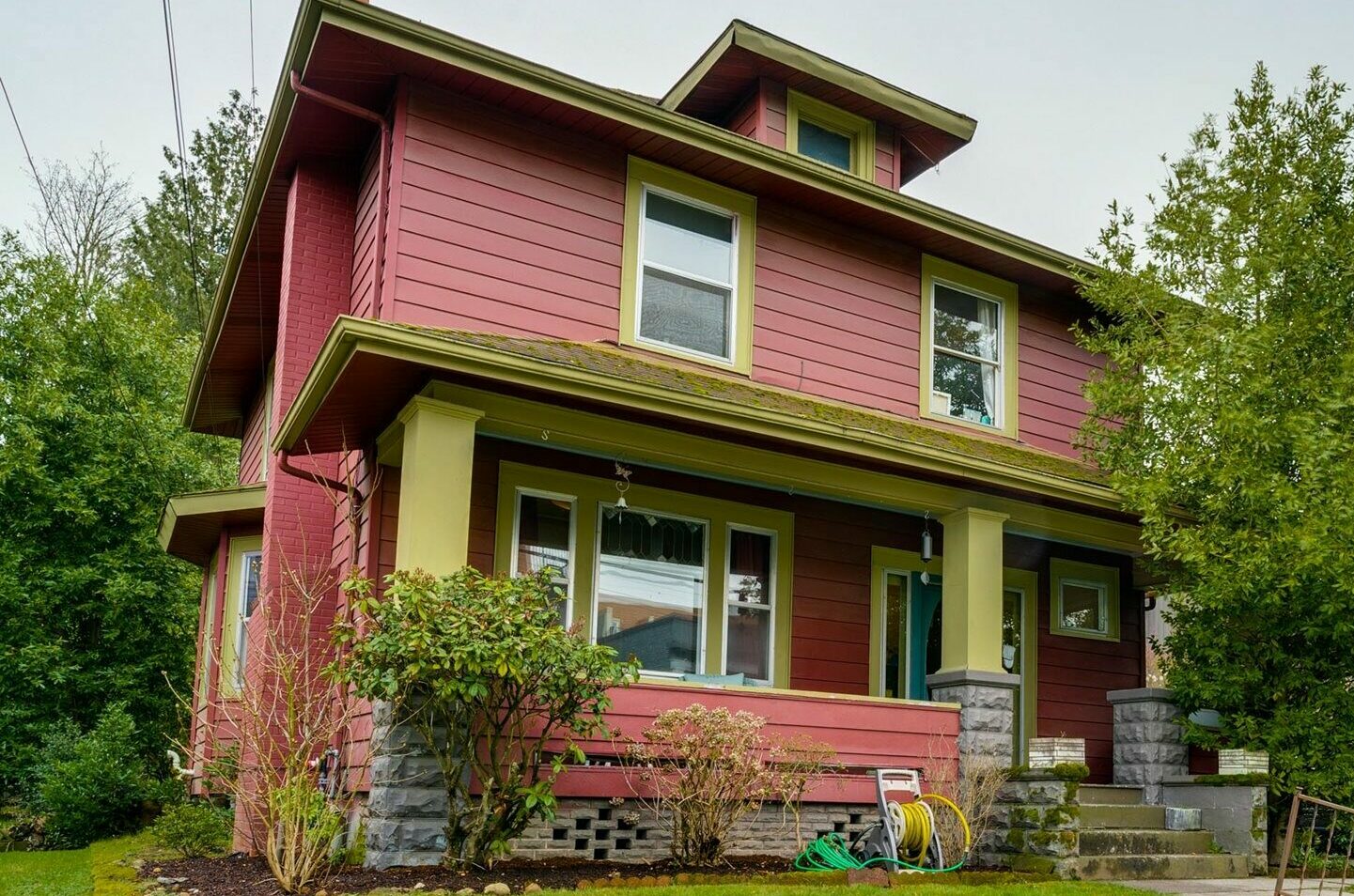









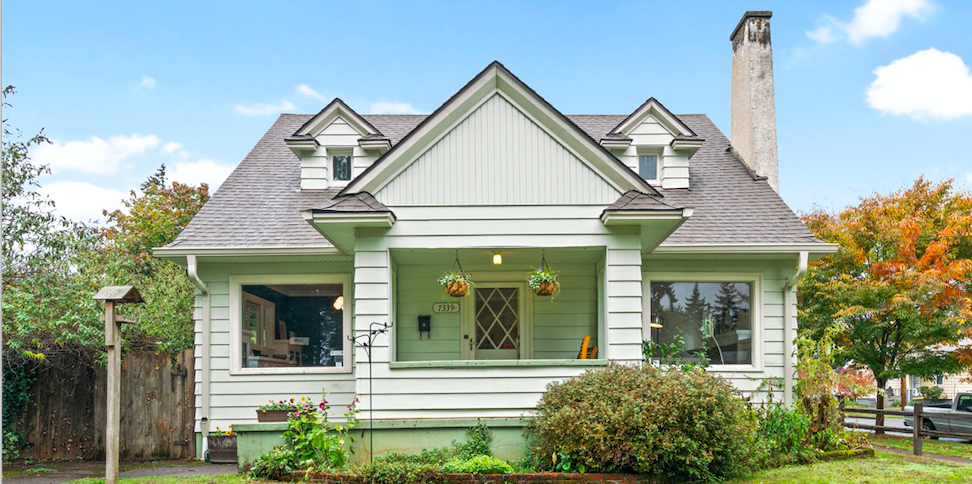
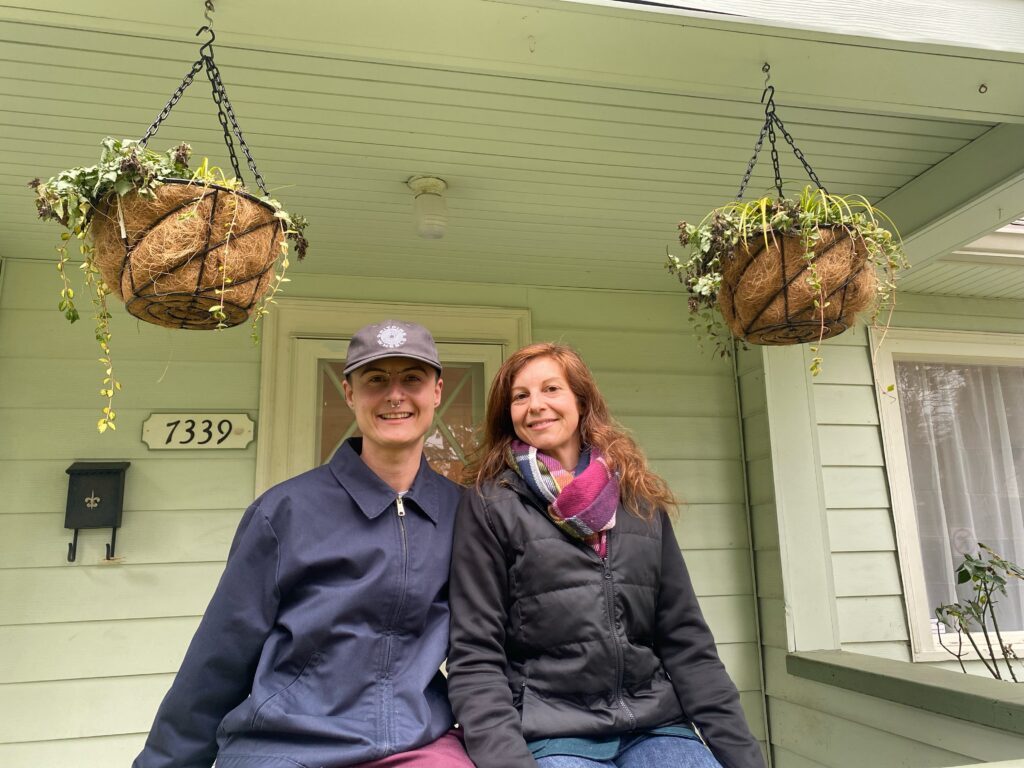
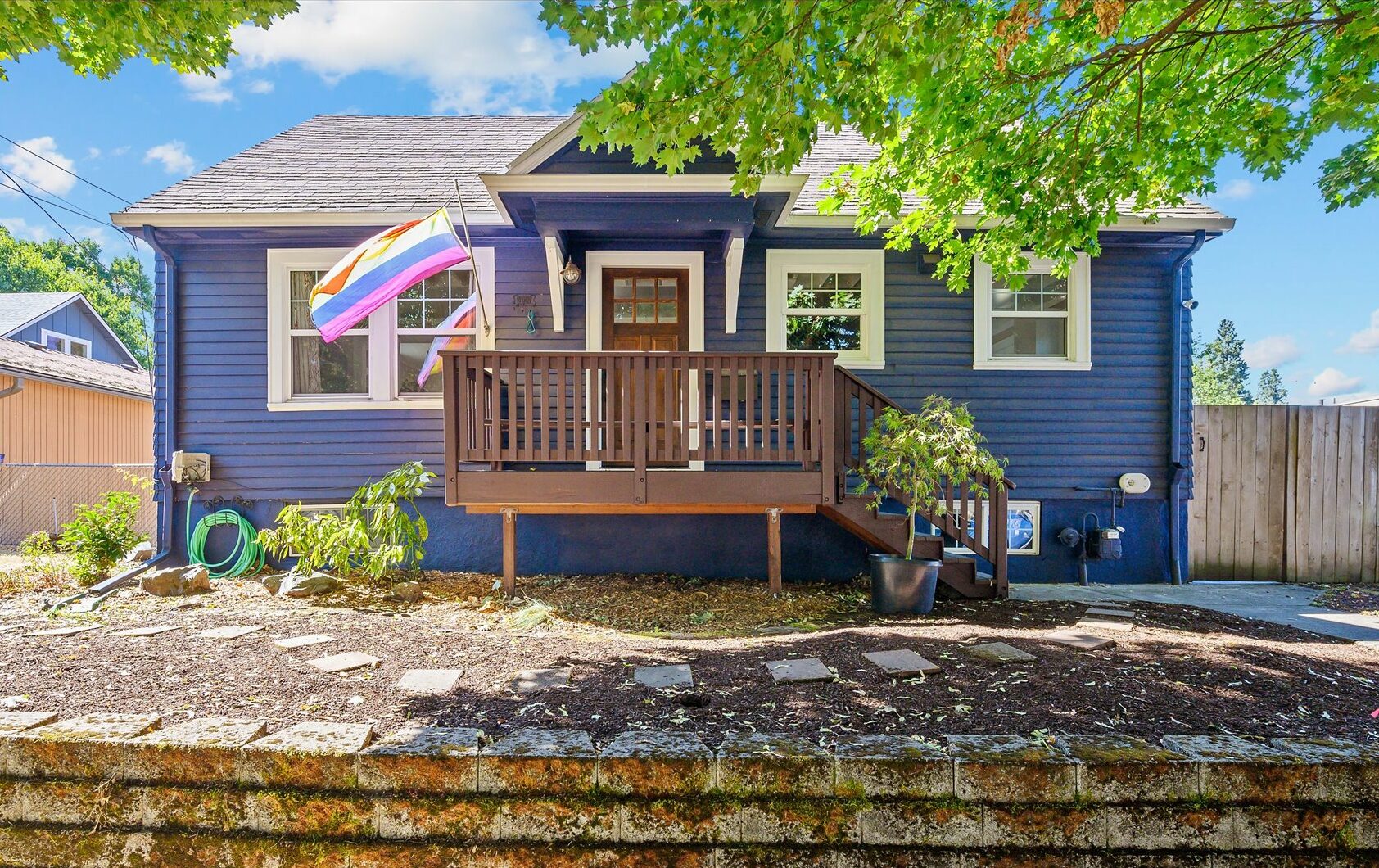
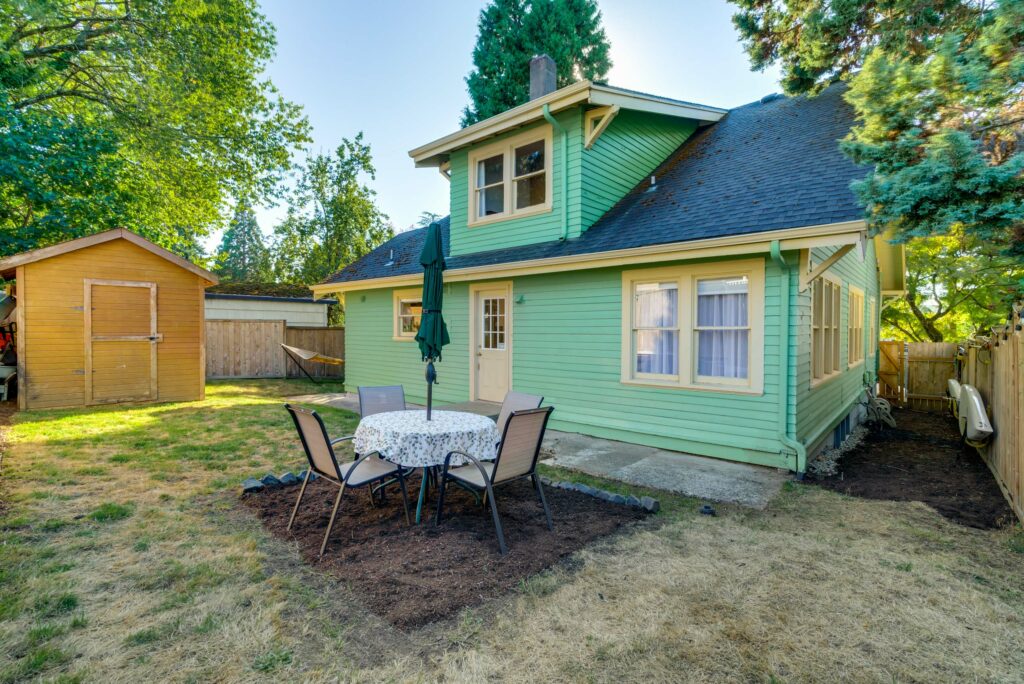
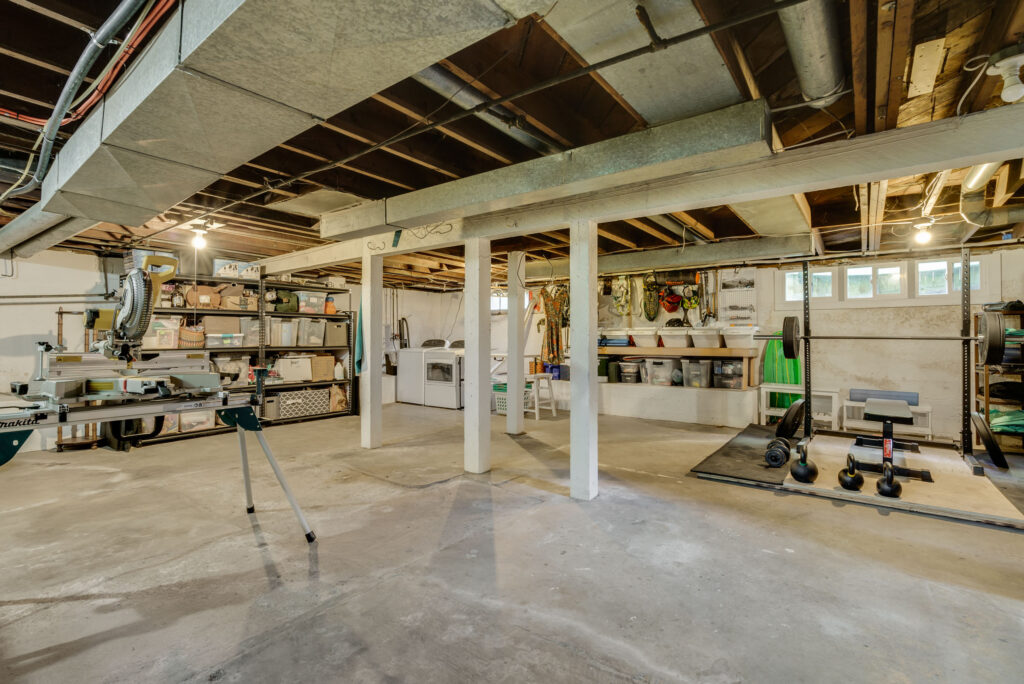
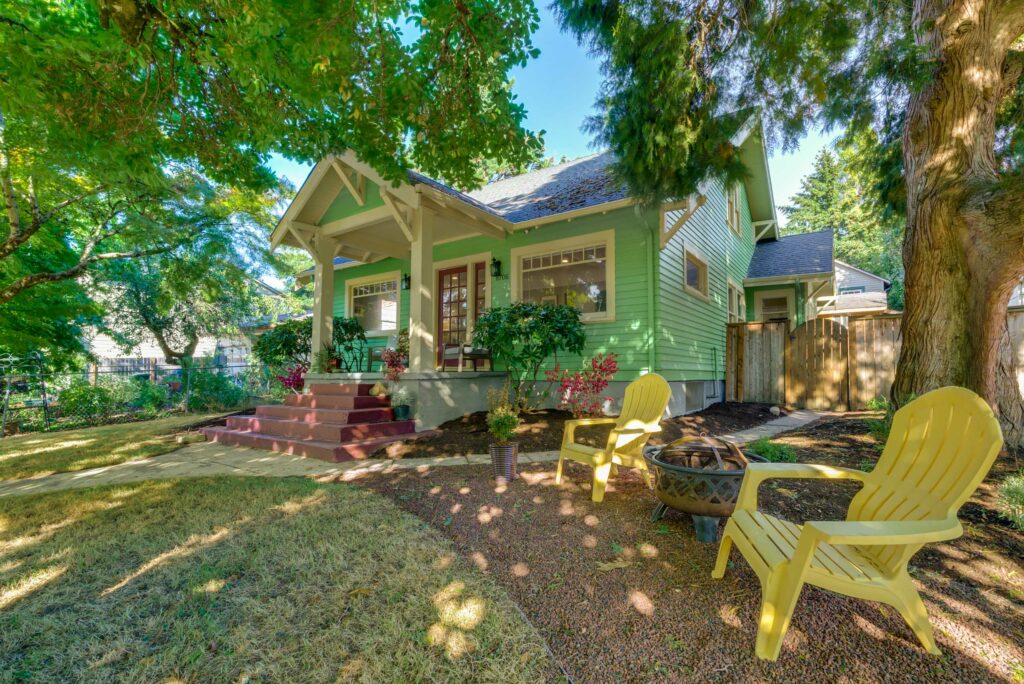
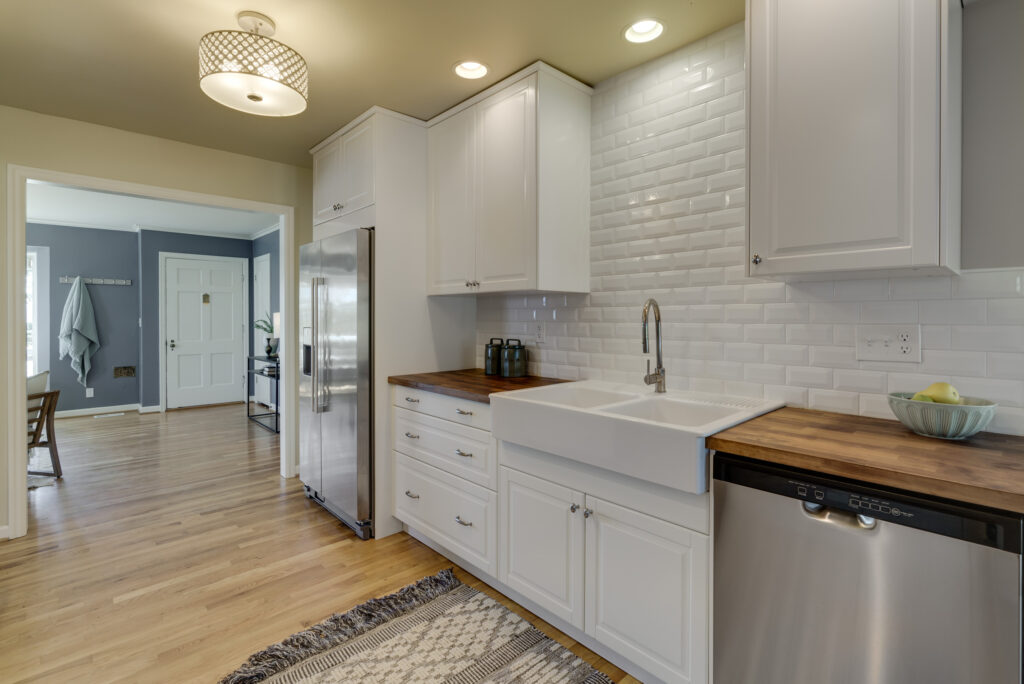
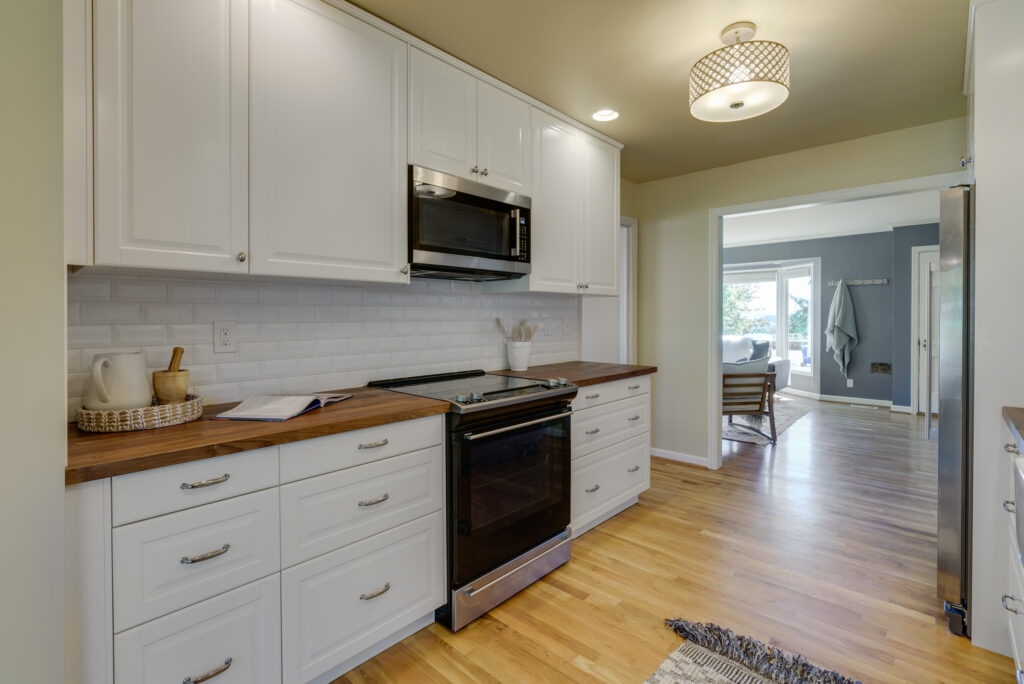
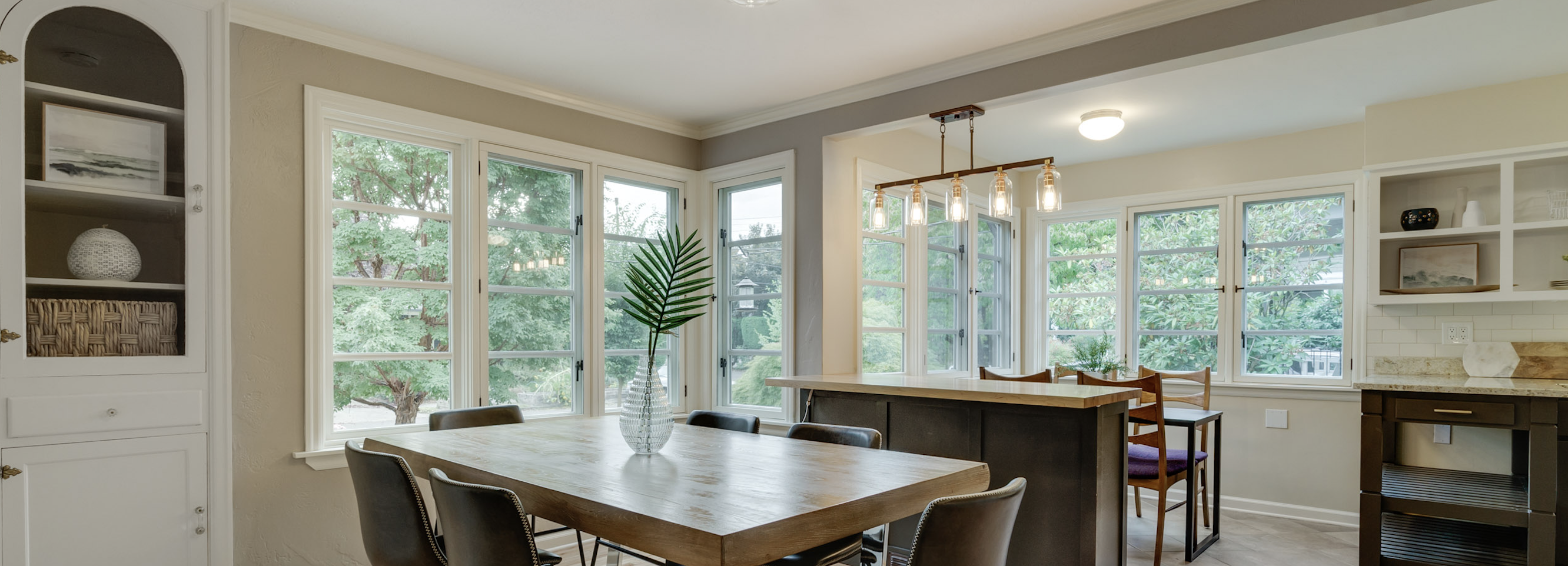
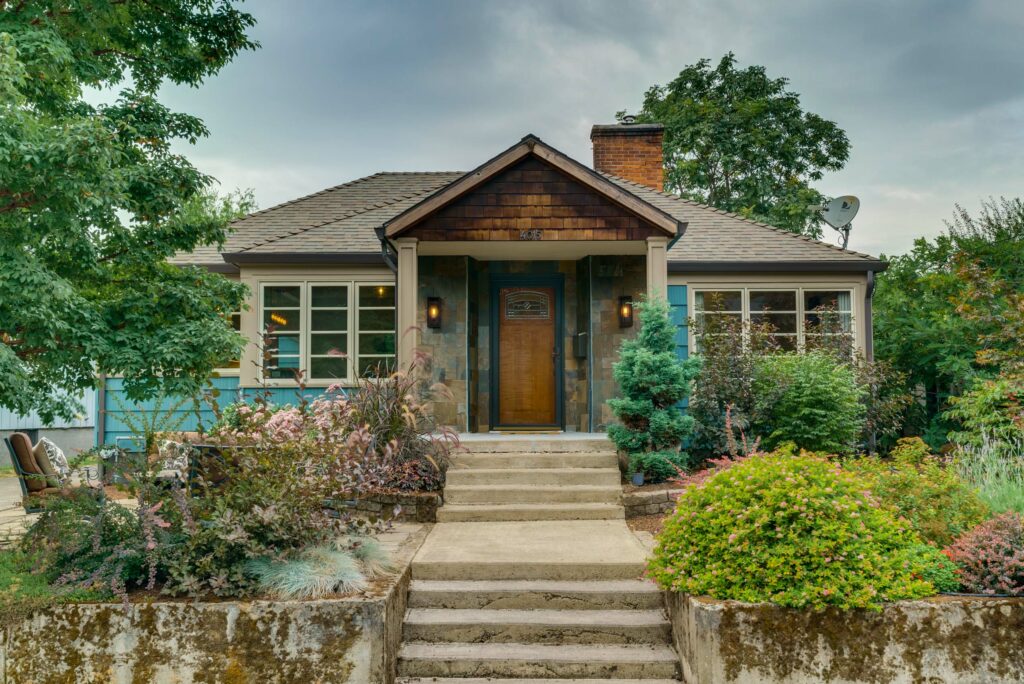
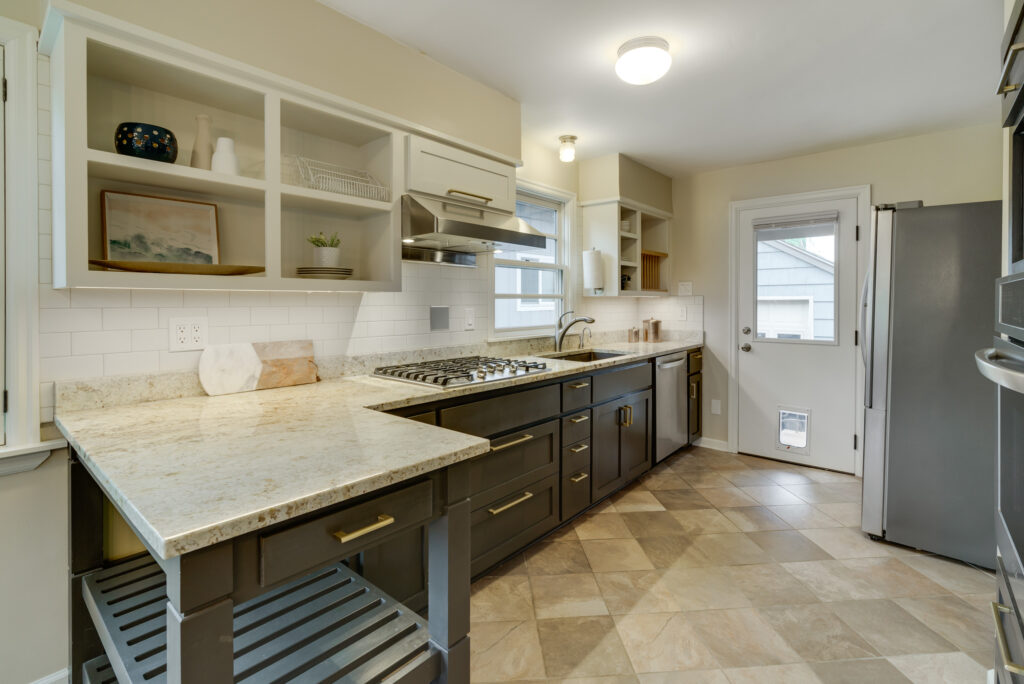
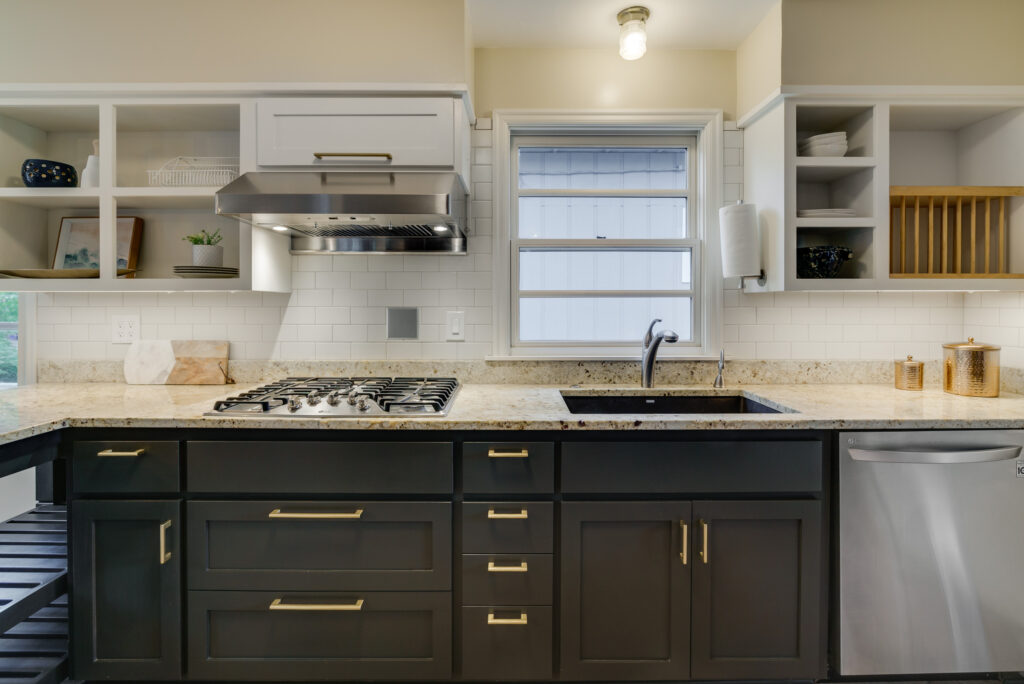
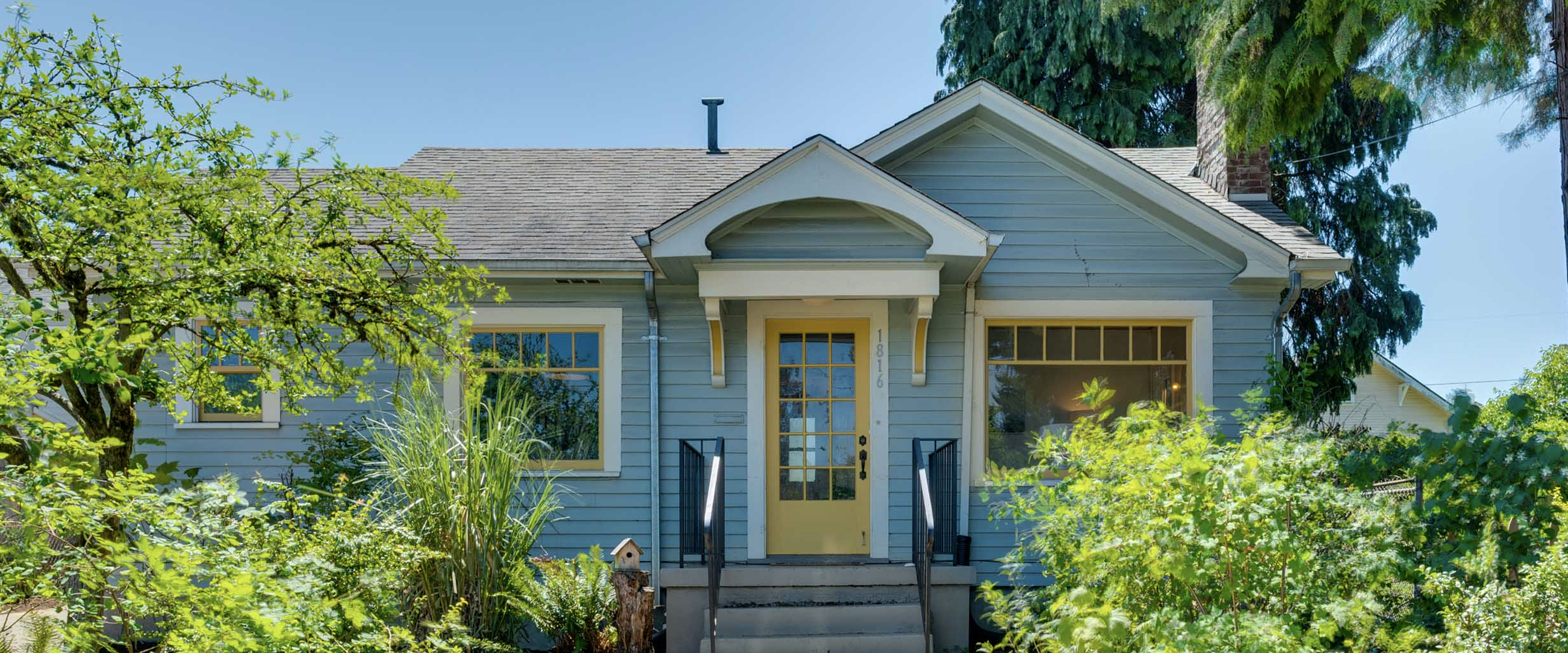
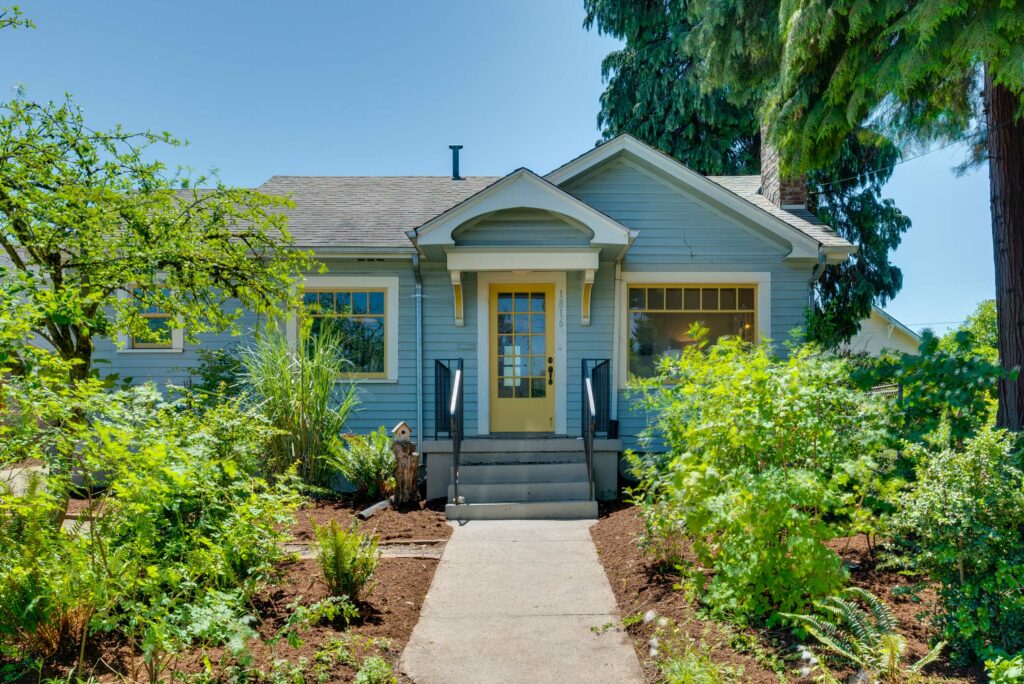
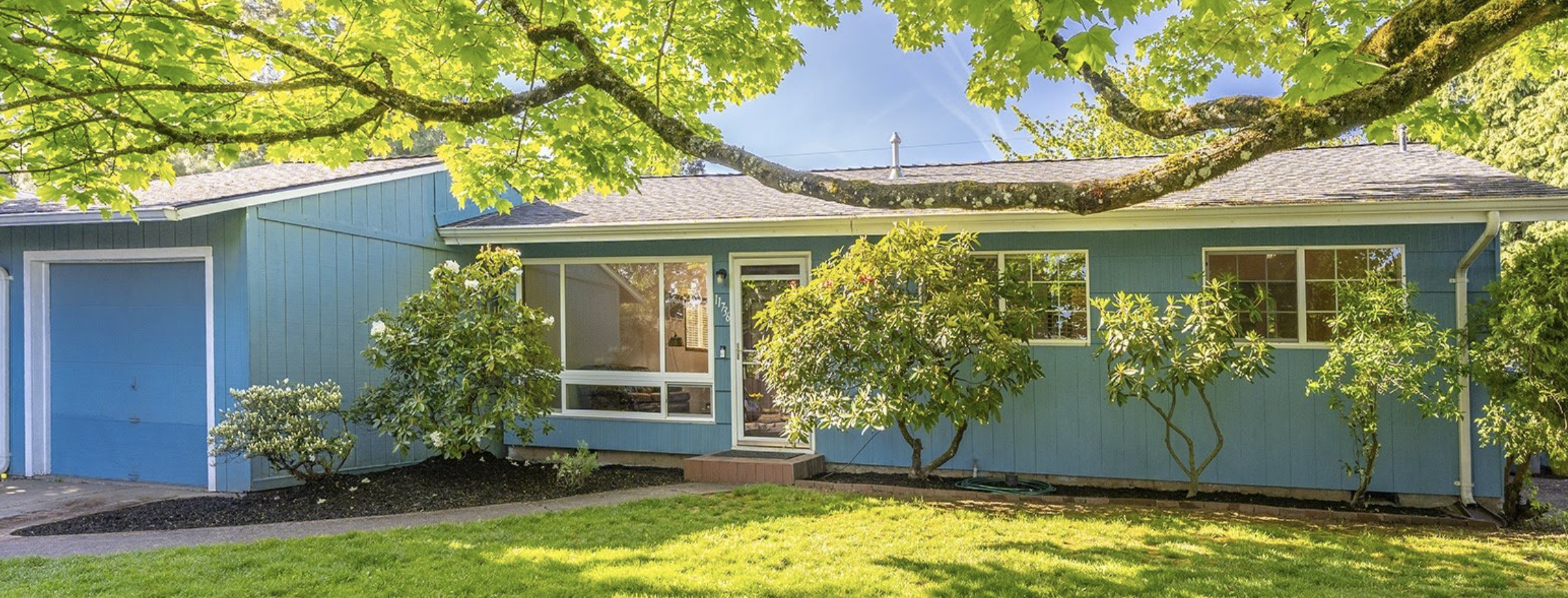
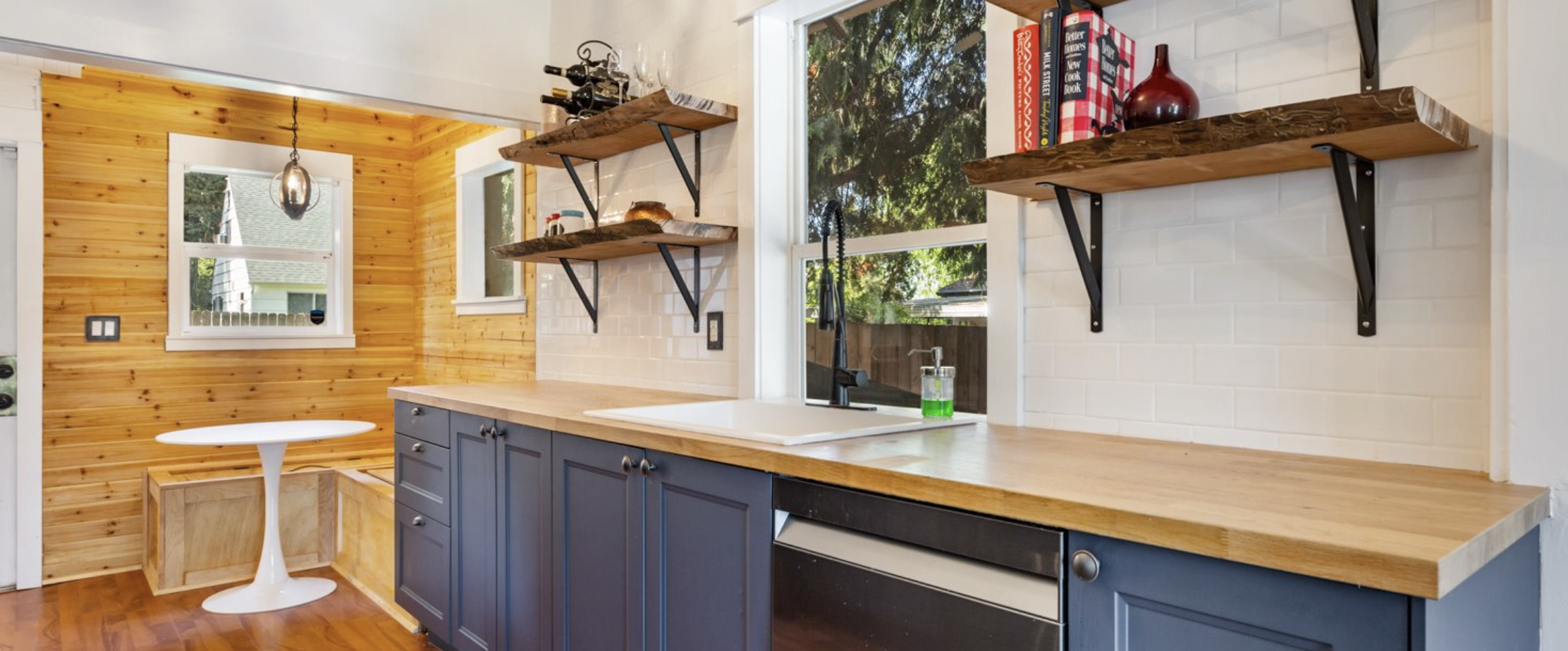
 My buyer Theo wins the award for the single most expensive repair I have negotiated for a buyer. Theo was a first time buyer who was referred to me by a past client of mine who they work with. We met up on a chilly fall evening to talk about what they were looking for in a house and get the process started. Within a couple of days, Theo had their pre-approval letter in hand and we were ready to go. I sent them all of the available homes within the geographic boundaries, price range and features they were looking for. The list wasn’t very long and out of all of them, only 2 houses piqued their interest. We went to see one in NE, and that was a no-go. The second house we saw was bright blue 1920’s bungalow in the Brooklyn neighborhood. It had been on the market for about a month and had one sale fail. The home was lovely with a gigantic newly remodeled kitchen and a large upstairs bedroom with room to add a bathroom. The basement was decent enough with lots of windows and good ceiling height- a great candidate for future finishing. Theo slept on it and the next morning let me know they wanted to write on it. We put together a great offer and boom- got it accepted.

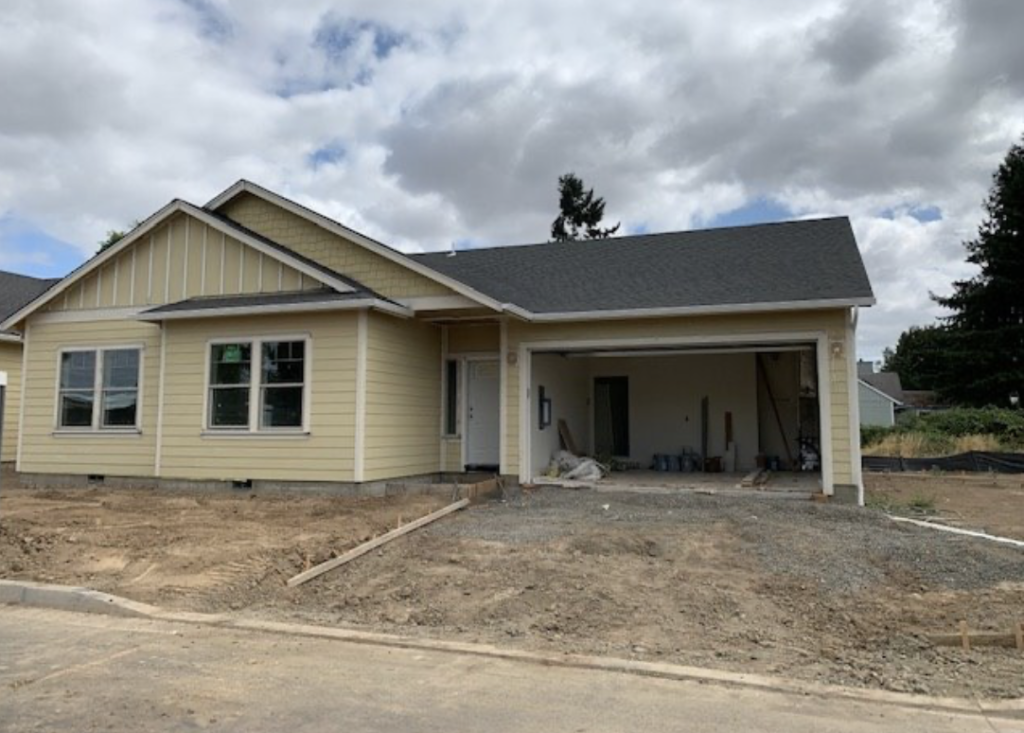
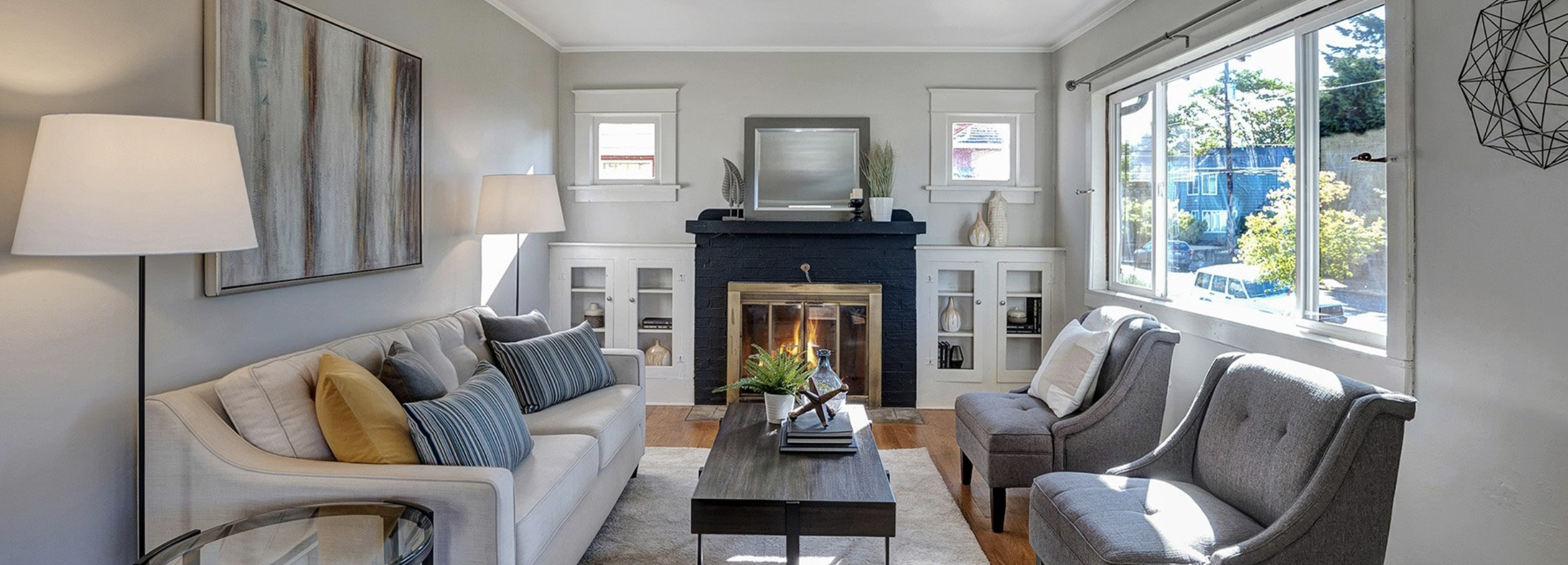

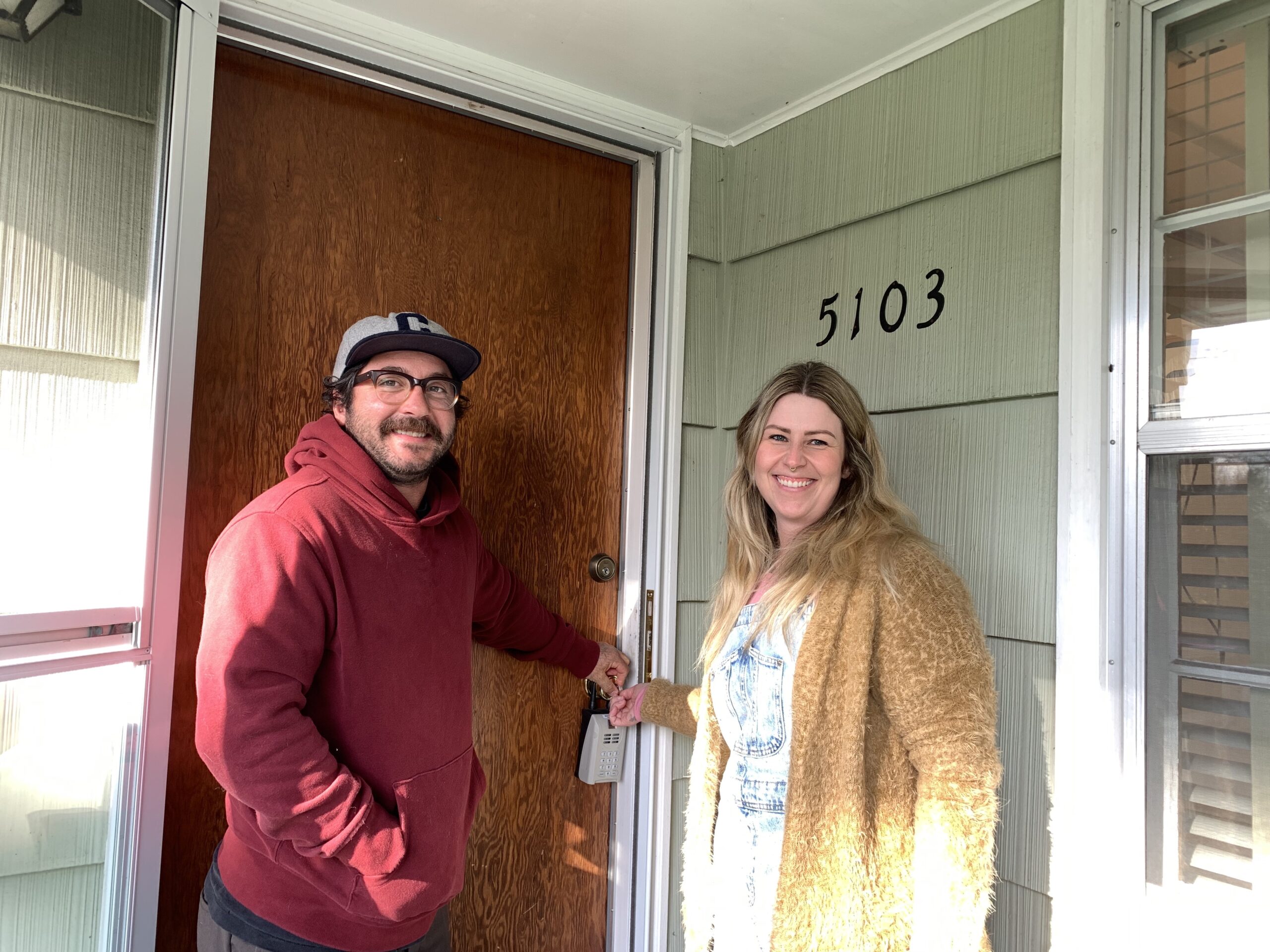
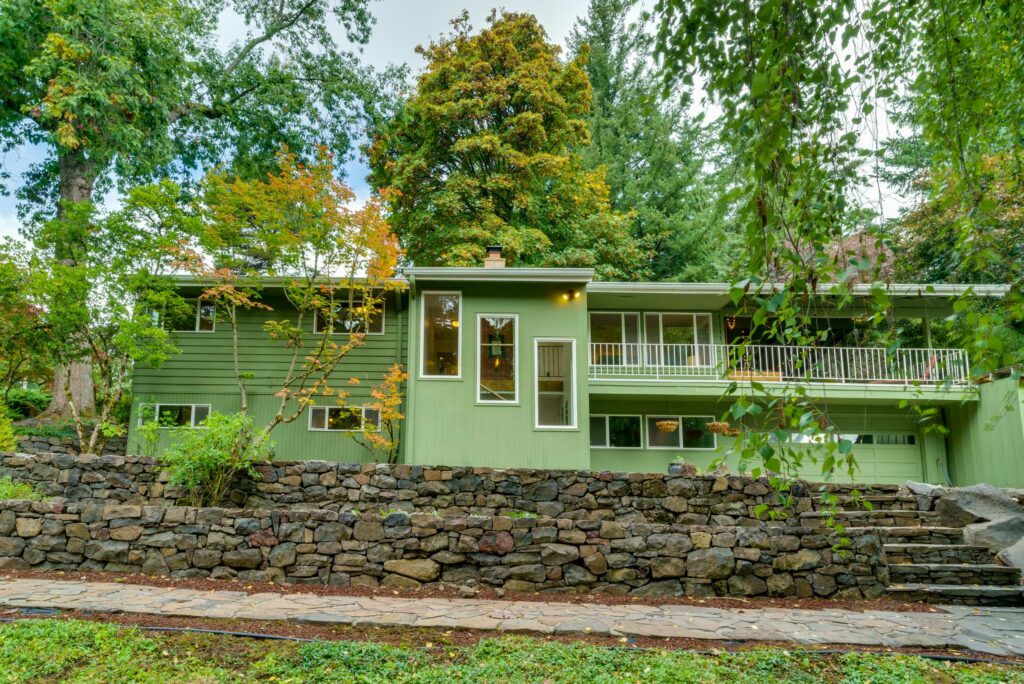
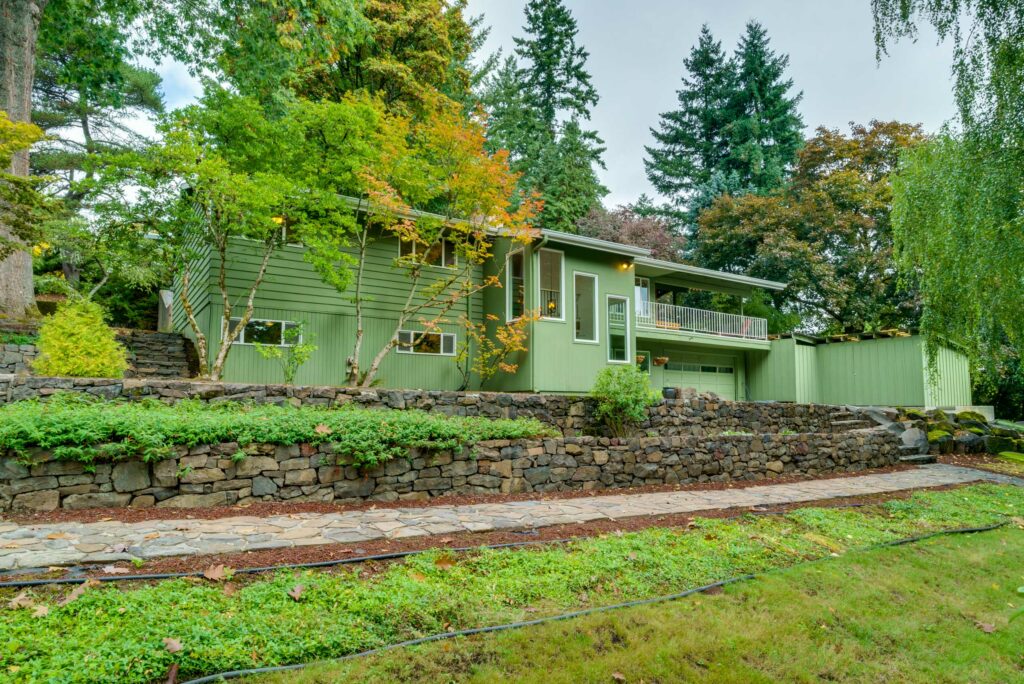
 Sarah and Tariq contacted me in early August after being referred to me by one of my favorite lenders. They used to live in Portland, and had moved to Los Angeles for work, and were now being transferred back to Portland. They were moving to Portland in mid-November, so they came to Portland in mid-October to find a home. Before they arrived, we had a flurry of emails back and forth narrowing down homes they wanted to see. They seemed to really hone in on mid-centuries and when we came up with our list of homes to see over the next few days, the majority were mid-centuries. They arrived on a Thursday evening, and we hit the ground running on Friday morning. We saw around 12 houses together over the next couple of days, and they saw even more homes on their own visiting open houses.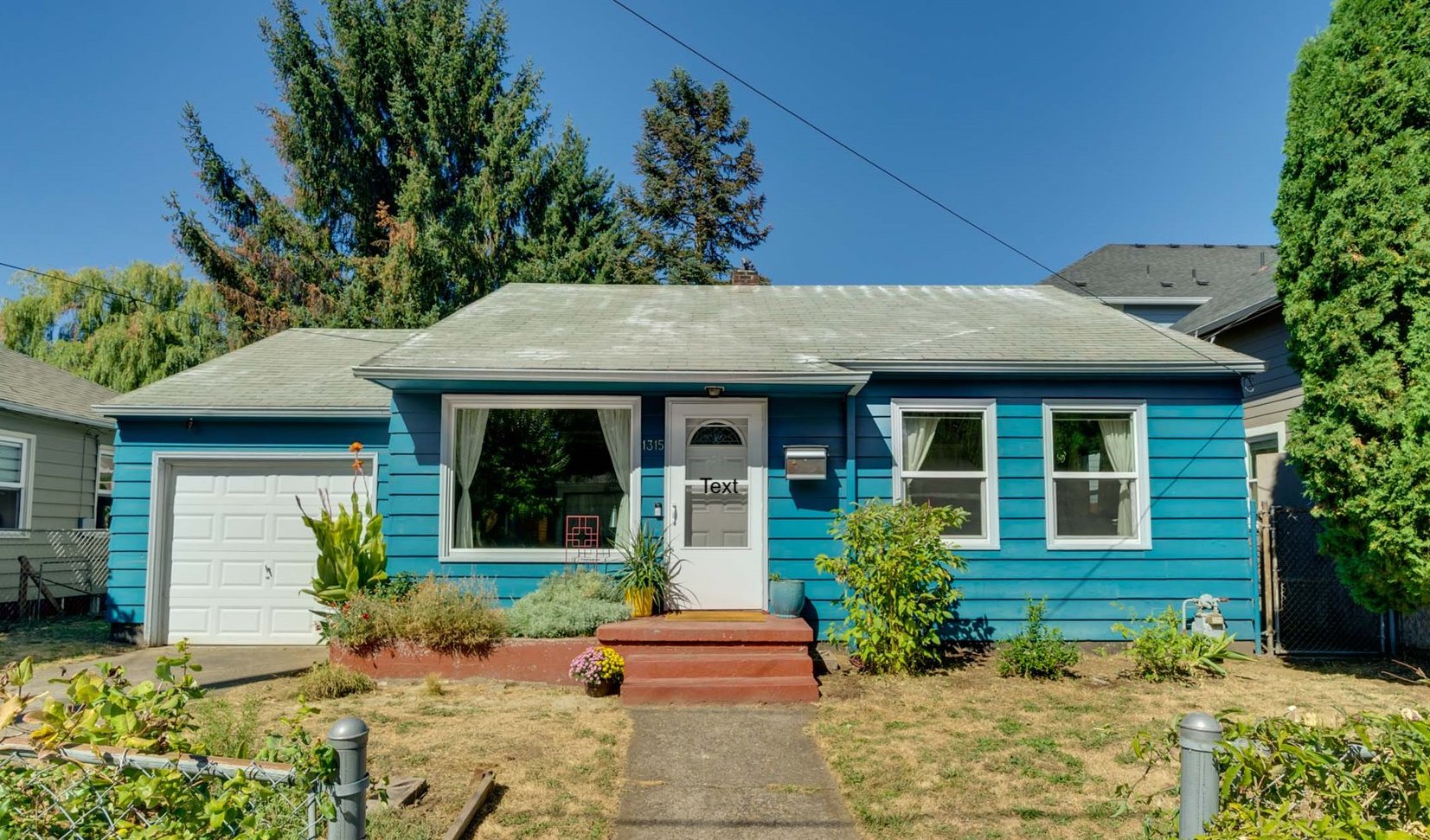
 My buyers Annie and Ben were referred to me by one of the great lenders at Portland Housing Center. They were first time home buyers and during our meeting when we met to discuss their plan and get a feel to see if we would be a good fit to work together, we talked about the ideal house for them. They had a really clear idea of exactly what they were looking for and where they wanted to buy. Ben works in Vancouver and Annie works on the inner east side so their ideal house would be in North Portland in Kenton or near I-5. They also wanted something with vintage charm- preferably mid-century, and in good shape that would be easy to maintain. They also wanted a yard and their budget was $400k tops. They were still interviewing agents when a couple of days after we met, I got an email from my wonderful colleague Martin Cross here at Living Room with info on an open house a great listing of his in Kenton was having the next day. On paper that house seemed to meet all the criteria that Annie and Ben had, so I forwarded the email along to them. They responded that indeed, the house looked like it was great and they could tell I had a really good sense of what they were looking for, and that sealed the deal for us working together.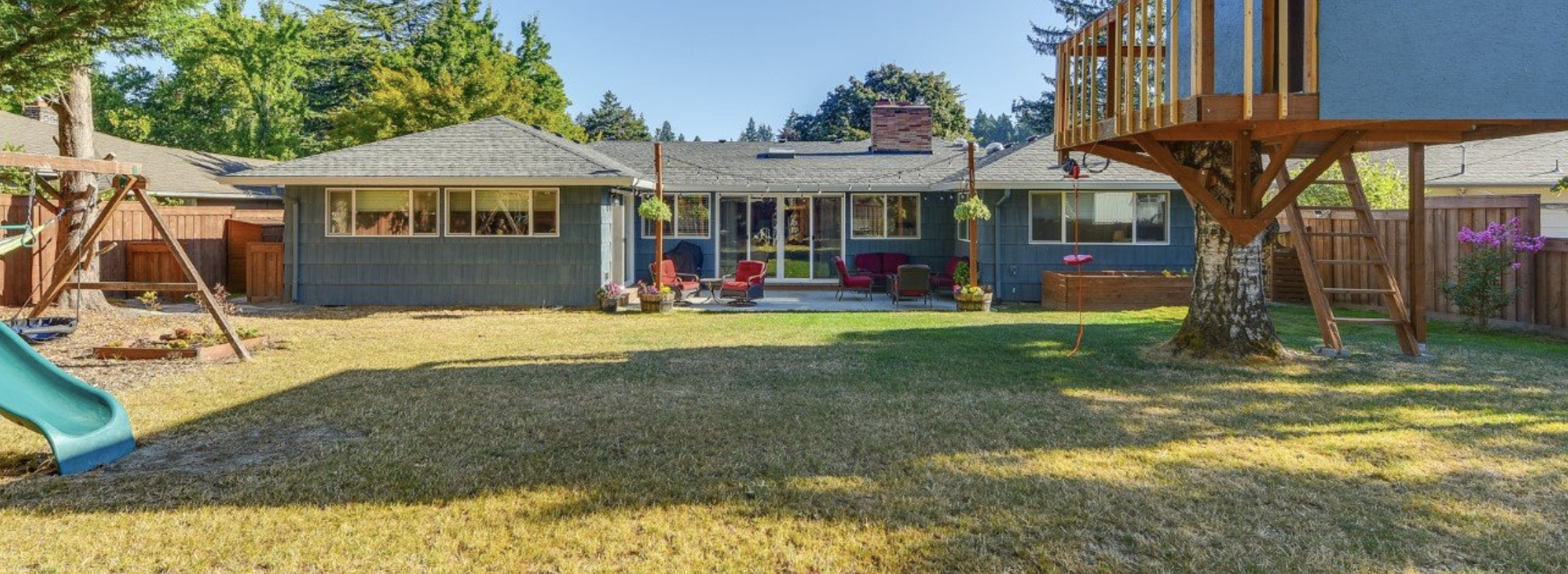








 \
\  \
\ 
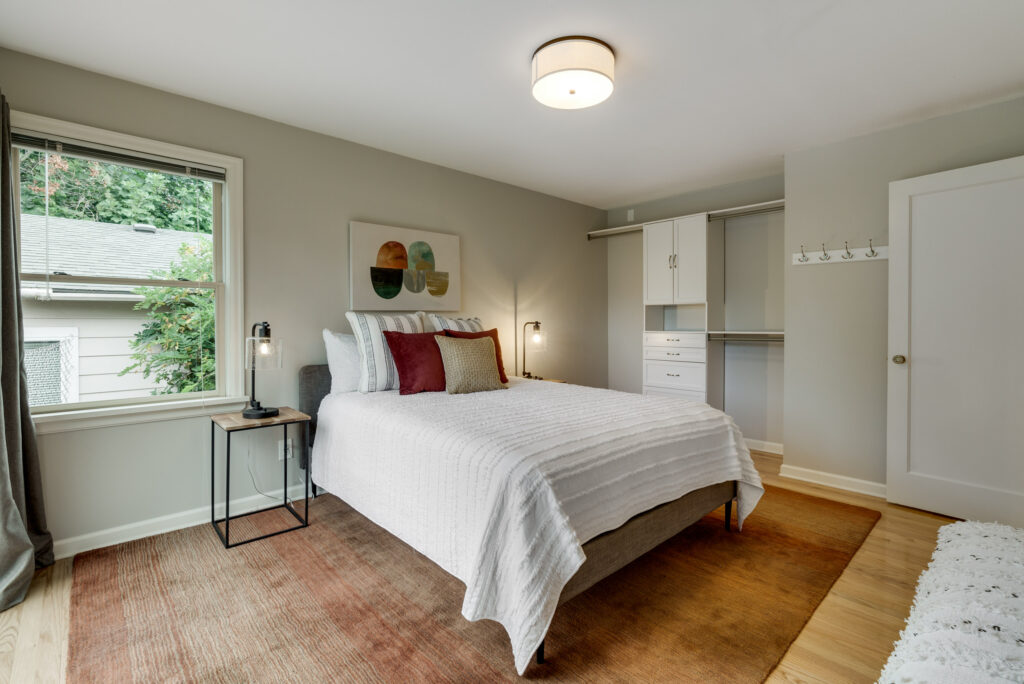
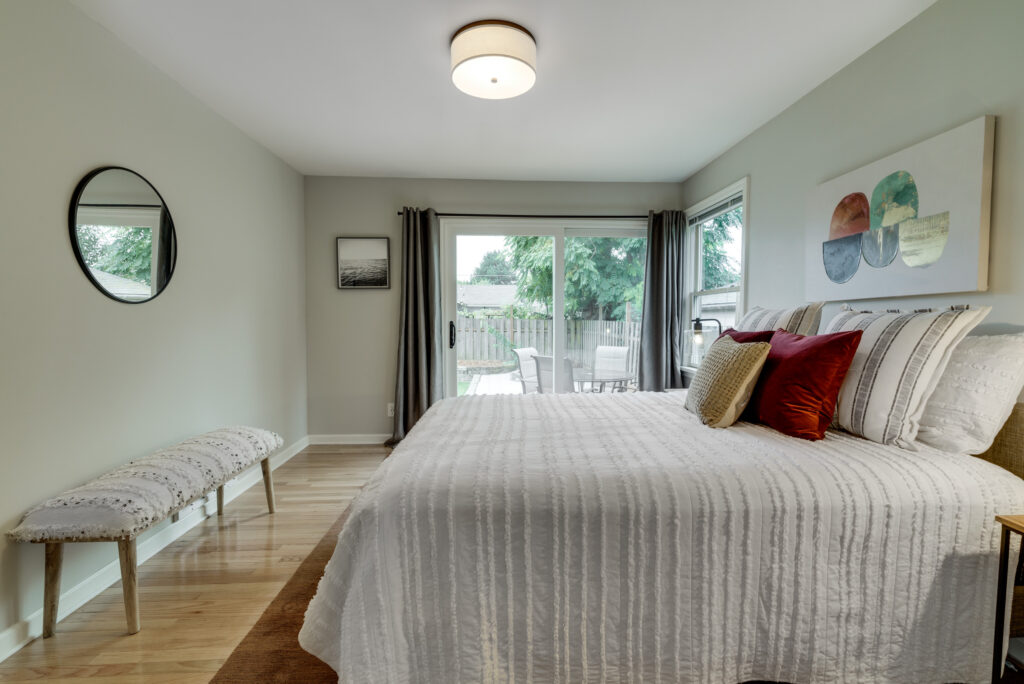
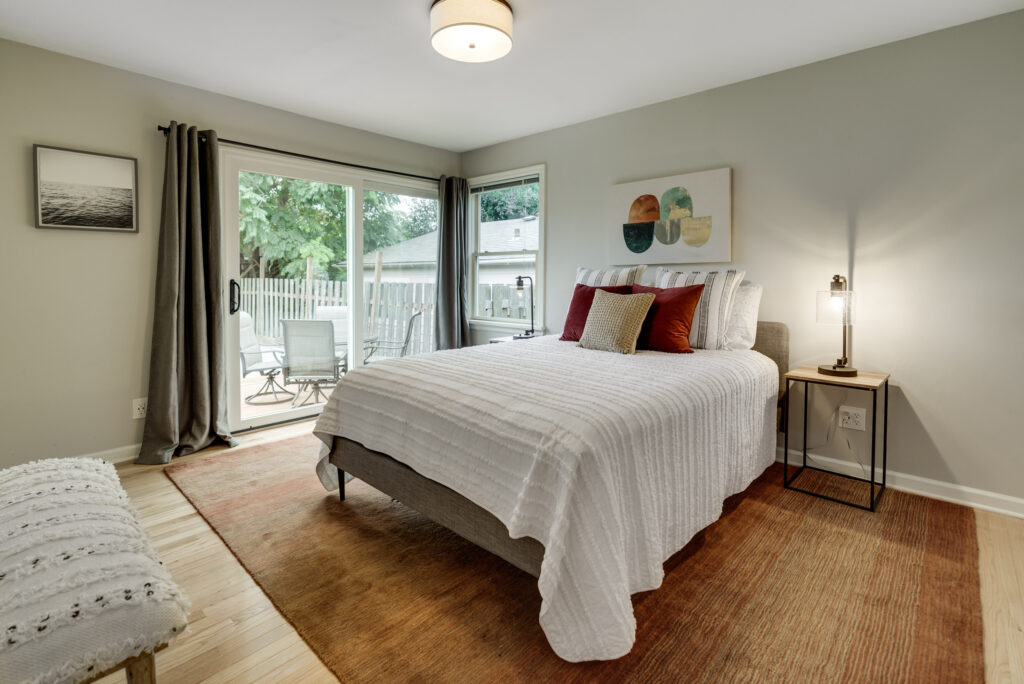
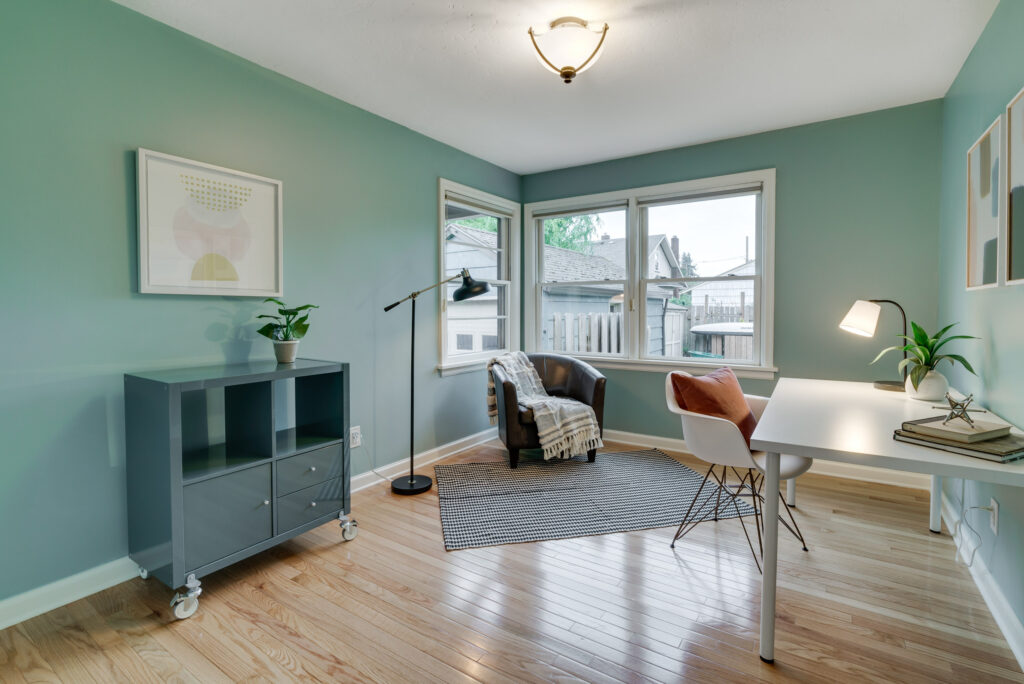
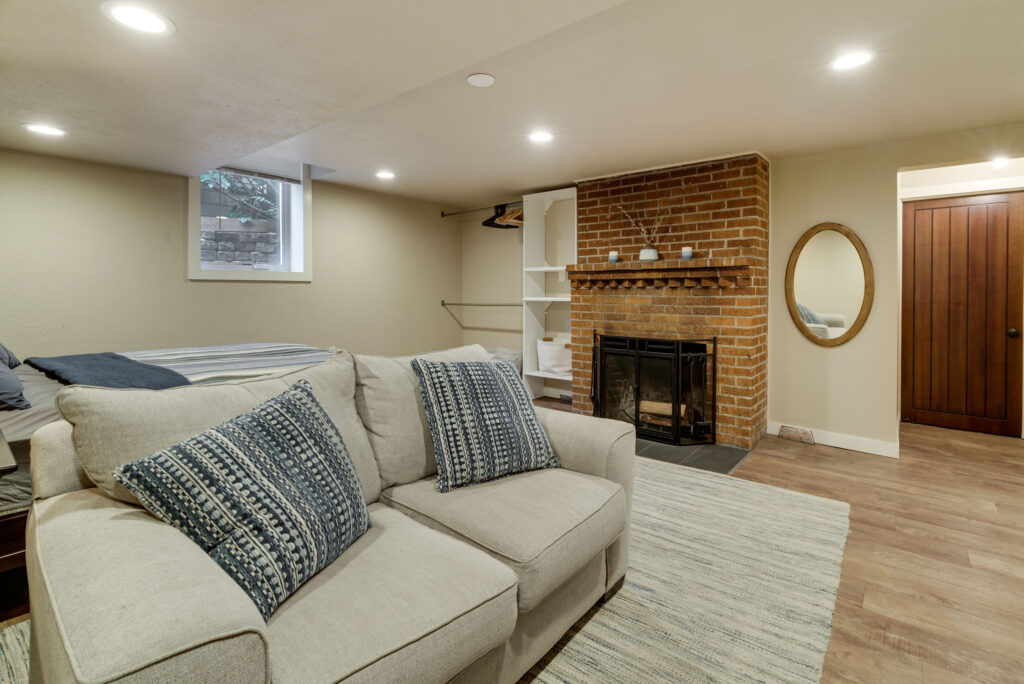
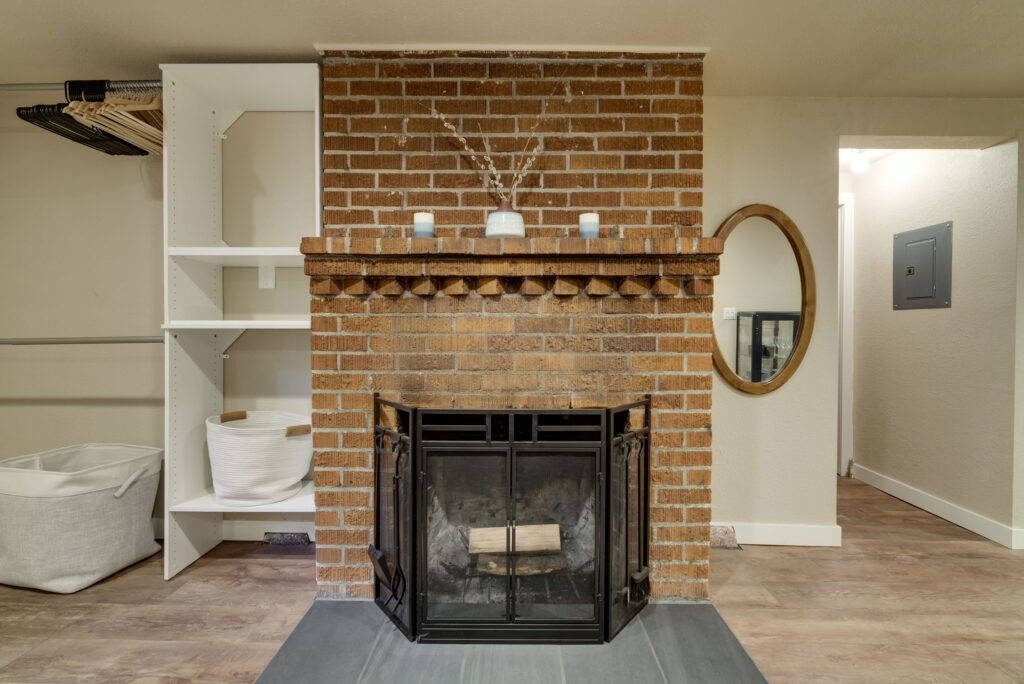
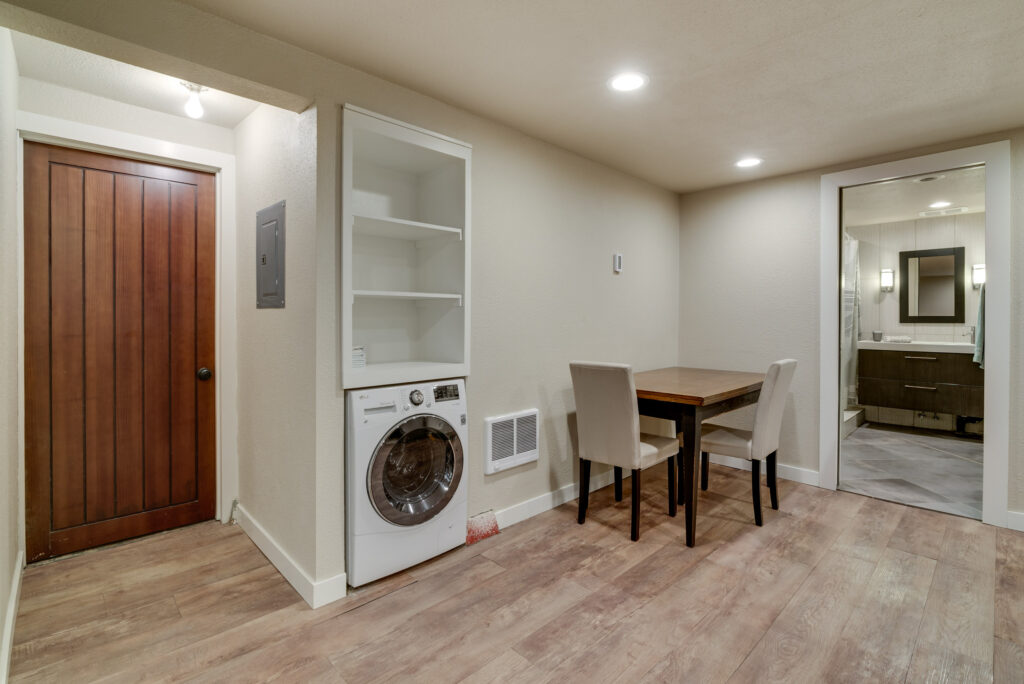
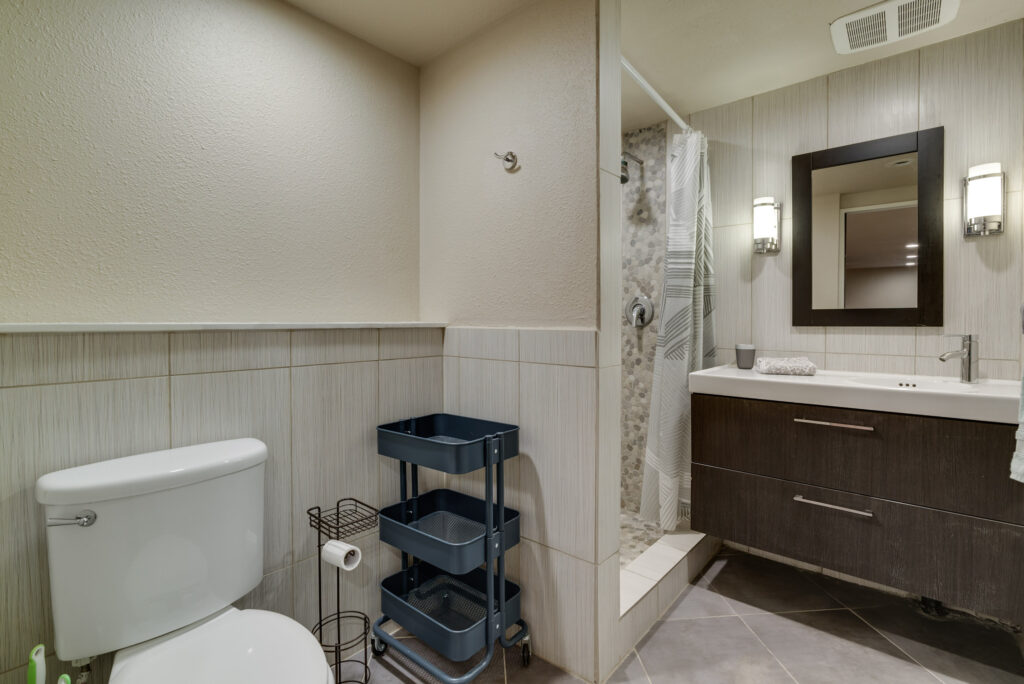

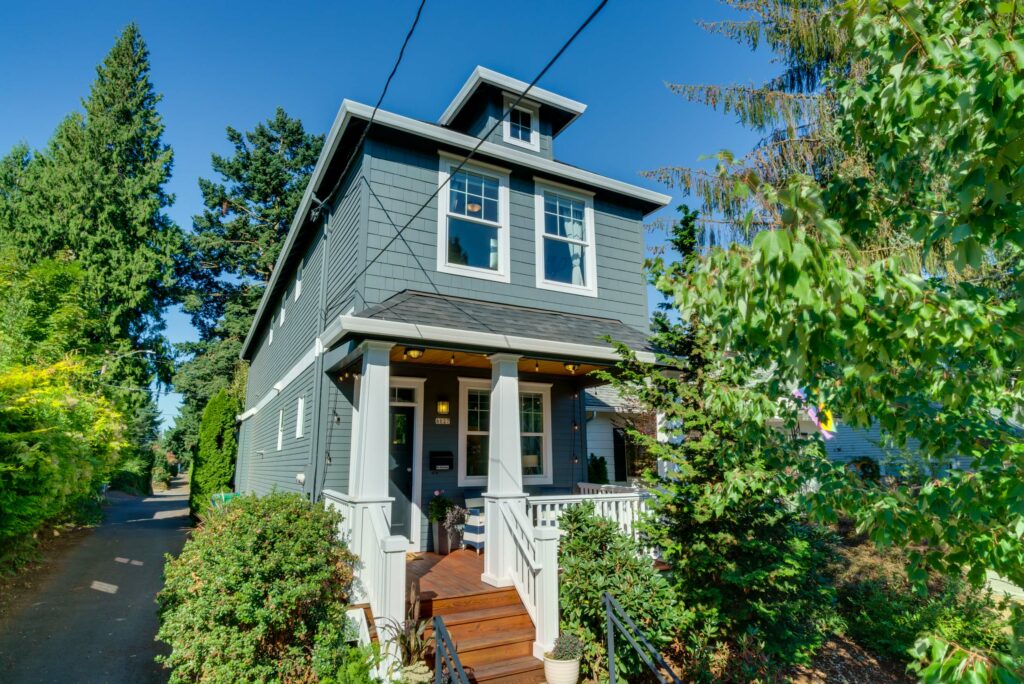
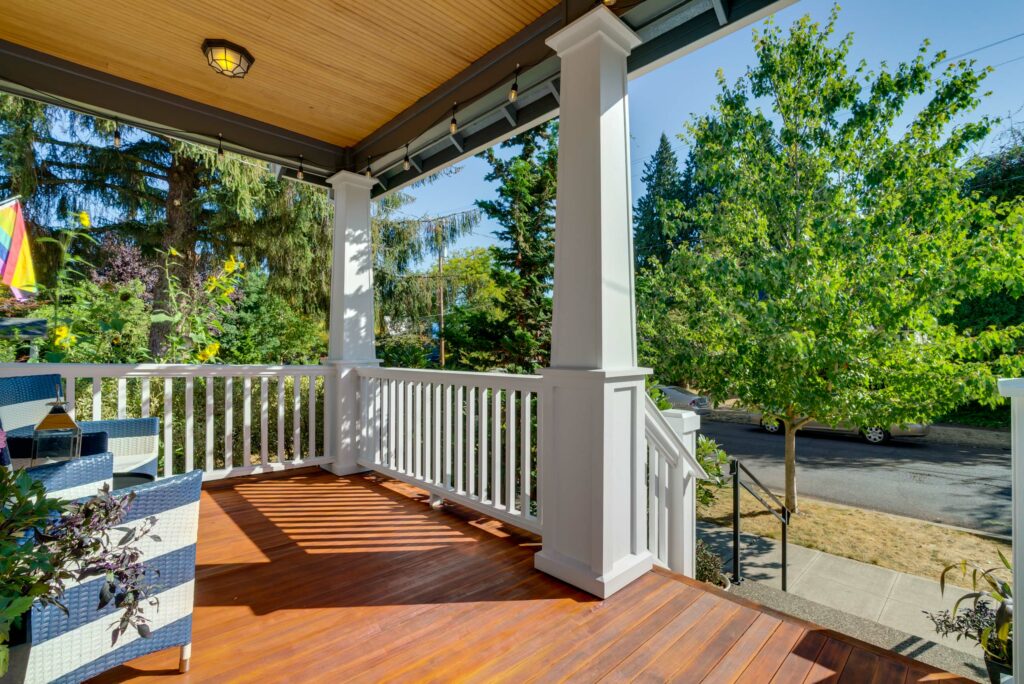
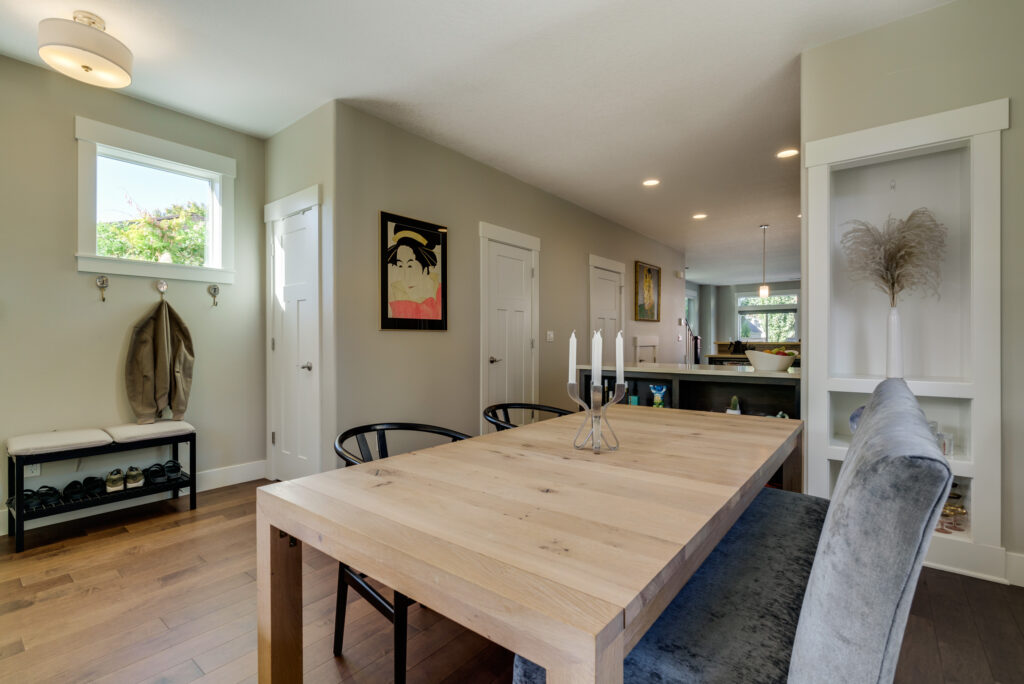
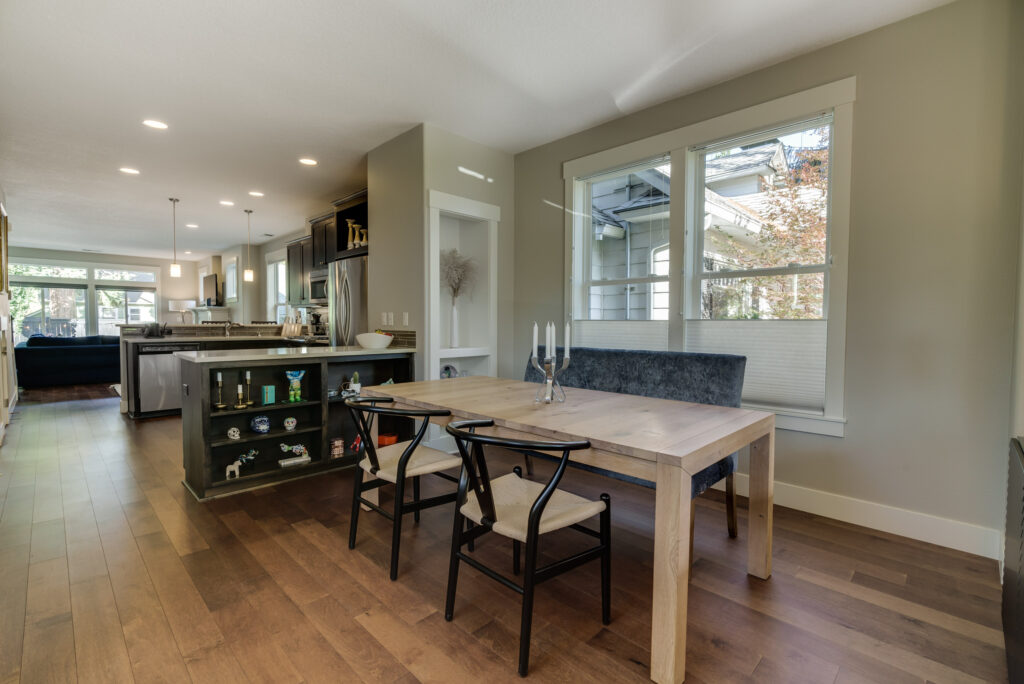
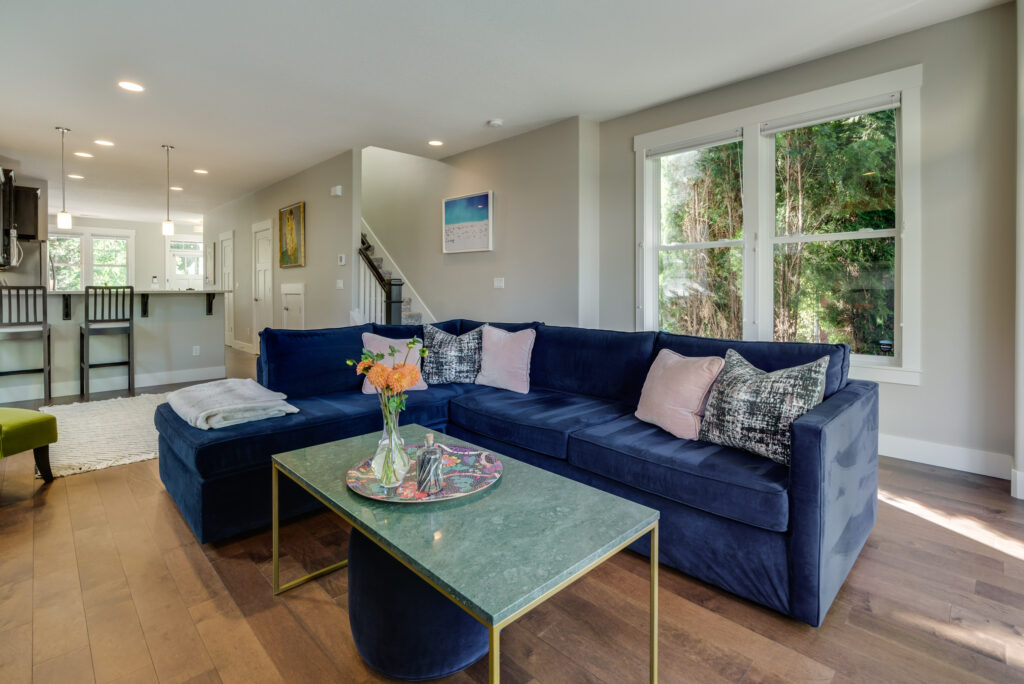
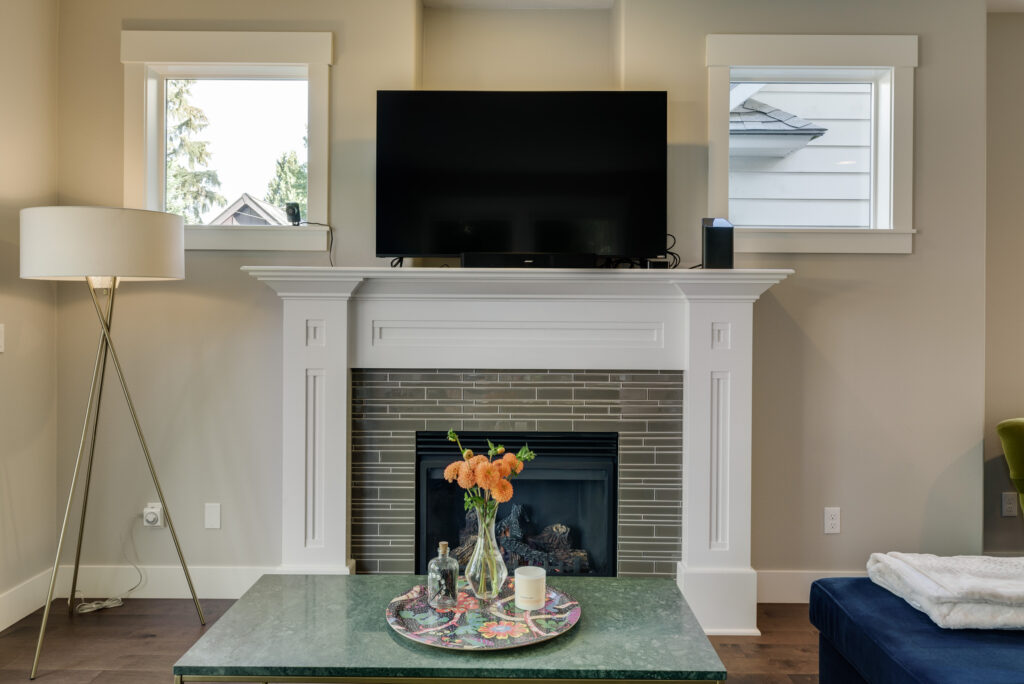
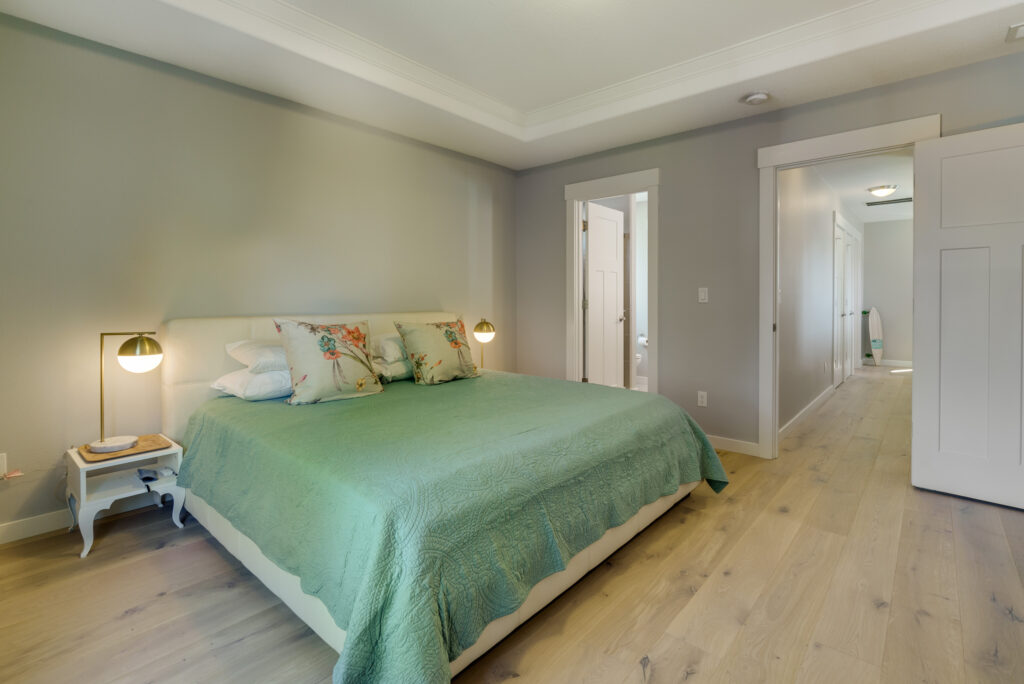
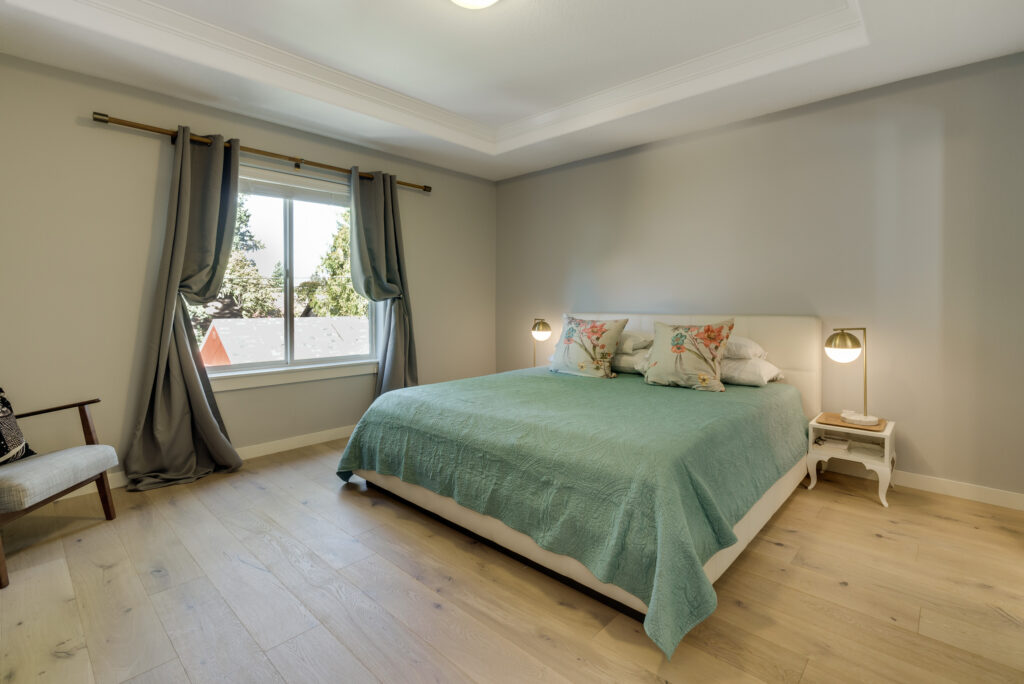
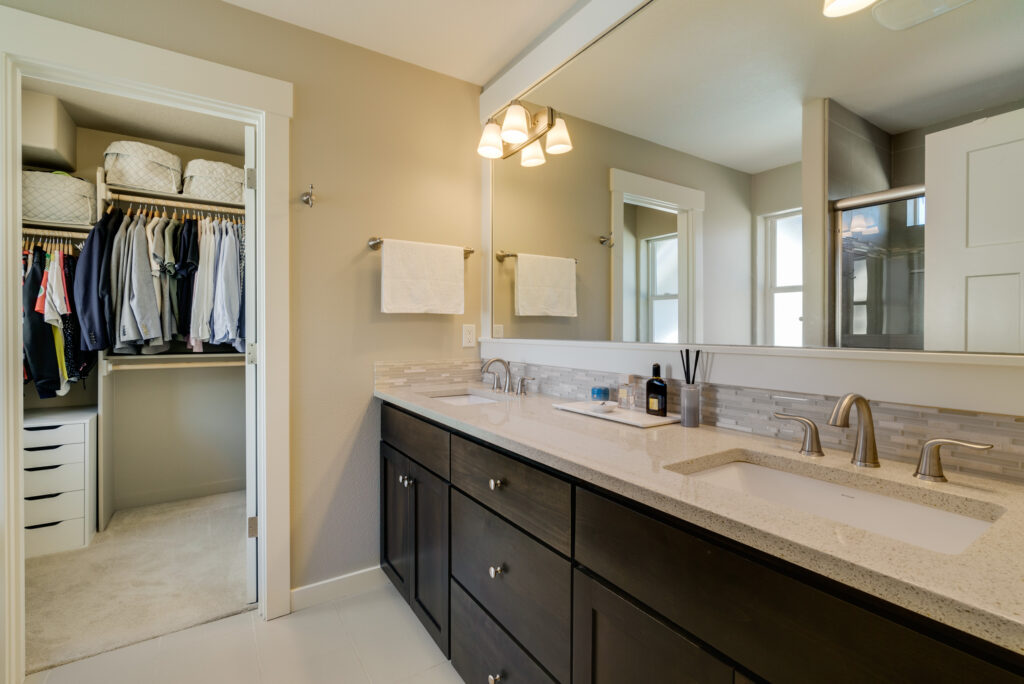
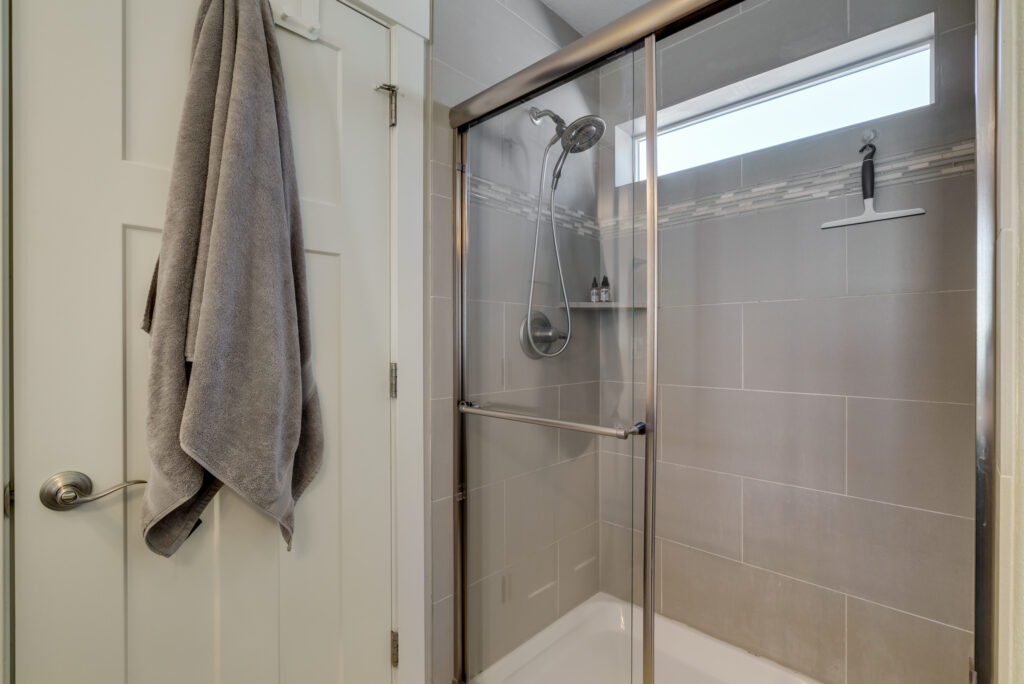
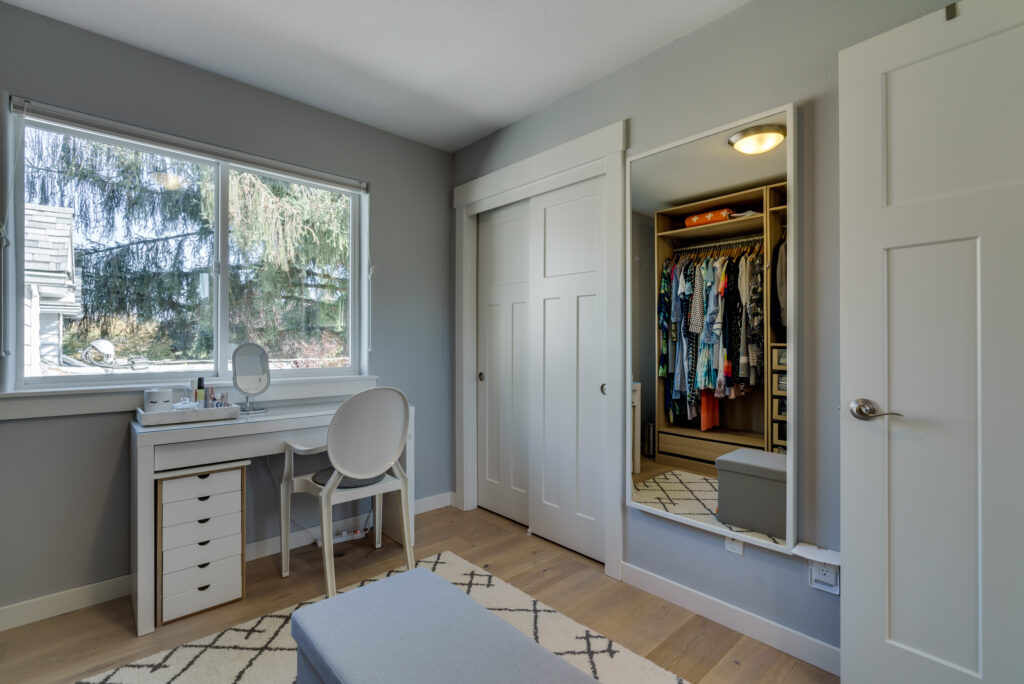
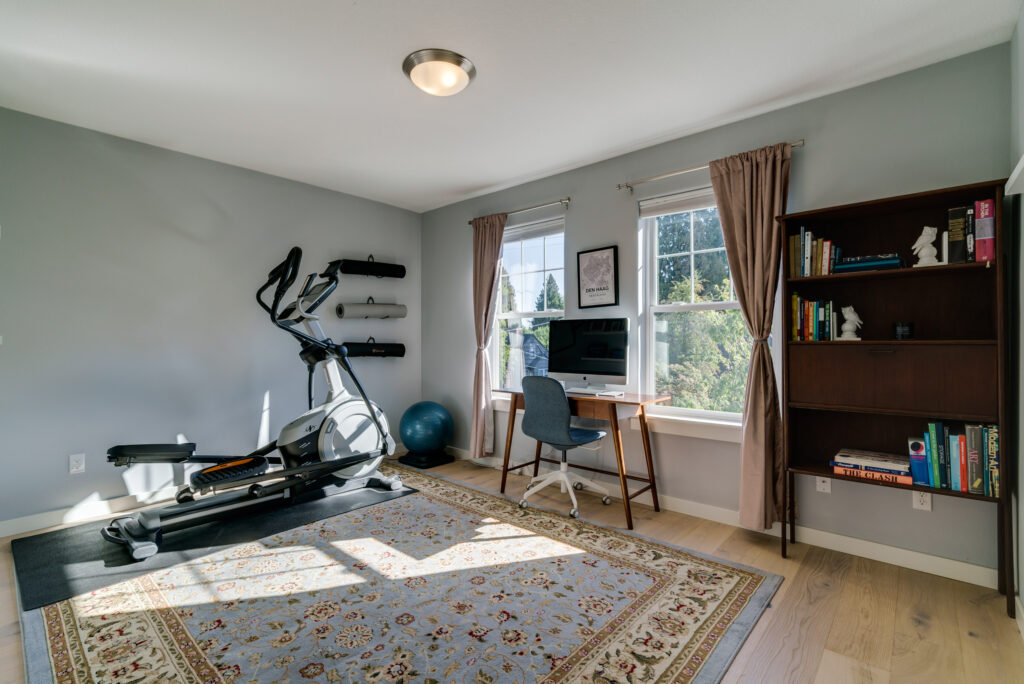





















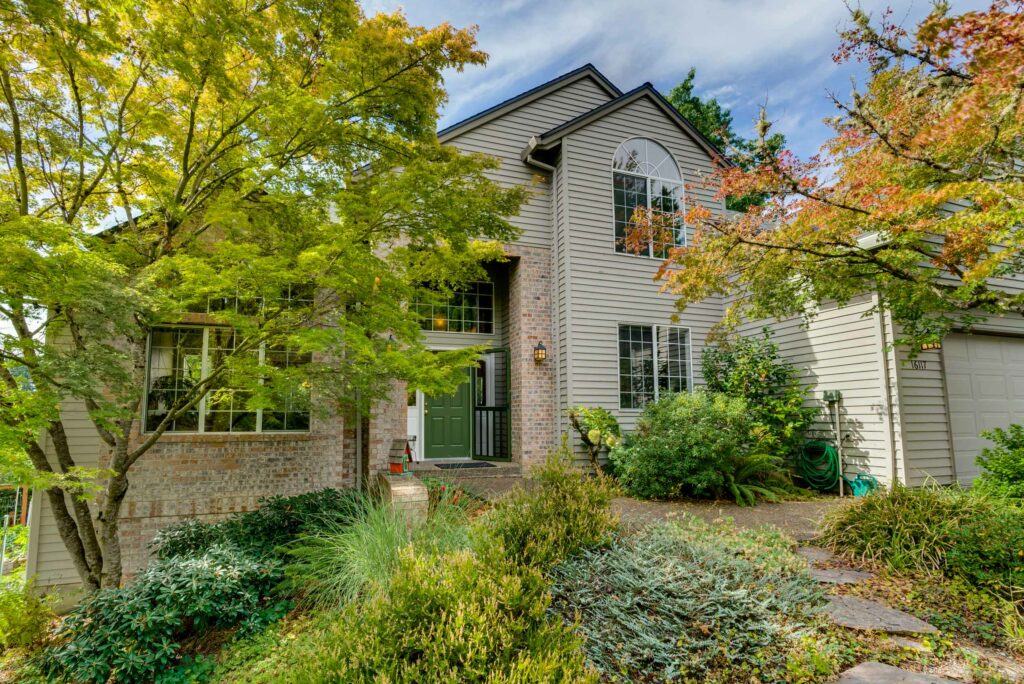

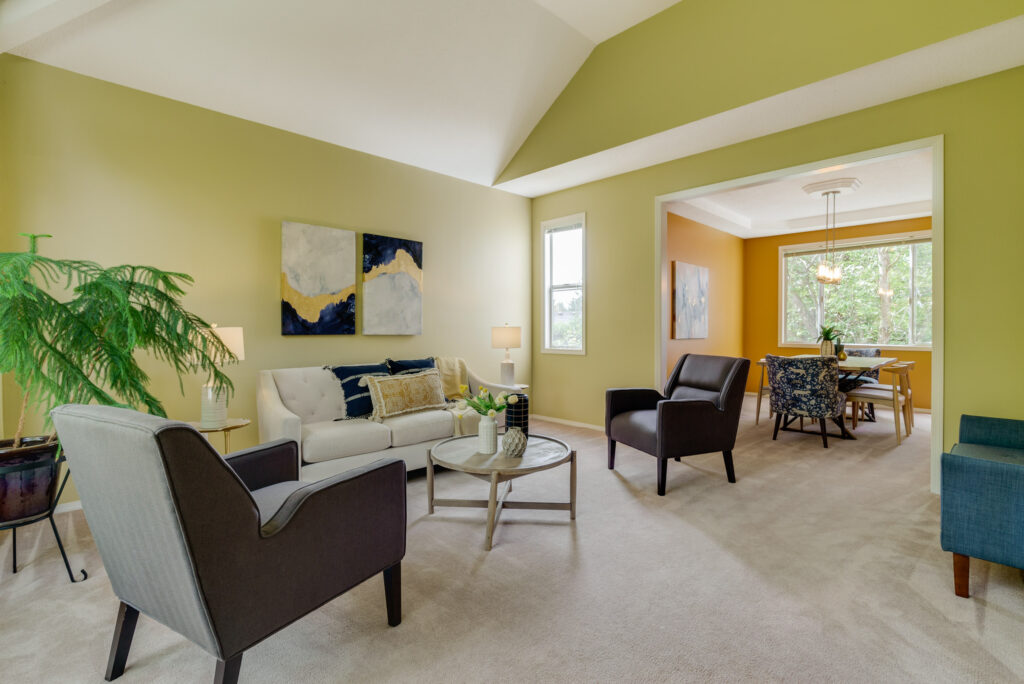
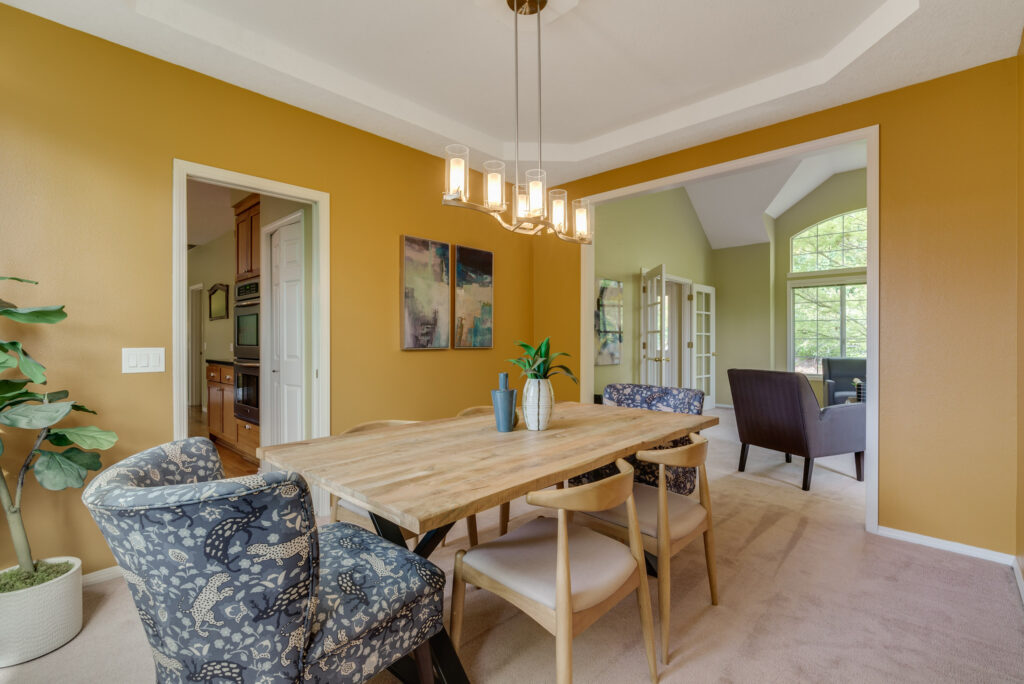
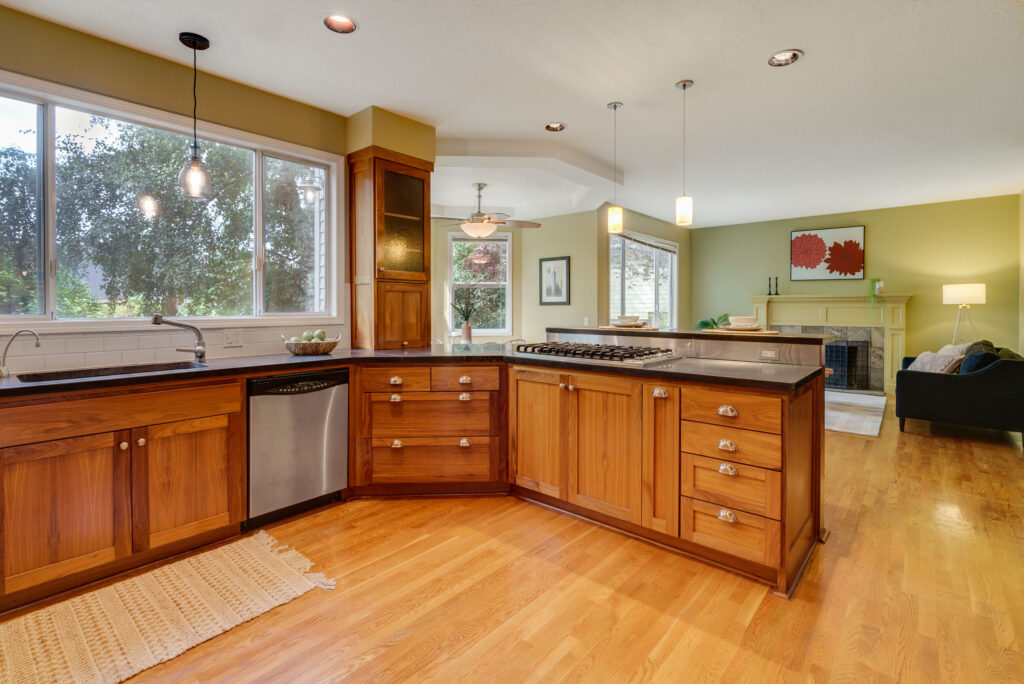
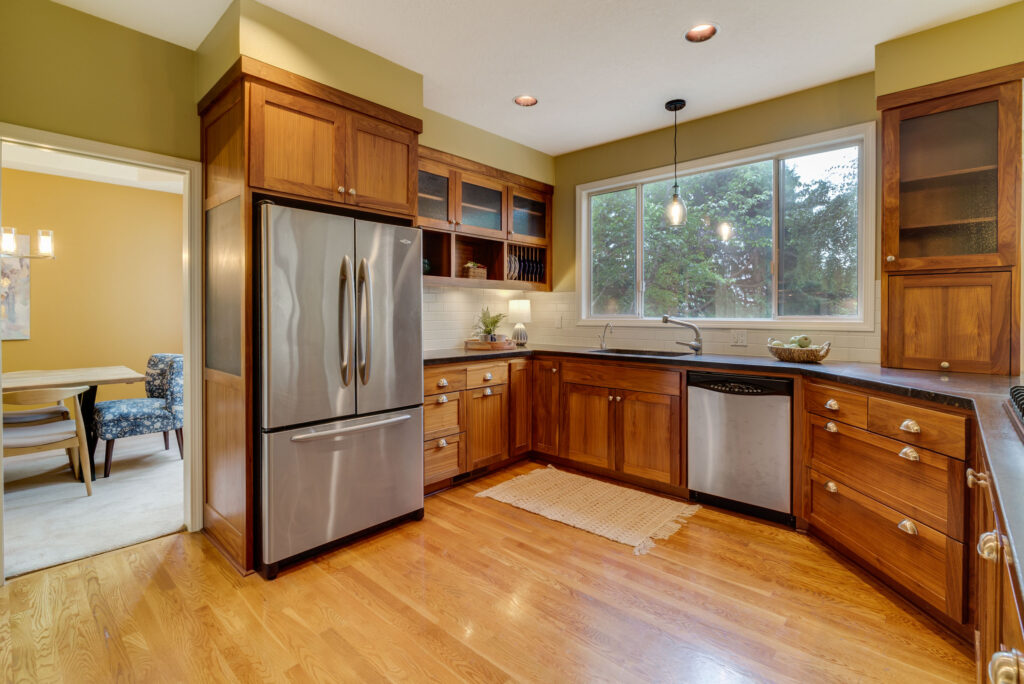
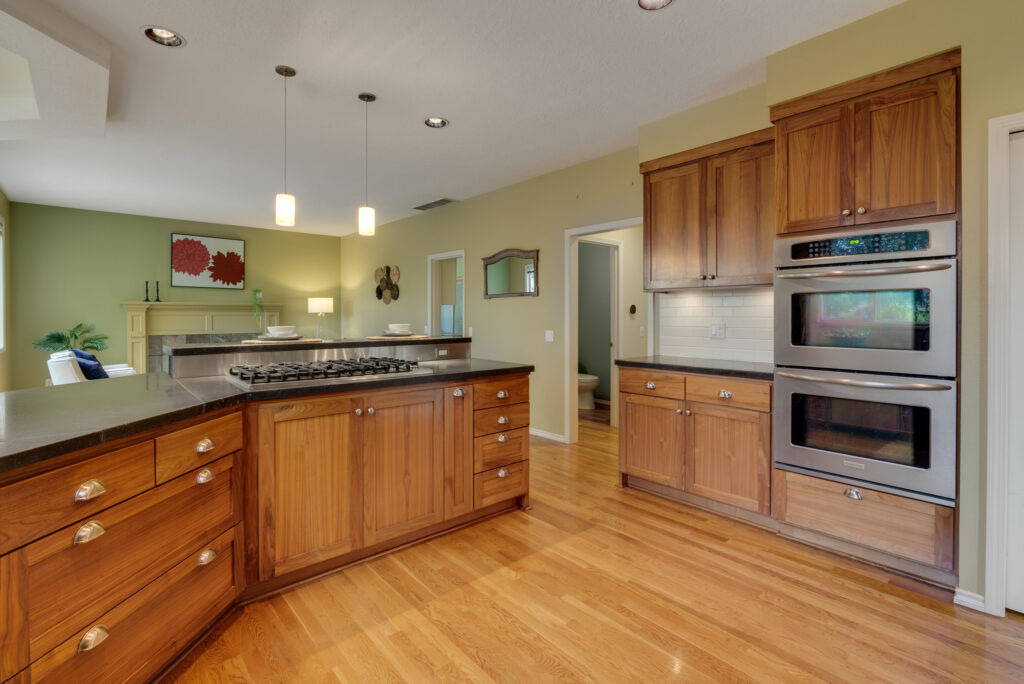
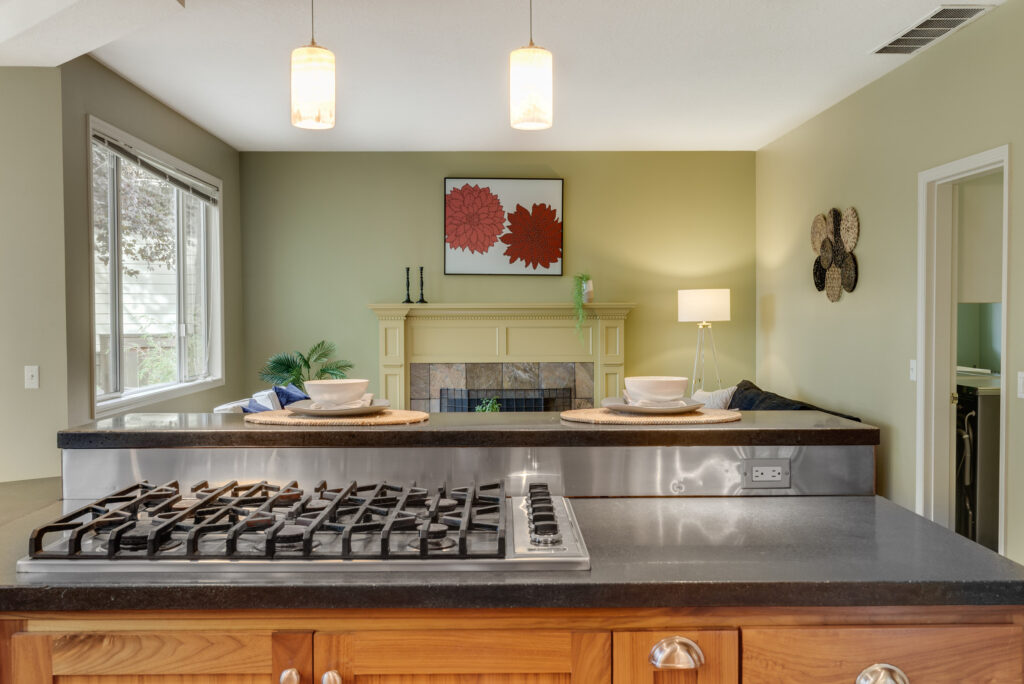
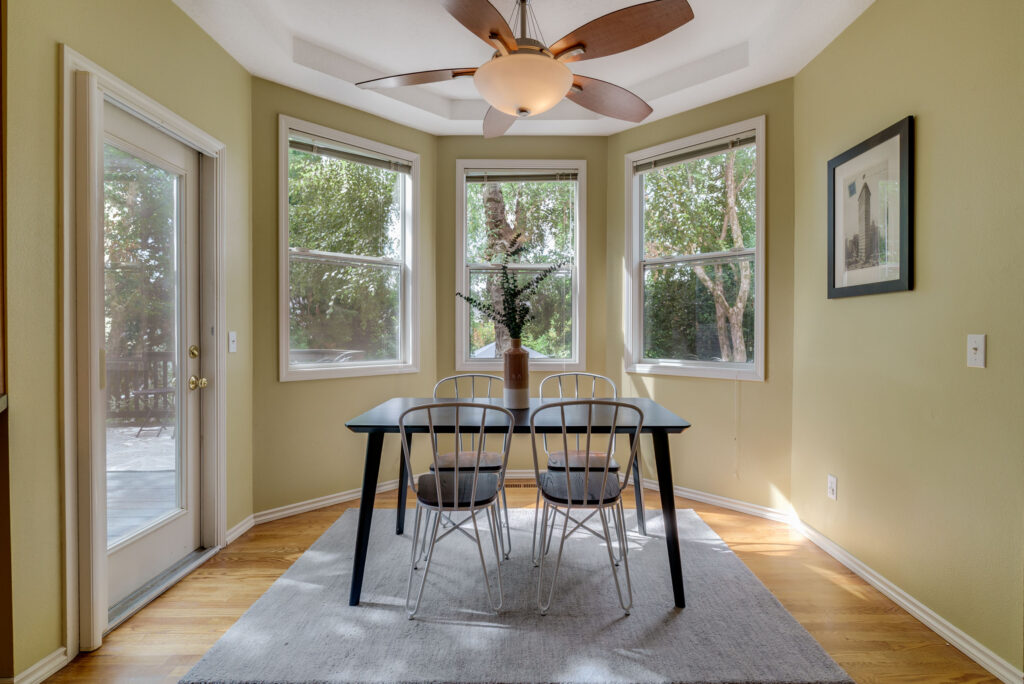
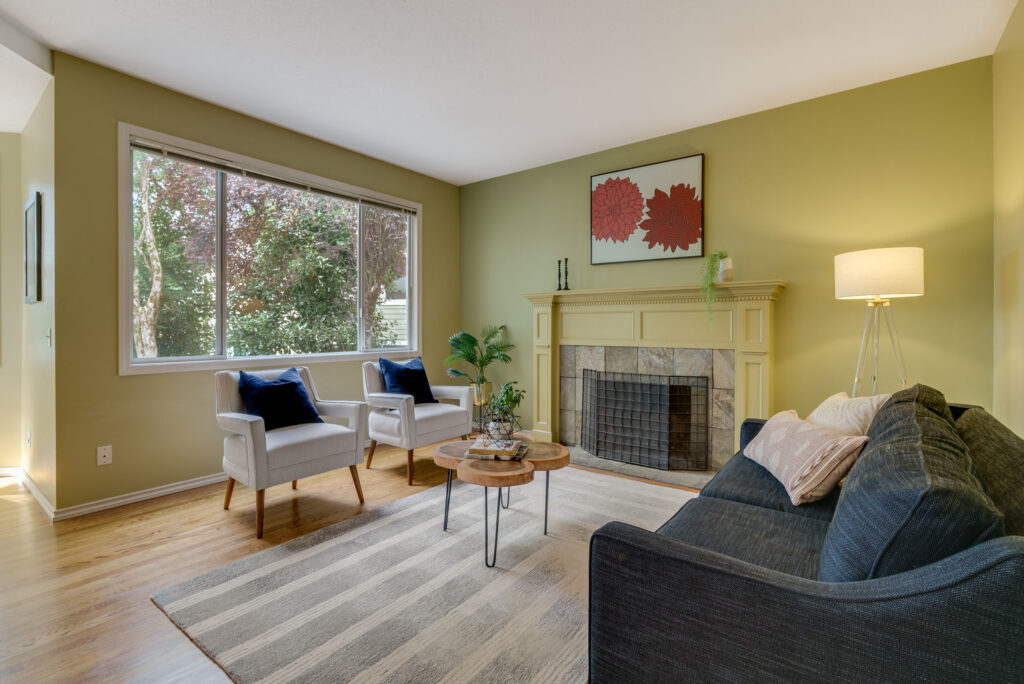
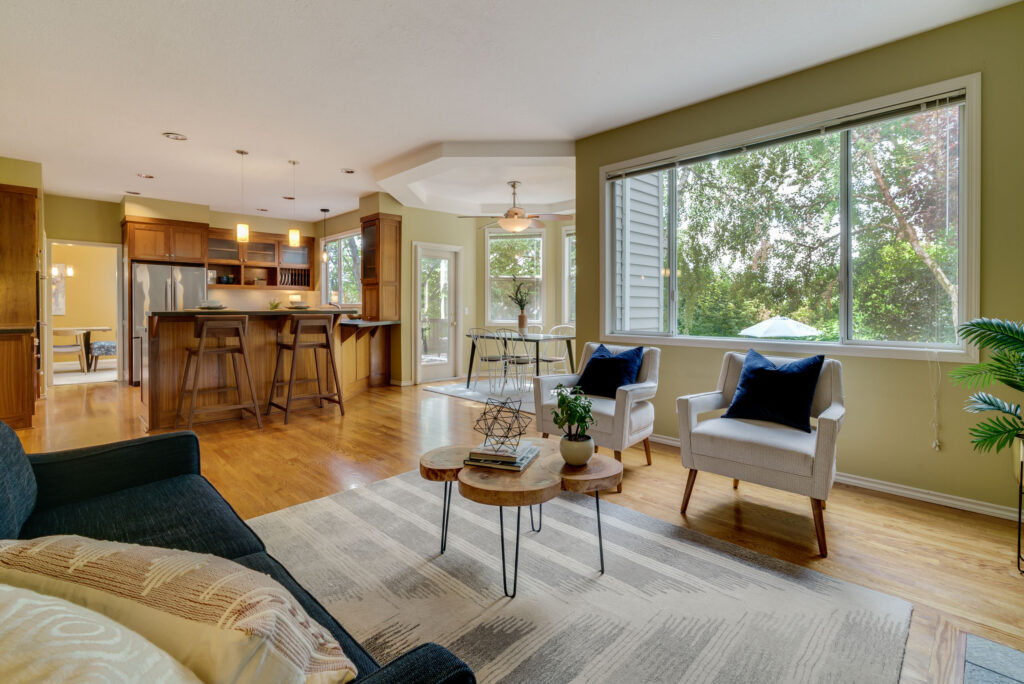
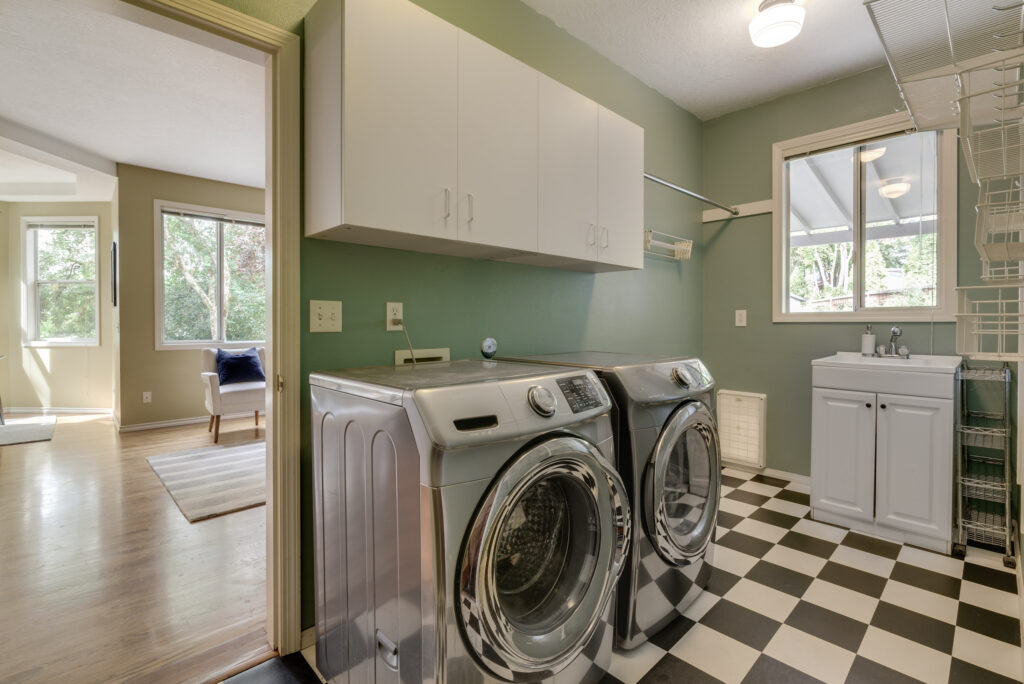
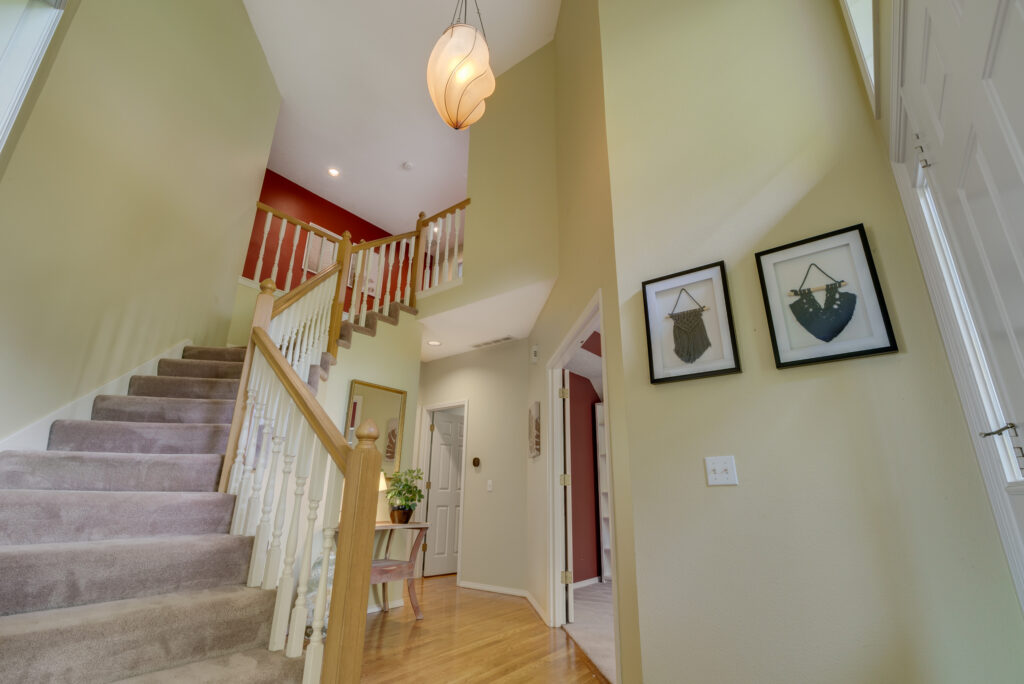
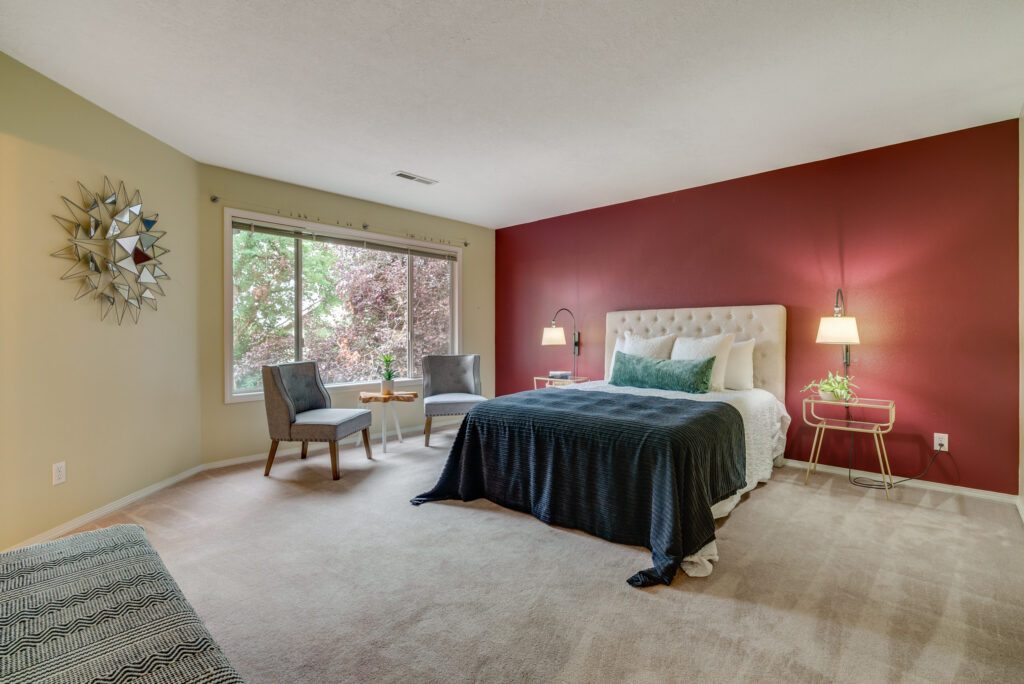
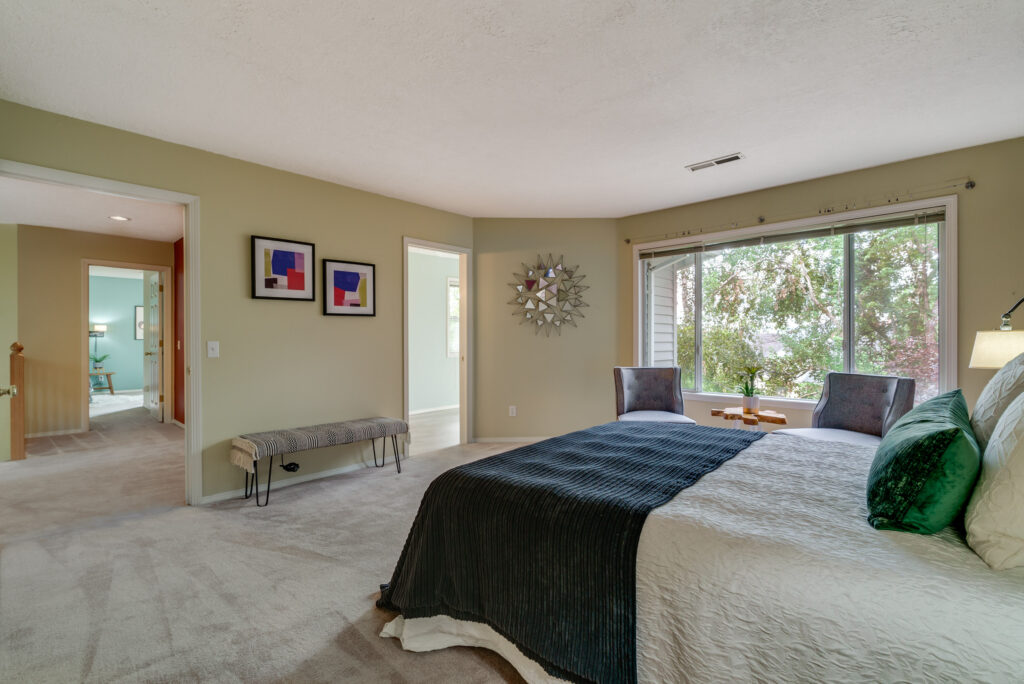
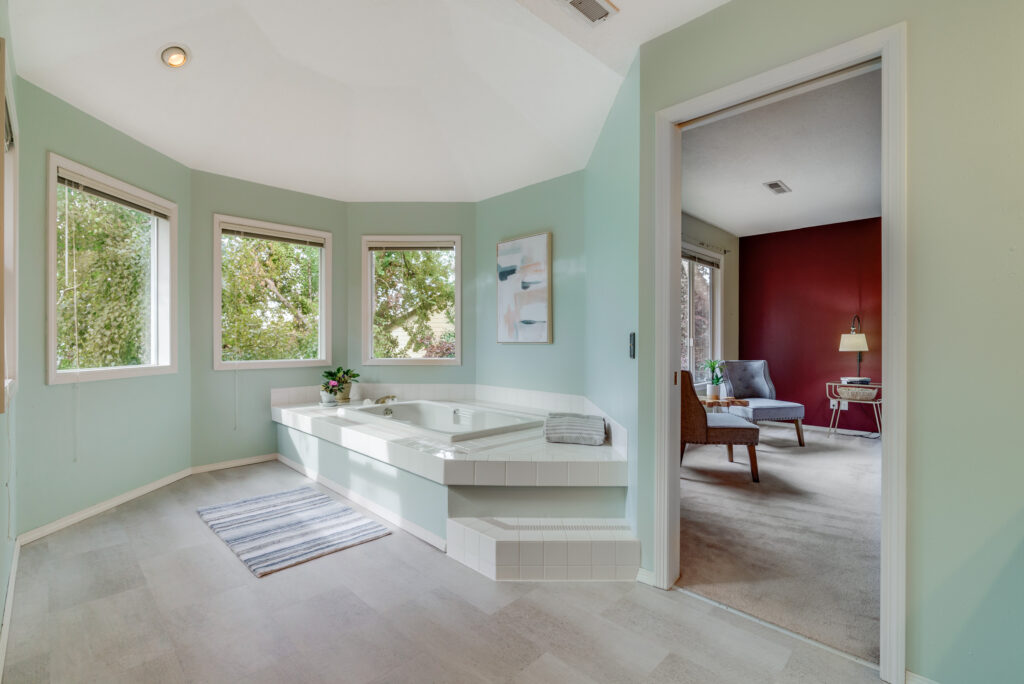
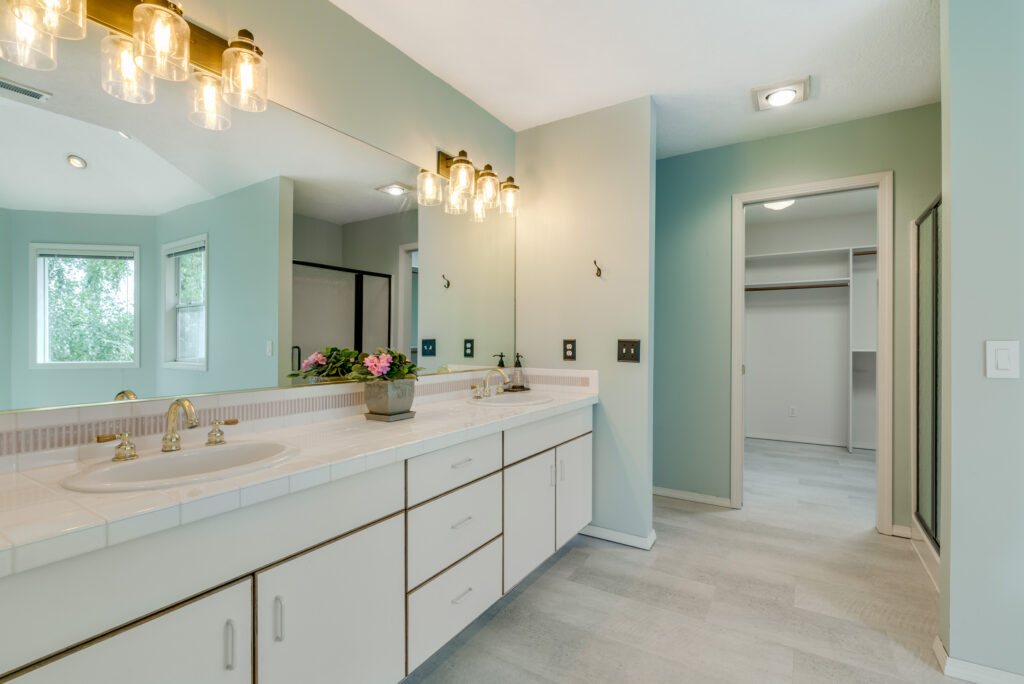
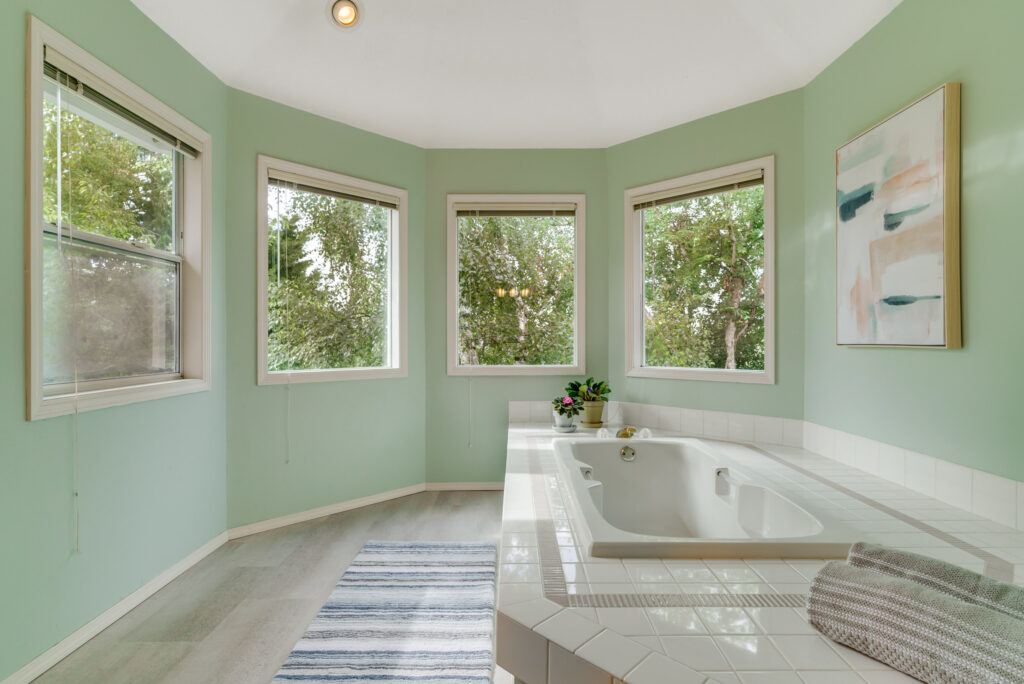
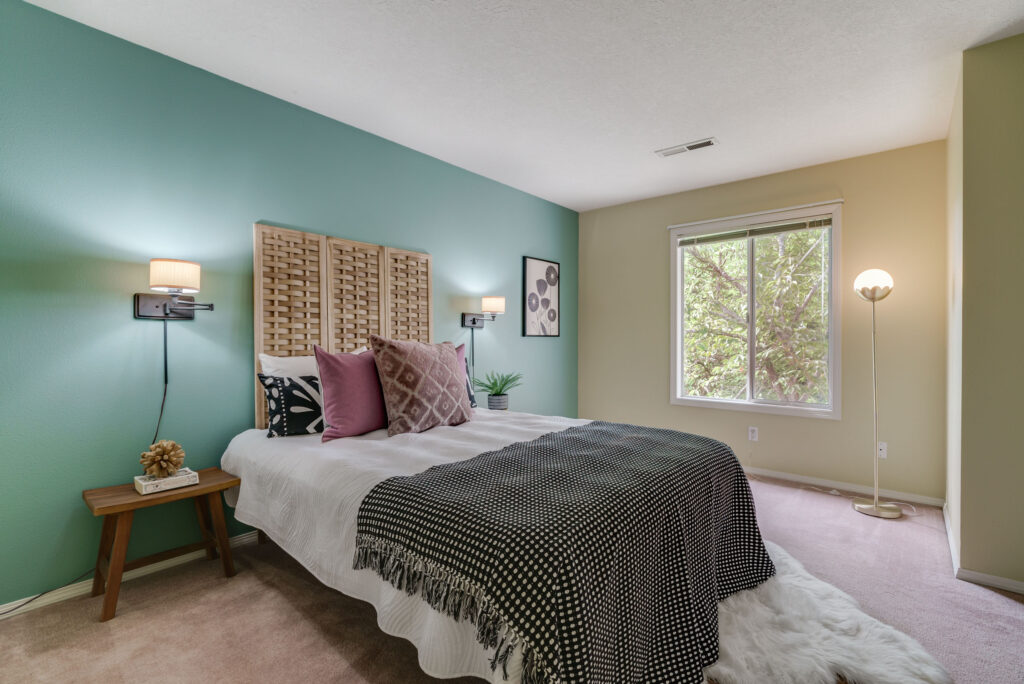
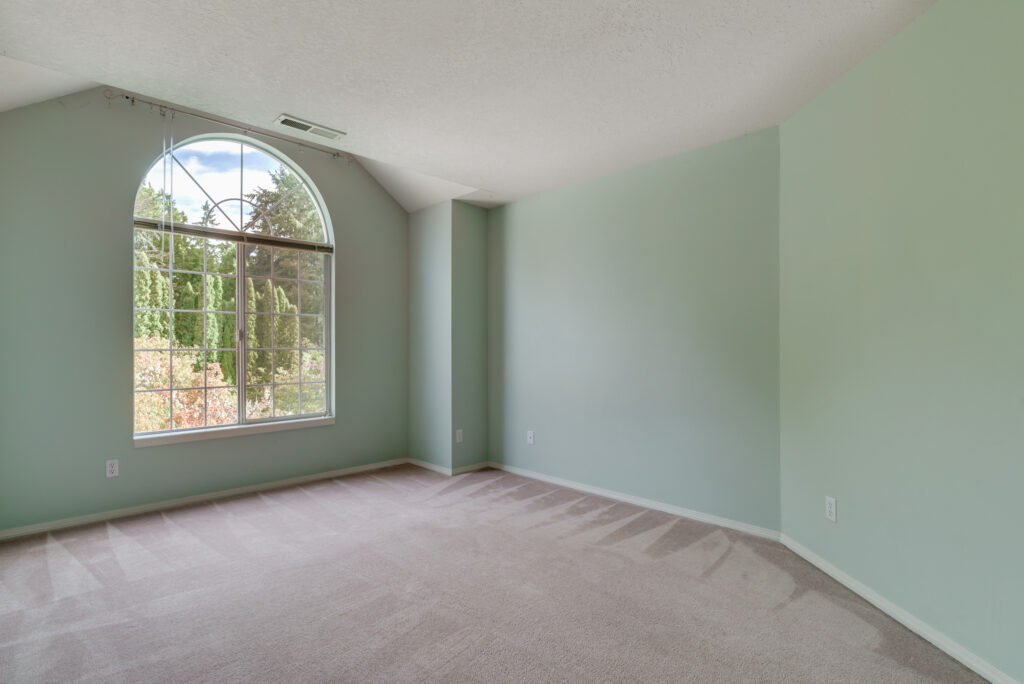





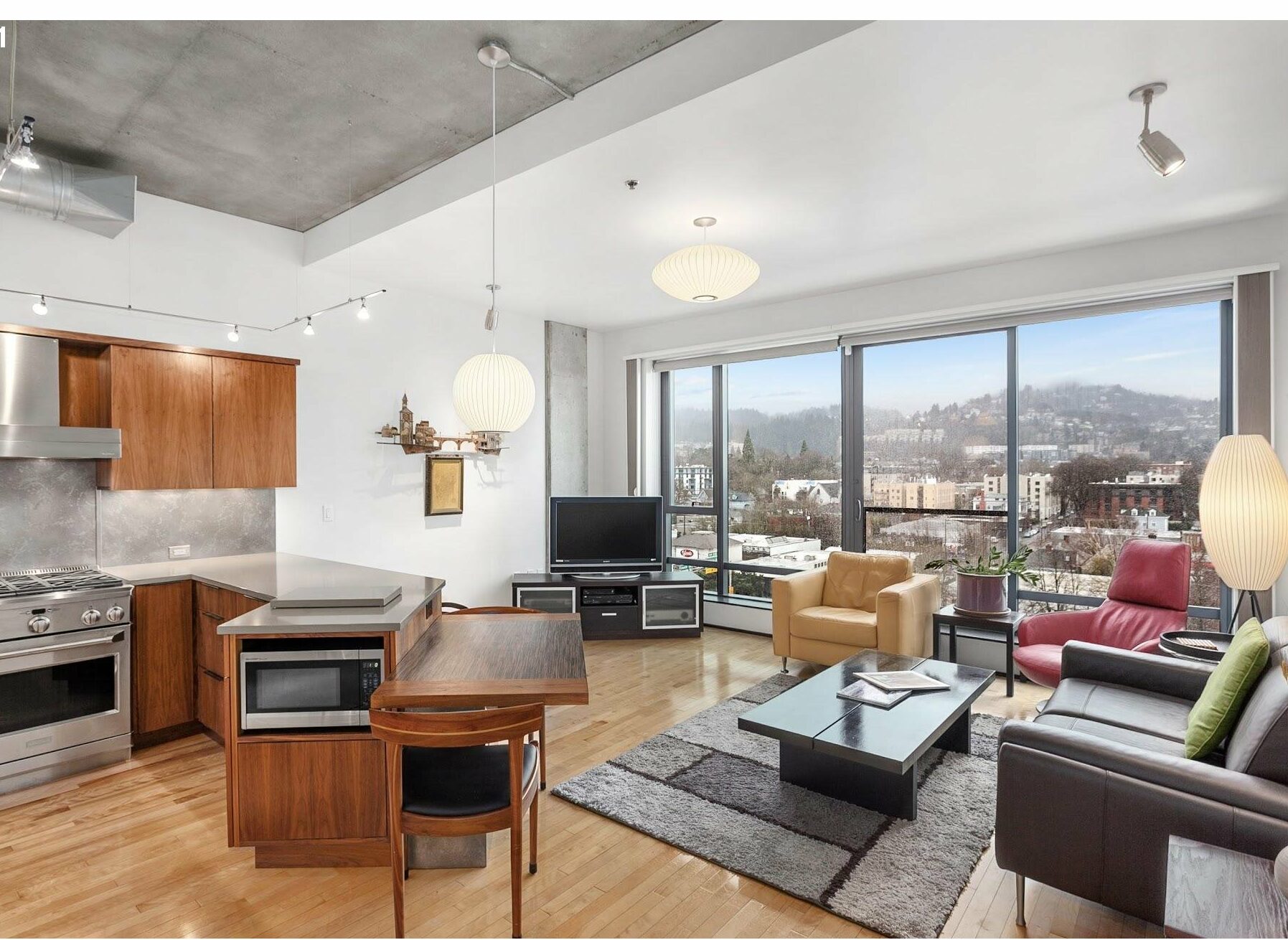
 If there is one part of the Portland market that’s not hot right now, it’s condos downtown and in the Pearl District. The Covid buying frenzy really focused on detached single family homes with yards. Communal living where you have to walk into an enclosed building and then take an elevator to your front door was the exact opposite of what the majority of buyers have wanted over the last year and a half. So for those folks who DO want to own a condo in the Pearl, the neighborhood is a pool full of fat oysters where buyers can take a while to look around be picky about what type of unit they want.
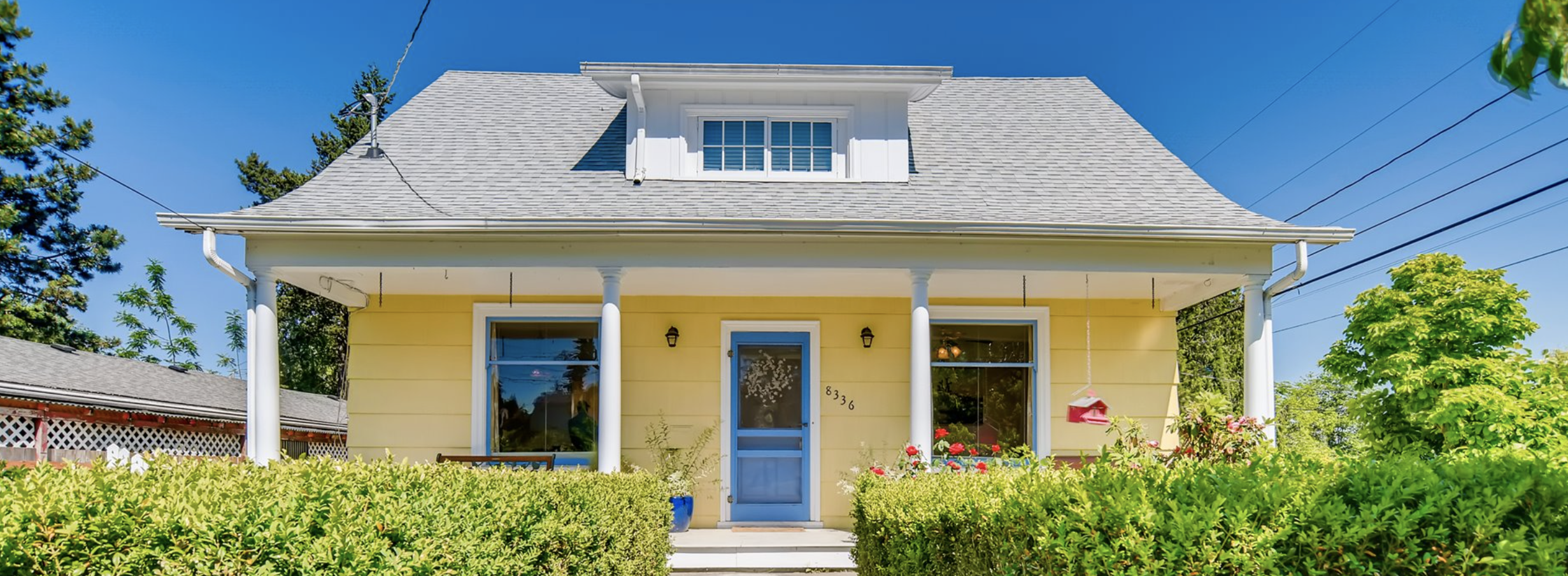







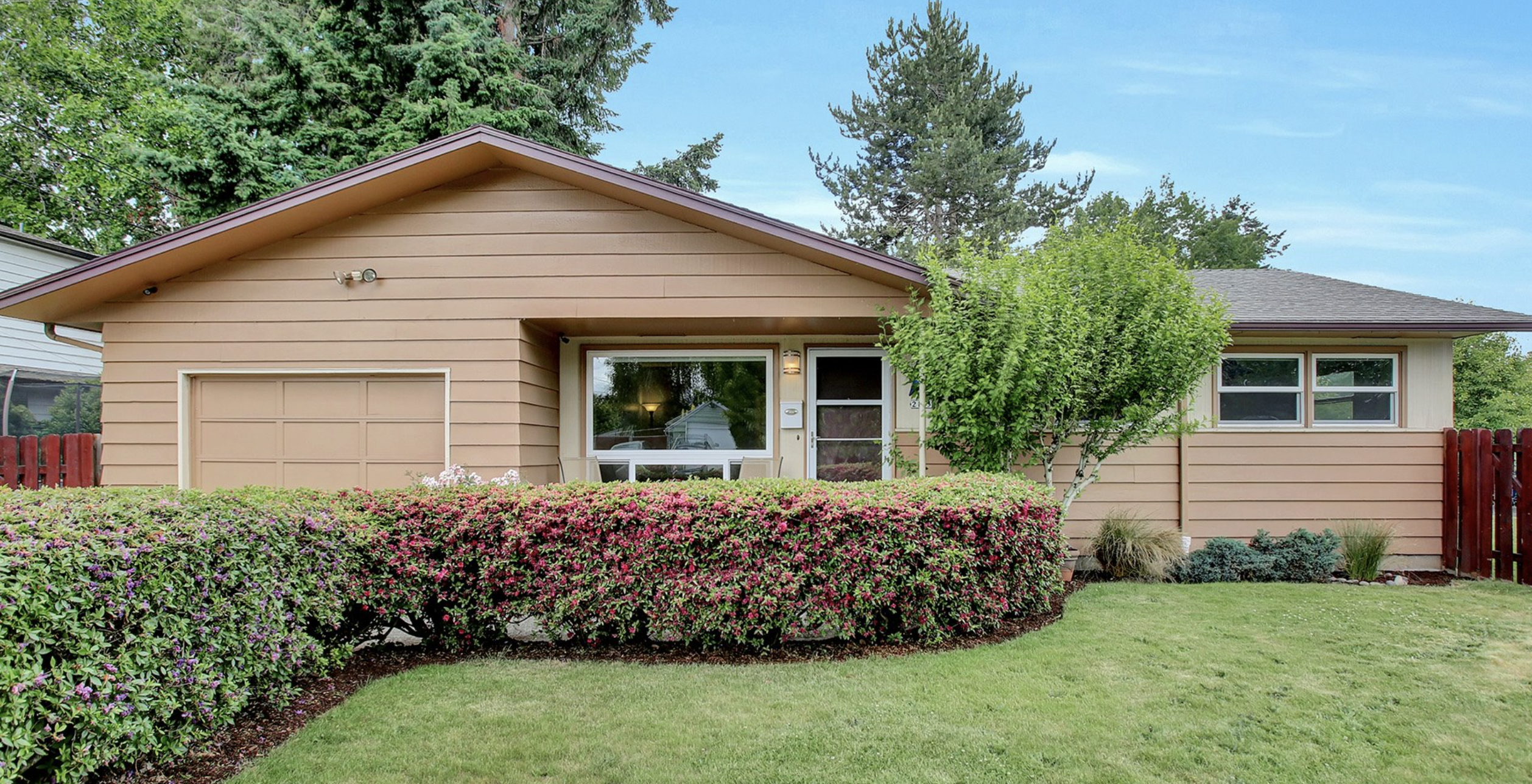


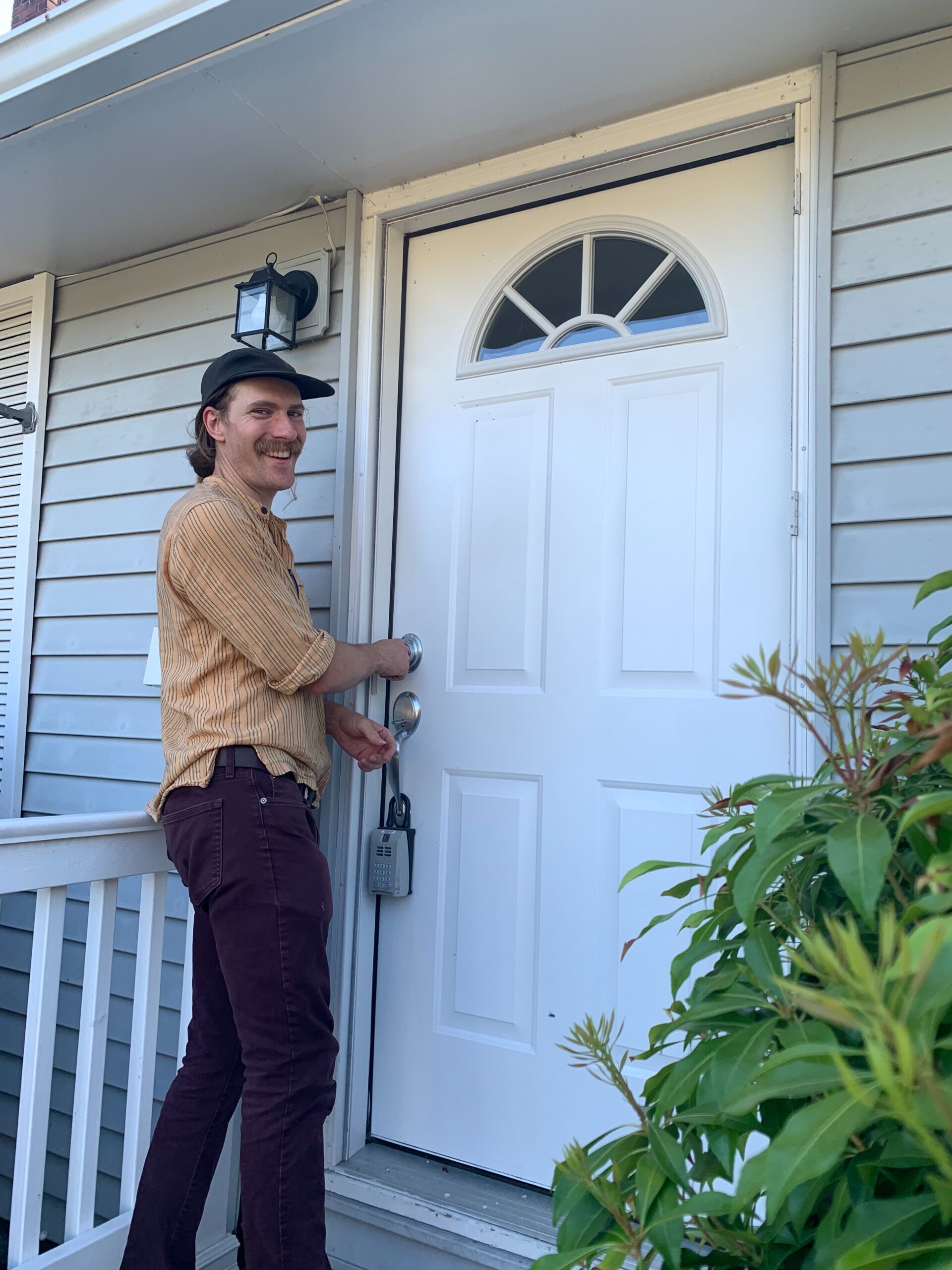
 My buyer Clayton was referred to me by some of my favorite past clients ever, so I knew he was going to be great to work with. His ideal home would be in North Portland where he has lived for a long time as a renter, and would have the space and bedroom count to be able to comfortably rent out a room or two to roommates. He lost out on 2 houses, but they were not the best houses for him anyway. And when a great 4 bedroom house (2 beds on the main floor and 2 beds upstairs) came on the market he went to the open house and met the listing agent who was super impressed by how kind Clayton is and how through of a job he did looking at the house (he even went into the crawl space!). He loved the house and we wrote up an offer, and thanks to his letter and the listing agent explaining to her seller how awesome Clayton is, the seller wanted to sell to Clayton, but with another offer on the table that was over $100,000 over list price, the seller went with the crazy high offer.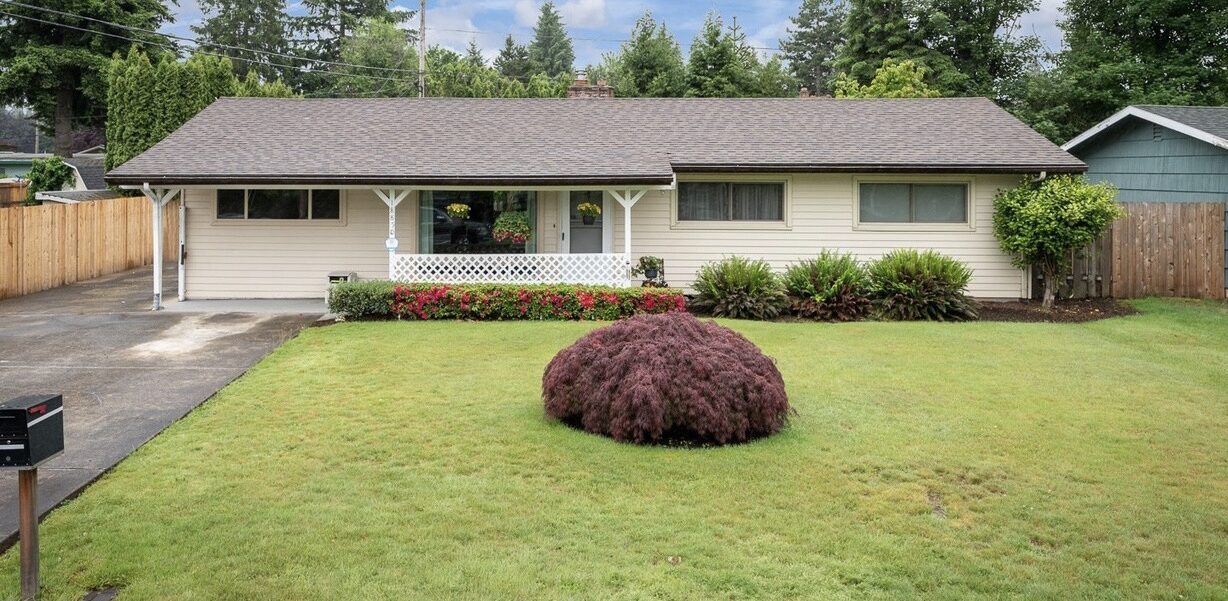
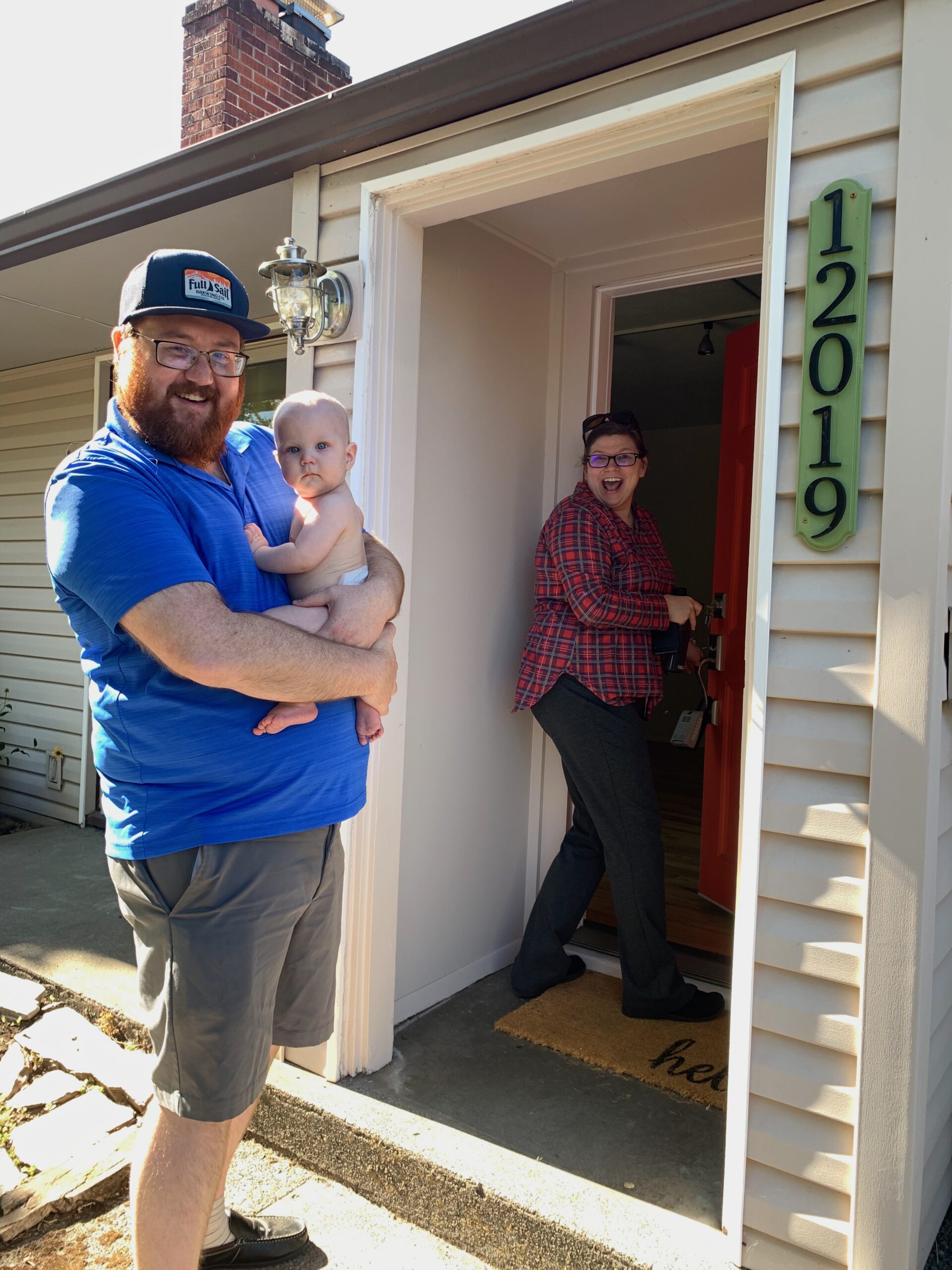
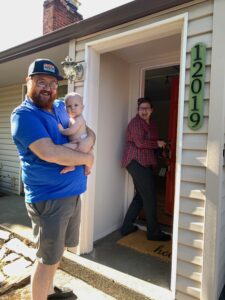 Sarah and Craig were referred to me by a dear longtime client. They just had a baby and were ready to buy a house to settle into and raise their kid in. When we first spoke this past spring, they had not yet spoken with a lender and didn’t really have an idea of how much they could qualify for. I gave them some names of great lenders I work with including the Portland Housing Center. After meeting with Portland Housing Center’s loan officer, they found out they qualified for a $15k grant if they bought something in the City of Portland, so that sealed the deal for them on which lender to use.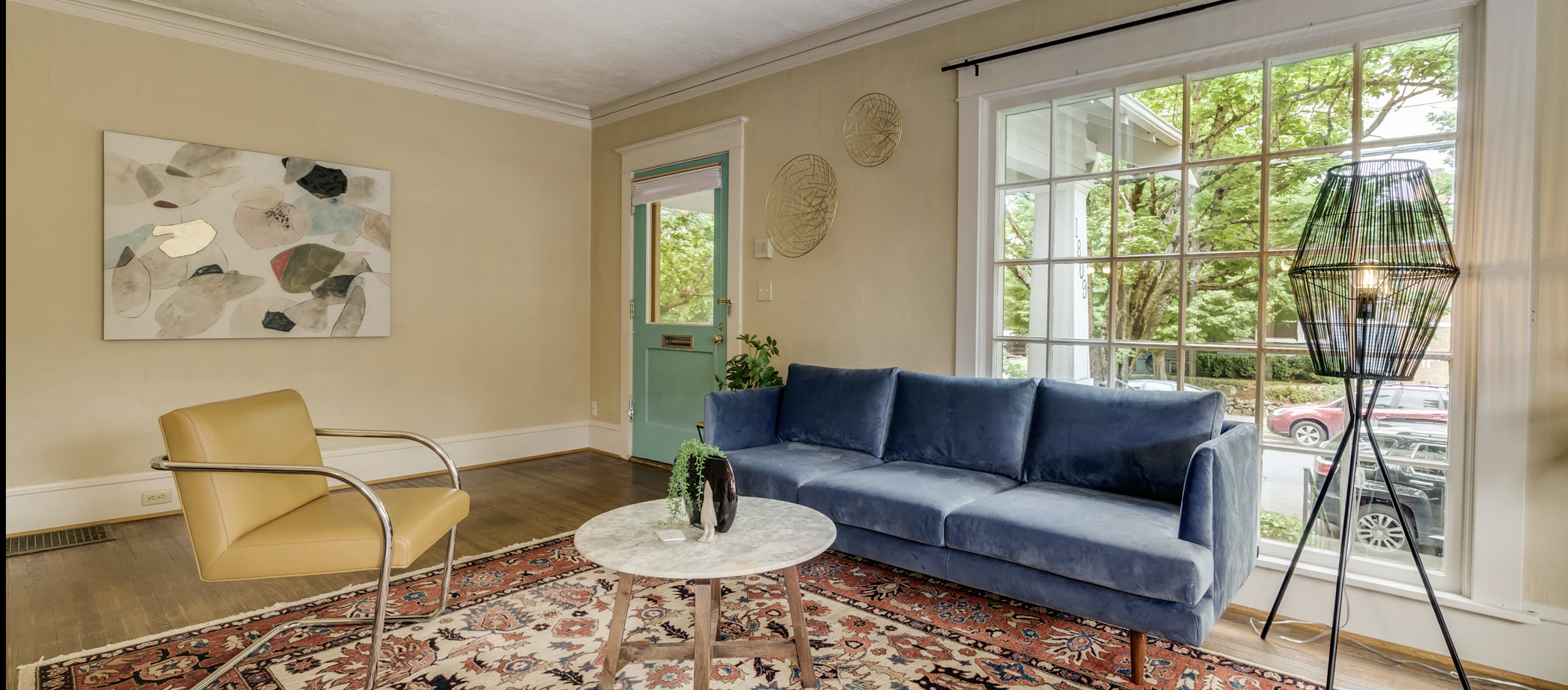
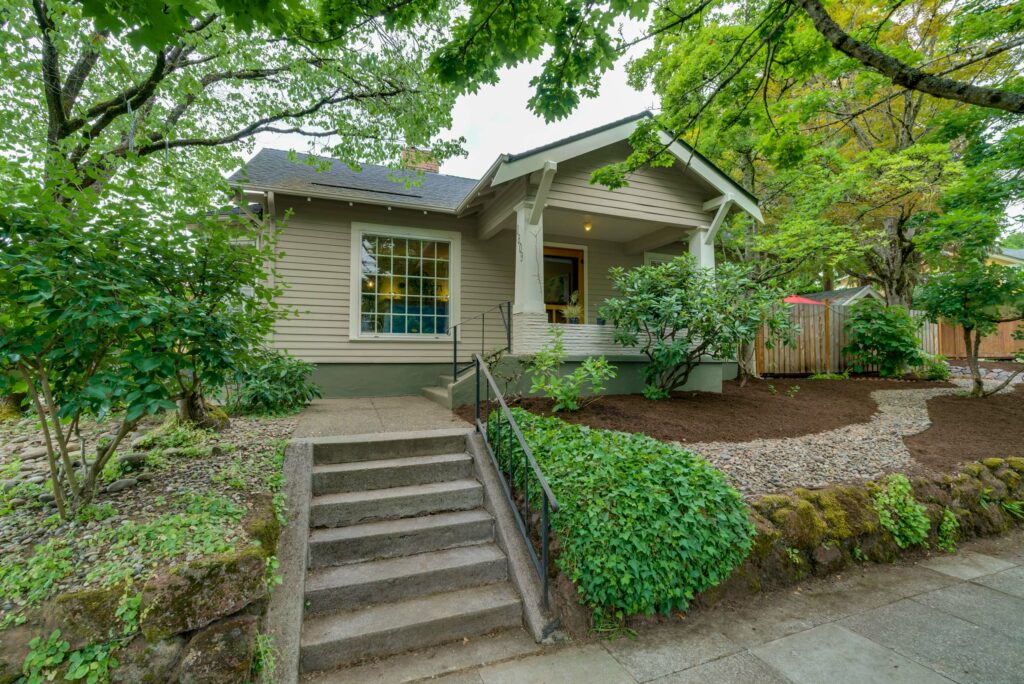
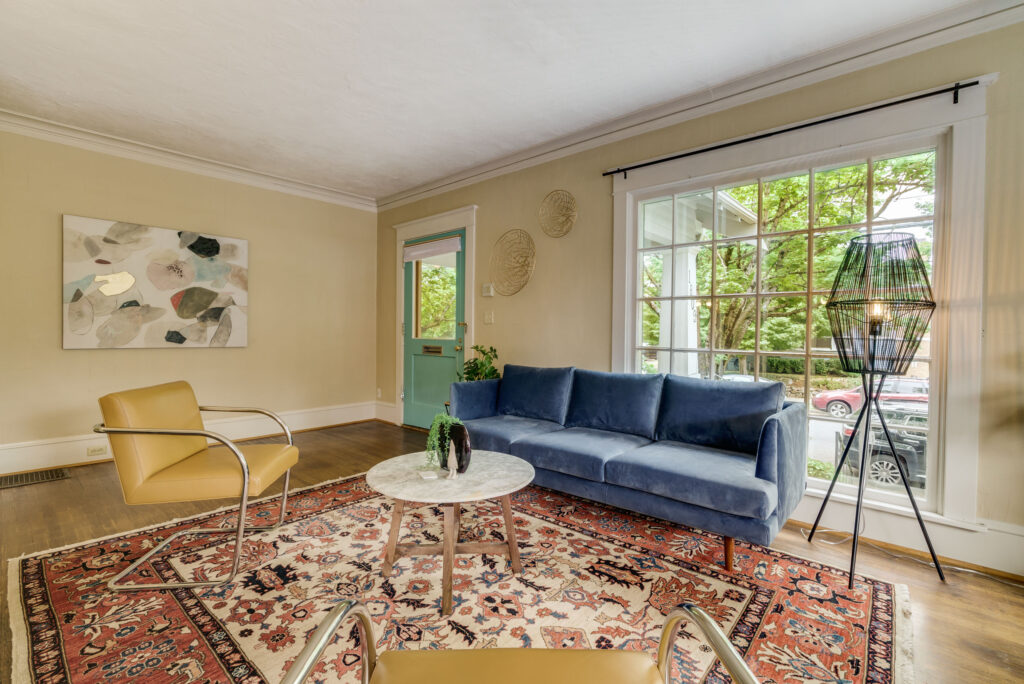
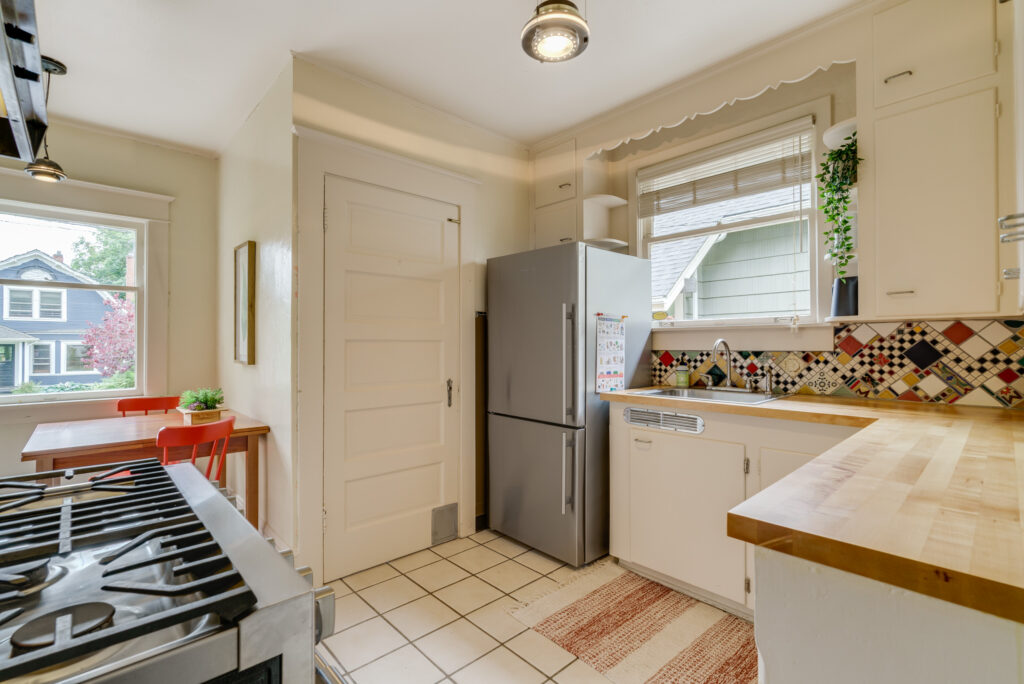
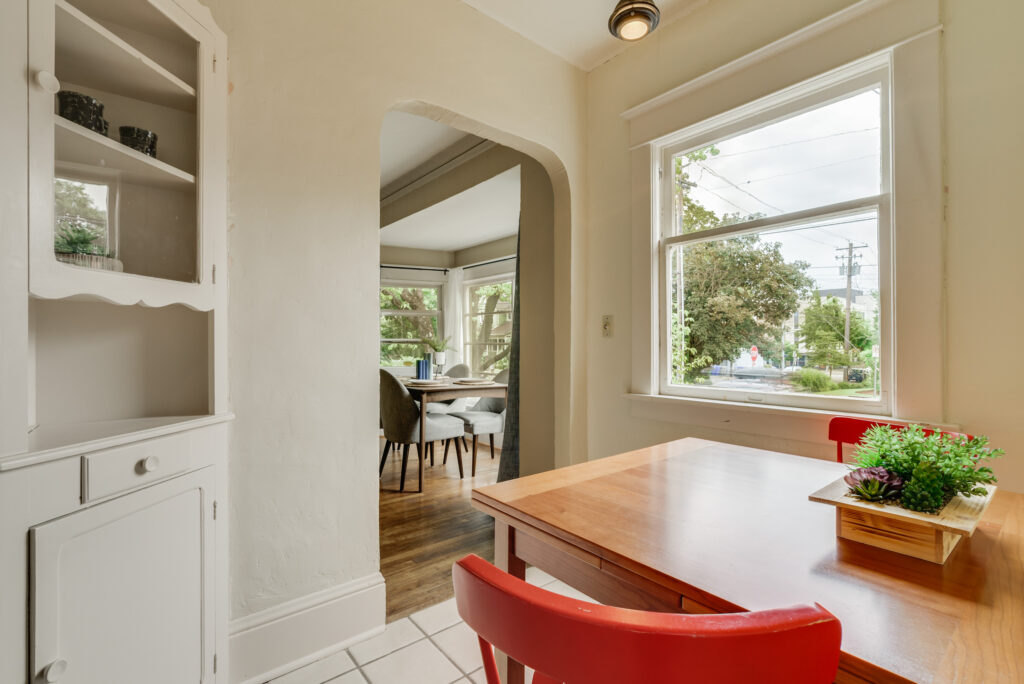
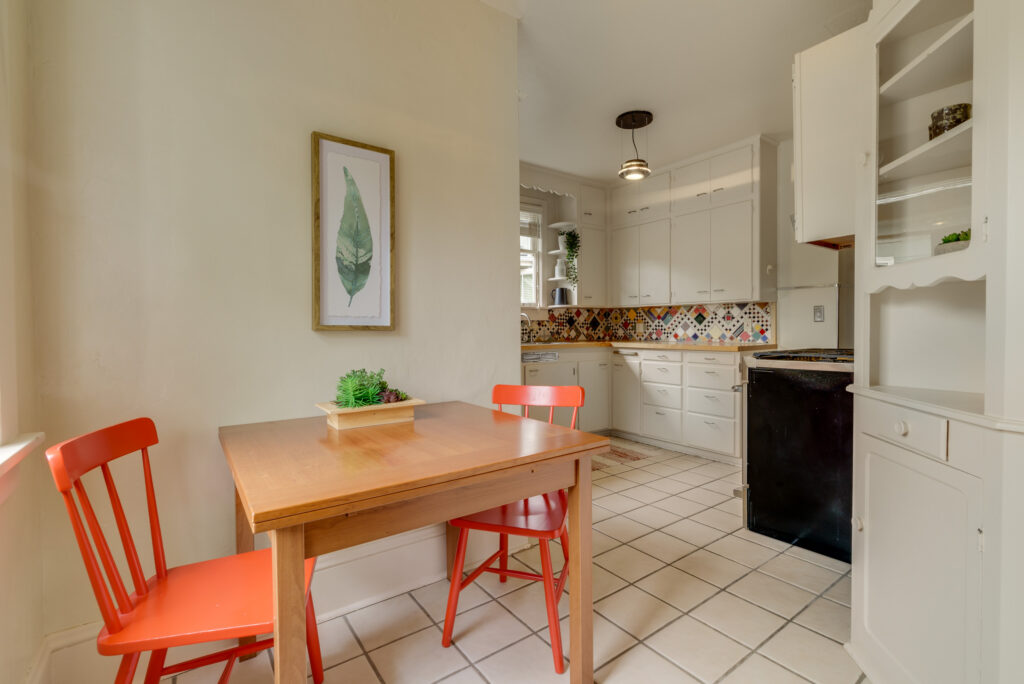
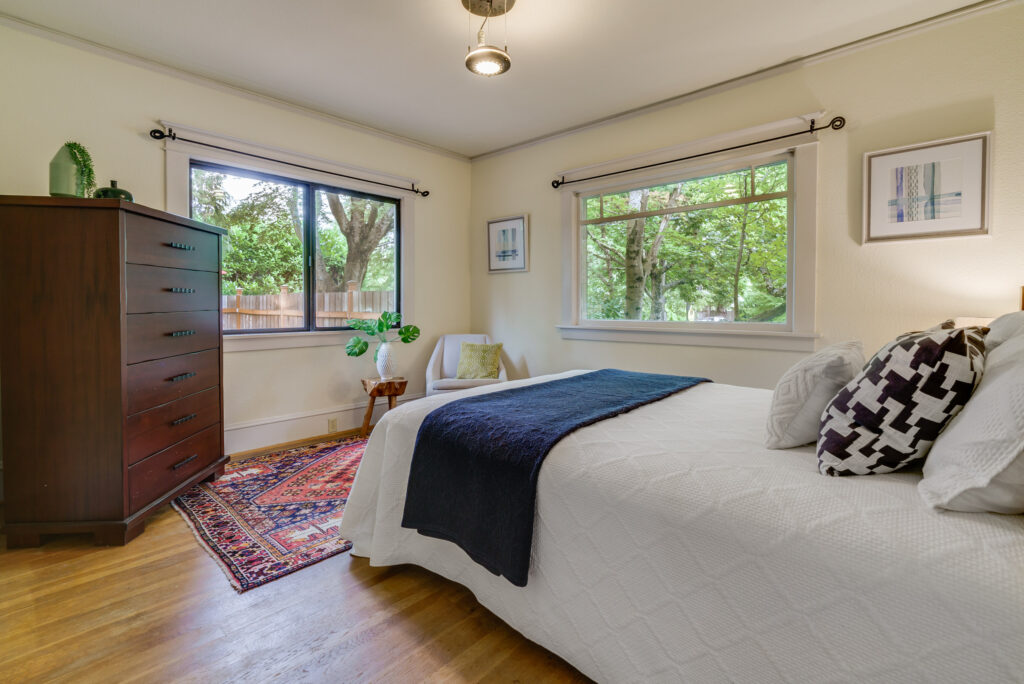
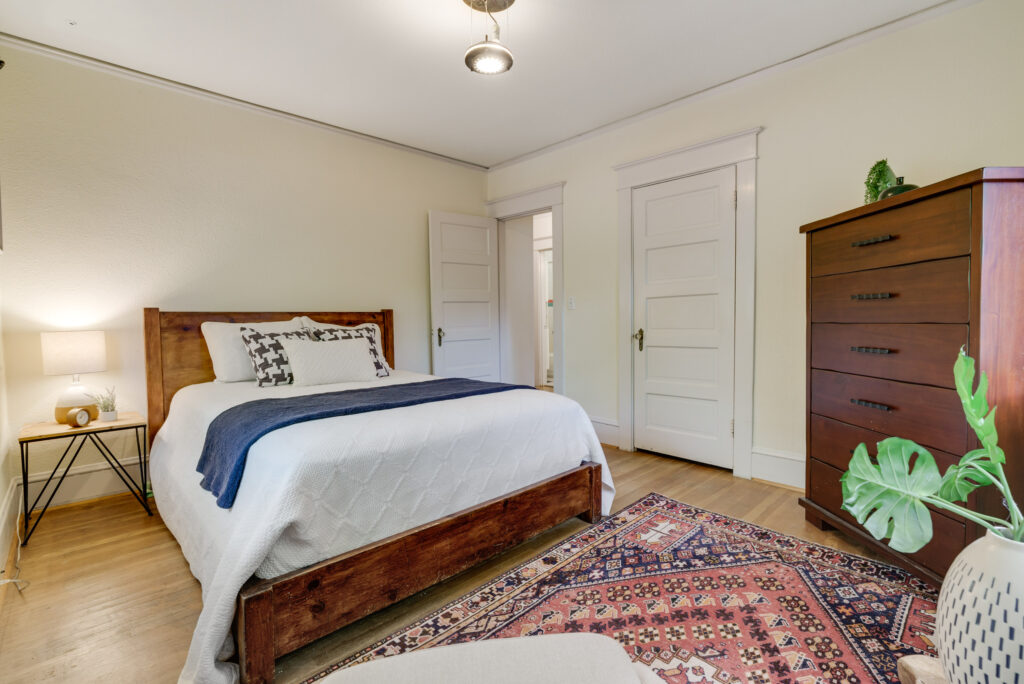
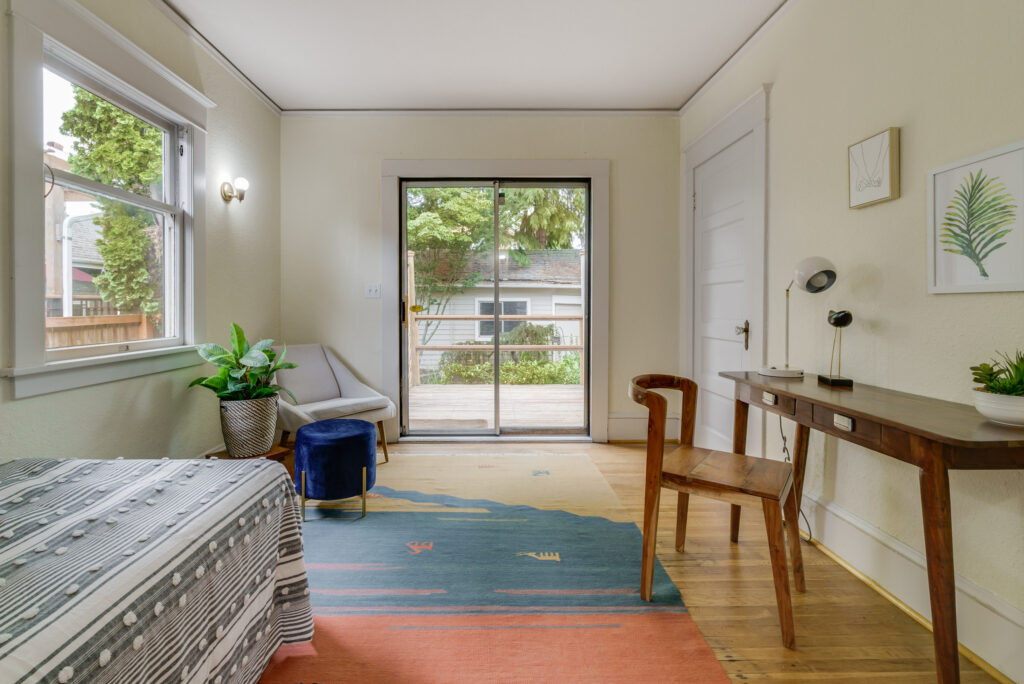
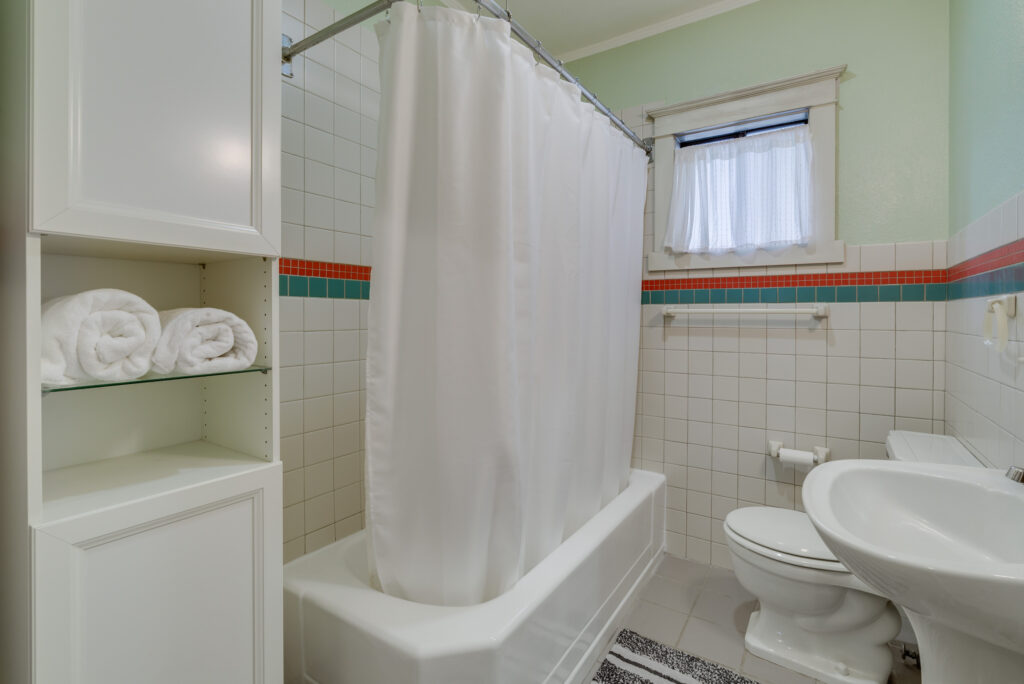
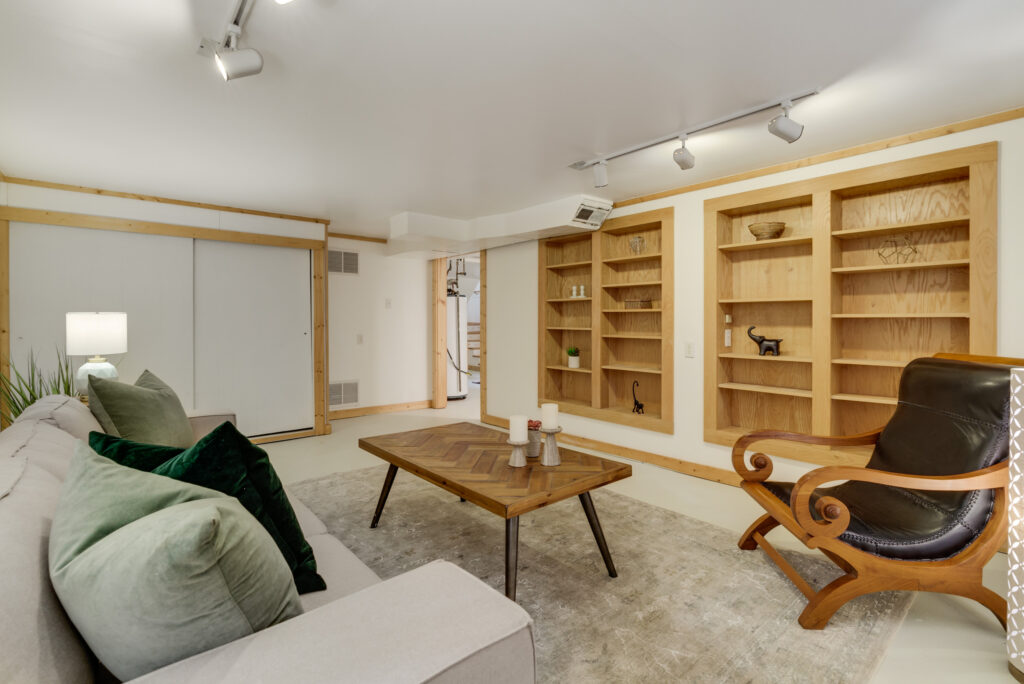
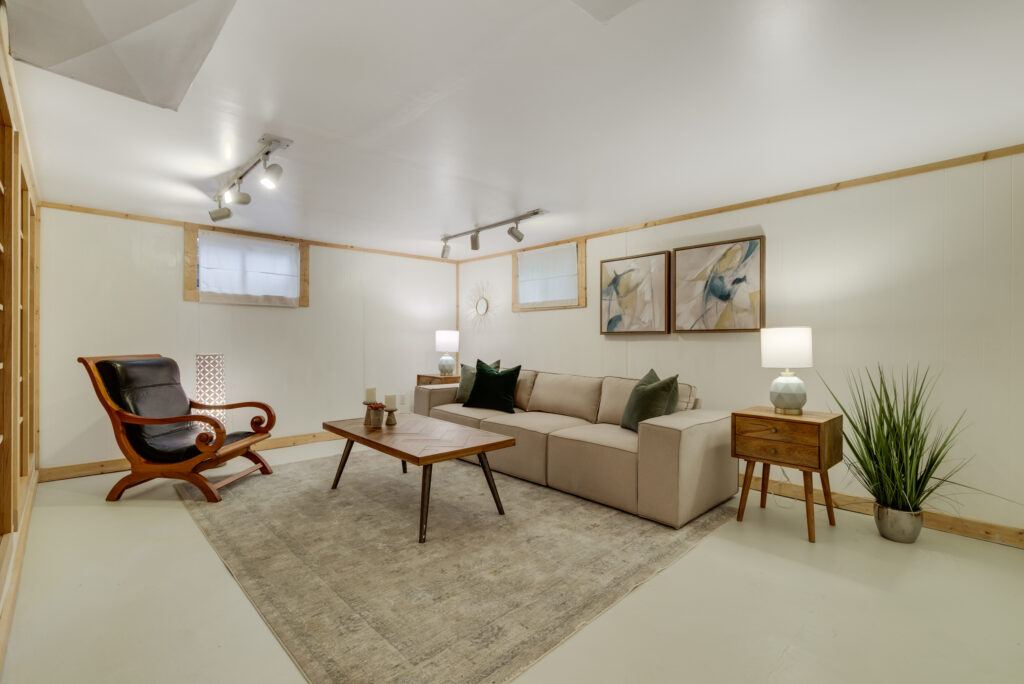
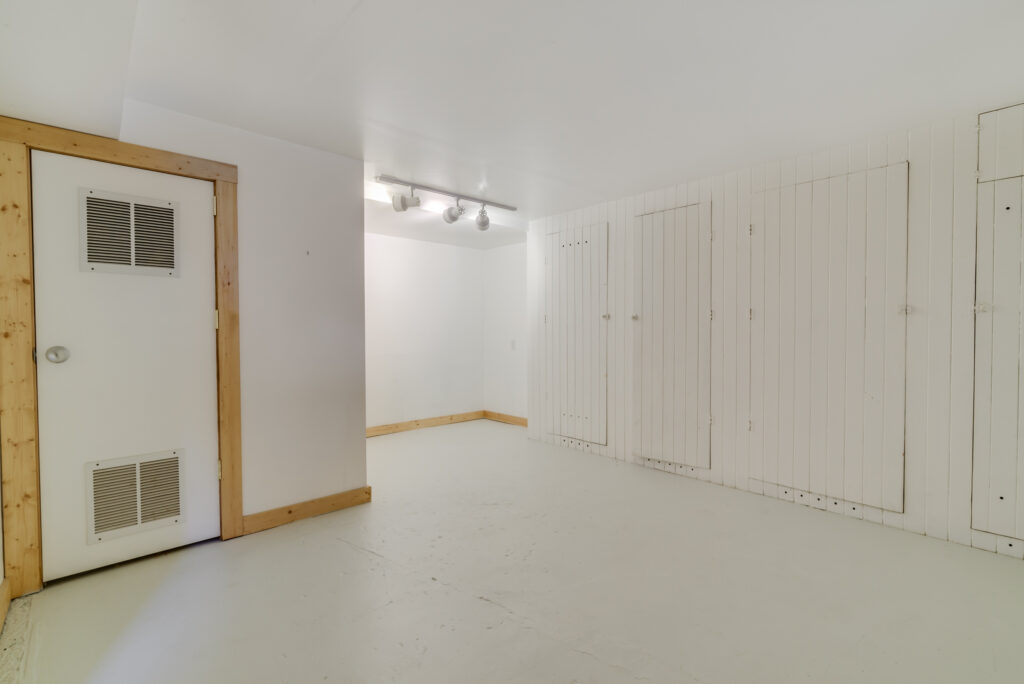
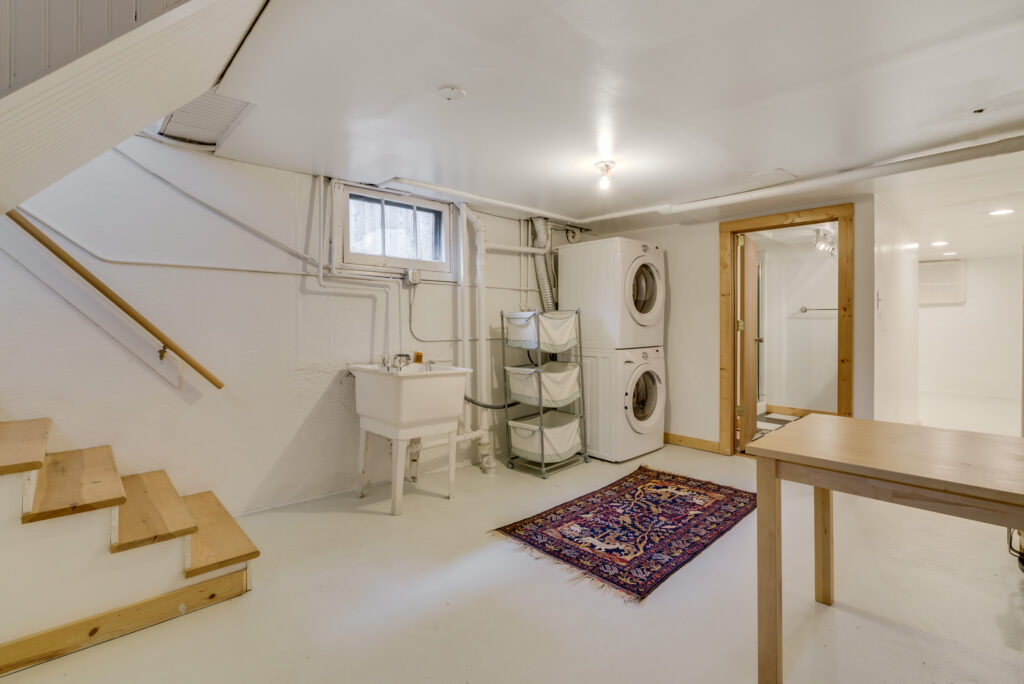
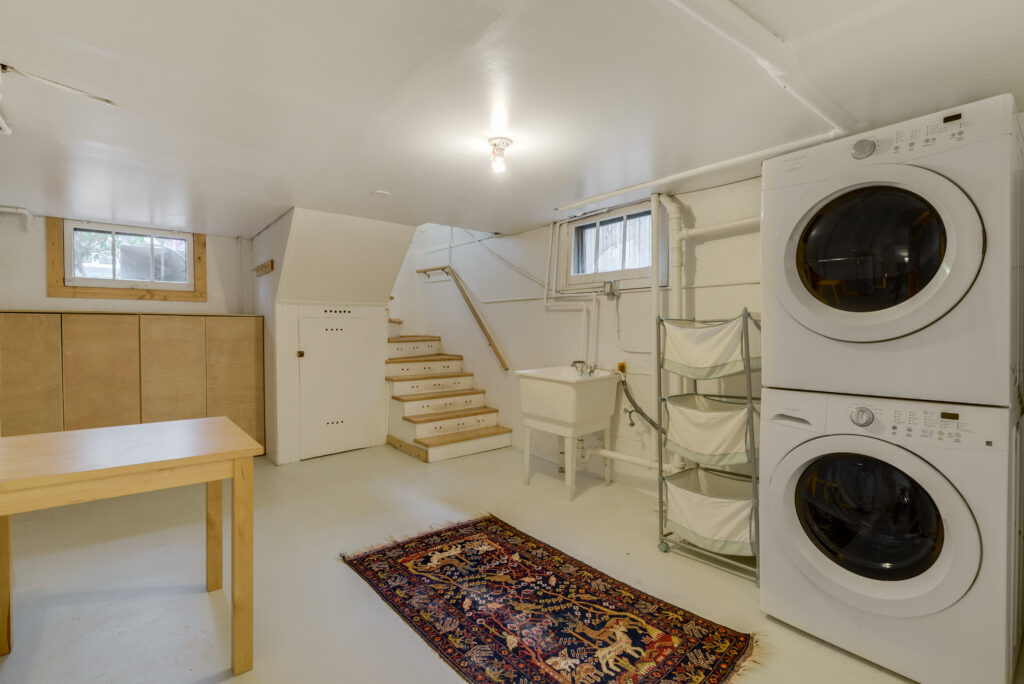
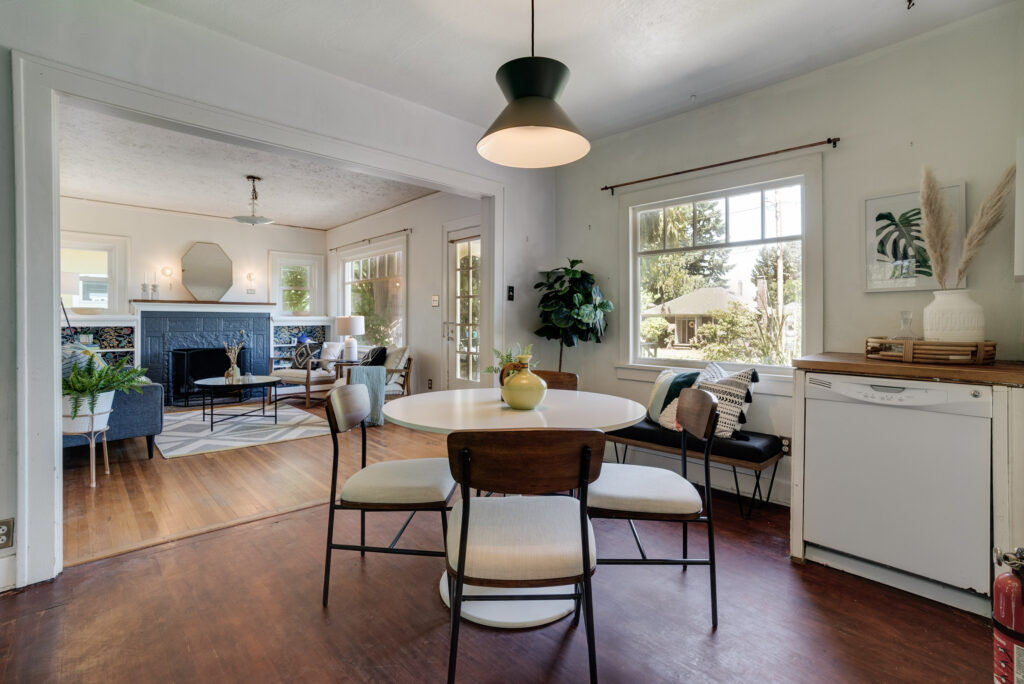
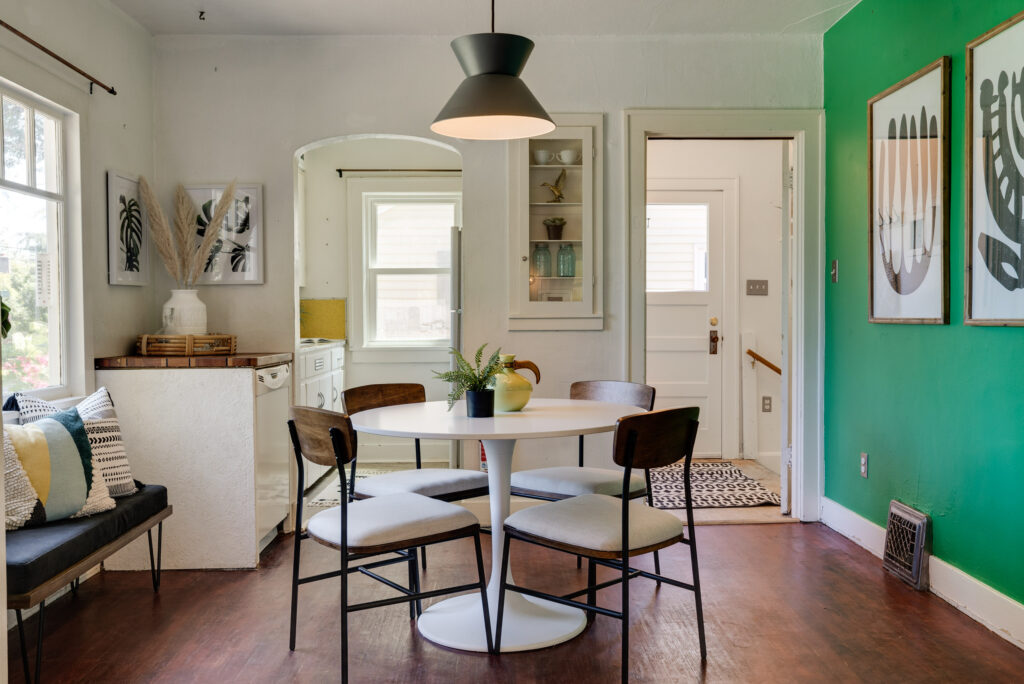
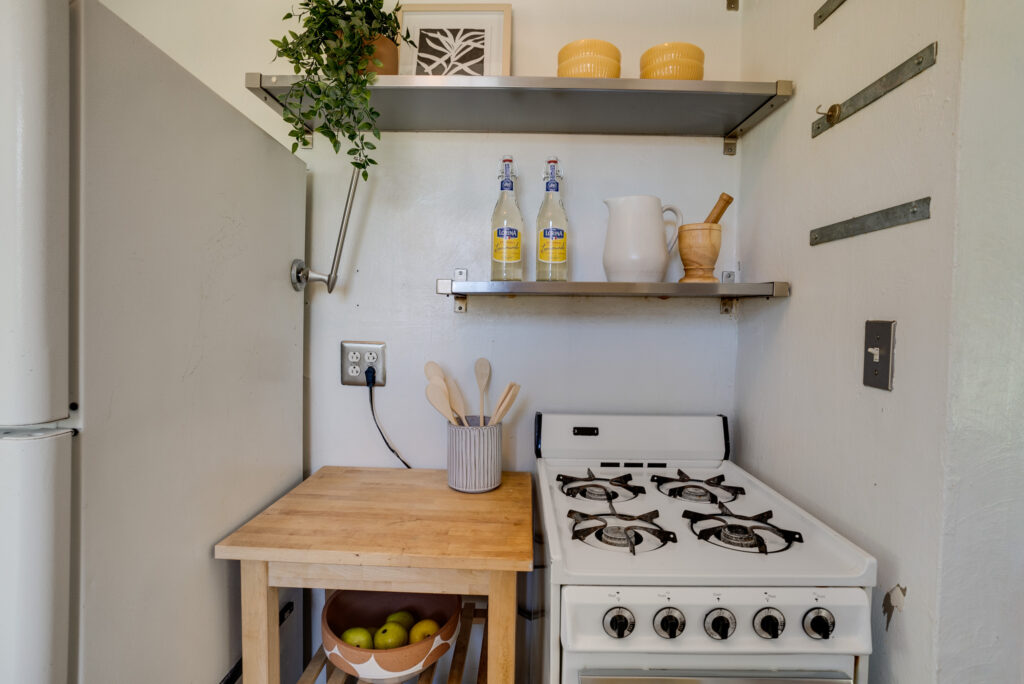
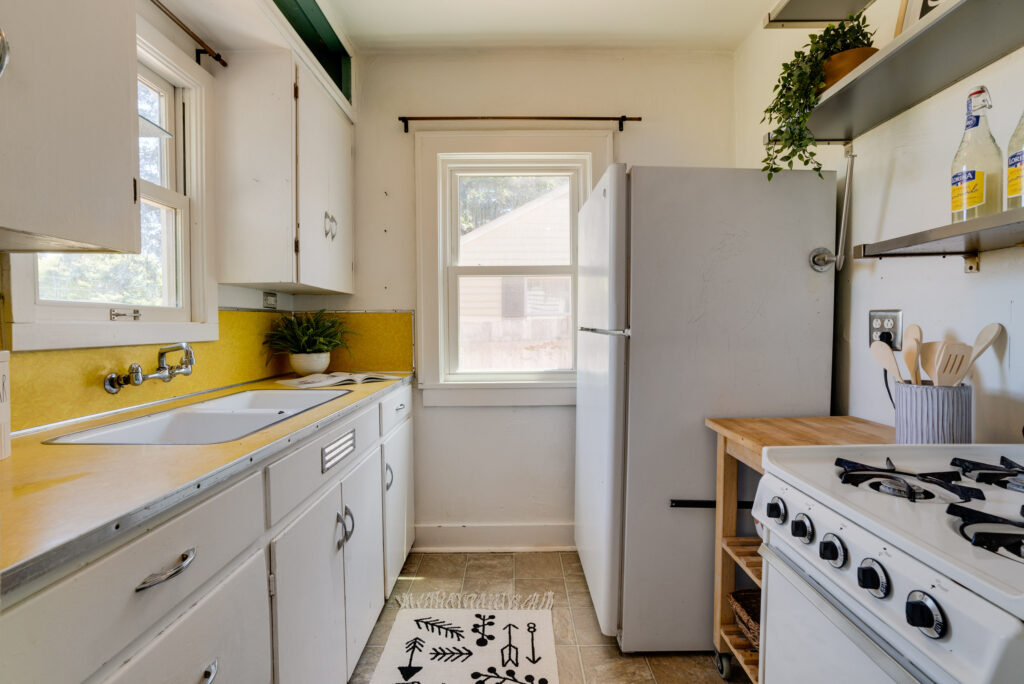
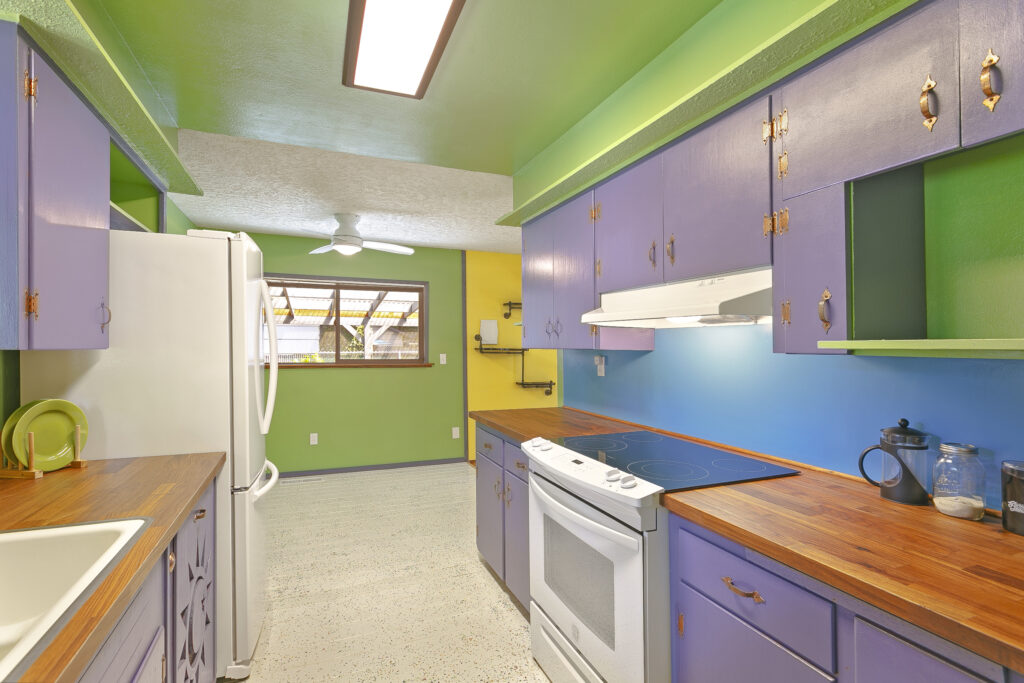
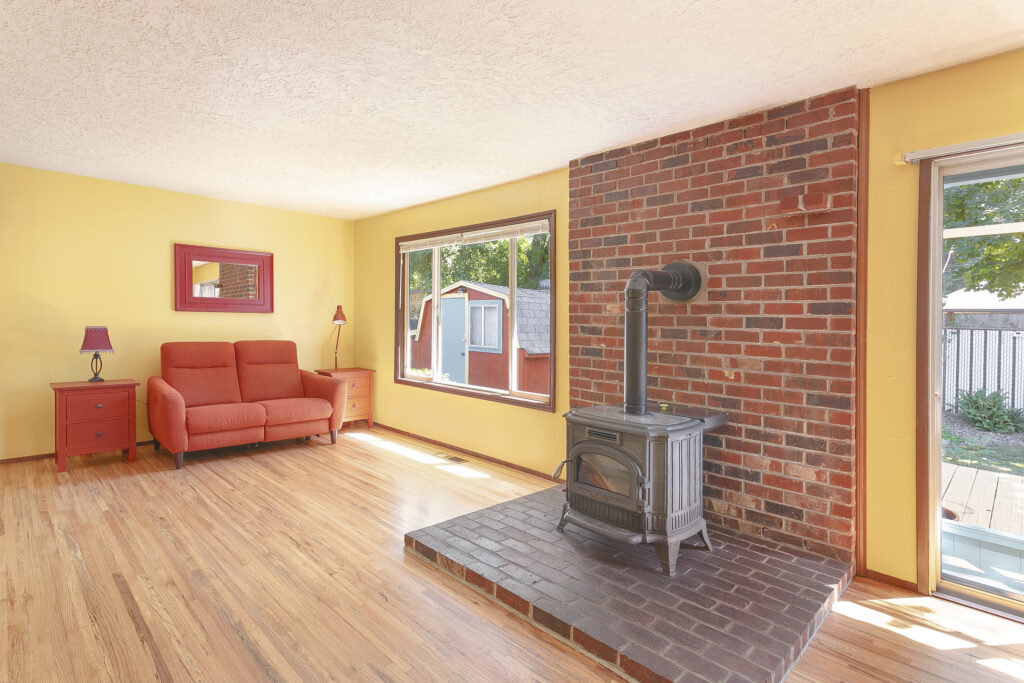
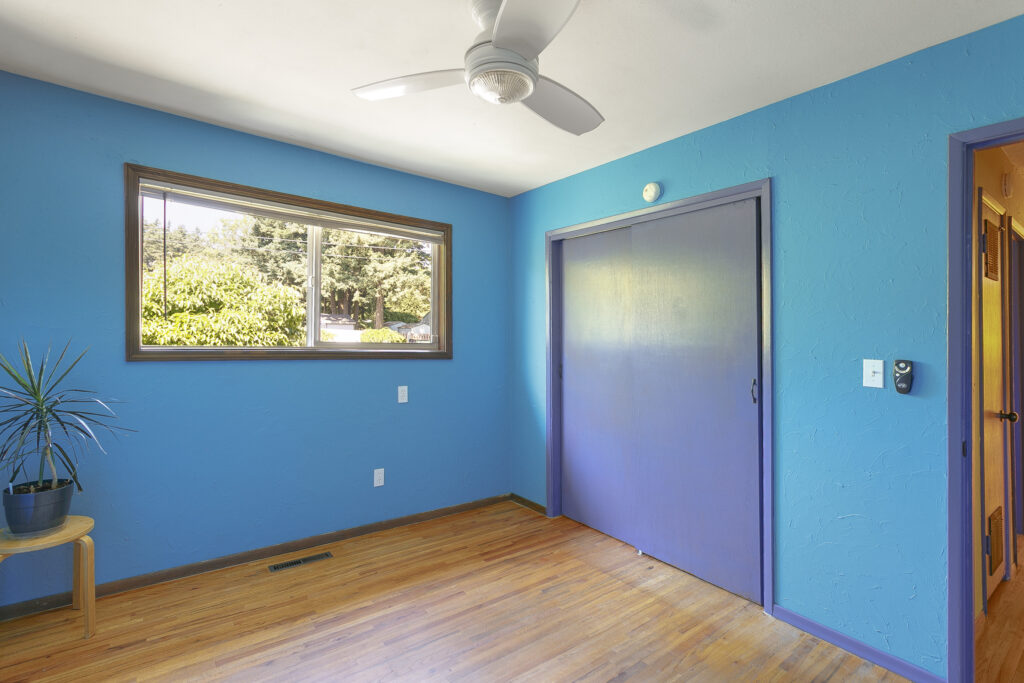
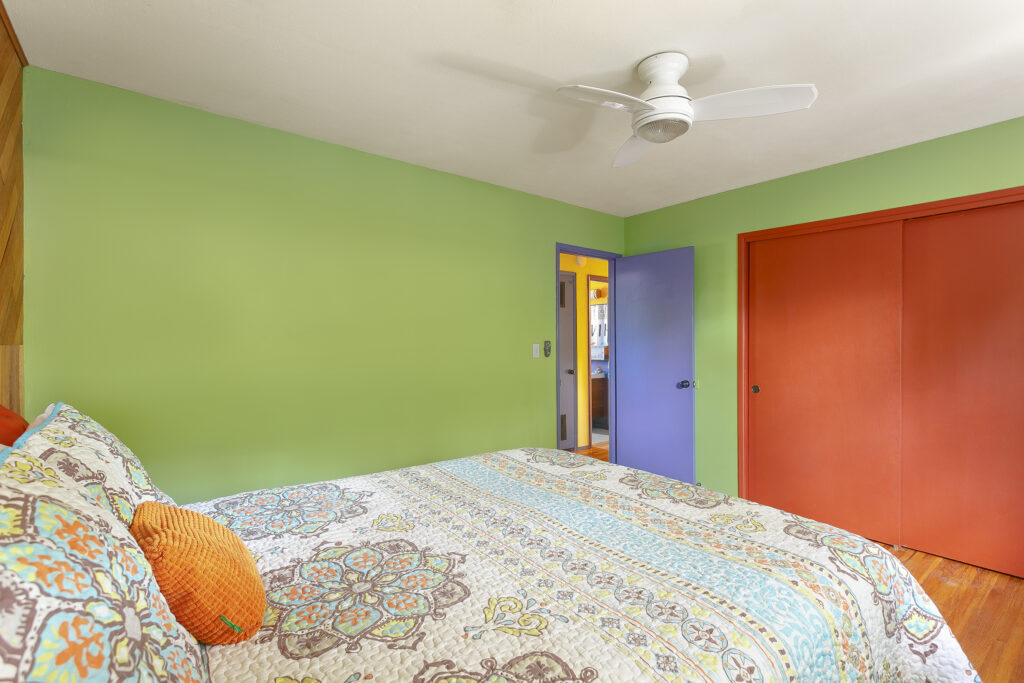









 A referral from a past-client/friend, Sally lamented not being able to have the ‘real’ Realtor experience (where you hop in a single car together and shop until you’re slap happy and speaking in code that both wholly understand) like her friend Corrinna had. But we made the absolute best of it.